

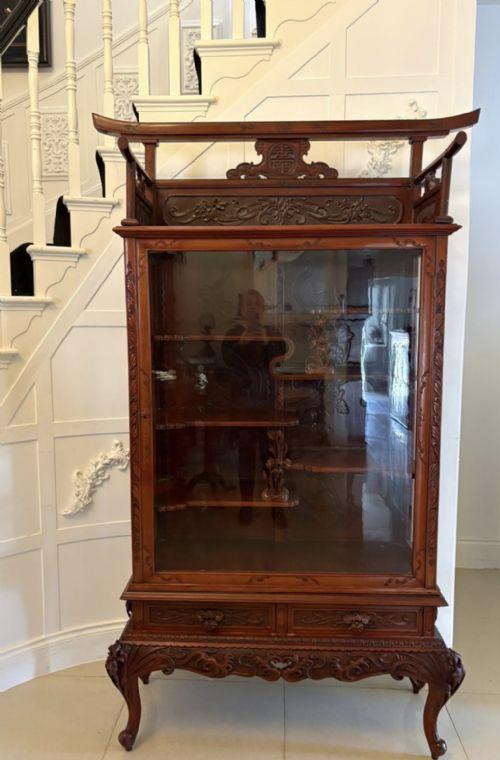
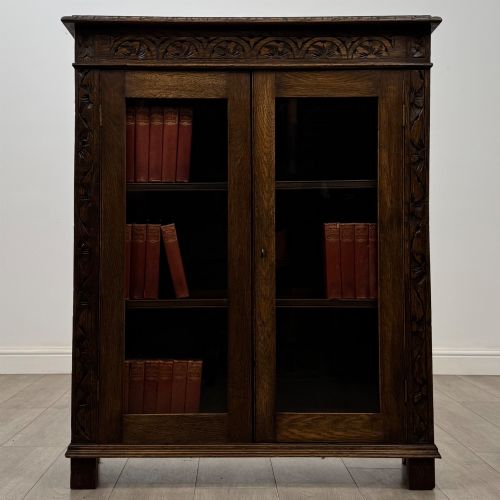
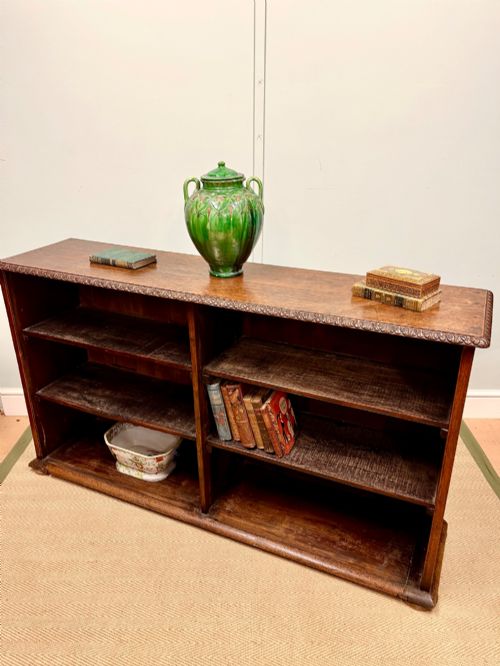
Carved Wooden Display Cabinet
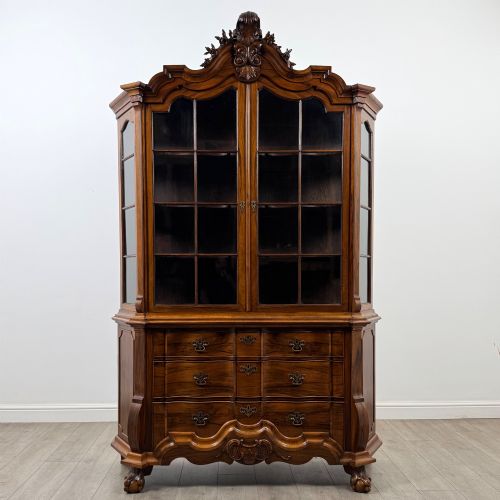
A carved wooden display cabinet holds precious objects behind glass, bringing history and craftsmanship straight into the living space.
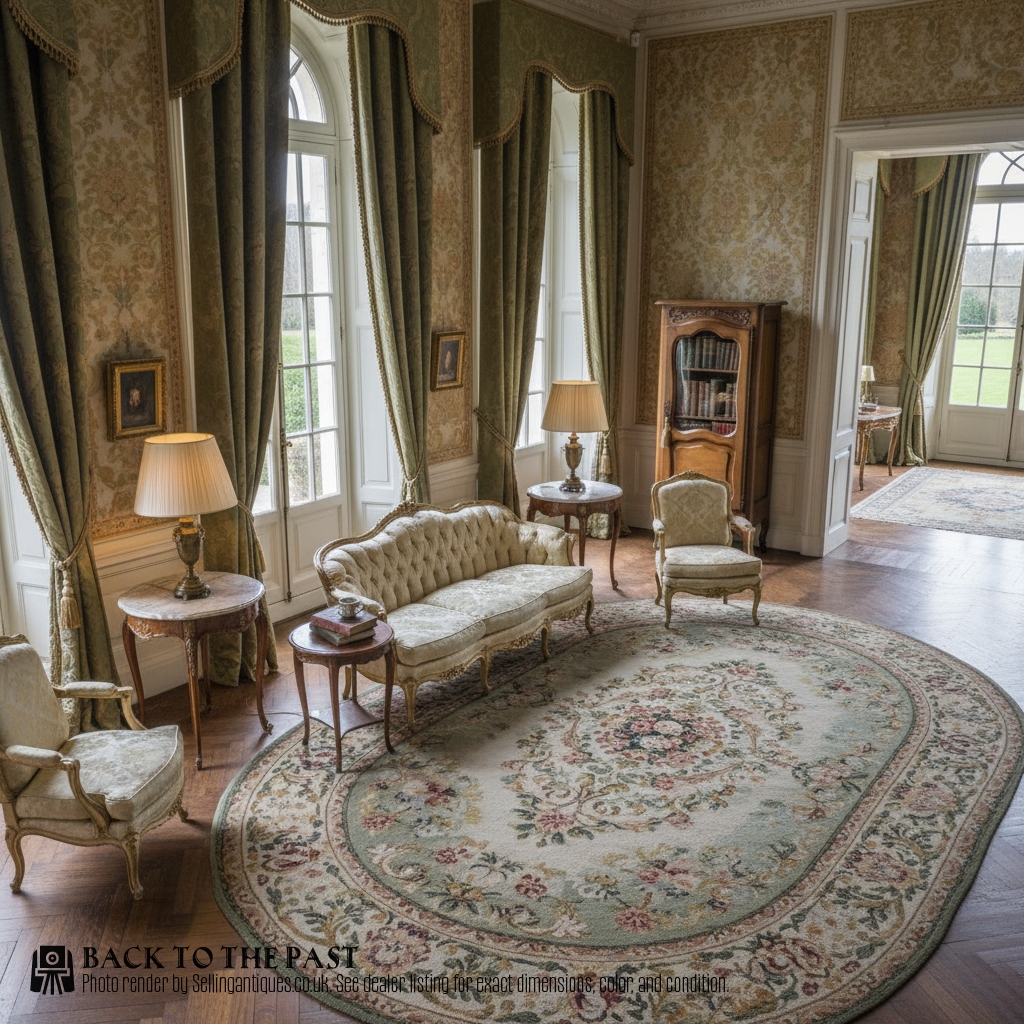
Carved Wooden Display Cabinet
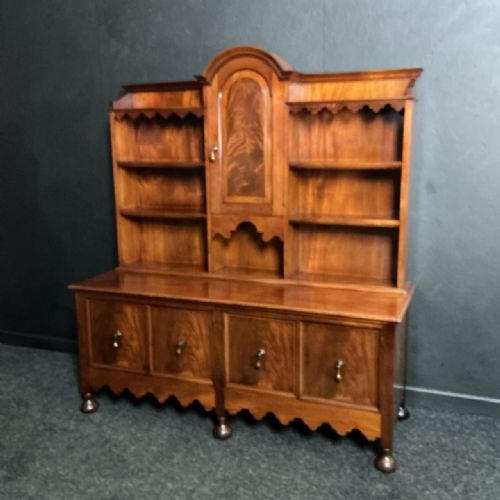
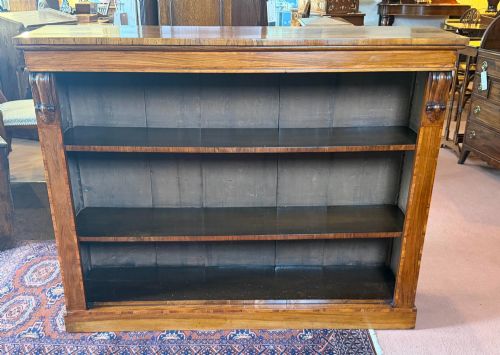
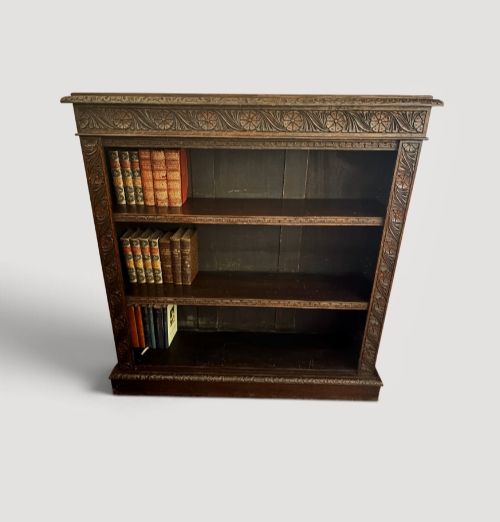
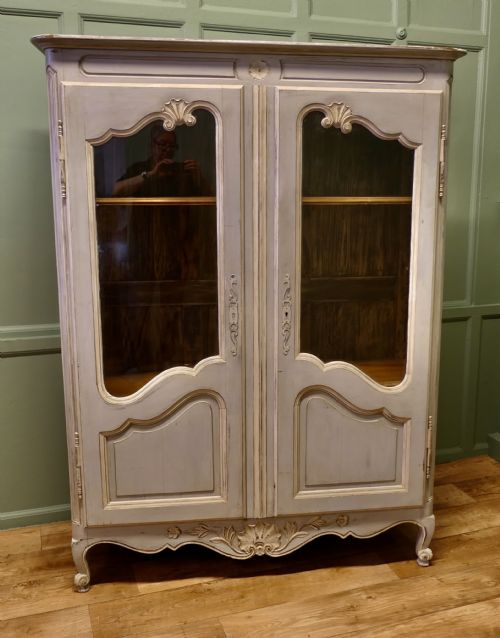
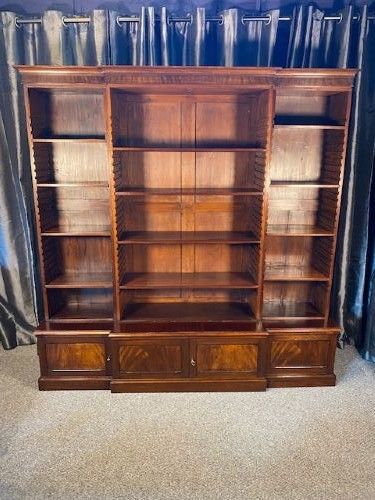
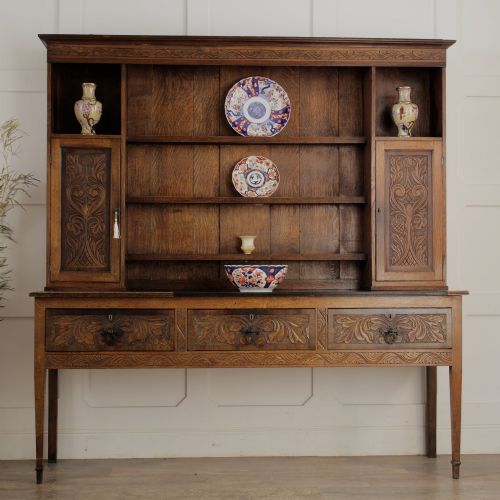
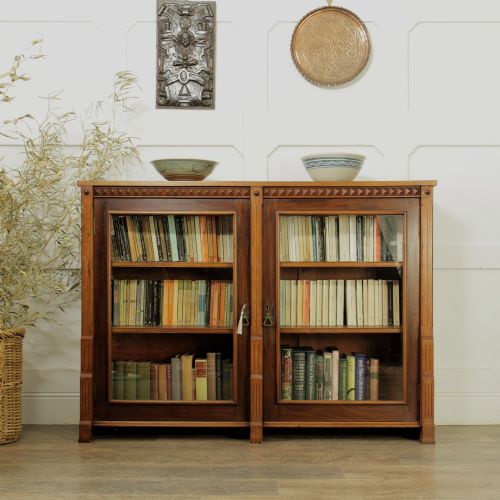
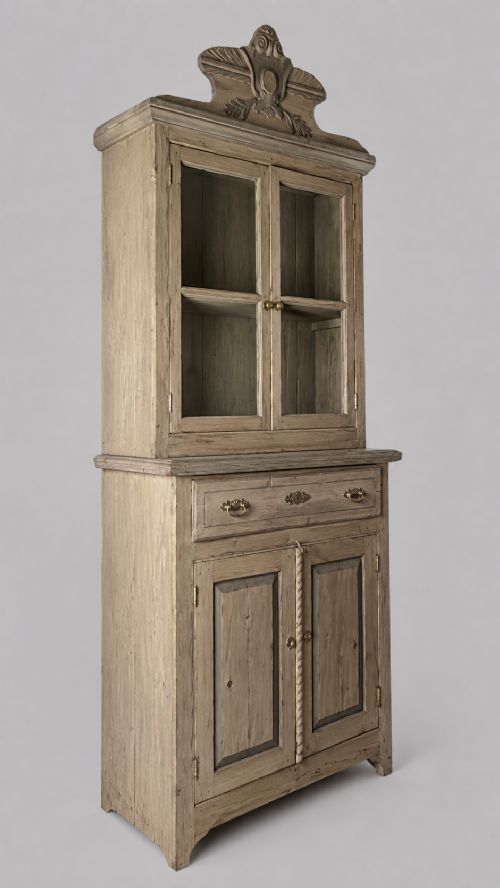
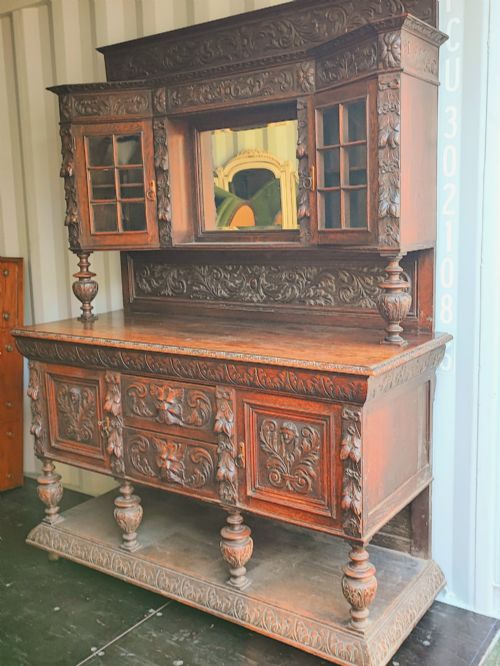
A carved wooden display cabinet is a storage piece designed to showcase items through glazed doors or open shelves, uniting utility with decorative carving. These items emerge from the nineteenth century, the Victorian era, and the Edwardian period, incorporating forms such as bookcases, dressers, sideboards, and vitrines.
Buyers will encounter various timber constructions, from robust oak and walnut to rich mahogany and exotic hardwoods like teak or amboyna. Styles range from restrained Georgian lines and English country designs to ornate Renaissance Revival and French Provincial interpretations.
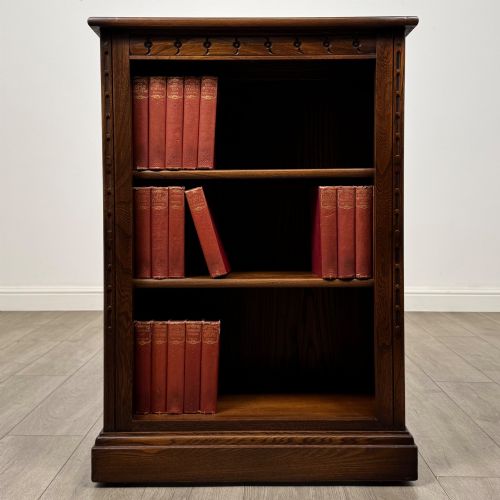
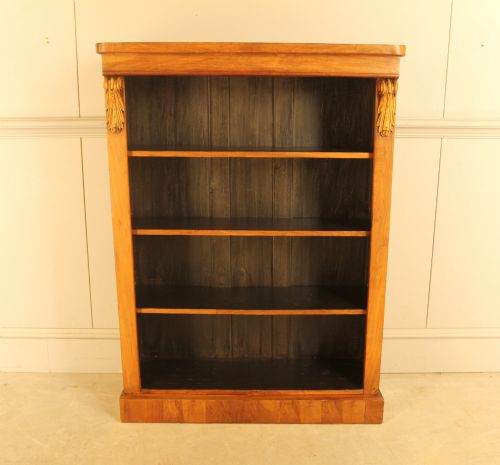
The primary forms include tall library bookcases, corner cupboards, and smaller tabletop or floor-standing cabinets. Each piece serves to organise and protect books or collectables whilst displaying detailed woodwork typical of its era.
Evaluating craftsmanship and condition
Quality rests in the precision of the joinery, the depth and sharpness of the hand carving, and the selection of timber figures. Superior examples display seamless door alignment, original glass, and sound structural integrity without excessive timber shrinkage.
The treatment of secondary woods inside drawers and the presence of original brass fixtures distinguish standard production from exhibition pieces. Surface patination and the preservation of original polish indicate how carefully a cabinet has been maintained over generations.
Cabinet makers sometimes hid small secret drawers behind carved mouldings, rewarding anyone thorough enough to explore the internal framing.
The Carved Wooden Display Cabinet Glossary
- Vitrine
- A glass-fronted cabinet designed specifically for the display of fine objects or porcelain. These pieces often feature glazed sides to maximise light exposure.
- Chiffonier
- A low sideboard or cabinet featuring a combination of drawers and enclosed shelving. It developed during the nineteenth century for use in reception rooms.
- Breakfront
- A large cabinet design where the central section projects forward from the flanking wings. This architectural arrangement creates depth and shadow across the façade.
- Etagere
- A set of open shelves for displaying ornaments, supported by slender uprights or columns. Originating in France, it prioritises display space over enclosed storage.
- Inlay
- A decorative technique where contrasting materials such as lighter wood or brass are set flush into the timber surface. It creates geometric or floral patterns across doors and friezes.
Carved Wooden Display Cabinet: Frequently Asked Questions
What is a carved wooden display cabinet?
A carved wooden display cabinet is a storage unit featuring glass panels or open shelving, combined with detailed woodwork. These pieces were built to house books and prized possessions while adding decorative presence to a room.
Examples span the nineteenth and early twentieth centuries, constructed in timbers such as oak, mahogany, and walnut across various regional styles.
How do I date a wooden display cabinet?
Dating relies on identifying timber choices, construction techniques, and stylistic markers specific to periods like the Victorian or Edwardian eras. Cabinet shapes and carving motifs often reflect the prevailing taste of the decade in which they were made.
Examining secondary woods, drawer construction methods, and hardware styles provides further clues to establish an approximate age.
Where should I place a display cabinet?
These cabinets suit dining rooms, living spaces, or studies where books and collections benefit from protection and visibility. Positioning them away from direct sunlight helps protect antique timbers and interior linings from fading.
Ensure the floor is level so that heavy glazed doors hang correctly and open without binding against the frame.
How do I care for antique wood?
Maintain antique timber by dusting regularly with a soft, dry cloth and avoiding silicone-based polishes. Keeping the cabinet away from extreme temperature shifts and radiators prevents the wood from drying out and splitting.
Occasional application of appropriate wax feeds the finish and preserves the natural lustre built up over decades of use.