


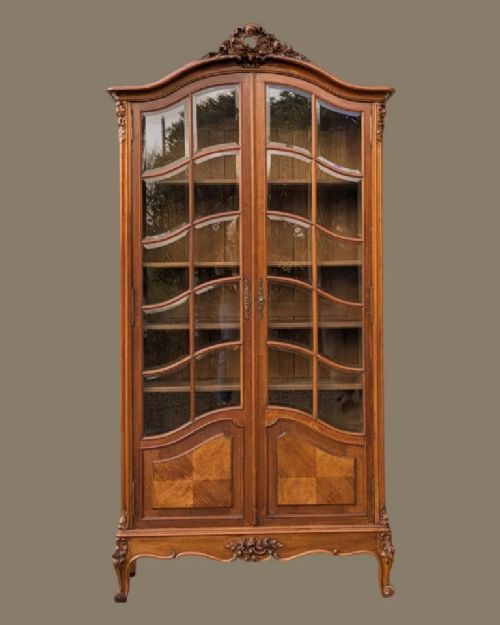
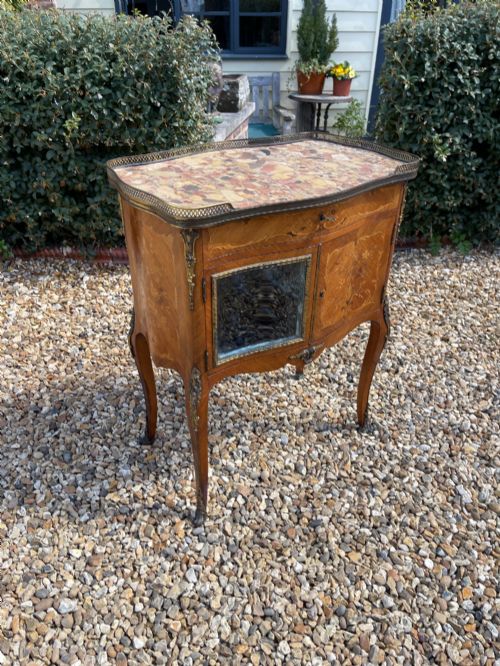


French Provincial Glazed Cabinet
A french provincial glazed cabinet brings rustic elegance and practical storage to a room, showcasing timber and glass.

French Provincial Glazed Cabinet
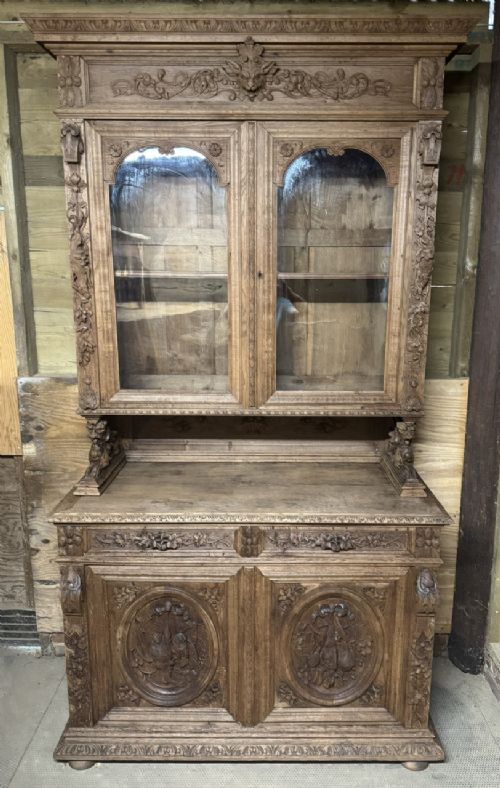
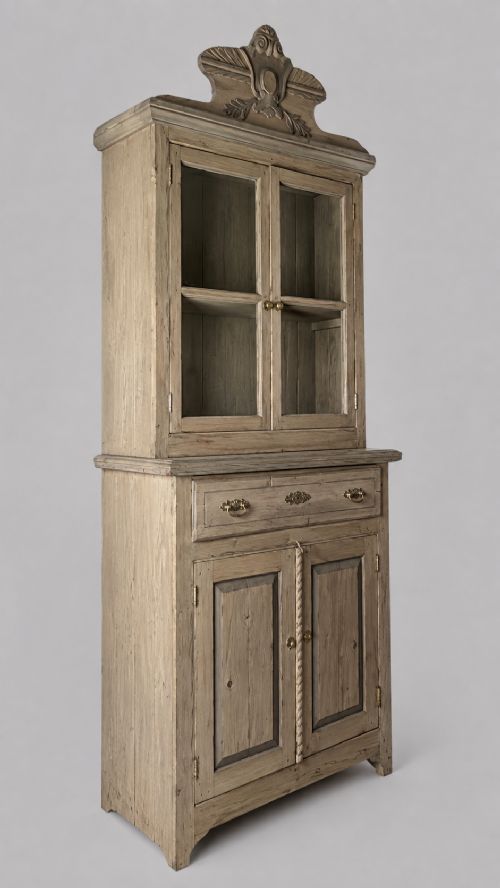
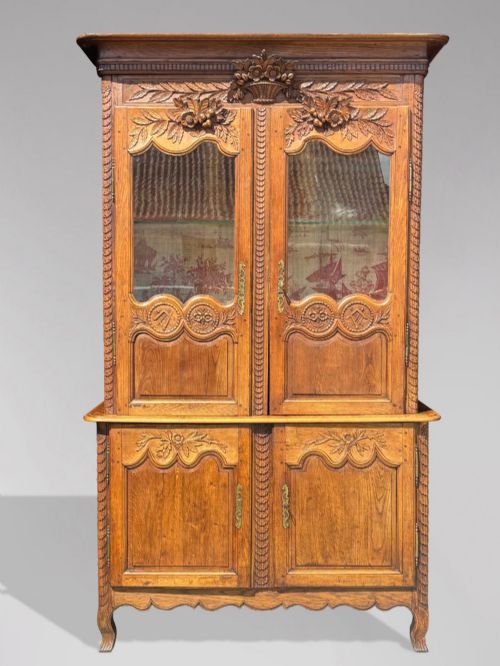
When you search for a french provincial glazed cabinet, you encounter versatile storage furniture originating from regional France, spanning multiple centuries from the eighteenth through the twentieth. These pieces appear in various forms including bookcases, display cabinets, glazed cupboards, and two-part buffet deux corps designs.
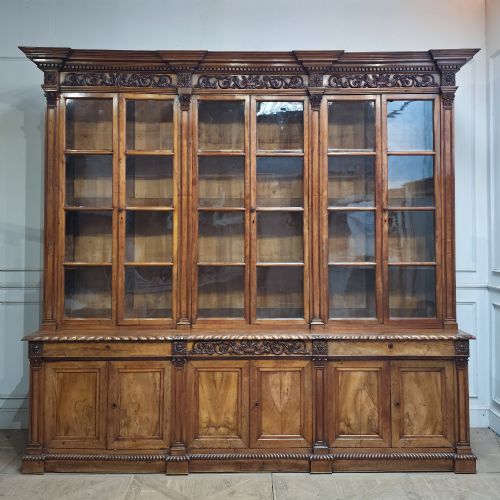
The selections on this page are dominated by nineteenth century and eighteenth century examples, alongside pieces from the late nineteenth century and early twentieth century. Common formats range from compact single door vitrines and concave glass bookcases to large library bookcases and kitchen dressers.
Structural variations include oak and walnut timbers, painted wood surfaces, and occasional marble tops. Styles heavily reflect French Rococo, Louis XV Revival, and French Chateau influences, bringing provincial character into domestic spaces.
Materials and Construction Techniques
Cabinet makers utilised durable regional hardwoods such as oak and walnut, often figuring the grain for visual depth on primary surfaces. Painted wood finishes also appear frequently, ranging from muted antique tones to distressed or cream-painted treatments.
Glazing takes the form of fitted glass panels within timber doors, sometimes featuring concave glass or detailed framework. Additional detailing includes brass hardware, iron elements, and marble tops set onto the upper or lower sections of cabinets and commodes.
French Provincial Glazed Cabinet Retail Price Guide 2026
Typical asking prices for french provincial glazed cabinet among the pieces listed under this phrase on Sellingantiques today, from the lower quarter to the upper quarter. They describe what is for sale here now, not the wider market.
One display cabinet bears later hand-signwritten text celebrating the Rhone valley vineyards of Chateauneuf-du-Pape.
Factors That Separate the Finest Examples
Quality rests heavily on the choice of timber and the sophistication of the joinery, with finely figured walnut and substantial, well-seasoned oak representing the upper tier of construction. The crispness of carved details in styles such as Louis XV Revival further distinguishes superior pieces from standard provincial workshops.
The integration of original glass panes, functional adjustable shelving mechanisms, and authentic period hardware elevate a piece. Structural integrity across large multi-part forms like buffet deux corps units determines the lasting merit of the cabinet.
The French Provincial Glazed Cabinet Glossary
- Vitrine
- A glass-fronted display cabinet designed specifically for showing porcelain, books, or curiosities. These pieces often feature glazed doors on the upper section and enclosed storage below.
- Buffet deux corps
- A substantial two-part cupboard featuring a large upper cabinet stacked securely upon a deeper lower base. This architectural form provides extensive storage for provincial dining rooms and kitchens.
- Louis XV Revival
- A nineteenth-century design movement resurrecting the flowing asymmetrical curves and naturalistic motifs of the mid-eighteenth-century French court. Cabinets in this style display restrained provincial interpretations of Rococo carving.
- Breakfront
- A piece of furniture where the central section projects forward from the flanking outer sections. This architectural arrangement creates depth and visual rhythm across large library bookcases and credenzas.
- Armoire
- A tall cupboard traditionally used for storing garments, adapted in some regional contexts with glass doors to serve as a display piece. These tall vertical structures anchor the proportions of a room.
French Provincial Glazed Cabinet: Frequently Asked Questions
How do I clean a painted wooden cabinet?
Dust surfaces regularly with a soft, dry cloth to prevent the accumulation of grit on aged painted finishes. Avoid abrasive cleaners or excess moisture, which can degrade antique paint and vulnerable wood.
For stubborn marks, use a slightly damp cloth with mild soap, drying the area immediately afterwards. Test any cleaning method on a hidden spot first to protect the original patina.
Are the shelves adjustable inside these cabinets?
Many regional glazed cupboards and bookcases feature adjustable shelving to accommodate volumes of varying heights or display items. The mechanism typically relies on traditional wooden tooth racks or side channels.
Earlier examples may contain fixed shelving dictated by the structural requirements of the timber carcass. Check individual listings to confirm whether shelves can be moved.
Where should I place a large library bookcase?
Position these substantial pieces against a sturdy interior wall away from direct sunlight and strong heat sources. Protecting timber and glass from extreme temperature fluctuations preserves the stability of the wood.
Ensure adequate floor clearance and check ceiling heights before introducing multi-part units like buffet deux corps cabinets into a room. Balanced placement allows the proportions of the furniture to read correctly.
How do I distinguish eighteenth-century oak from later revivals?
Eighteenth-century examples typically show hand-cut joinery marks, peg construction, and deep patination acquired through centuries of use. Timber shrinkage and subtle hand-planing irregularities confirm the age of the carcass.
Nineteenth-century revival pieces often utilise machine-sawn elements alongside historical revival styling such as Louis XV motifs. Comparing hardware fixings and interior construction methods helps clarify the period of manufacture.