

French Carved Oak Cupboard
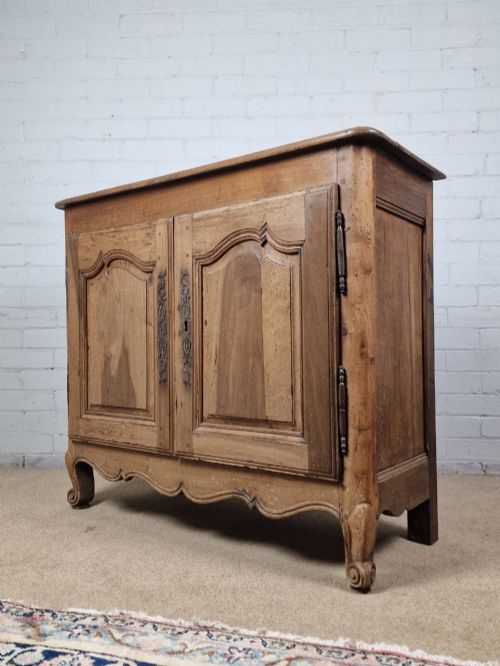
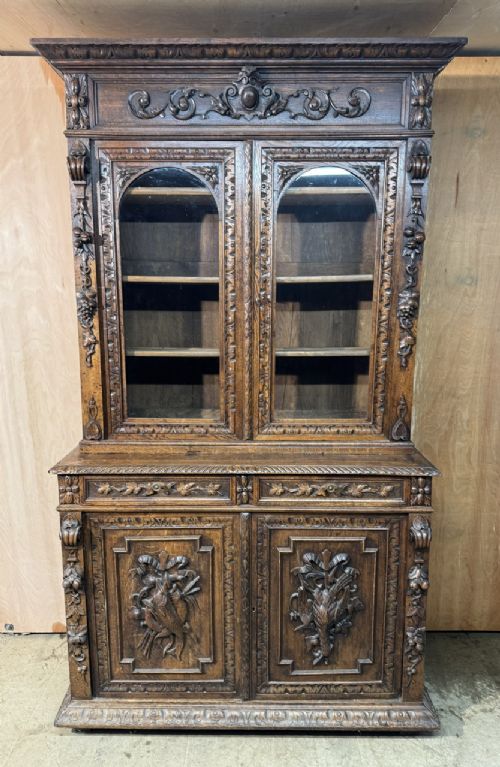
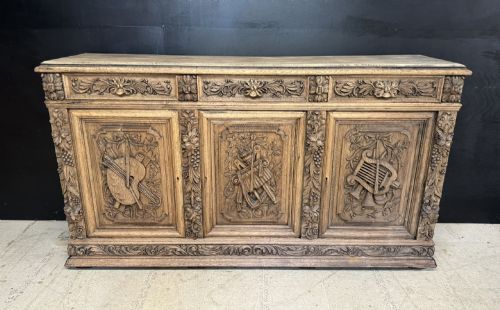
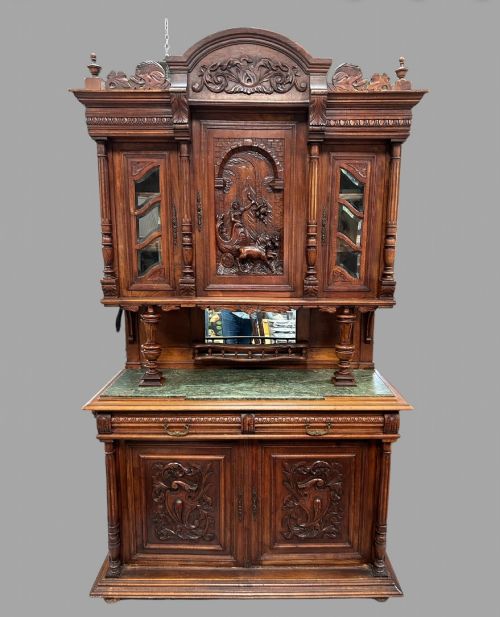
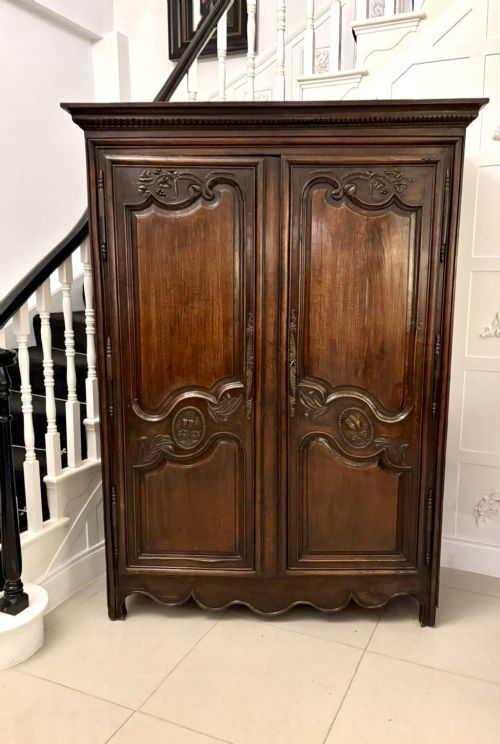
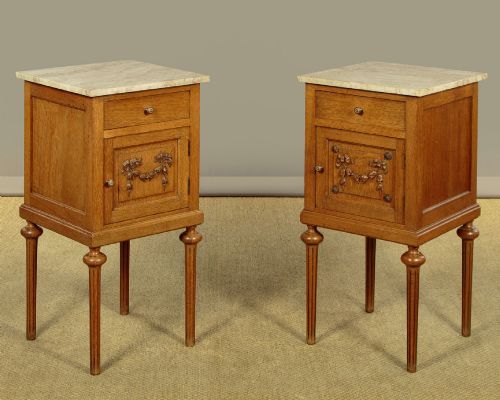
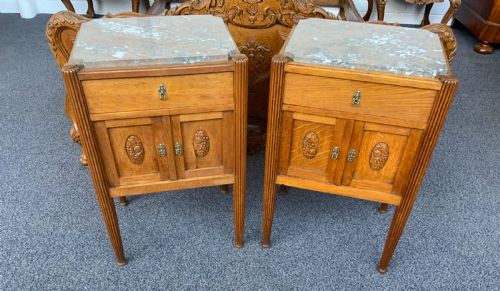
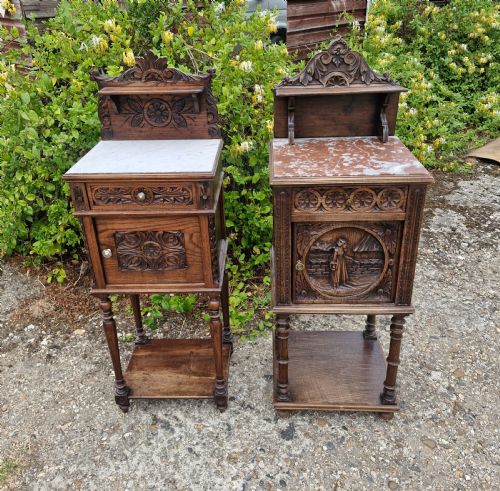
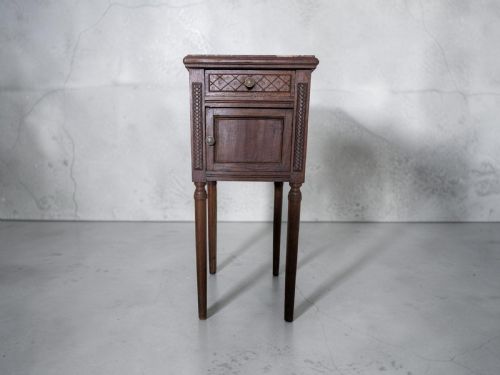
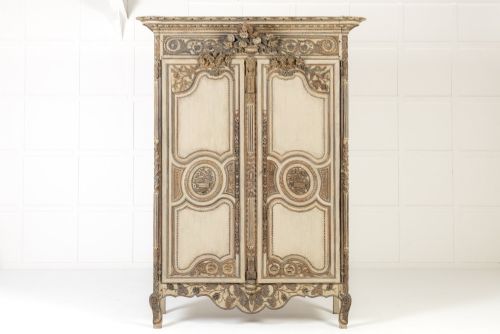
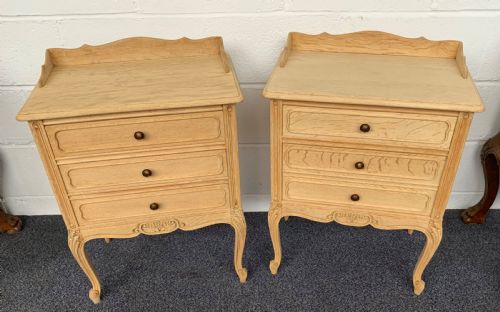
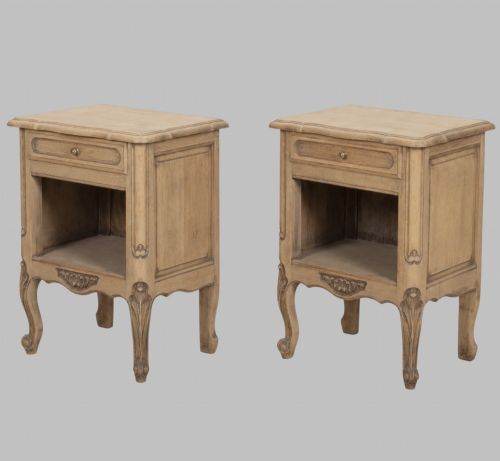
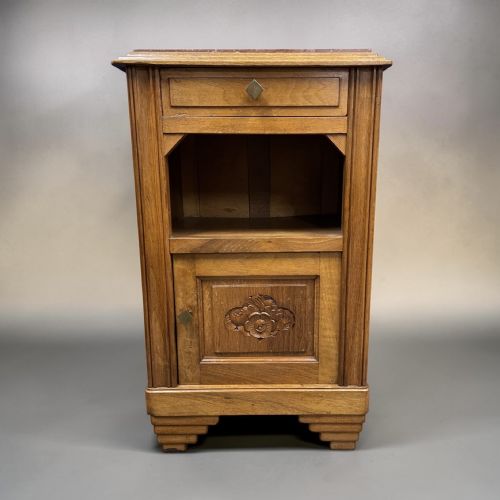
These pieces of french carved oak cupboard range from intimate bedside cabinets to towering provincial armoires.

French Carved Oak Cupboard
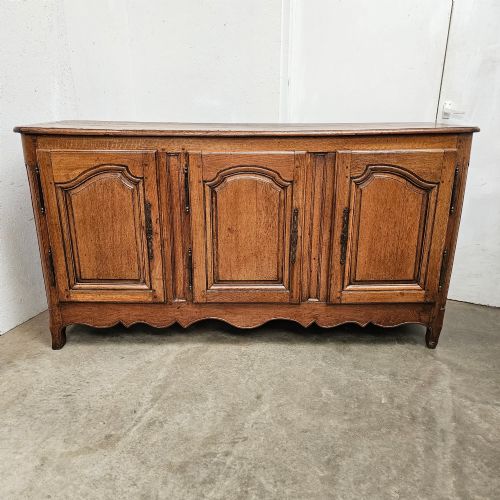
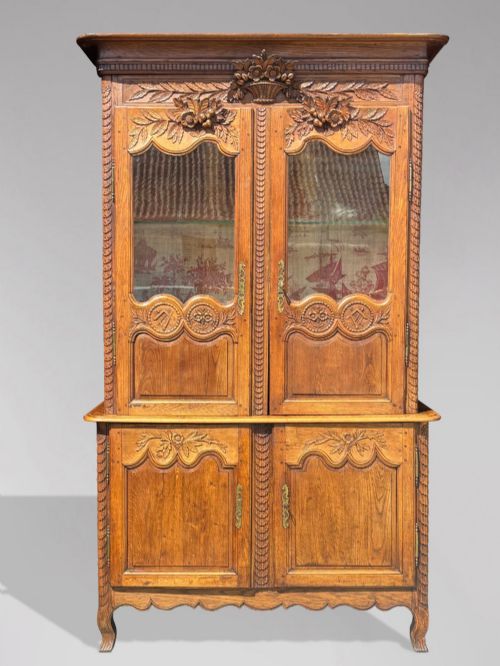
A french carved oak cupboard encompasses robust items built for storage, spanning compact bedside tables to massive buffets deux corps originating from provincial workshops.
The selections here heavily feature pieces from the eighteenth and nineteenth centuries, alongside regional variations from periods like the Renaissance Revival and Art Deco.
Buyers encounter everything from single-door bonnetieres and game cupboards to low dresser bases and tall housekeeper's cupboards fashioned from solid timber.
Judging the Workmanship
Quality rests upon the crispness of the hand-carved relief work and the structural integrity of the joints, where pegged mortise and tenon construction indicates older provincial craft.
The weight and selection of the oak timber, alongside original hardware such as working iron locks and hinges, distinguish finer vernacular pieces from simpler utility builds.
Listings incorporate regional oak pieces spanning the sixteenth to the twentieth century, alongside decorative styles such as Gothic Revival and Art Deco.
The French Carved Oak Cupboard Glossary
- Buffet deux corps
- A large two-part cupboard or sideboard featuring a smaller upper section set back upon a deeper base.
- Armoire
- A tall wardrobe or standing cupboard traditionally utilised for hanging garments or storing linens.
- Enfilade
- A long sideboard or buffet fitted with multiple doors, designed to stand against a principal wall.
- Bonnetiere
- A tall, narrow single-door cupboard originally built to store headwear.
- Credence
- A medieval or revival style sideboard or small cupboard used for displaying plate or serving food.
French Carved Oak Cupboard: Frequently Asked Questions
What rooms suit a large french carved oak cupboard?
These substantial pieces demand adequate wall space and ceiling height, making them well-suited to spacious dining rooms, kitchens, or large hallways where their storage capacity can be utilised.
Smaller iterations, such as bedside cabinets or night tables, adapt easily to domestic bedrooms as standalone side furniture.
How do I identify the period of a carved oak cupboard?
Dating relies heavily on construction methods, timber patination, and stylistic ornament, distinguishing seventeenth-century provincial pieces from later nineteenth-century revival interpretations.
Examination of interior boards, rear fixings, and tool marks often reveals whether a piece belongs to an eighteenth-century workshop or a later period.
Are these cupboards made of solid oak?
Traditional examples employ solid native oak throughout their frames, panel doors, and internal shelving, reflecting regional French carpentry standards.
Later nineteenth-century and early twentieth-century variations occasionally incorporate secondary timbers or modified elements from older furniture fronts.
How do I care for antique oak furniture?
Maintenance involves keeping the timber away from direct heat sources and sudden temperature shifts to prevent the wood from splitting or warping.
Regular applications of appropriate wax help nourish the dry oak surface and preserve the natural patination built up over centuries.