
Carved Oak Glazed Cabinet
A carved oak glazed cabinet brings together visible timber grain and glass protection, offering both storage and display for books or objects.

Carved Oak Glazed Cabinet
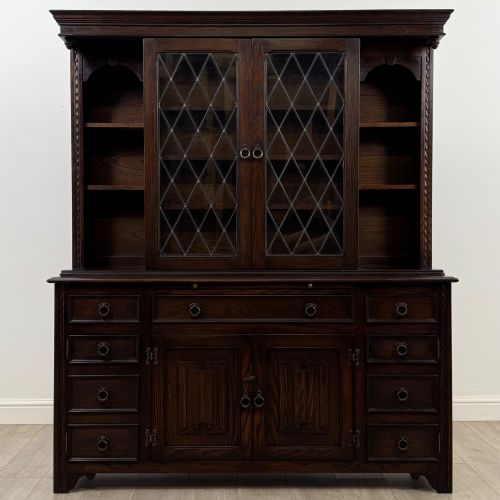
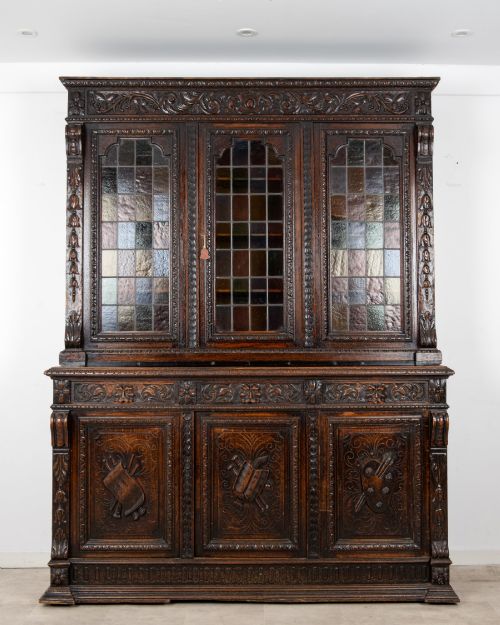
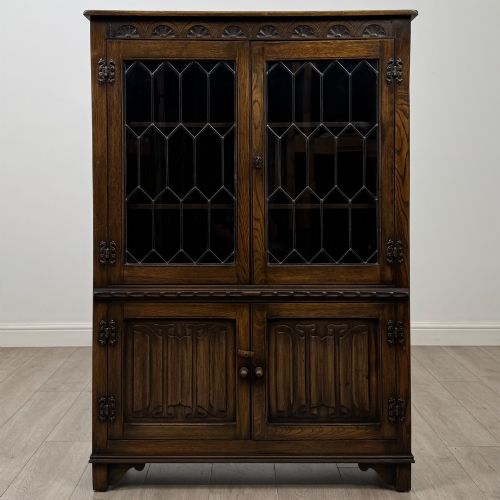
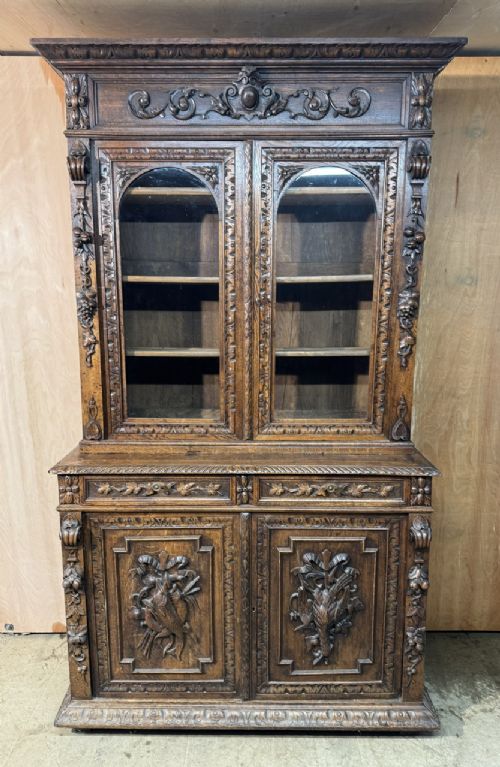
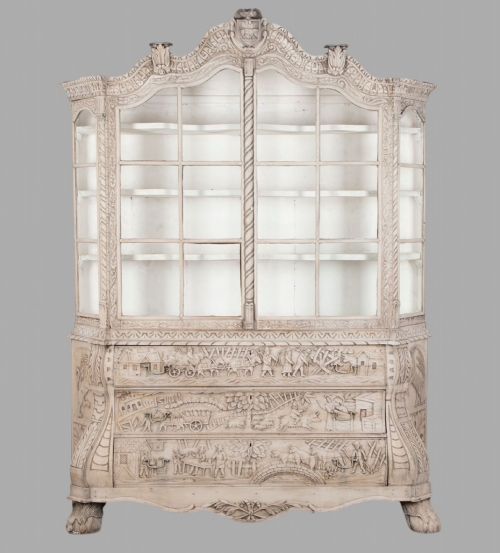
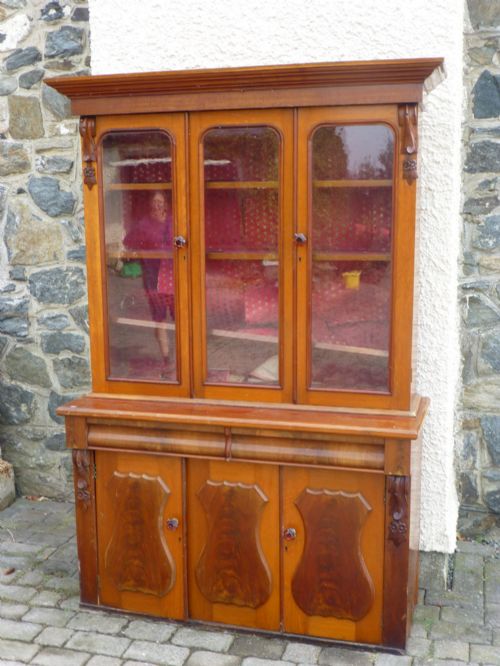
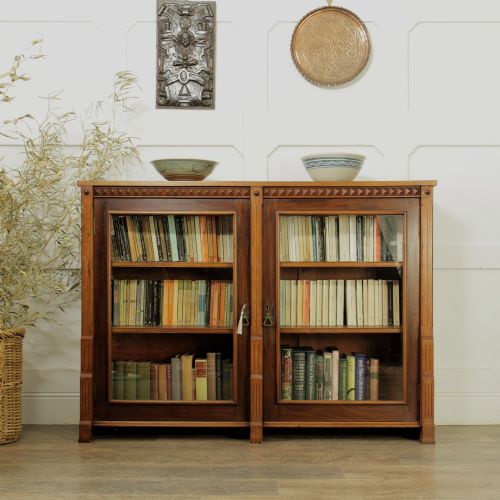
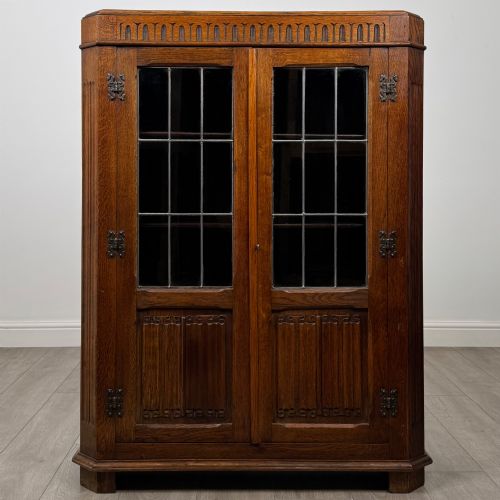
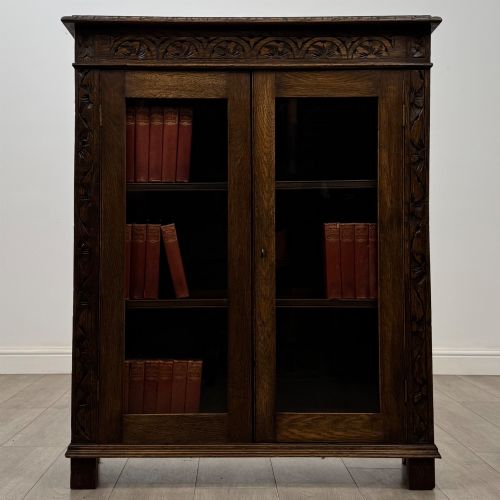
A carved oak glazed cabinet is a functional piece designed to house books, ceramics, or collectibles behind glass doors while displaying timber surfaces carved in styles such as Jacobean Revival, Gothic Revival, and Arts and Crafts. These items appear across multiple periods, with strong representation from the Victorian and Edwardian eras alongside 18th-century examples.
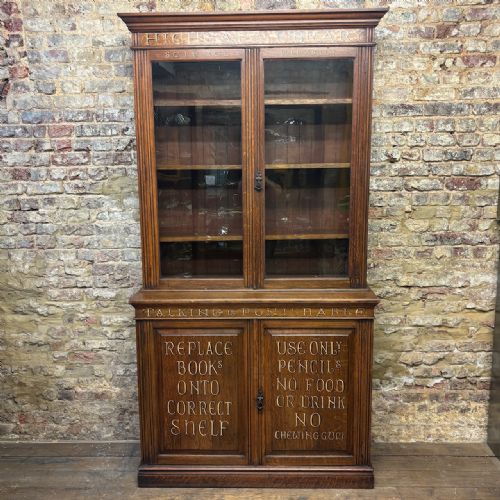
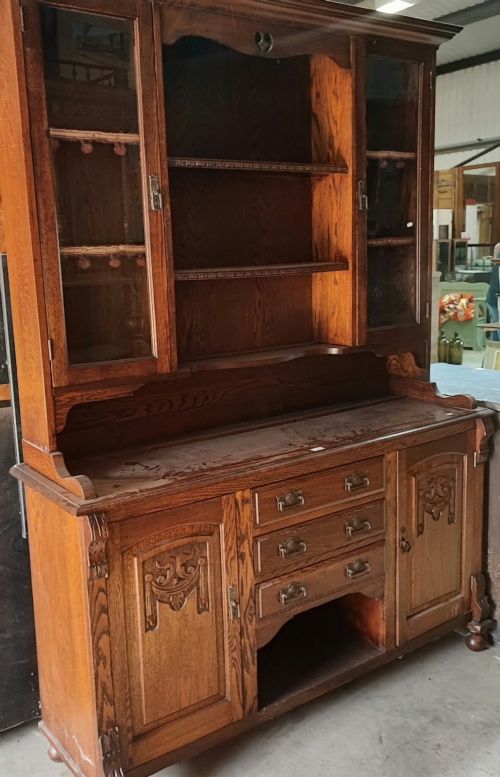
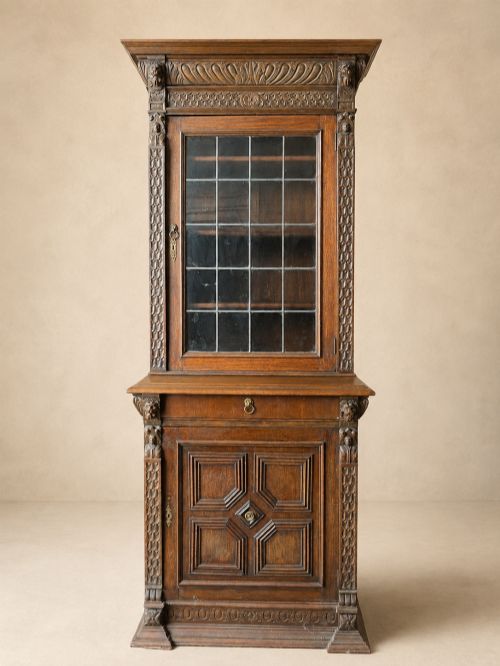
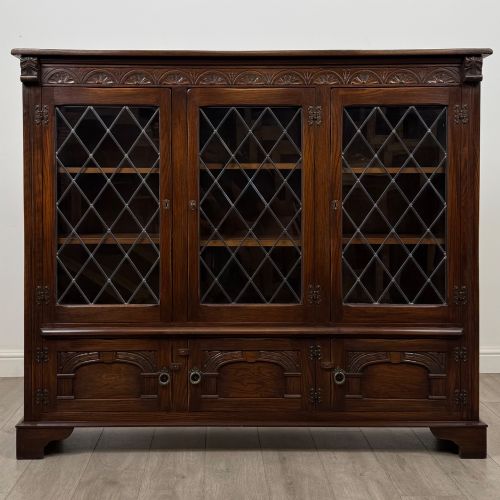
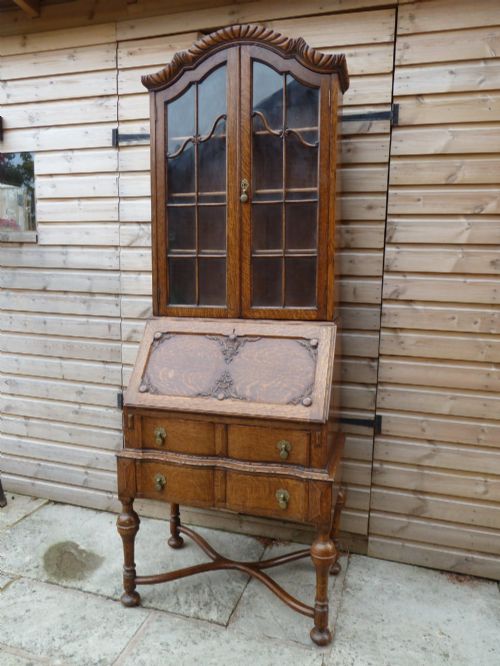
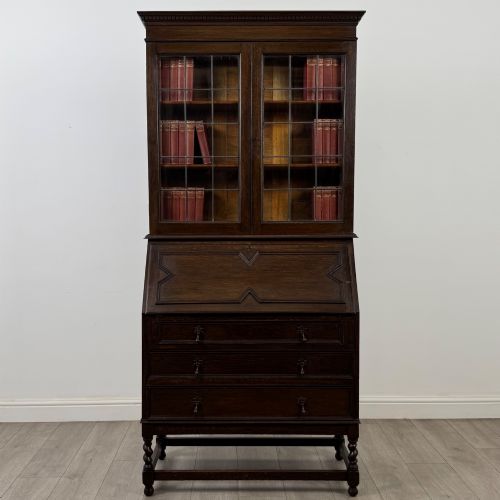
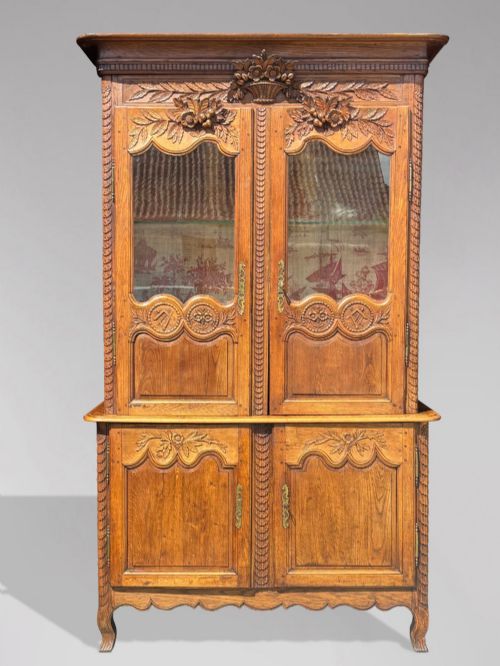
Buyers encounter various forms ranging from slim bookcases and corner cabinets to bureau bookcases, dressers, and monumental library bookcases. The primary timber used is oak, occasionally found in pollard oak variants, paired with clear or stained glass panels.
Origins span British workshops as well as French, Dutch, and Italian makers, reflecting regional preferences in carving depth and structural proportion. The combination of enclosed lower storage and upper glazed shelving defines the core utility of these pieces across domestic and institutional settings.
How they were made
Construction relies heavily on solid oak and pollard oak timber, selected for durability and figured grain patterns, assembled with traditional joinery methods suited to heavy library and display furniture. Panels and frames are jointed to accommodate natural wood movement over time.
Glazing incorporates glass held by timber bars or lead cames, occasionally complemented by brass panels, metal fittings, and fabric linings within the display compartments. Carved details are worked directly into the oak substrate, utilising relief, linenfold, or geometric motifs characteristic of revival styles.
Some library bookcases carry the atmospheric scars of active study, housing generations of silent book dust behind their leaded panes.
What varies in quality
Quality differences emerge in the crispness and depth of the timber carving, where hand-tooled details demonstrate greater precision than mechanical or shallow execution. The selection of the oak itself, particularly figured grain or pollard variations, distinguishes standard utility pieces from higher-status commissions.
Structural integrity and proportion determine standard as well, seen in the balance of breakfront cornices, the weight of doors, and the integration of secondary materials like brass hardware and leaded glass. Cabinet-making standards are further evident in the smooth operation of drawers, secretaire drops, and tightly fitted glazed doors.
The Carved Oak Glazed Cabinet Glossary
- Pollard oak
- Oak timber taken from pollarded trees, noted for its dense, clustered knot patterns and highly decorative grain. It appears on select Victorian library furniture.
- Linenfold
- A style of wood carving that mimics folded fabric, commonly seen on panels of Edwardian cabinets. This motif originates in late medieval carpentry.
- Breakfront
- A piece of furniture whose central section projects forward from the flanking sections. This architectural arrangement creates depth in large bookcases and sideboards.
- Vitrine
- A glass-sided display cabinet used primarily for showing porcelain and small objects. The term derives from the French word for glass.
- Bureau bookcase
- A combination form featuring a sloping writing flap above shelving or enclosed storage. These pieces integrate desk space with upper glazed display sections.
Carved Oak Glazed Cabinet: Frequently Asked Questions
What is a carved oak glazed cabinet used for?
These cabinets serve as functional storage and display units for libraries, dining rooms, and studies. The upper glazed sections protect books and collections from dust while keeping them visible.
The lower cupboards or drawers provide enclosed storage for items requiring discretion. Together, they combine utility with architectural presence in domestic interiors.
How do I identify Victorian examples?
Victorian pieces often feature dense carving, dark finishes, and substantial proportions typical of 19th-century revival styles. Details such as Gothic arches, heavy cornices, and monumental scale point toward this era.
Matching the construction methods and hardware to mid or late 19th-century standards helps confirm the period. Documentation or maker signatures within the cabinetry also aid identification.
Where should I place one at home?
Position these cabinets in rooms with stable ambient temperatures and away from direct sunlight to protect the oak timber and glass. Libraries, living rooms, and large dining spaces accommodate their visual weight effectively.
Ensure adequate floor clearance for doors that swing outward or slide, depending on the specific cabinet configuration. Wall anchoring may be necessary for taller or top-heavy library pieces.
What distinguishes Edwardian styles?
Edwardian cabinets frequently show lighter oak tones and influences from the Arts and Crafts movement or Jacobean Revival. Carvings tend to be cleaner, with geometric patterns or simpler linenfold motifs rather than heavy Victorian ornamentation.
Proportions are often tailored for smaller domestic spaces compared to earlier monumental library bookcases. Glazing bars and brass hardware reflect early 20th-century design preferences.