
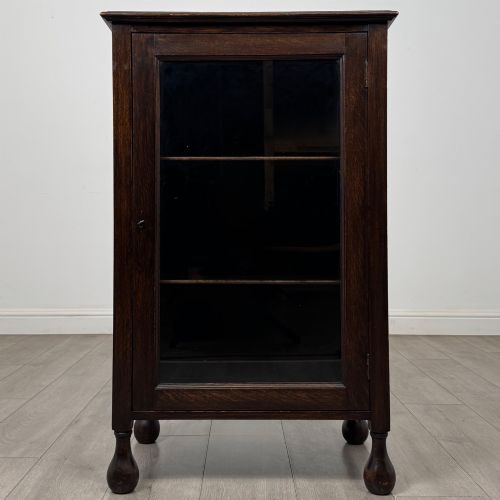
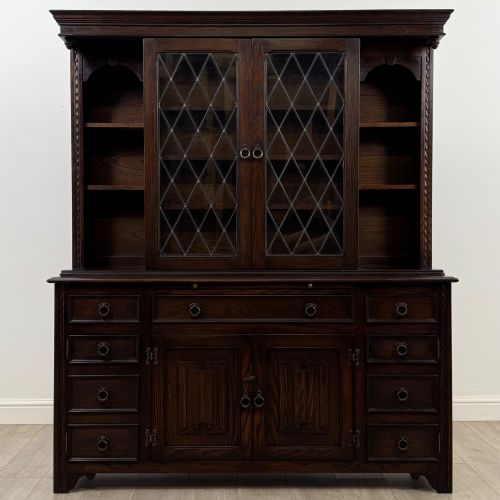
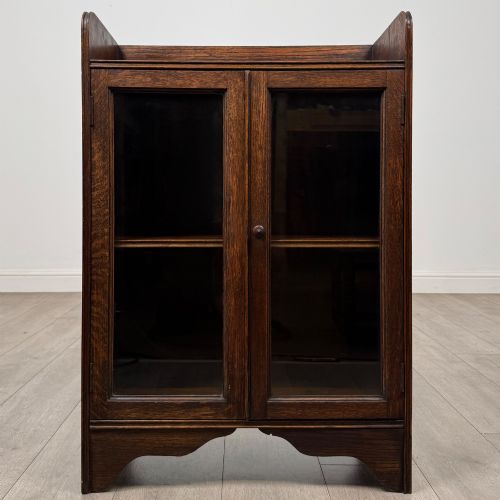
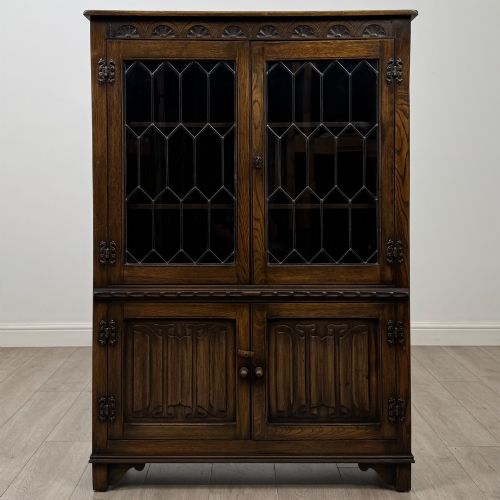
Glazed Oak China Cabinet
A glazed oak china cabinet brings together practical timber storage and visible display, offering a sturdy home for ceramics across various historic periods.
Glazed Oak China Cabinet
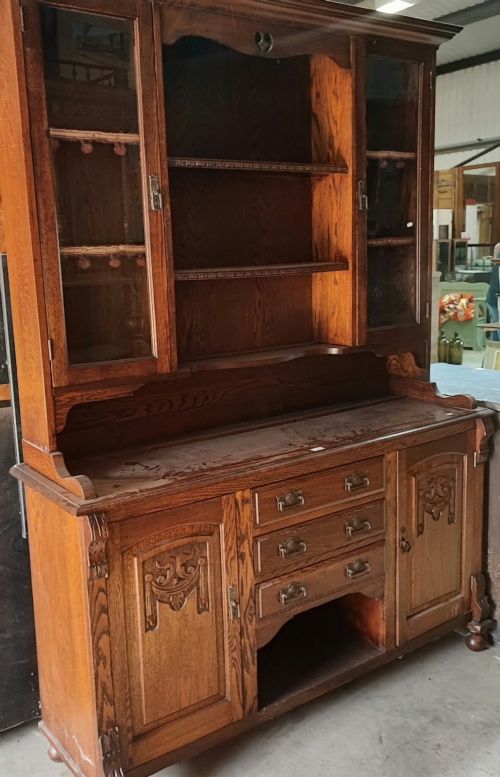
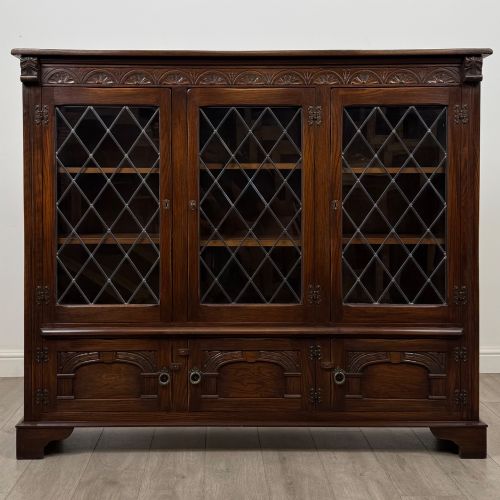
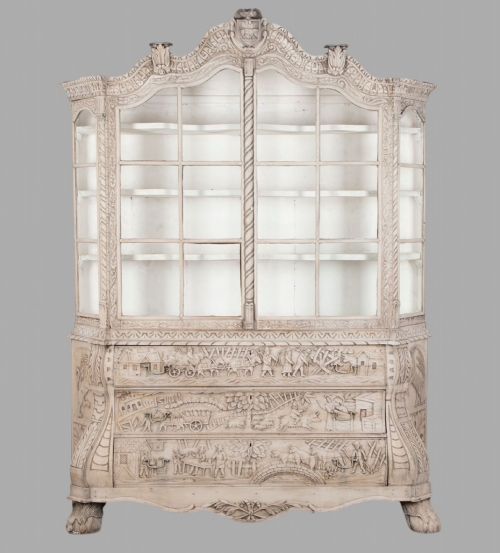
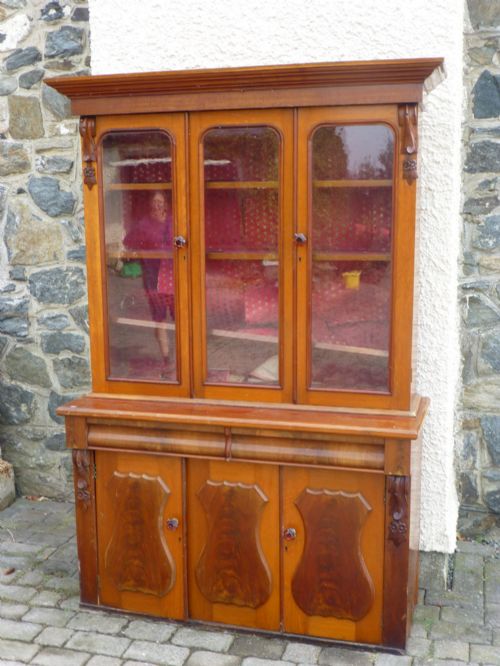
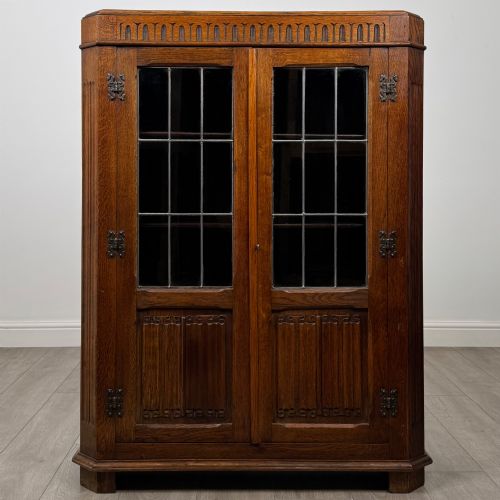
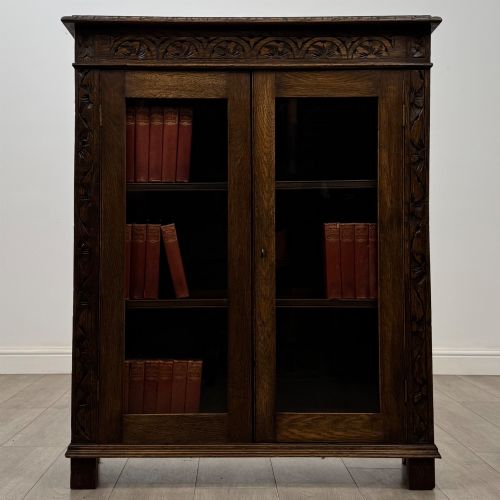
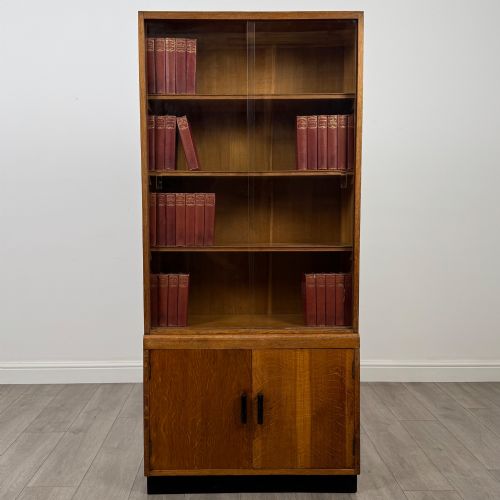
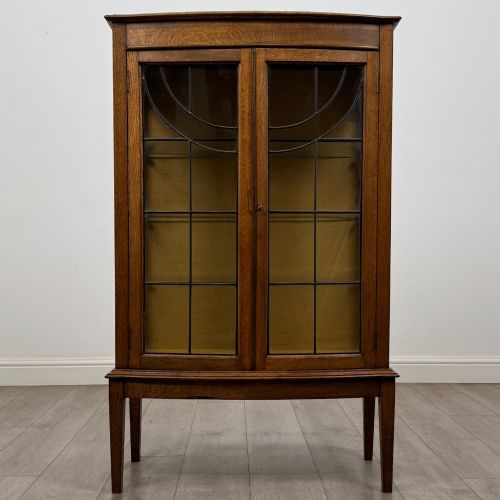
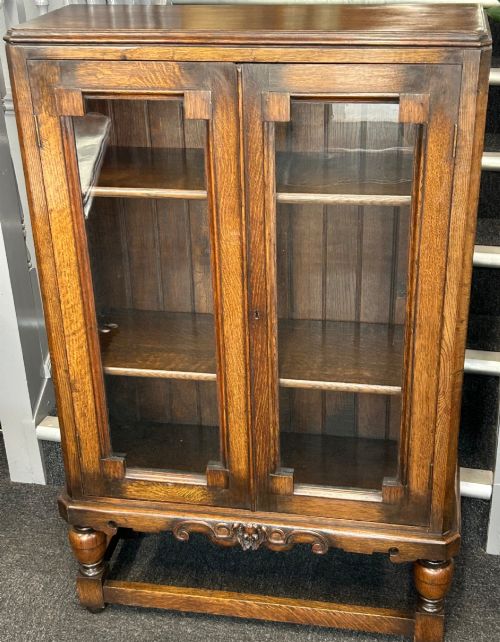
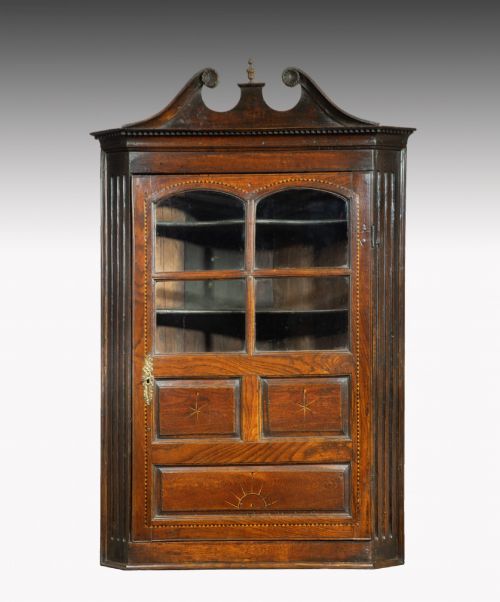
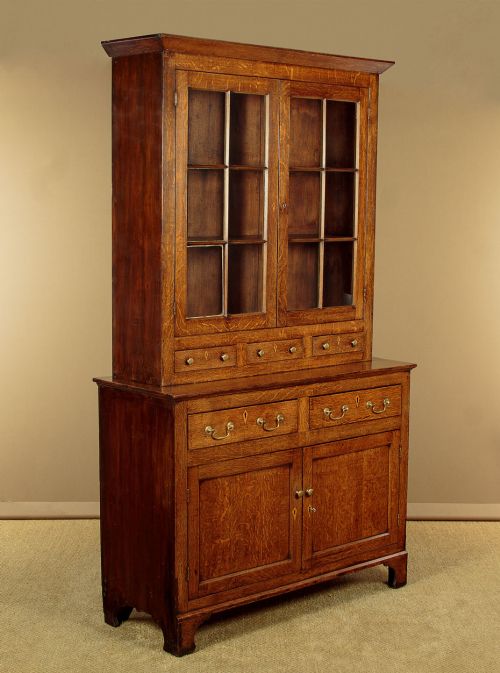
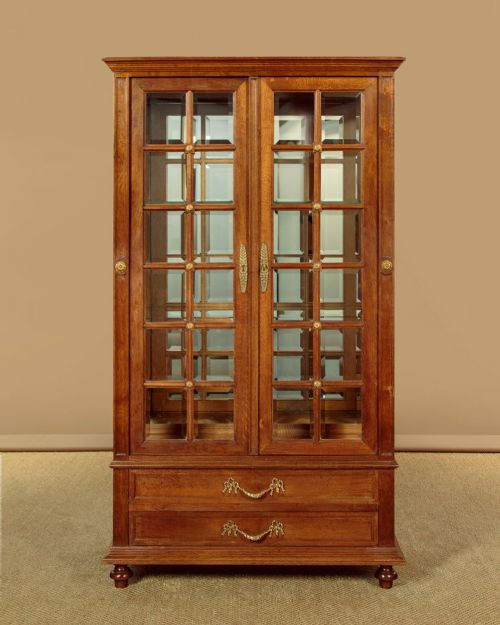
A glazed oak china cabinet combines timber construction with glass viewing panels, designed to protect and display household ceramics. Pieces appearing for this search span the 18th century, Victorian, Edwardian, and 1920 periods, taking forms such as corner cupboards, bookcases, dressers, and vitrines.
Edwardian examples and 1920 pieces emerge frequently in this selection, often rendered in solid or tiger oak. Alongside these, earlier Georgian and 19th-century variants present substantial storage capacities through lower cupboards paired with upper display shelving.
How they were made
Makers built these cabinets primarily using solid oak, frequently incorporating glass panes within doors to showcase contents while shielding them from dust. Additional materials such as brass fittings, iron hardware, and lead cames provide structural support and decorative contrast to the timber.
Carving techniques, linenfold panelling, and gilt mounts appear across various styles like Jacobean Revival, Art Deco, and Edwardian. Joinery methods range from traditional pegged mortise and tenon joints in earlier pieces to machine-assisted construction in later 20th-century examples.
Listings feature oak combined with glass, brass, lead, iron, and fabric across Edwardian, Victorian, and 18th-century periods.
What varies in quality
Construction methods and timber selection set individual pieces apart, with dense tiger oak or finely figured grain commanding greater attention. The crispness of hand-carved detailing and the depth of moulded cornices distinguish finer workshop output from simpler utilitarian furniture.
Hardware integrity and the clarity of the original glass panels also influence overall standard. Cabinets retaining matching brass hinges, working locks, and undamaged leaded or clear glazing represent higher craftsmanship within any given period.
The Glazed Oak China Cabinet Glossary
- Glazing bar
- A narrow wooden or metal strip that holds individual panes of glass within a sash. These bars divide larger window or door areas into smaller geometric compartments.
- Breakfront
- A piece of furniture featuring a central section that projects forward from the flanking wings. This architectural arrangement creates depth and visual rhythm on large cabinets and bookcases.
- Linenfold
- A style of relief carving used on wooden panels to imitate folded fabric or parchment. It is frequently encountered on Tudor Revival and Edwardian panels.
- Bombe
- A swelling, convex curved shape found on the front and sides of certain cabinet furniture. Originating in continental design, it requires advanced woodworking skill to execute properly.
- Vitrine
- A glass-sided cabinet specifically designed for displaying fine objects and porcelain. The term derives from the French word for glass.
Glazed Oak China Cabinet: Frequently Asked Questions
What periods do these cabinets represent?
The selection spans multiple centuries, reaching from the 18th century and Georgian era through Victorian, Edwardian, and into the 1920 and 1930 decades. Each era brings distinct proportions and decorative vocabulary to the timber frames.
Earlier pieces often display simple regional joinery or Georgian formality, whereas Edwardian and later examples frequently adopt revivalist motifs or cleaner Arts and Crafts lines.
How were these cabinets originally used?
Households utilised these pieces to store and exhibit prized tableware, glassware, and decorative ceramics. The glass doors kept dust away from delicate porcelain while allowing guests to admire the collection.
Lower cupboards or drawer bases provided hidden storage for linens and heavier dining items not intended for public view.
Where should I place a large cabinet?
These tall pieces require stable wall space and adequate clearance for opening doors, particularly models with wide cornices or projecting bases. Dining rooms and living spaces provide traditional settings where they can anchor the room.
Placing timber furniture away from direct heat sources and strong sunlight protects the oak grain and prevents finish degradation.
How do I care for antique oak?
Regular dusting with a soft, dry cloth removes surface particles without harming the vintage polish. Avoiding silicone-based polishes preserves the natural timber finish over decades of use.
Maintaining stable room humidity prevents the solid oak from expanding or contracting excessively, protecting both the wood joints and the fitted glass.