

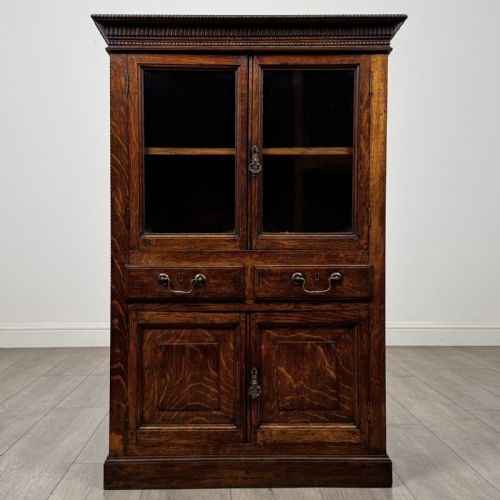
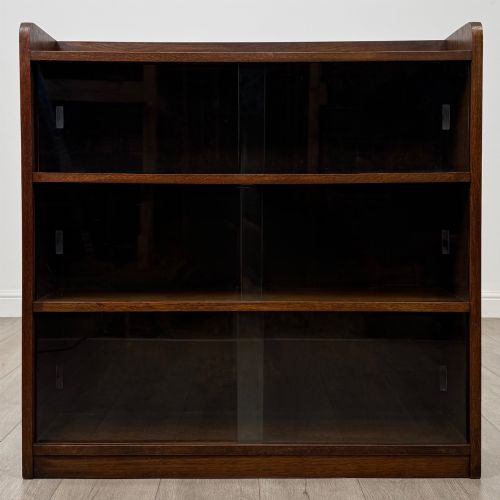
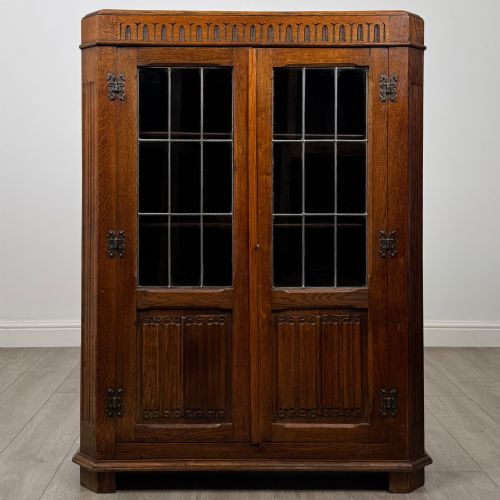
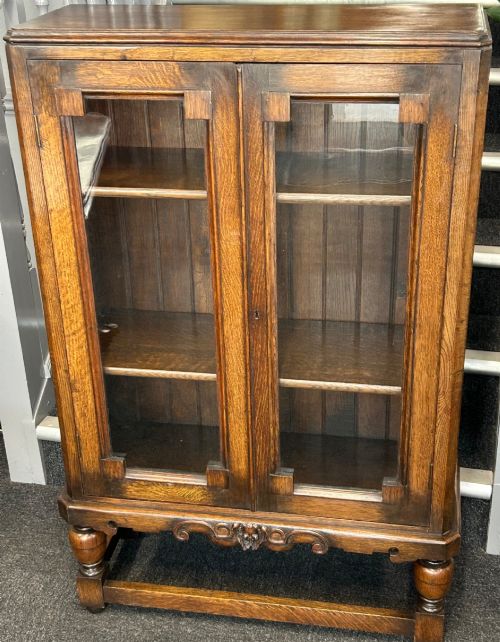
Oak Vitrine Cabinet
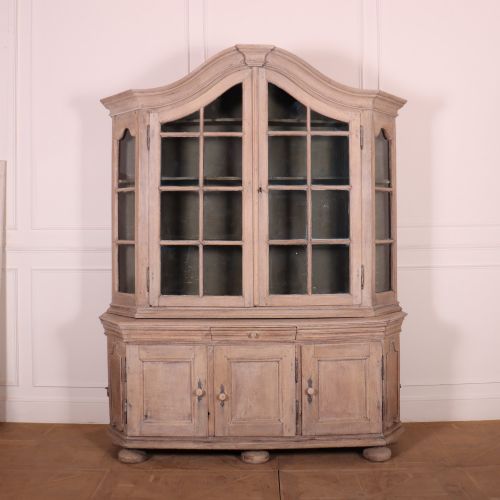
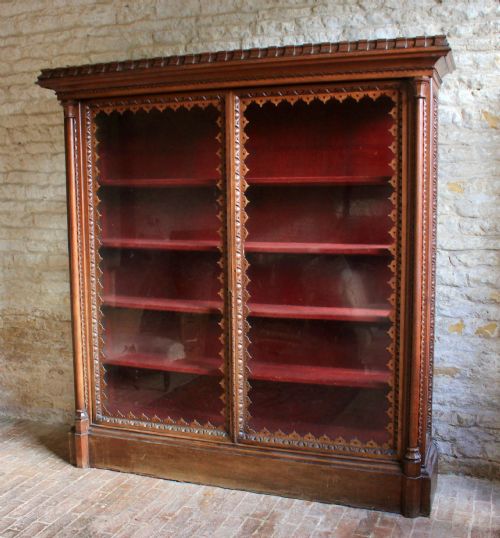
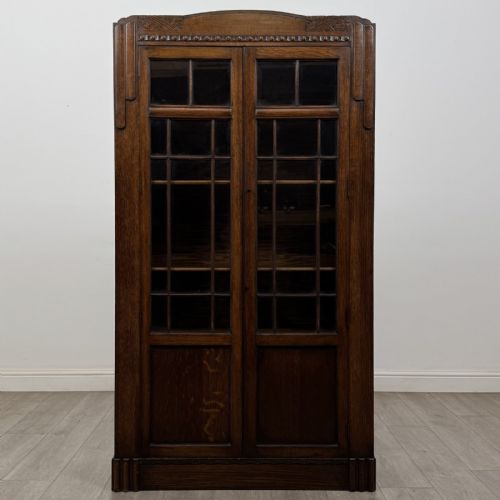
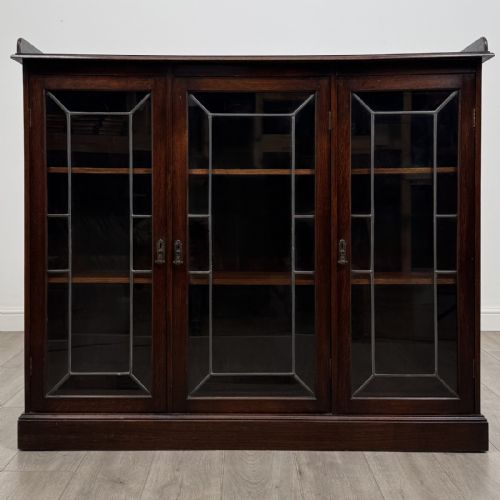
An oak vitrine cabinet brings timber warmth and glass display together, housing collections while protecting them behind glazed doors.
Oak Vitrine Cabinet
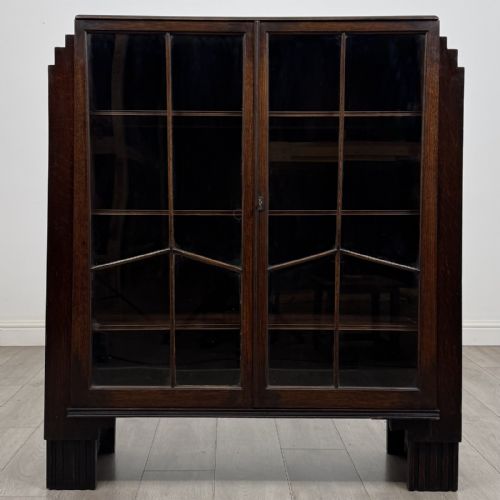
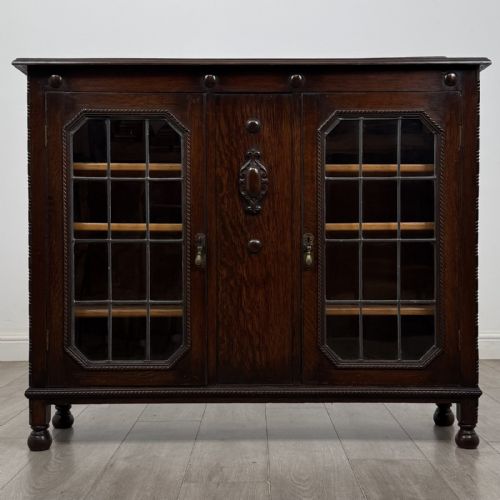
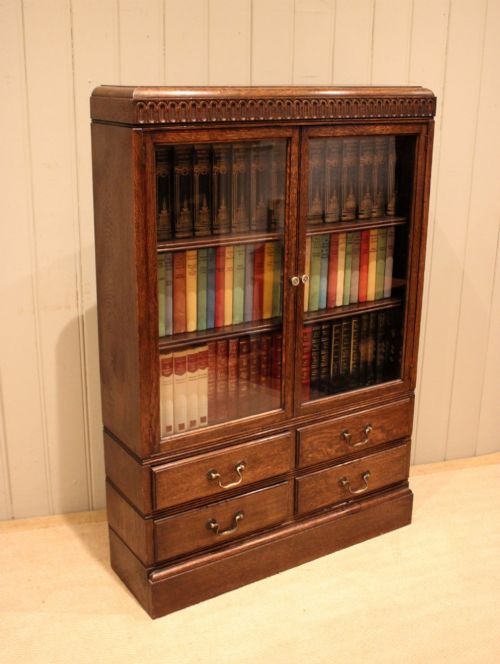
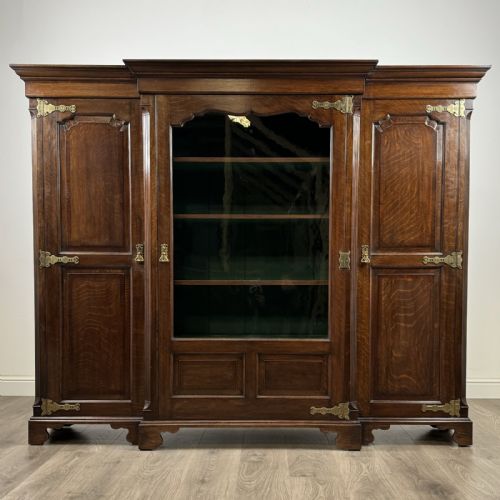
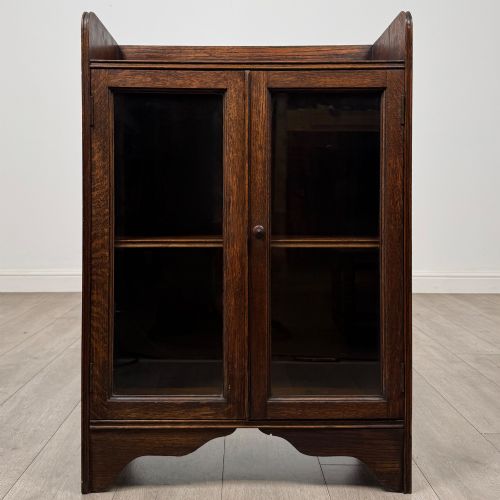
An oak vitrine cabinet combines the timber framing of traditional cabinet making with glass panels designed for showing contents rather than concealing them. These pieces serve as display cabinets, bookcases, corner units and shop display cases, functioning domestically or commercially to present porcelain, books and curiosities.
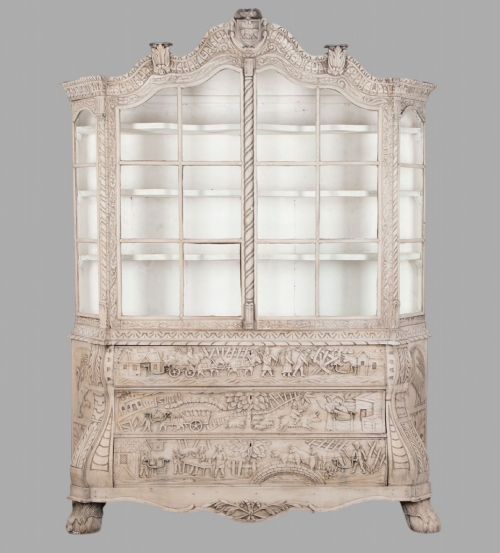
Edwardian examples and pieces from the 1930s appear frequently alongside Victorian, Georgian and 18th-century forms. Buyers encounter floor-standing items, two-piece commodes, wall-mounted or table-top variations, and tall shop display cabinets originating from English, French, Dutch and Italian workshops.
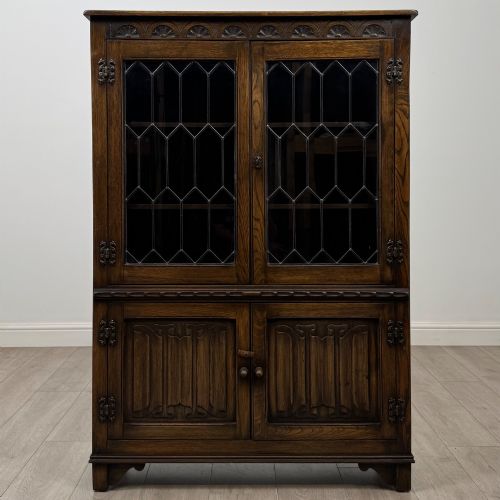
Stylistic influences range from Art Deco and Arts & Crafts to Jacobean Revival, Gothic Revival and French Provincial. Solid English oak, limed oak and golden oak feature across these varied regional designs, which often incorporate carved details or glazed double doors.
What varies in quality
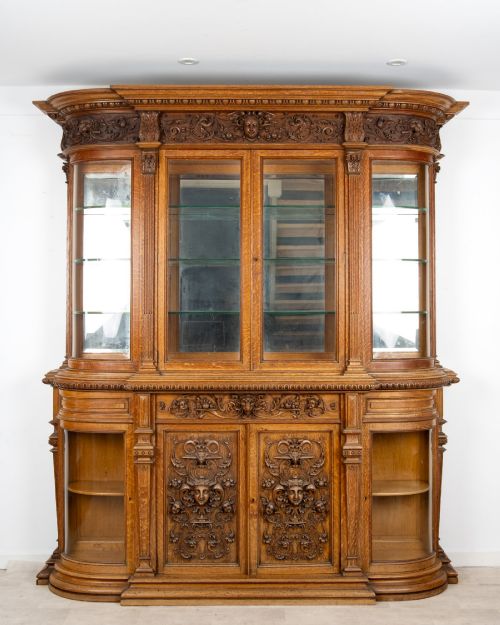
The standard of timber selection and depth of hand carving dictate the calibre of an oak vitrine cabinet. Crisp joinery, well-fitted glazed doors and original brass or iron hardware separate finer workshop productions from simpler utility pieces.
Proportion and decorative restraint also determine distinction, with superior examples exhibiting balanced architectural form and integrated stylistic details rather than heavy, unbalanced ornamentation.
Oak Vitrine Cabinet Retail Price Guide 2026
Typical asking prices for oak vitrine cabinet among the pieces listed under this phrase on Sellingantiques today, from the lower quarter to the upper quarter. They describe what is for sale here now, not the wider market.
Several trade cabinets carry later commercial sign-writing advertising Fry's Chocolate, German beer emblems and BBC broadcasts.
F. Sage & Co
The Oak Vitrine Cabinet Glossary
- Vitrine
- A glass-fronted cabinet designed for displaying fine objects or collections. This term frequently overlaps with display cabinet and bookcase in period listings.
- Linenfold
- A style of wood carving that mimics folded parchment or linen. It appears commonly on panels of Edwardian and revival furniture.
- Bombé
- A swelling, outward-curved contour found on the lower sections of certain continental chests and cabinets. This profile demands advanced woodworking skill.
- Glazing bar
- A narrow wooden or metal strip that holds individual glass panes within a window or cabinet door. These bars form the structural grid of glazed furniture.
Oak Vitrine Cabinet: Frequently Asked Questions
Where should I place an oak vitrine cabinet?
These cabinets suit drawing rooms, dining spaces and libraries where books or ceramics benefit from dust-free visibility. Corner formats utilise neglected angles in smaller rooms effectively.
Position them away from direct sunlight to protect internal contents and the timber finish from fading over time.
How do I secure items inside?
Most period cabinets utilise original brass or iron locks operated with small keys. Shelving is typically fixed or rests on wooden supports.
Ensure delicate objects sit centrally on shelves away from door swings and edge margins.
How do I clean the glass?
Use a soft cloth and mild glass cleaner applied sparingly to avoid dampening surrounding timber frames. Prevent liquid from seeping into leadwork or wooden joints.
Dust interior timber surfaces gently with a dry, soft brush rather than standard polish.
How do I distinguish Edwardian from Victorian pieces?
Edwardian cabinets often display lighter golden oak tones and cleaner lines influenced by Arts & Crafts ideals. Victorian examples tend to feature heavier carving, darker finishes and denser proportions.
Stylistic revivals during both eras frequently borrow motifs from earlier centuries.