

20th Century Display Cabinet
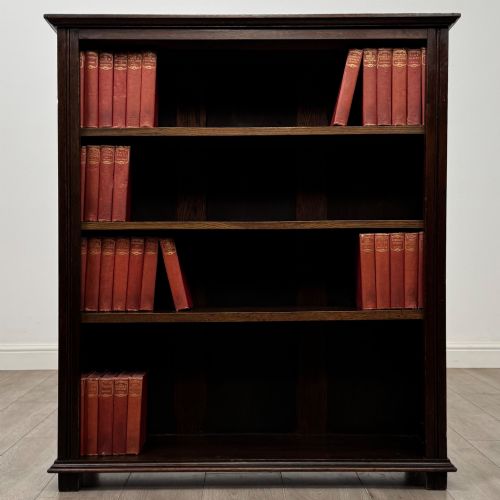
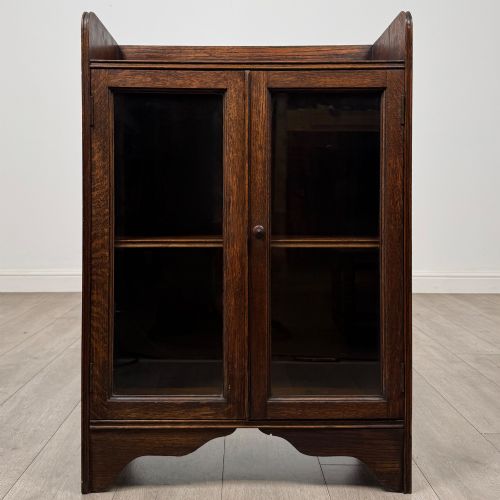
When you search for a 20th century display cabinet, you meet timber frames built to hold collections behind glass.
20th Century Display Cabinet
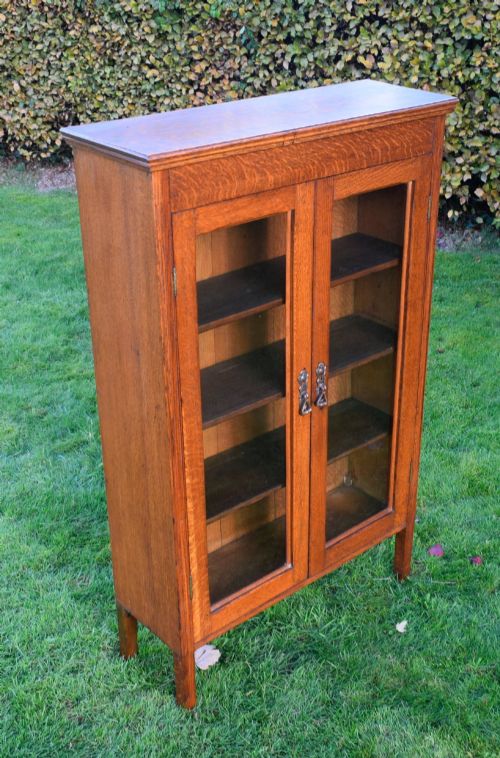
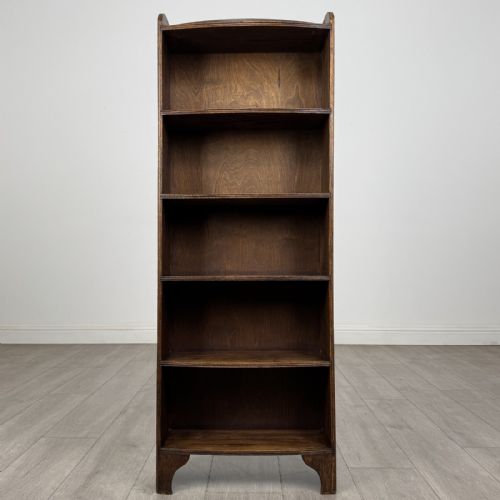
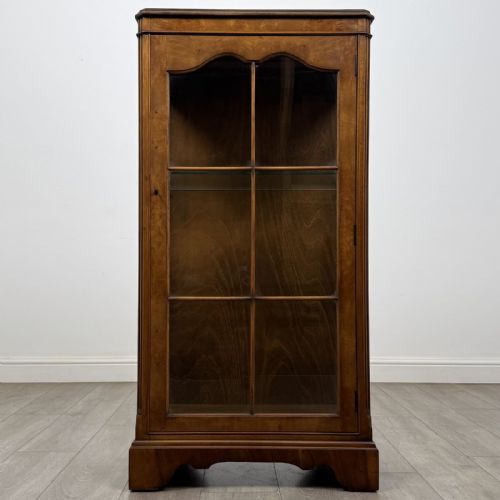
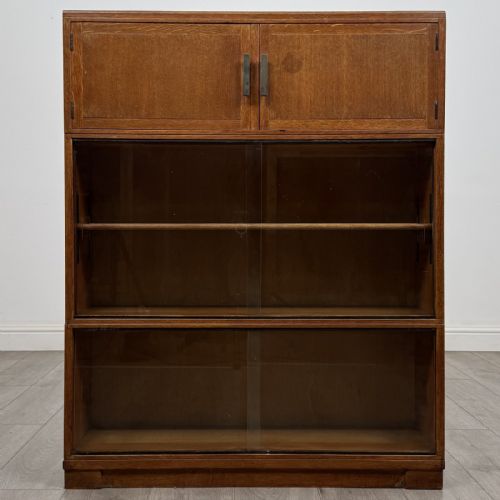
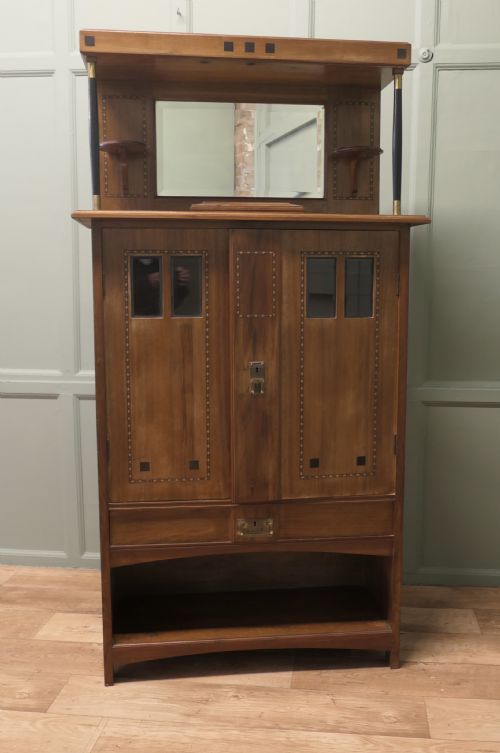
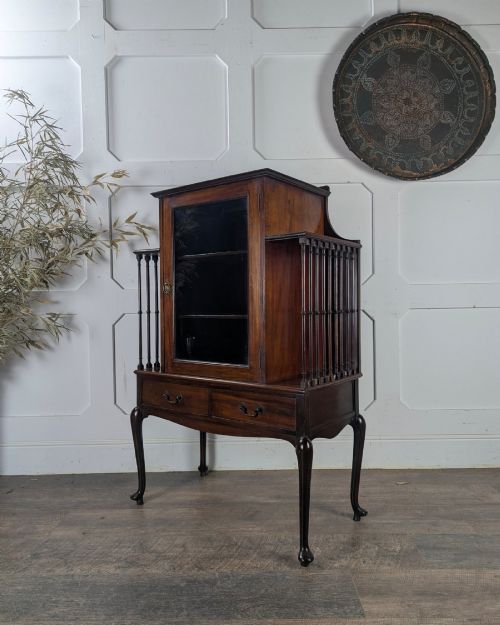
A 20th century display cabinet serves to protect and exhibit prized objects within domestic and commercial spaces. The pieces gathered here draw from Edwardian, Arts & Crafts, and revival aesthetics spanning the decades from nineteen hundred onward.
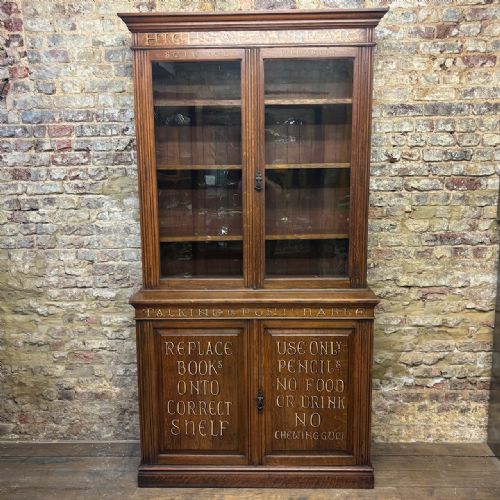
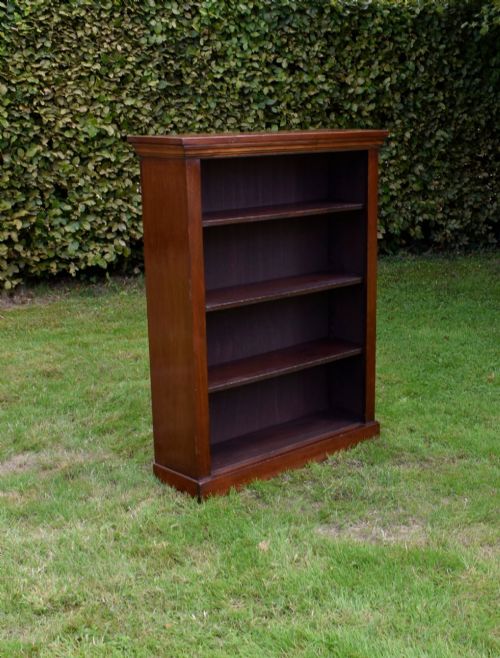
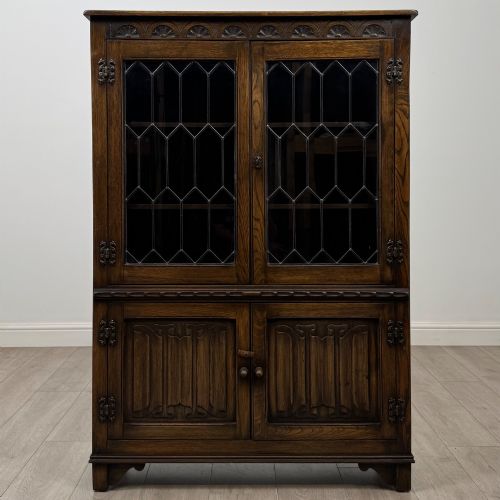
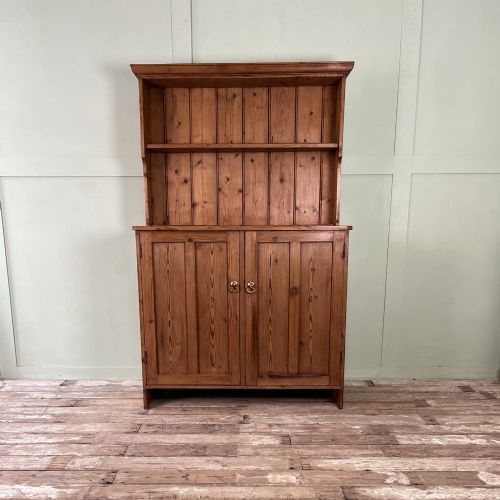
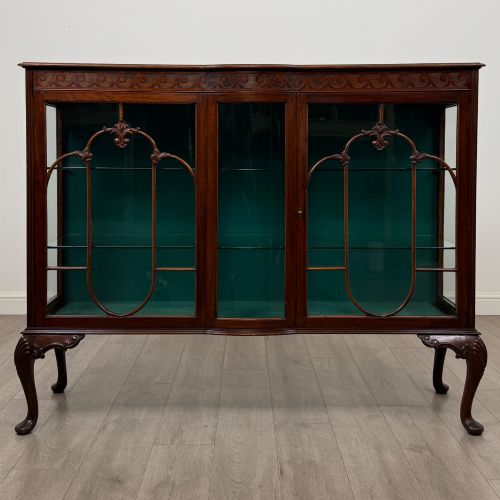
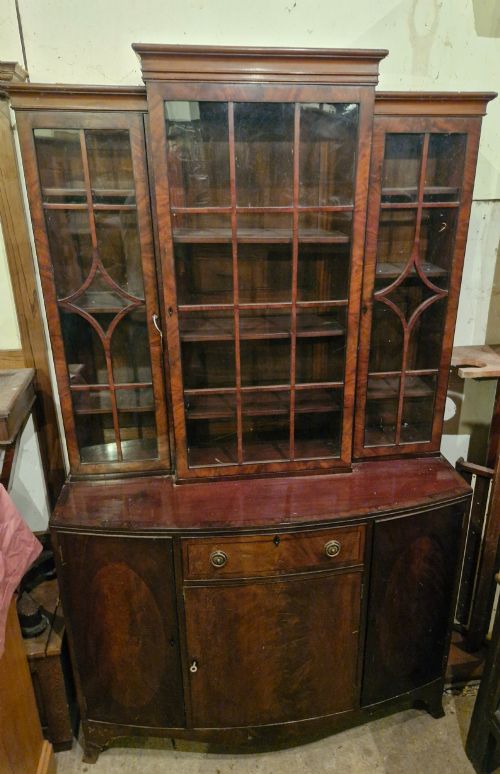
Most examples encountered on this page originate from the Edwardian period and utilise timbers such as oak and mahogany. Forms range from freestanding glazed cupboards and bureau bookcases to corner cabinets and cocktail units designed for specific interior roles.
Makers of the era employed traditional cabinet-making methods alongside emerging styles, producing both utilitarian library furniture and formal drawing-room vitrines. The surviving items reflect changing domestic habits and the persistent demand for visible storage.
Materials and construction methods
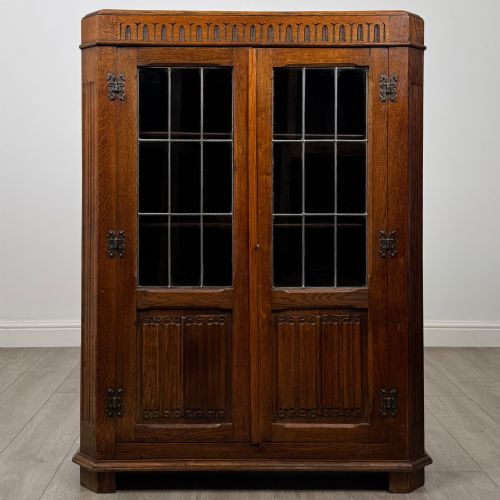
The construction relies heavily on solid oak, mahogany, and walnut, frequently enhanced with burr veneers or contrasting inlay work. Glass panes are set into timber doors, sometimes secured with lead cames or slender wooden glazing bars.
Internal elements often include fabric-lined shelves and brass hardware such as hinges, handles, and locks. Carved details, linenfold panels, and painted neoclassical decorations appear across various revival styles to enrich the exterior surfaces.
20th Century Display Cabinet Retail Price Guide 2026
Typical asking prices for 20th century display cabinet among the pieces listed under this phrase on Sellingantiques today, from the lower quarter to the upper quarter. They describe what is for sale here now, not the wider market.
Listings demonstrate that Edwardian oak and mahogany form the vast majority of these pieces, alongside walnut and pine variants.
Distinctions in craftsmanship
Quality reveals itself in the selection of timber figures, such as matched burr walnut or figured mahogany, paired with precise jointing and robust carcase construction. Superior pieces demonstrate careful attention to internal fittings, original brasses, and clean glazing bar profiles.
Simpler workshop output relies on plain solid oak or pine with straightforward panel assembly and minimal ornamentation. The differentiation rests on the depth of hand-carving, the complexity of inlay work, and the overall integrity of the timber framing.
Warring & Gillows LTD·August Ungethüm
The 20th Century Display Cabinet Glossary
- Astragal glazed
- A door design featuring narrow wooden bars that divide the glass into smaller panes. These delicate mouldings frequently incorporate classical or revival patterns.
- Linenfold
- A carved wooden panel motif that mimics folded cloth. This decorative relief was popular in Tudor revival and later traditional furniture.
- Vitrines
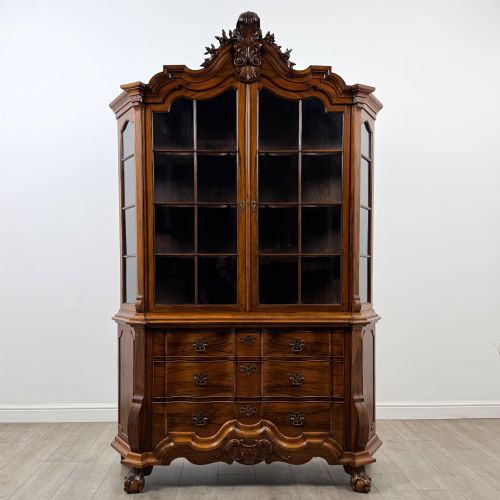
- Glass-fronted cabinets intended primarily for the display of porcelain, glassware, or curiosities. They often feature glazed sides to maximise light entry.
- Brass hardware
- Metal fittings including key escutcheons, drop handles, and hinges. Original metalwork contributes significantly to the integrity of an antique piece.
20th Century Display Cabinet: Frequently Asked Questions
Where should I place a display cabinet?
Display cabinets suit principal reception rooms, dining areas, or studies where natural light can illuminate the contents behind the glass. Because many examples feature glazed sides as well as doors, positioning them perpendicular to windows maximises interior visibility.
Ensure the floor is level so the heavy timber carcase and glass doors remain square and operate smoothly without binding.
How do I date an Edwardian cabinet?
Dating relies on identifying stylistic markers, timber choices, and construction traits typical of the era around nineteen hundred to nineteen ten. Edwardian pieces often combine Georgian revival influences with lighter proportions and specific inlay motifs.
Examine the secondary woods inside the drawers and the style of the brass hinges and locks for further confirmation of the period.
How do I care for polished wood and glass?
Maintain the timber surfaces with traditional paste wax applied sparingly and buffed with a soft cloth to preserve the finish. Avoid silicone-based sprays, which can penetrate the polish and damage the timber over time.
Clean the glass panes with a mild solution applied to a cloth rather than sprayed directly onto the surface, preventing moisture from reaching the wooden muntins and frames.