


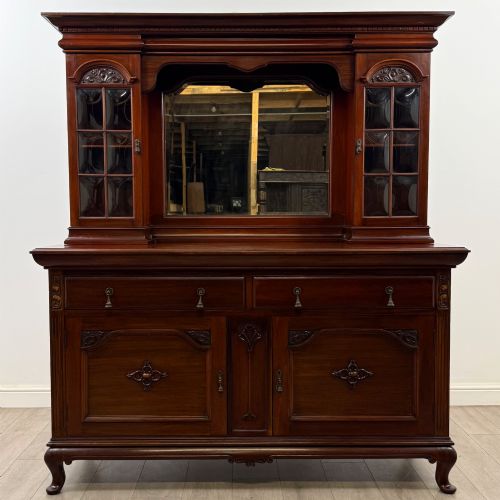
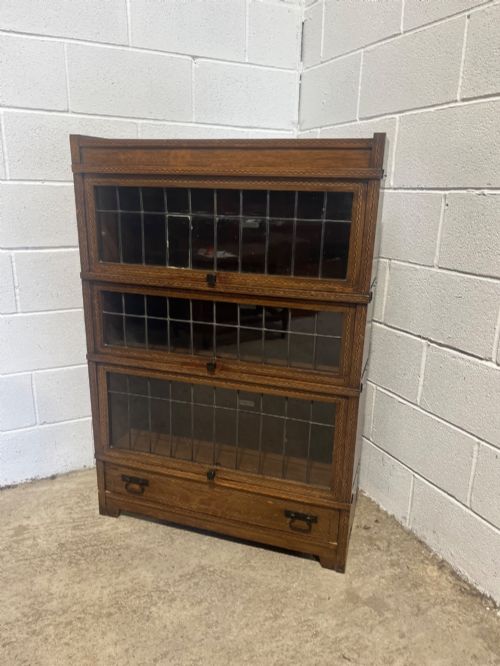

Vintage Leaded Display Cabinet
A vintage leaded display cabinet brings light and structure to a room, holding books and china behind paned glass.
Vintage Leaded Display Cabinet
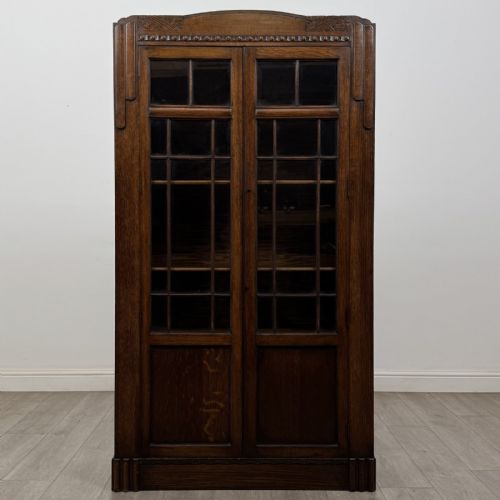
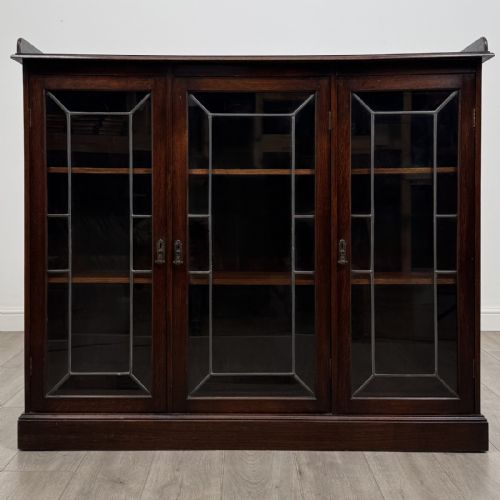
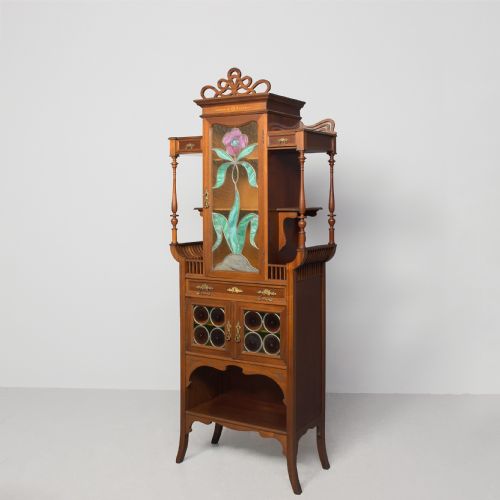
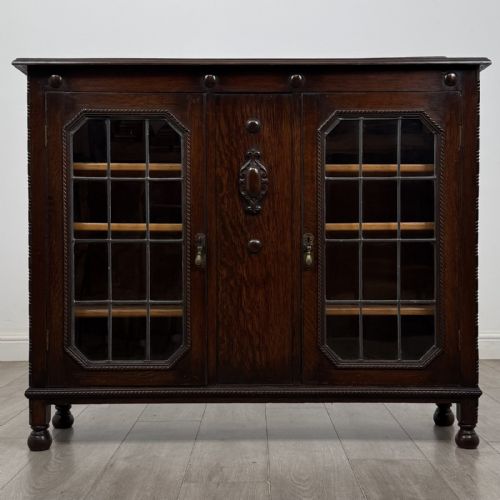
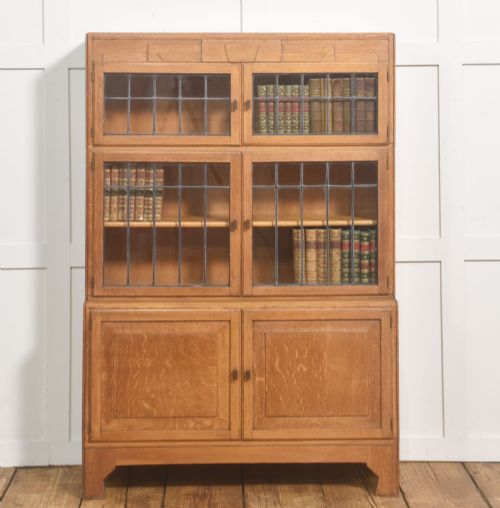
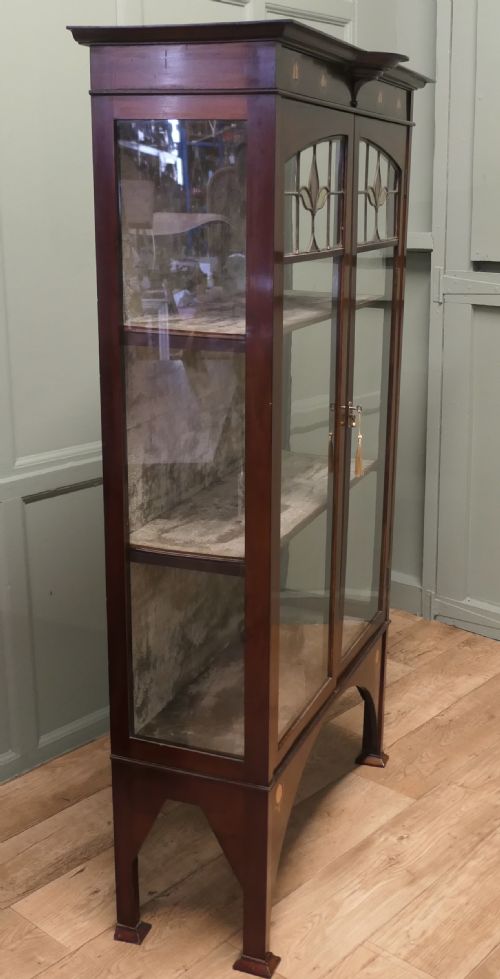
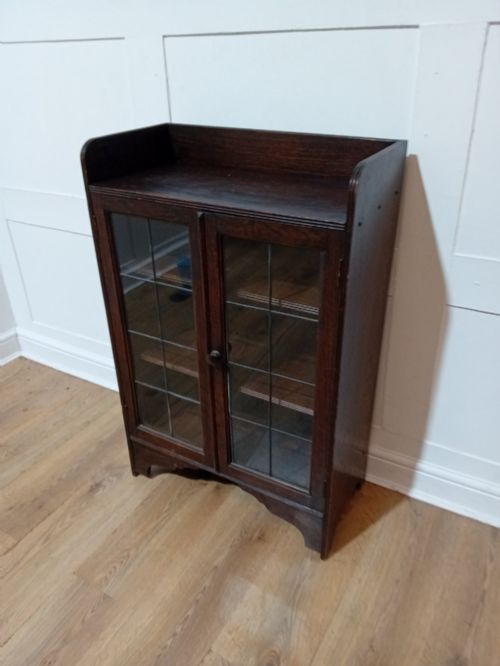
A vintage leaded display cabinet serves as a functional storage piece designed to showcase books and ceramics behind glazed doors. These items appear primarily in oak and mahogany, spanning periods from the late nineteenth century through the 1930s. Buyers frequently encounter Edwardian and Art Deco iterations alongside modular stacking designs.
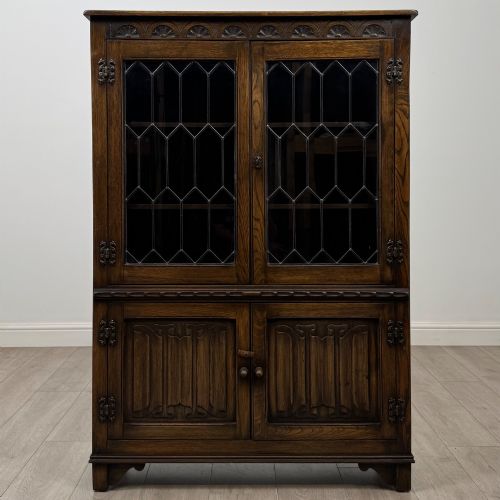
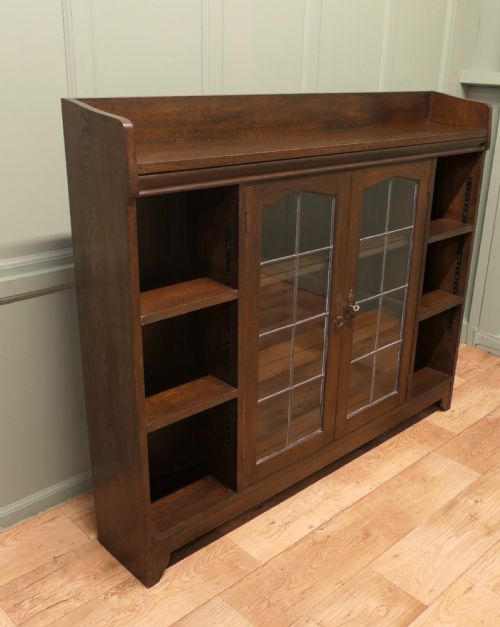
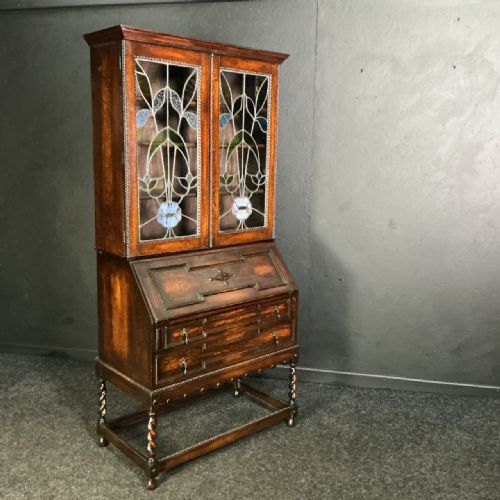
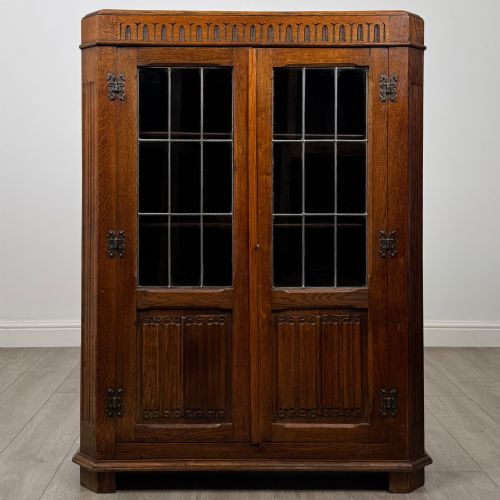
The form encompasses dwarf cabinets, tall bookcases, bureau bookcases, and sideboards fitted with glass panels. Oak dominates the selection, appearing in styles ranging from Arts and Crafts to Jacobean Revival and Tudor Revival. Walnut and mahogany examples also emerge, particularly within Art Deco and Art Nouveau aesthetics.
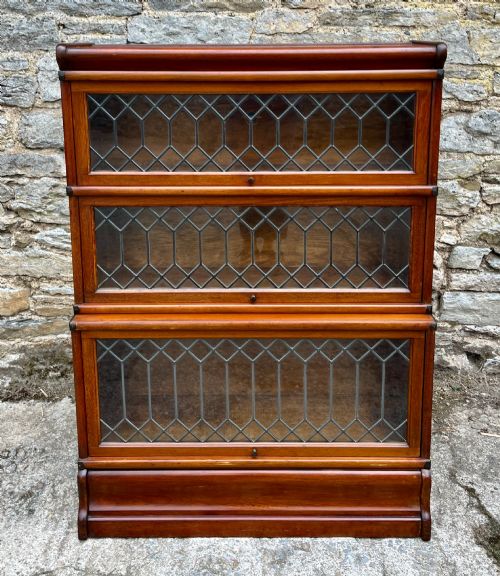
Originating predominantly from the early twentieth century, these pieces reflect domestic storage needs of the period. The selection includes sectional barrister bookcases alongside freestanding glazed cabinets and side cabinets. Each type provides visible storage while protecting contents from dust.
Assessing quality
Quality rests upon the selection of timber and the precision of the joinery within the carcass and door frames. Solid oak and figured walnut display superior grain retention compared to simpler secondary woods. The integrity of the lead cames supporting the glass panes indicates the durability of the glazing.
Refinement in decorative details, such as inlaid banding, carved linenfold panels, and original brass fittings, elevates the execution. Maker attribution, visible in pieces from firms like Globe Wernicke or Minty, demonstrates standardised manufacturing excellence in modular systems.
Vintage Leaded Display Cabinet Retail Price Guide 2026
Typical asking prices for vintage leaded display cabinet among the pieces listed under this phrase on Sellingantiques today, from the lower quarter to the upper quarter. They describe what is for sale here now, not the wider market.
Listings feature oak most frequently, accompanied by mahogany and walnut across Edwardian, Art Deco, and Victorian periods.
Globe Wernicke·Minty·Liberty & Co.
The Vintage Leaded Display Cabinet Glossary
- Leaded glass
- Glass panes joined together by lead cames to form windows or cabinet doors. This technique allows for geometric or decorative patterns across the front of a cabinet.
- Barrister bookcase
- A modular stacking bookcase with glazed doors that lift and slide into the cabinet above each shelf. These sections can be separated or stacked together.
- Linenfold
- A style of wood carving that mimics folded linen or parchment. It frequently decorates the solid wooden panels of Edwardian and revival cabinets.
- Came
- A slender strip of lead with a grooved channel used to hold pieces of glass together in leaded windows and cabinet doors. Cames provide both structural support and linear design.
- Globe Wernicke
- A prominent maker and style of sectional barrister bookcase. The design utilises modular stacking tiers that interlock for flexible library storage.
Vintage Leaded Display Cabinet: Frequently Asked Questions
How do I clean leaded glass?
Clean leaded glass gently using a soft cloth and a mild, ammonia-free glass cleaner sprayed onto the cloth rather than directly onto the door.
Avoid pressing heavily against the lead cames, as pressure can loosen the joints holding the glass panes in place.
Are stacking bookcases stable?
Stacking bookcases utilise interlocking modular sections that sit securely upon one another under their own weight.
Taller stacks benefit from placement against a wall to ensure complete stability during everyday use.
Can I adjust the shelves?
Most vintage display cabinets feature fixed wooden shelving integral to the internal carcass structure.
Modular stacking bookcases offer height variations between tiers, though individual shelf heights within those tiers remain fixed.