

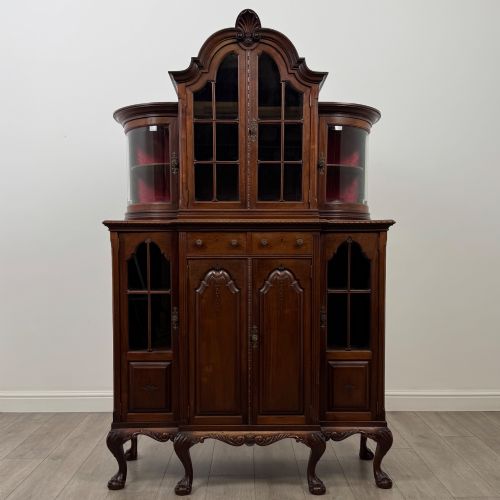
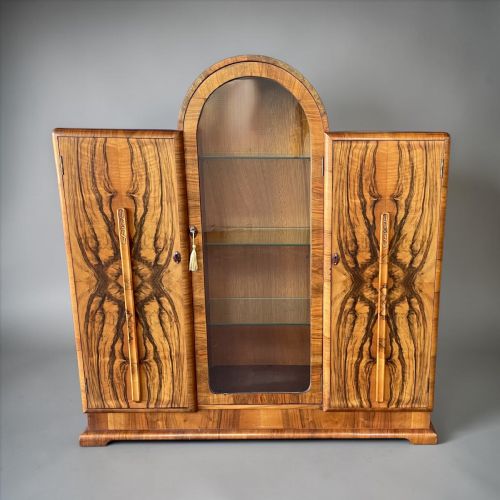
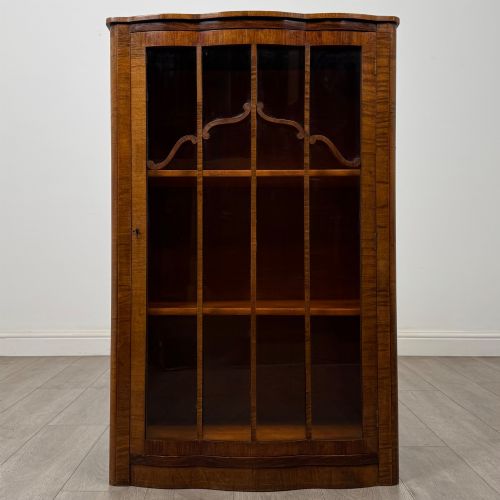
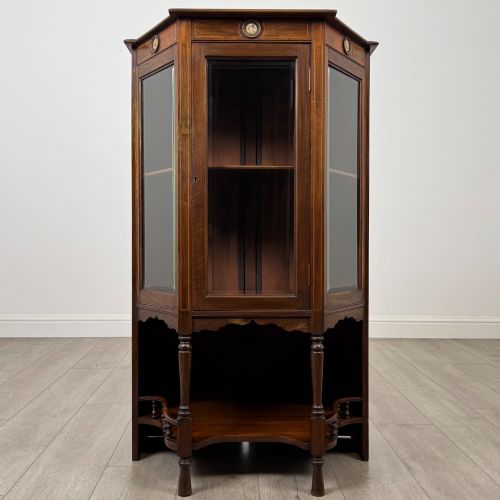
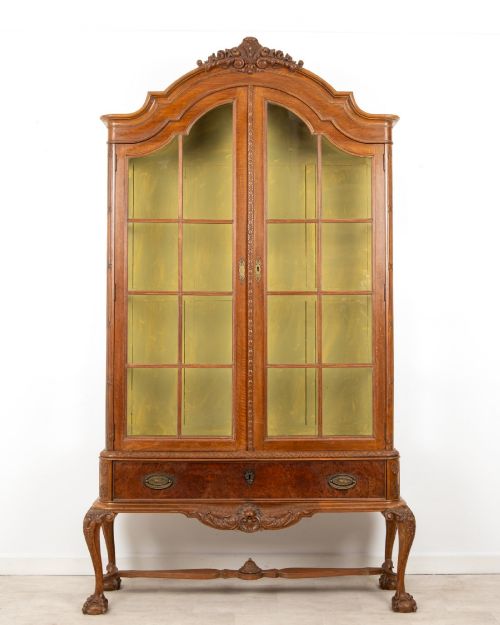
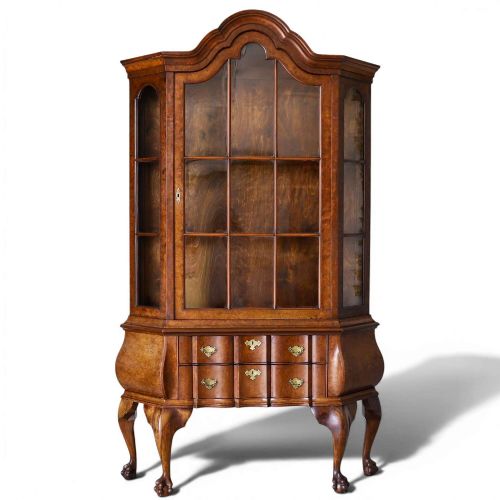
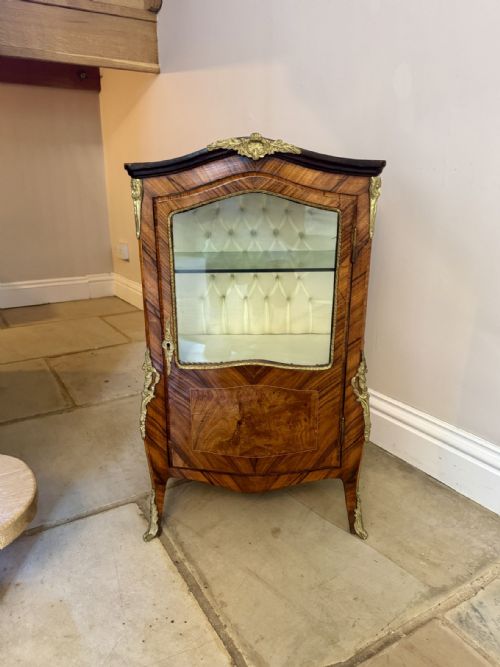
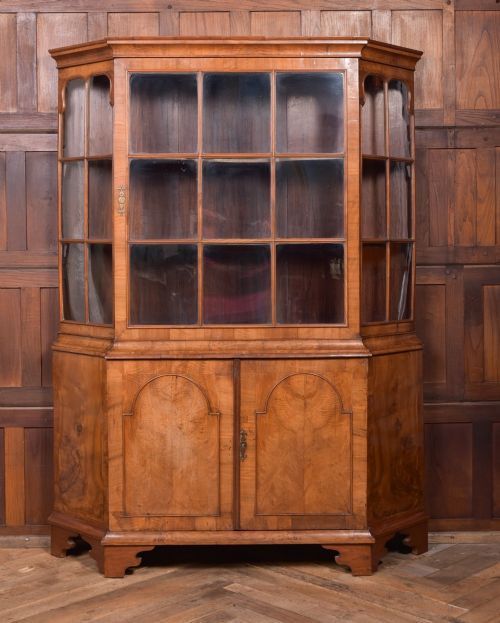
Walnut China Cupboard
A walnut china cupboard brings warmth to a room while holding your porcelain behind glazed doors.
Walnut China Cupboard
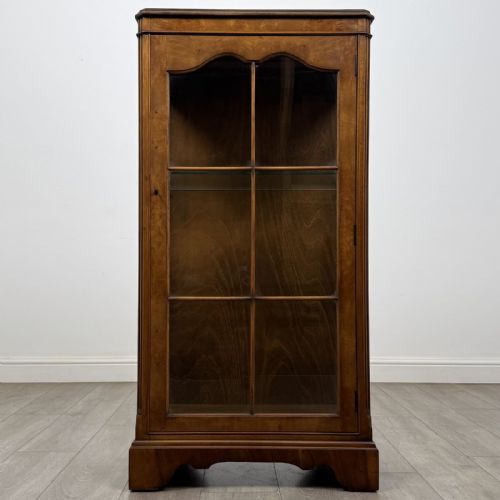
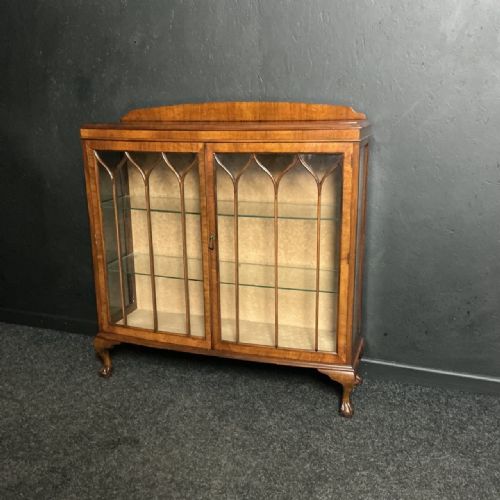
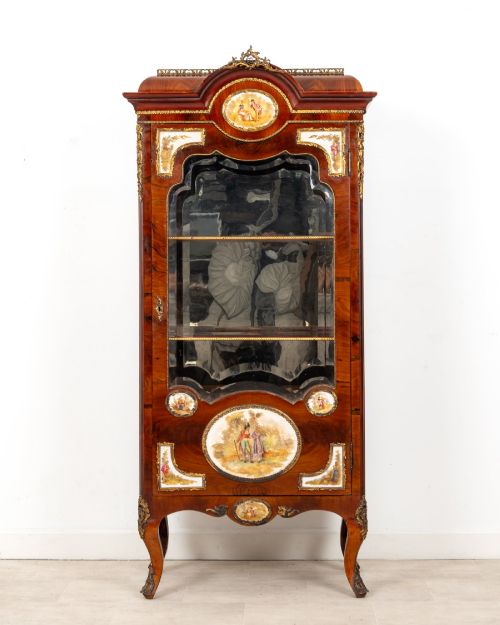
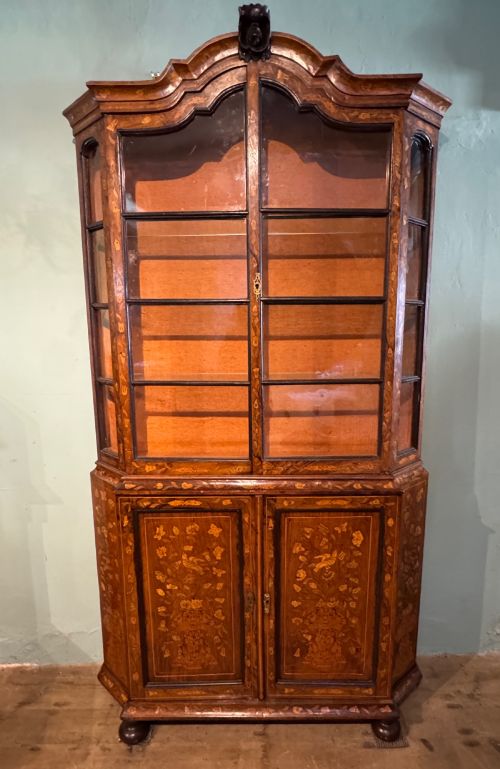
A walnut china cupboard serves to store and display dinner services, porcelain and glassware behind protective glass panels. These pieces combine upper display compartments with lower enclosed storage cupboards, taking the form of upright cabinets, narrow corner units and low bookcase combinations.
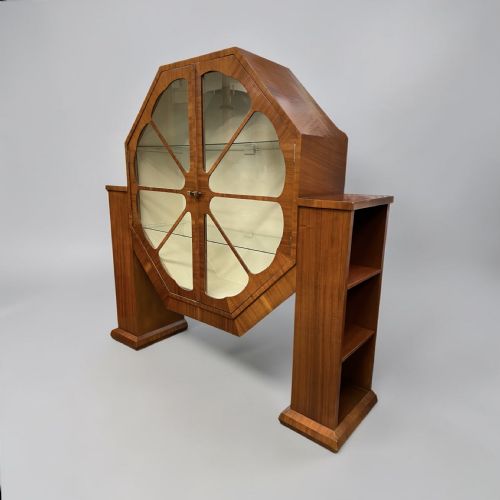
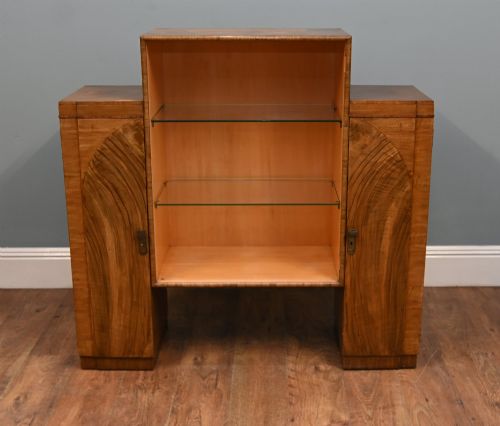
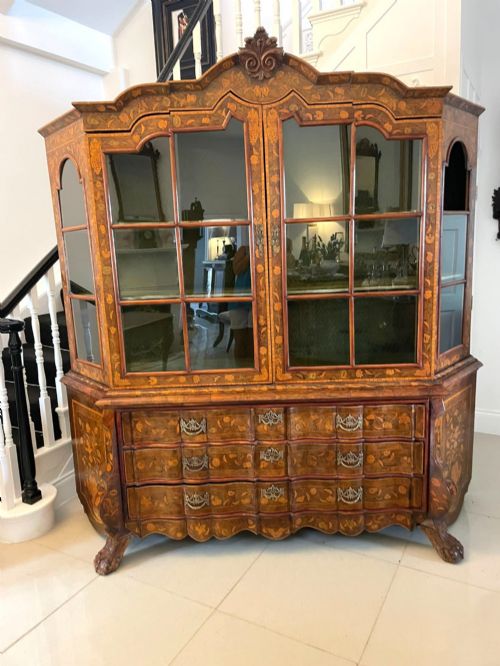
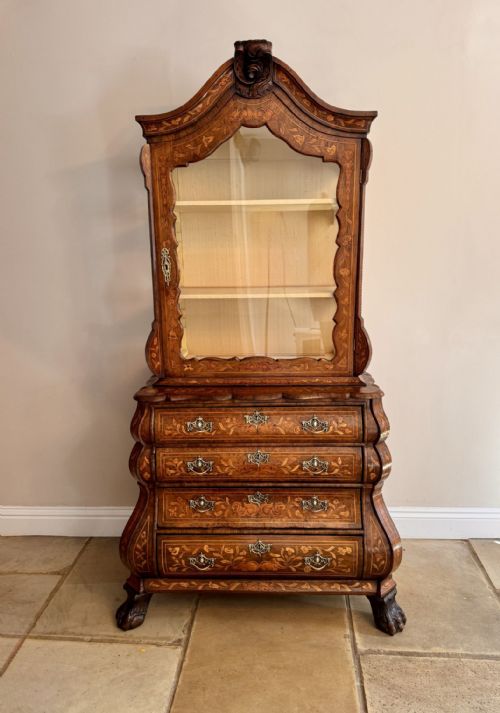
The pieces on this page emerge from periods spanning the eighteenth, nineteenth and twentieth centuries. Edwardian and Art Deco examples appear alongside nineteenth-century Victorian and Dutch marquetry iterations, offering varied silhouettes from circular shapes to tall narrow proportions.
Makers construct these items using walnut solids and veneers, frequently incorporating glass doors, brass hardware and fabric-lined interiors. Buyers encounter styles ranging from plain geometric Art Deco designs to revival pieces referencing Queen Anne, Georgian and Dutch Baroque aesthetics.
Distinctions in quality
Quality depends upon the selection of veneer and the precision of the cabinet work. Figured and burr walnut surfaces display intricate natural grain movement that elevates the visual presence of the furniture.
The integration of secondary details such as hand-carved mounts, brass fittings, inlaid marquetry and fitted interior shelving demonstrates higher standards of construction. Superior pieces maintain structural rigidity across larger frames like two-part bookcases and heavy display cabinets.
Walnut China Cupboard Retail Price Guide 2026
Typical asking prices for walnut china cupboard among the pieces listed under this phrase on Sellingantiques today, from the lower quarter to the upper quarter. They describe what is for sale here now, not the wider market.
Materials appearing across the inventory include figured walnut, burr walnut, glass, brass, ormolu, fruitwood and marquetry inlay.
Rurka·Epstein
The Walnut China Cupboard Glossary
- Burr walnut
- A decorative wood veneer harvested from tree growths, yielding swirling patterns of grain. Cabinet makers prize this material for prominent door panels and drawer fronts.
- Astragal glazed
- Glass doors divided into smaller panes by narrow wooden mouldings. This technique secures the glass while maintaining visibility of the cabinet interior.
- Marquetry
- Inlaid patterns formed from pieces of fitted wood veneer applied to a background. Artisans use this method to create floral and pictorial motifs on Dutch furniture.
- Vitrine
- A glass-fronted display cabinet intended for the exhibition of porcelain and curiosities. These pieces often feature glass sides to maximise light penetration.
- Ormolu
- Gilded bronze mounts applied to furniture for decorative effect. Makers utilise these metal elements to accent corners, friezes and door trims.
Walnut China Cupboard: Frequently Asked Questions
What is a walnut china cupboard?
A walnut china cupboard is a wooden storage piece featuring glass doors for displaying ceramics and lower solid doors for enclosed storage. It serves both utility and display functions in dining rooms and living spaces.
These cabinets protect delicate dinnerware from dust while keeping it visible. The walnut construction introduces rich brown tones and varied grain figures to interior schemes.
Where should I place a corner cabinet?
A corner cabinet fits directly into the ninety-degree junction of two walls, making use of spatial areas that standard rectangular furniture cannot occupy. They suit dining rooms and hallways where floor space is limited.
Placing these units away from direct sunlight protects both the walnut veneer and the displayed ceramics. Adequate clearance allows the glazed doors to open fully for safe access.
How do I care for walnut furniture?
Maintenance involves dusting with a soft, dry cloth and avoiding harsh chemical polishes that can degrade the finish. Keeping the timber away from direct heat sources prevents the walnut veneer from drying out.
Periodic application of appropriate wax feeds the wood and preserves the sheen of the surface. Ensuring stable indoor humidity levels protects the structural integrity of the joints.