



1930s Art Deco Vitrine
A 1930s art deco vitrine brings geometric elegance and sophisticated display space to an interior.
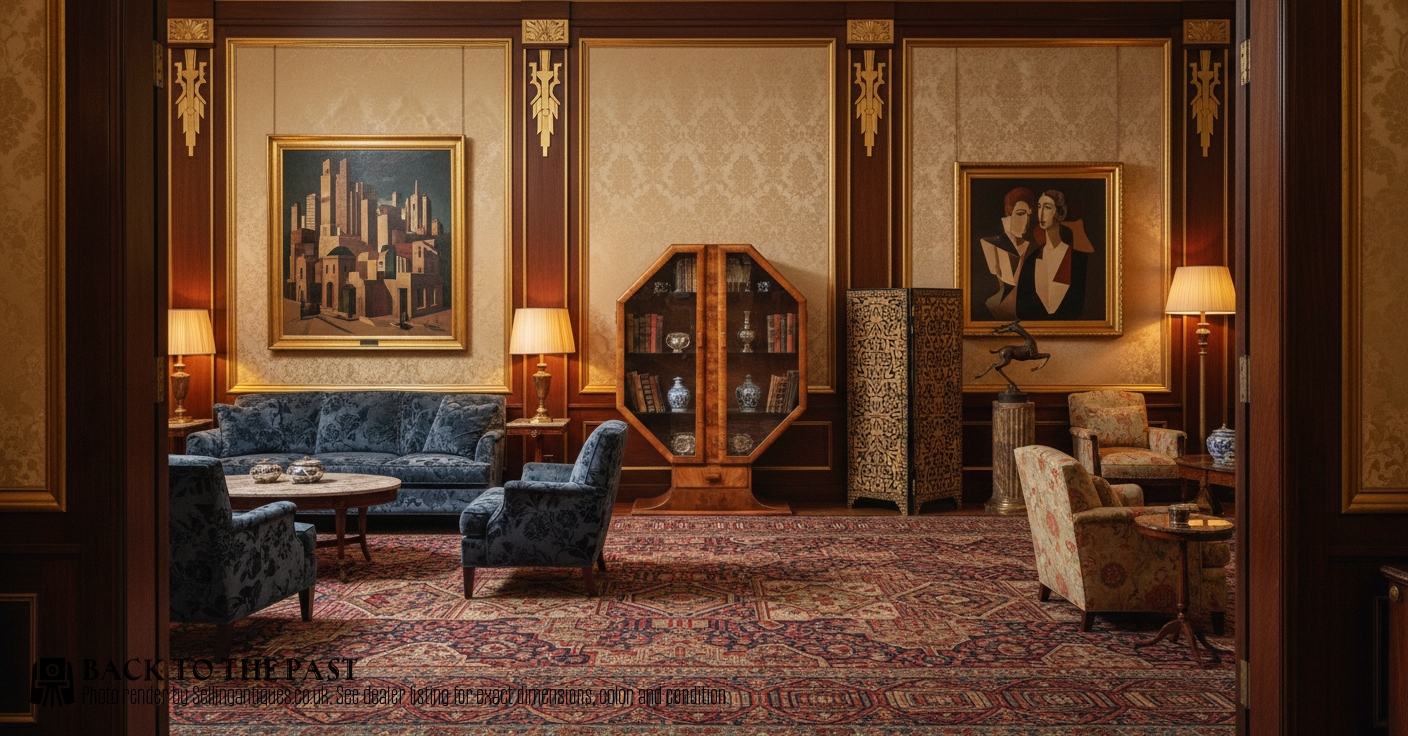
1930s Art Deco Vitrine
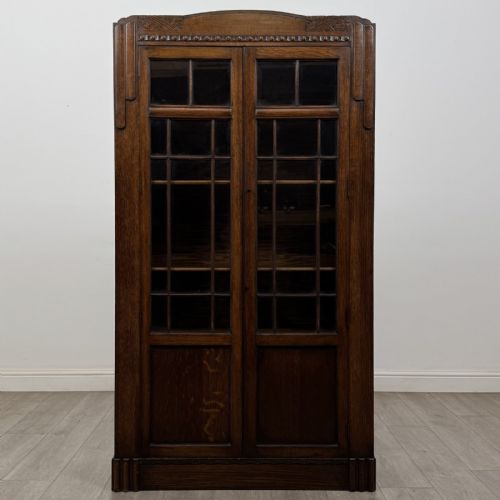
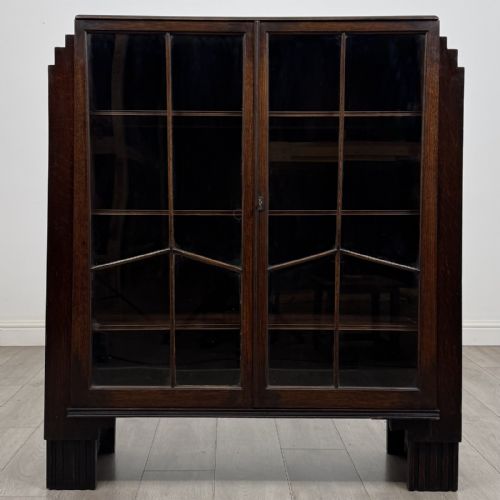
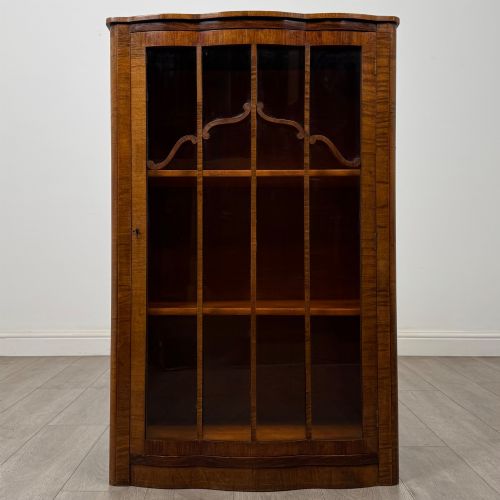
A 1930s art deco vitrine serves primarily as a glazed display cabinet for china, books, and decorative objects. These pieces originate predominantly from the interwar period, capturing the bold design ethos of the nineteen thirties.
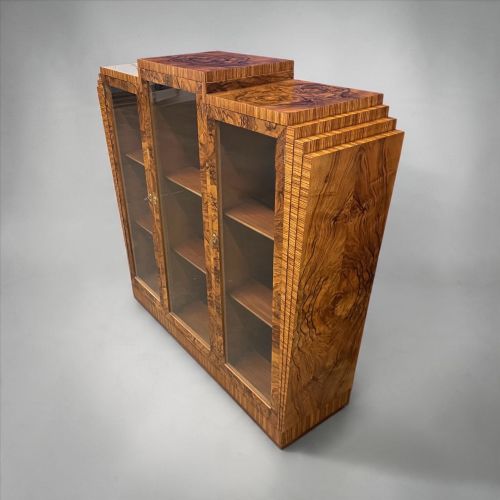
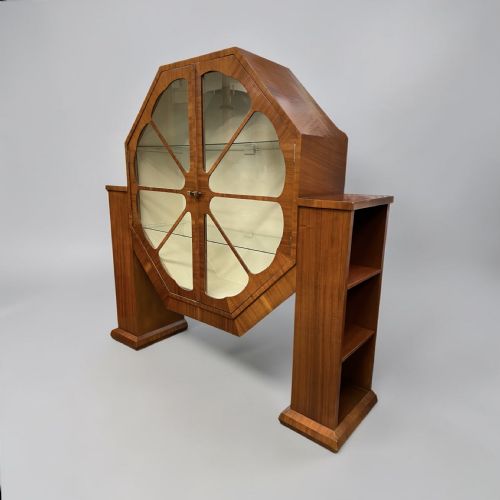
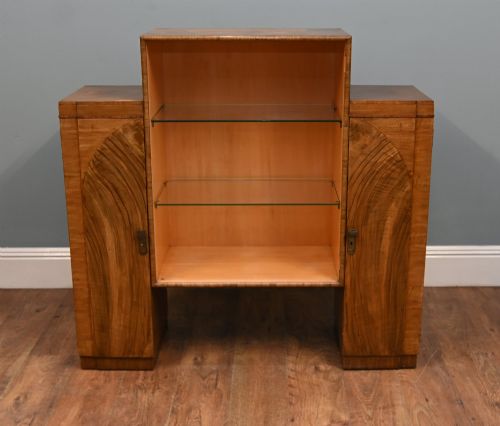
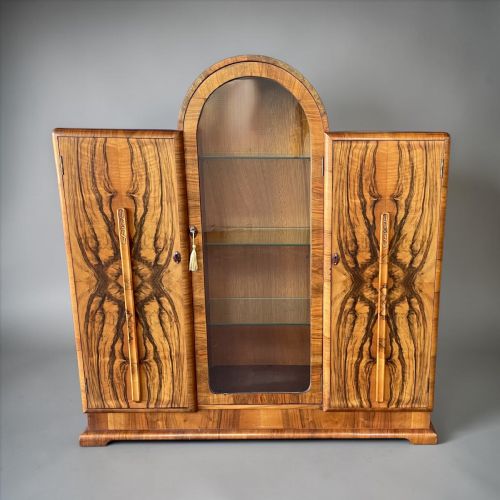
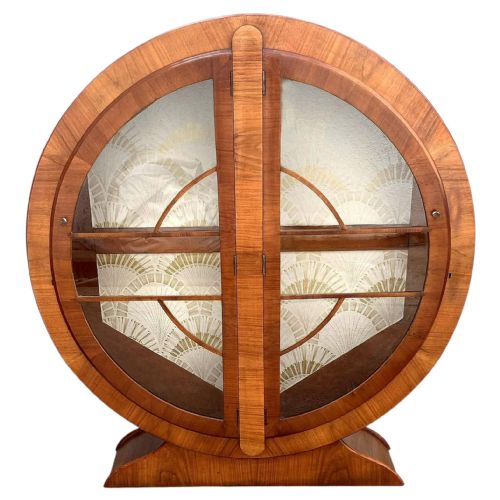
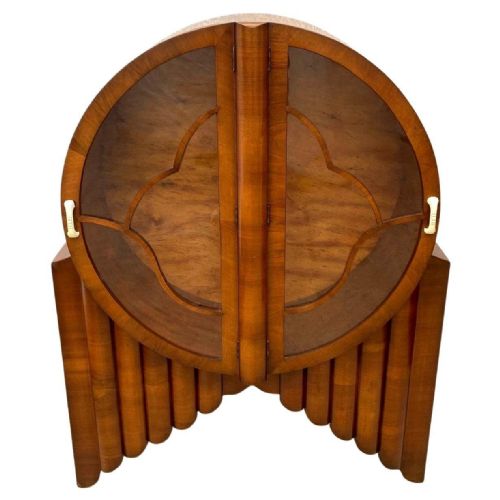
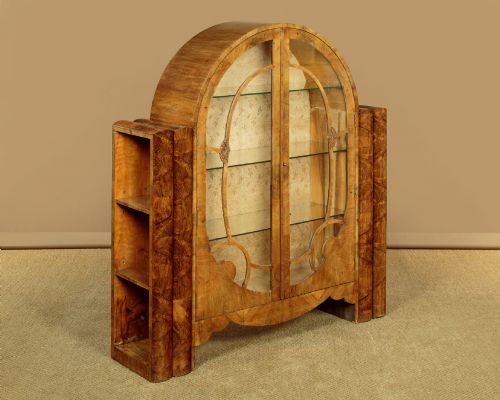
Buyers frequently encounter freestanding circular, oval, and octagonal display cabinets alongside corner configurations. Walnut and burr walnut dominate the forms, often paired with glass and lead components.
Makers utilised contrasting woods like sycamore and maple, alongside solid oak, to create striking visual rhythms. Pieces range from straightforward glazed bookcases to elaborate rocket and clove shaped cabinets.
Materials and Construction
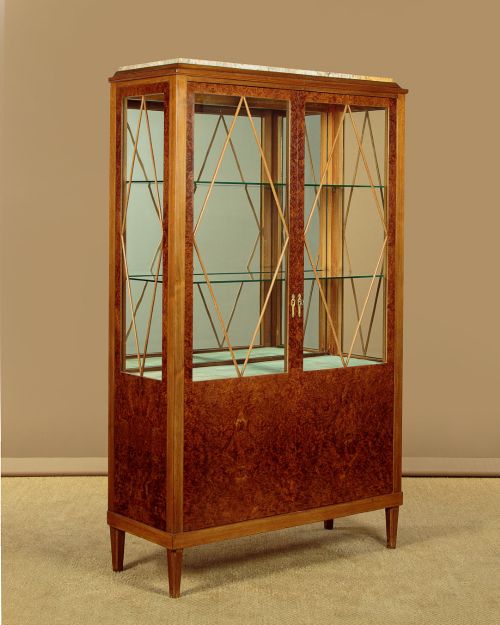
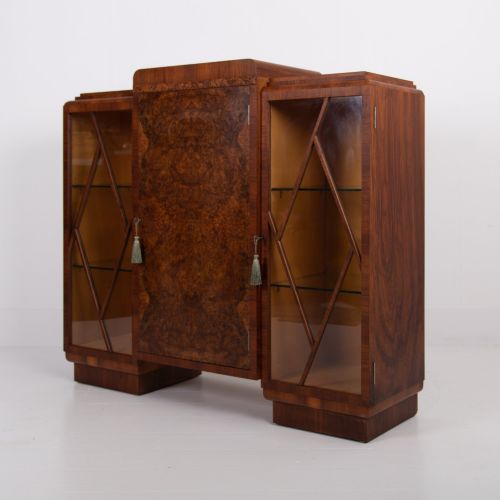
Cabinet makers applied figured walnut and burr walnut veneers over sturdy carcases to achieve complex grain patterns. Artisans framed the display areas with glass panes secured by lead work or wooden astragals.
Solid English oak and mahogany formed the structural foundations for larger bookcase cabinets and sideboards. Brass hardware and subtle fabric linings completed the internal compartments of these display pieces.
1930s Art Deco Vitrine Retail Price Guide 2026
Typical asking prices for 1930s art deco vitrine among the pieces listed under this phrase on Sellingantiques today, from the lower quarter to the upper quarter. They describe what is for sale here now, not the wider market.
Geometric cabinet forms span circular, hexagonal, octagonal, and unconventional rocket shapes.
Distinctions in Quality
The selection of wood veneers dictates much of the visual merit, with matching burr walnut figures commanding attention. Precision in curve formation, seen in circular and hexagonal bodies, separates standard joinery from superior atelier work.
Design complexity influences the distinction between utilitarian bookcases and bespoke vitrines. Signed pieces by notable makers reflect heightened standards in internal cabinetry and finish retention.
Maurice Adams·Epstein·Rurka
The 1930s Art Deco Vitrine Glossary
- Vitrine
- A glass-fronted cabinet designed for displaying fine ceramics and curiosities. This term is frequently used interchangeably with display cabinet.
- Burr Walnut
- A specialised wood cut from a tree growth, yielding intricate and swirling grain patterns. It provides a decorative surface on cabinet doors and panels.
- Lead Glazing
- The technique of holding small glass panes together using lead cames. This method appears on traditional and period glazed doors.
- Veneer
- A thin layer of superior wood adhered to a base timber ground. This technique allows cabinet makers to display dramatic grain without heavy solid timber usage.
- Astragal
- A small moulding used to hold glass panes within a frame. These dividers structure the glazed doors of bookcases and vitrines.
1930s Art Deco Vitrine: Frequently Asked Questions
What is a 1930s art deco vitrine?
A 1930s art deco vitrine is a glazed display cabinet designed during the interwar period. These pieces combine geometric forms with decorative wood veneers to showcase valued objects.
They function primarily as focal points in living spaces, offering enclosed shelving behind glass doors.
Where should I place a circular vitrine?
Circular and curved vitrines suit corners or open wall spaces where their distinctive profiles remain visible from multiple angles. Their unusual shapes require careful positioning to maintain room flow.
Ensure adequate clearance for doors that swing or open outwards.
How do I care for walnut veneer?
Protect walnut surfaces by keeping cabinets away from direct sunlight and consistent heat sources, which can dry out the timber. Dust regularly with a soft, dry cloth.
Avoid commercial polishes containing silicone to preserve the historic finish.
Are these cabinets suitable for books?
Many items categorized under this search double as glazed bookcases and display cabinets. Solid oak and walnut variants provide sturdy shelving for volumes.
Check shelf depth and weight capacity before storing heavy folio collections.