
Burr Walnut Glazed Bookcase
A burr walnut glazed bookcase brings deep swirling grain patterns and glass-fronted display space together into a commanding piece of period furniture.
Burr Walnut Glazed Bookcase
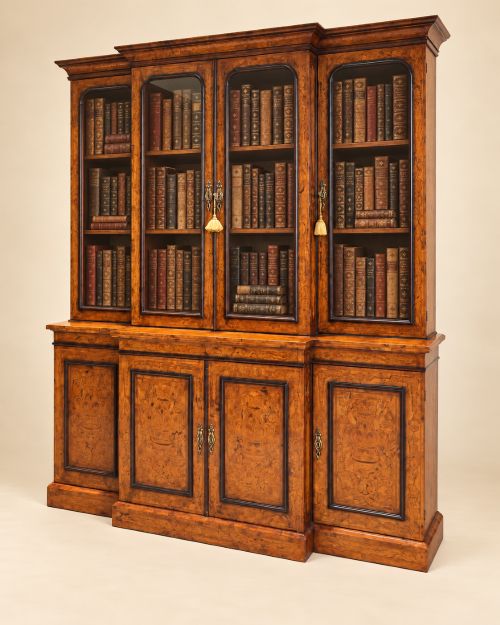
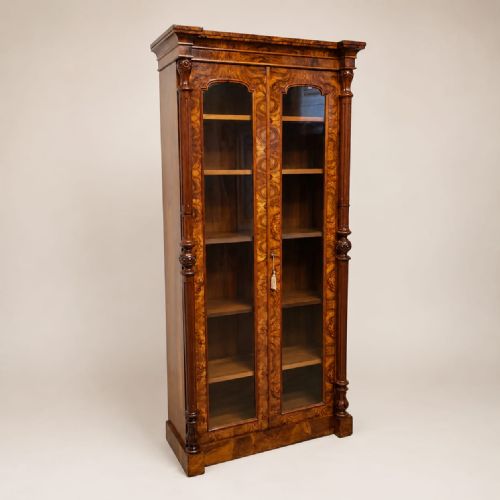
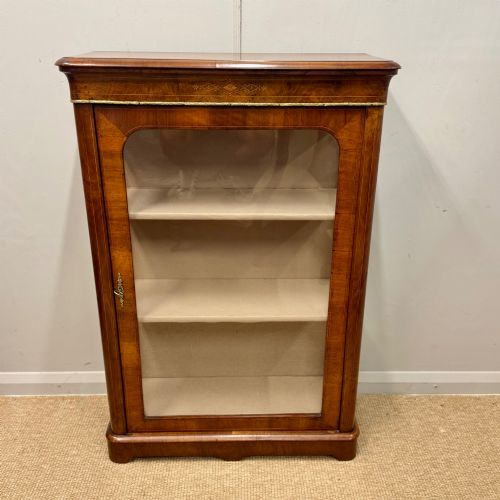
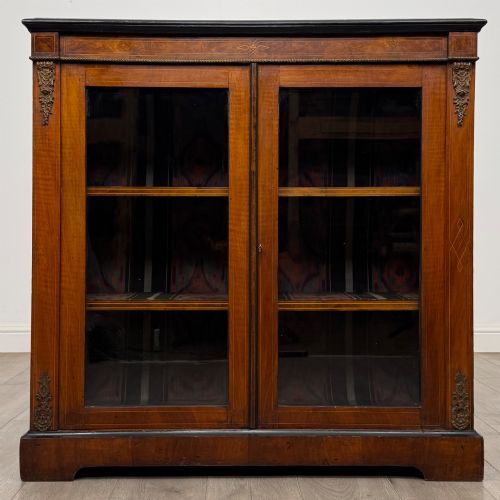
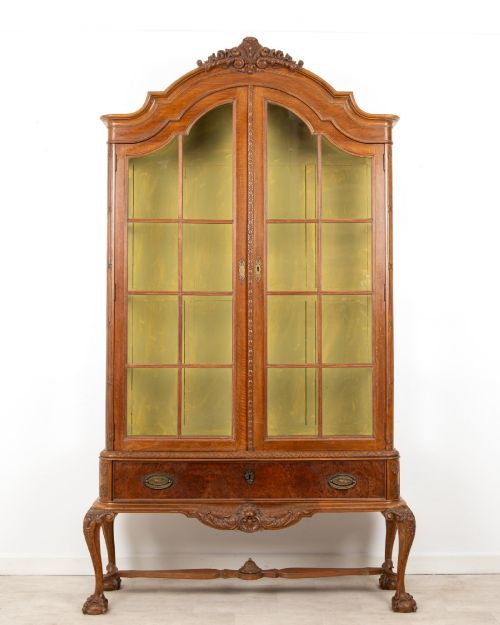
A burr walnut glazed bookcase combines the highly figured timber of the walnut tree's root growth with protective glass doors designed for displaying leather-bound volumes and cherished objects. These pieces range from tall architectural breakfronts down to compact credenzas and pier cabinets.
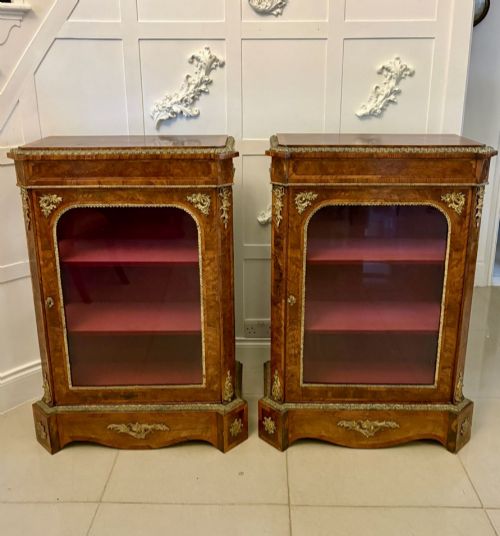
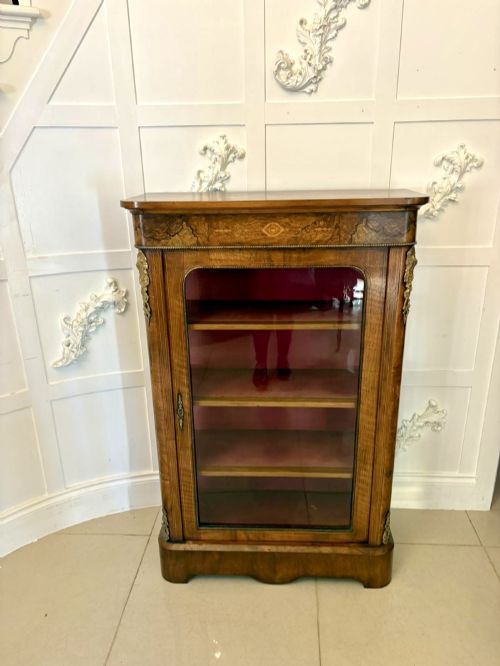
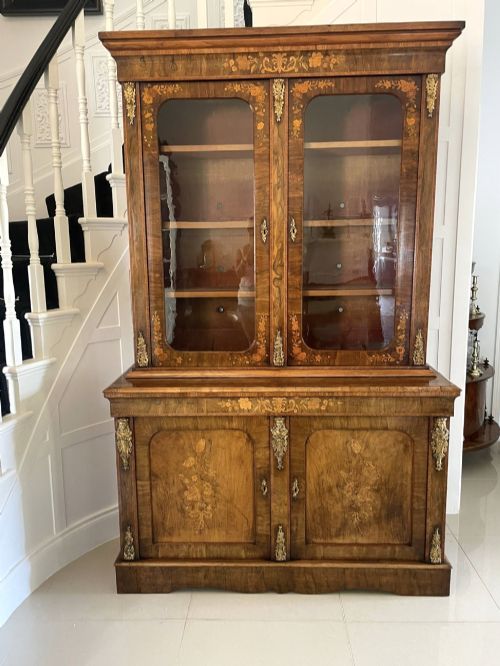
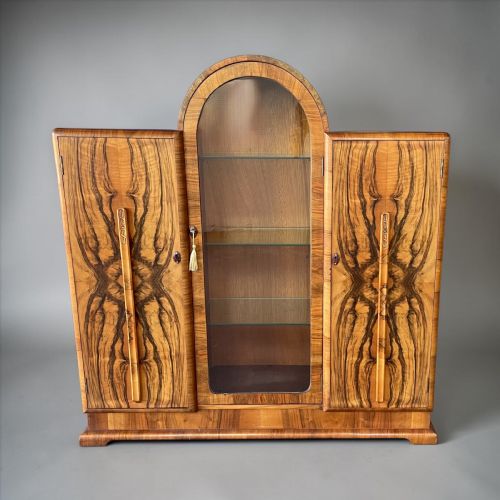
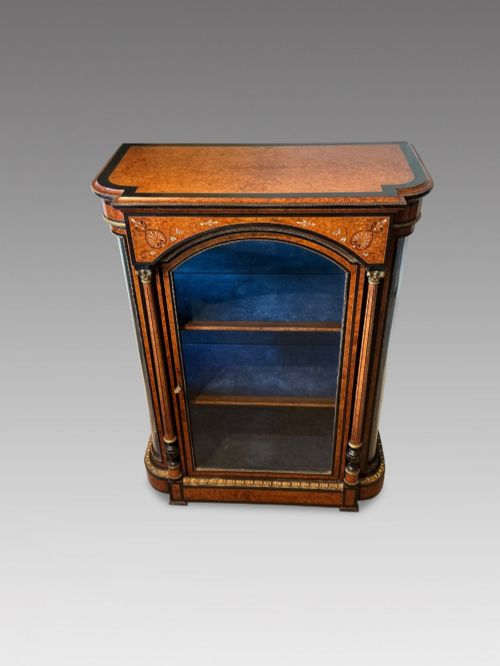
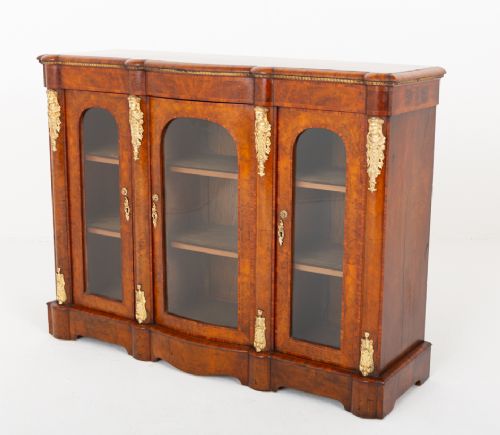
The version most commonly encountered on this page is the Victorian example, often dating from the mid to late nineteenth century and displaying rich figuring alongside glass upper sections. Makers also produced these cabinets in Edwardian times and during the Art Deco period, adopting distinct regional revival styles.
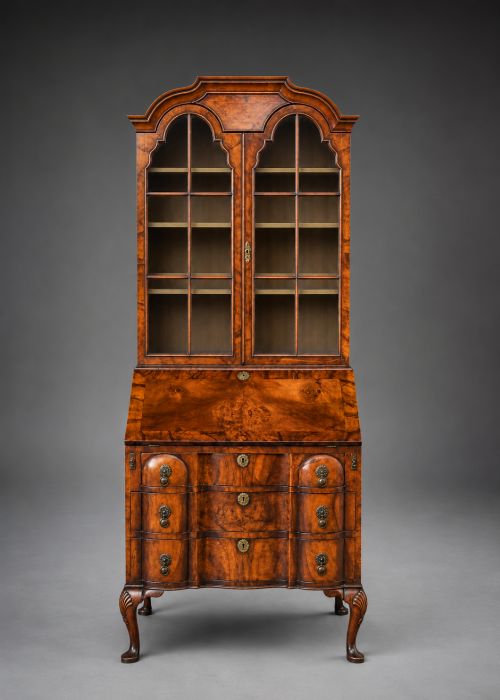
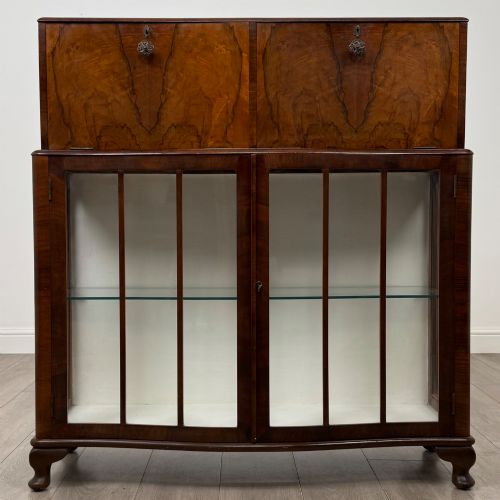
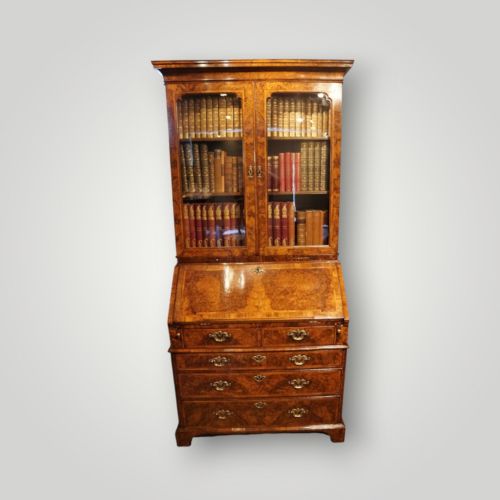
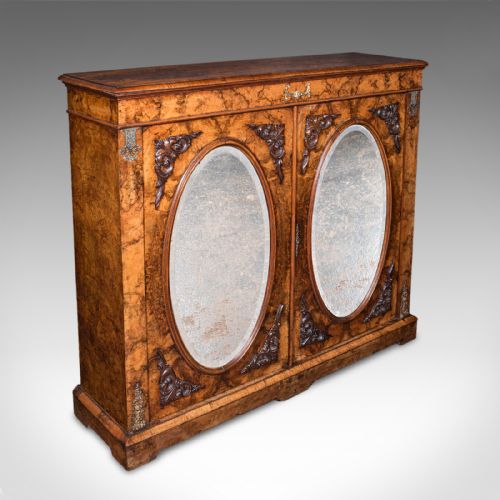
Beyond standard bookcases, the records show bureau bookcases with fitted drop-front writing desks, as well as slim pier cabinets and display cases fitted with glass panels. Each form utilises the natural decorative properties of burr timber to draw the eye across the facade.
Materials and construction methods
Cabinet makers sliced thin veneers from burr walnut burls and applied them carefully to solid foundational timbers to create swirling, symmetrical patterns across the doors and drawer fronts. This technique maximised the visual impact of scarce, highly knotted wood figures.
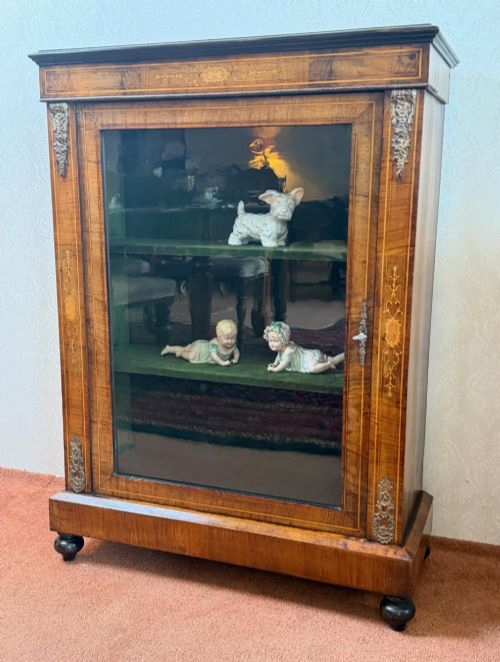
Brass hardware, ormolu mounts, and delicate boxwood stringing frequently accented the rich brown tones of the walnut carcass. Interior shelving often sat behind glazed doors framed in matching timber, while velvet or fabric linings occasionally cushioned the enclosed display spaces.
Listings feature burr walnut glazed bookcases spanning the Georgian, Victorian, Edwardian, and Art Deco periods, utilising glass, brass, ormolu, and boxwood.
Distinctions in quality
The division between ordinary and exceptional examples rests primarily in the density and symmetry of the burr walnut veneer selection. Top-tier pieces display matched grain patterns that mirror each other across panels, whereas lesser items use plain walnut or mismatched cuts.
Construction details such as hand-cut dovetailing, heavy ormolu mounts, intricate marquetry inlay, and original drawn glass panes elevate a piece significantly. Superior cabinets maintain tight door seals and fully functional brass locks without structural warping.
The Burr Walnut Glazed Bookcase Glossary
- Burr walnut
- A veneer sliced from the distorted growth or knot of a walnut tree, prized for its complex, swirling grain patterns. It creates a highly decorative surface on nineteenth-century cabinet doors.
- Breakfront
- A piece of furniture where the central section projects forward from the flanking wings. This architectural layout adds depth and presence to large library bookcases.
- Pier cabinet
- A low, narrow cabinet specifically designed to fit the wall space between windows. Victorian makers frequently fitted these with glass doors and ormolu mounts.
- Ormolu
- Gilded bronze ornamentation applied to cabinet corners and mounts. It provides a bright metallic contrast against dark wood veneers.
- Marquetry
- The art of forming decorative patterns using thin veneers of different woods and materials. Craftsmen inlaid these designs into the main panels of quality display cabinets.
- Secretaire
- A cabinet incorporating a pull-out writing drawer with a drop front and small internal compartments. It combines a writing desk with traditional bookshelf storage.
Burr Walnut Glazed Bookcase: Frequently Asked Questions
Where should I place a burr walnut glazed bookcase?
These cabinets suit drawing rooms, studies, or libraries where natural light highlights the swirling grain of the timber. Keep them away from direct sunlight and strong heat sources to protect the delicate veneer and antique glass.
Position the bookcase against a sturdy interior wall with adequate clearance for the doors to swing open fully. Placing the piece away from damp exterior walls preserves the structural integrity of the walnut carcass.
How do I care for the burr walnut finish?
Dust the timber regularly with a soft, dry cloth to prevent grit accumulation on the delicate veneer surface. Avoid modern silicone polishes and instead use traditional beeswax sparingly to nourish the antique wood.
Maintain stable room humidity to prevent the walnut from drying out or the glue beneath the veneer from failing. Professional conservation wax applied once a year keeps the finish sealed against moisture.
How can I tell a Victorian from an Edwardian bookcase?
Victorian examples often feature heavier proportions, darker finishes, and elaborate ormolu mounts or marquetry inlay. The burr walnut grain on these mid-nineteenth-century pieces tends to be deeply figured and set within architectural breakfront frames.
Edwardian cabinets frequently display lighter golden tones in the walnut veneer alongside more restrained Queen Anne revival styling. These later pieces often utilise simpler glazing bars and cleaner, less ornate decorative schemes than their Victorian predecessors.