
Victorian Double Door Cabinet
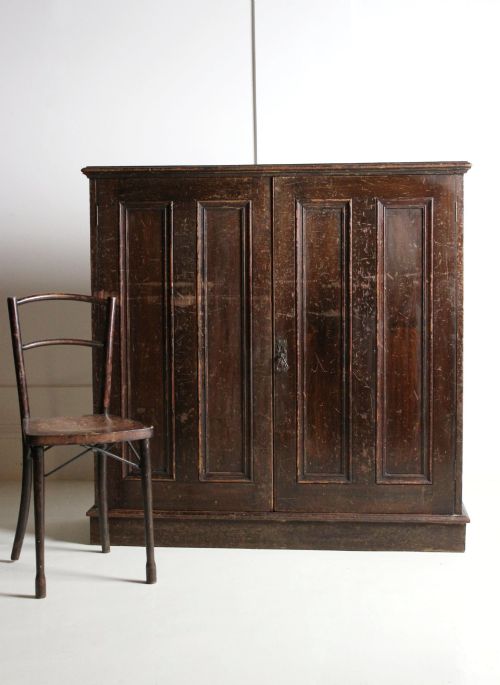
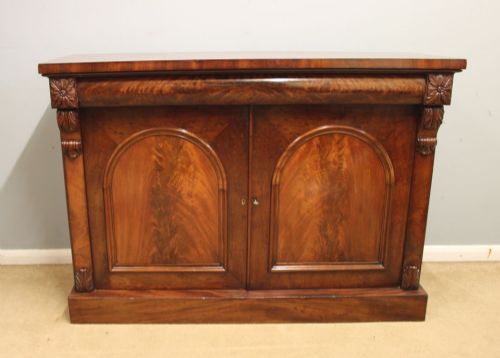
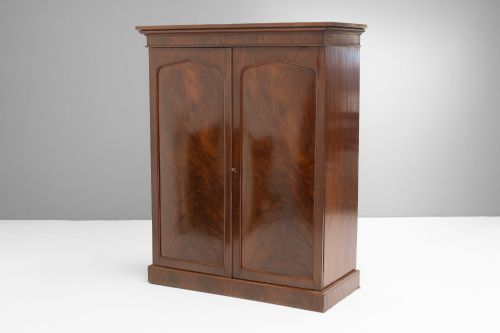
A victorian double door cabinet brings symmetrical storage and rich timber grain to a room, offering practical display or shelving behind matching panels.
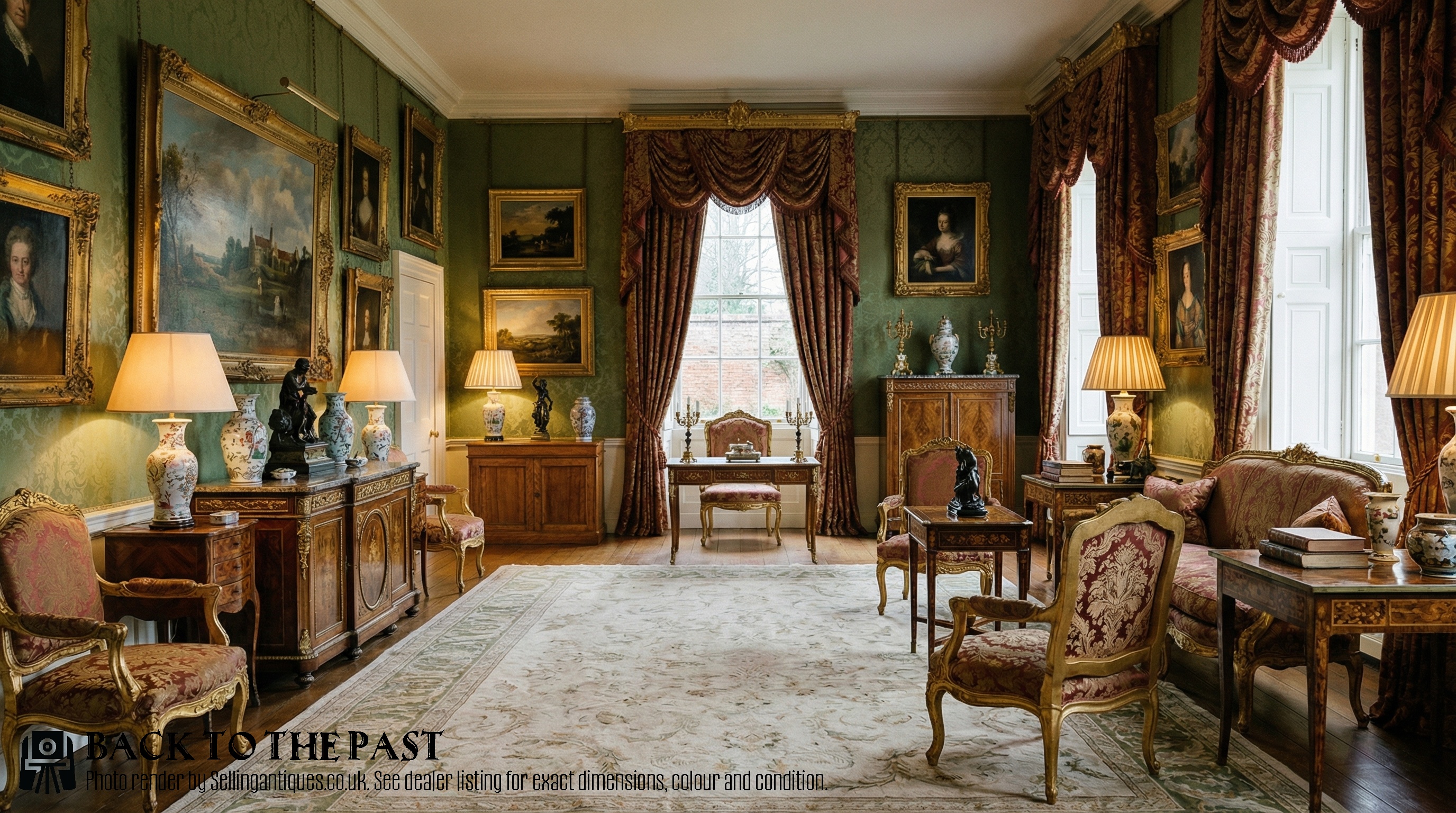
Victorian Double Door Cabinet
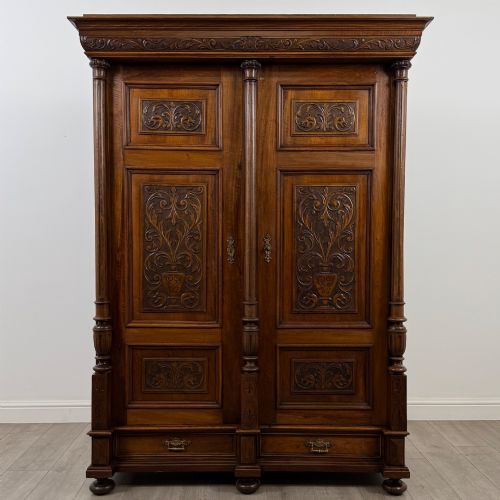
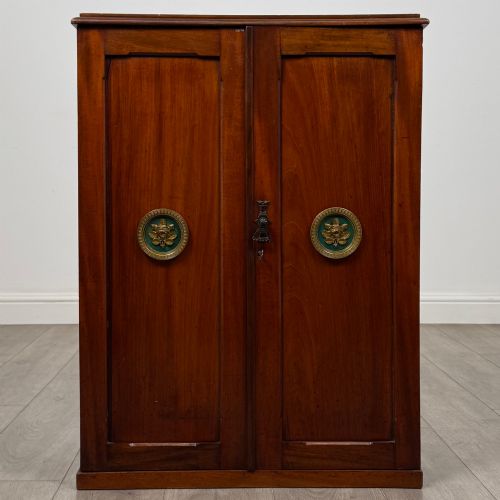
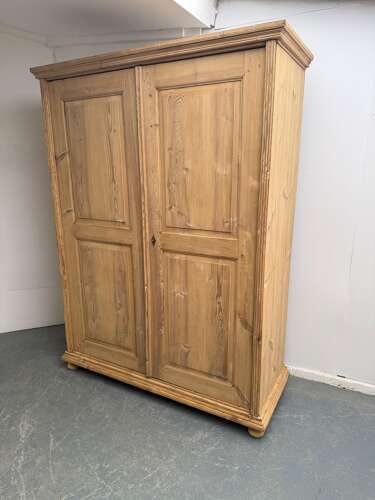
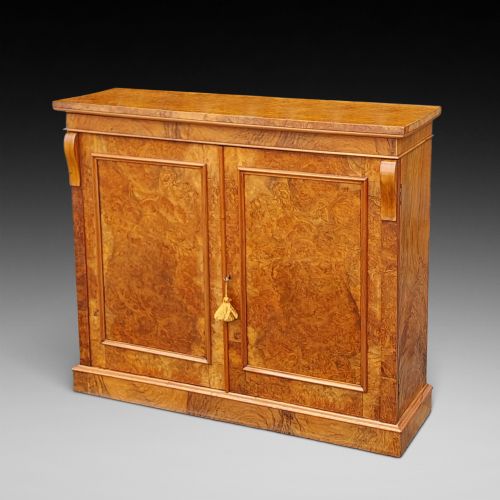
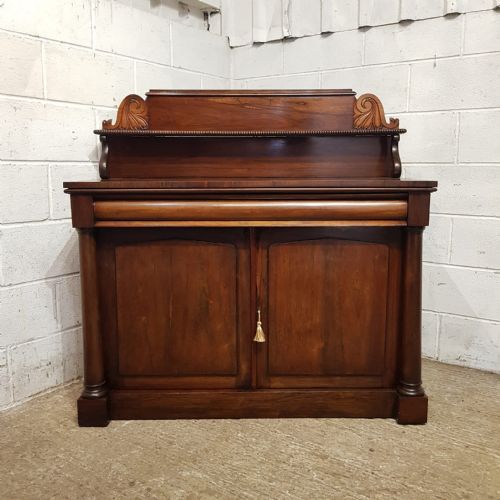
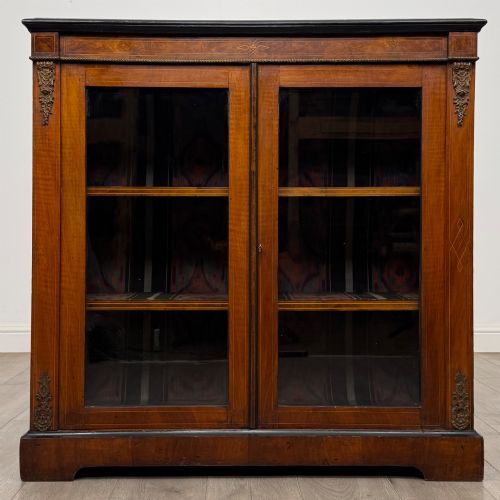
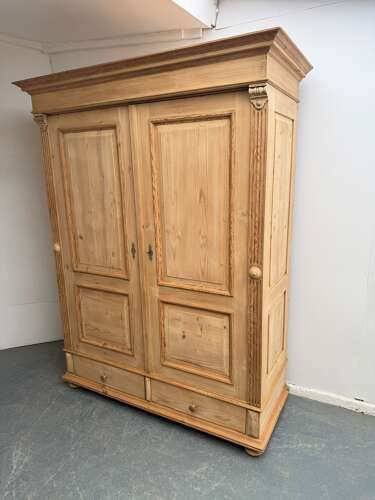
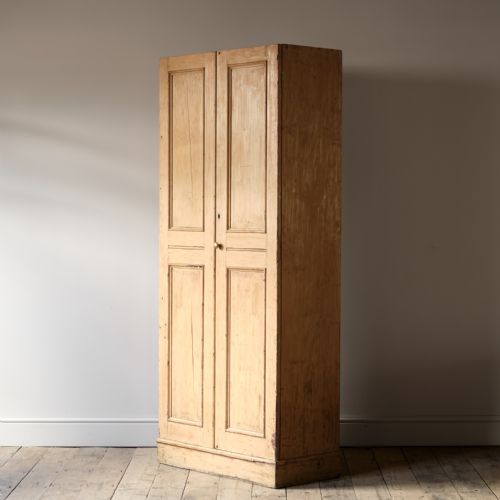
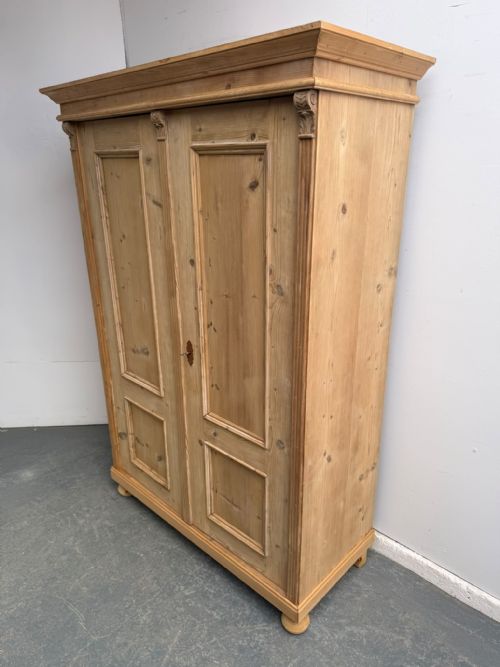
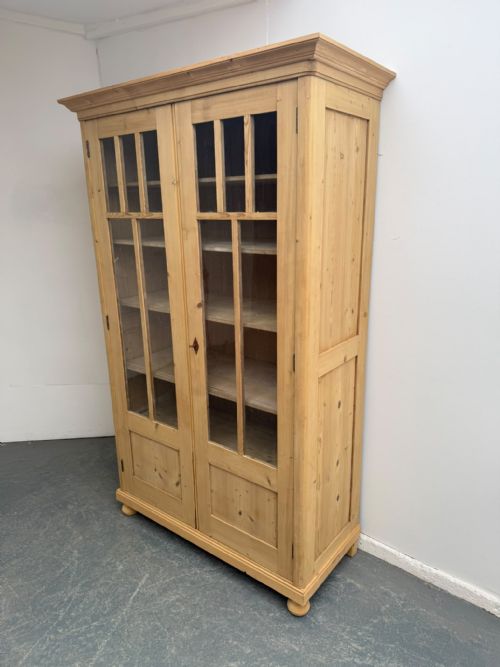
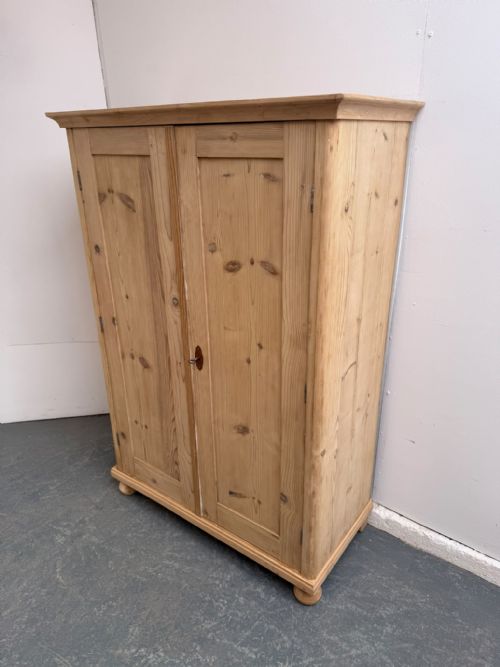
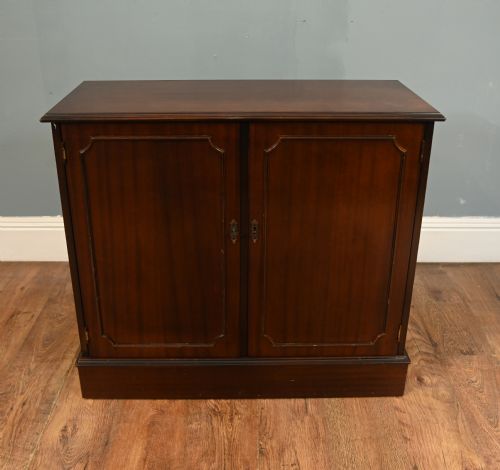
When searching for a victorian double door cabinet, you encounter pieces primarily dating from the nineteenth century, including specific years like eighteen seventy, eighteen fifty, eighteen sixty, and eighteen ninety, alongside broader periods such as the eighteenth century and nineteen fifty. These items manifest in various forms including display cabinets, wardrobes, cupboards, sideboards, bookcases, pier cabinets, and armoires, reflecting diverse stylistic influences from Victorian country and French provincial to Chippendale revival, Biedermeier, and Renaissance revival.
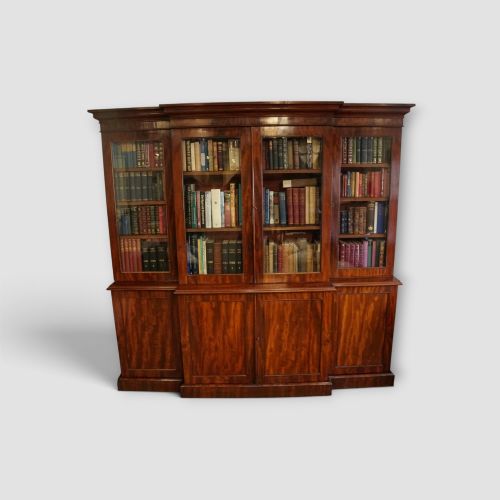
The version you are most likely to meet on this page is constructed from timbers like mahogany, walnut, burr walnut, flame mahogany veneer, and pine, sometimes accented with glass, brass, and ormolu. These materials give rise to functional storage furniture intended for bedrooms, living rooms, and libraries, spanning regional pine cupboards to polished walnut pier cabinets and mahogany bookcases.
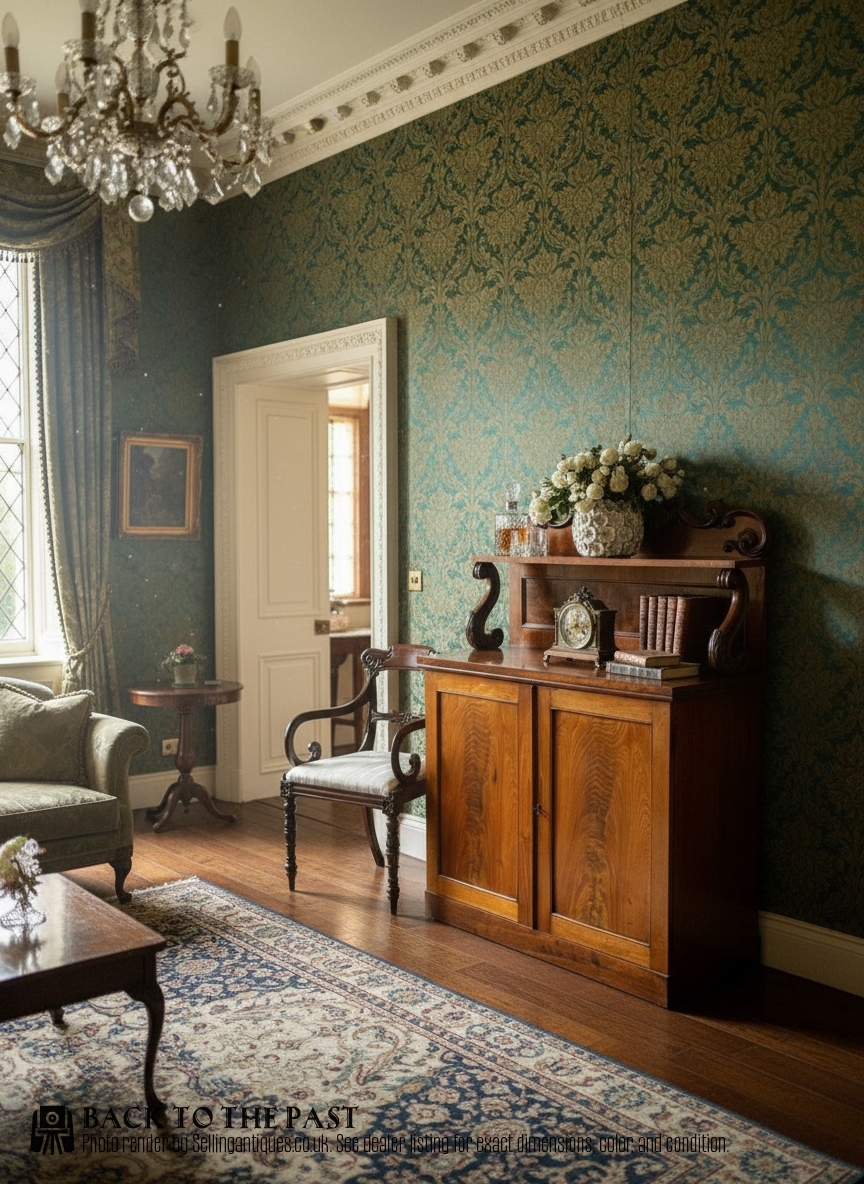
Materials and construction
Makers of these items relied heavily on solid hardwoods and decorative veneers, notably mahogany, walnut, and burr walnut, applied over secondary woods like pine. Glass panels frequently appeared in upper doors for display purposes, whilst brass and ormolu provided hardware and decorative mounts for key escutcheons and trim.
Construction techniques balanced structural rigidity with aesthetic display, utilising knockdown frames for large wardrobes to facilitate transport, and precision veneering to highlight figured wood grains. Joinery methods included traditional mortise and tenon frames for doors, ensuring stability across wide panels of timber.
Victorian Double Door Cabinet Retail Price Guide 2026
Typical asking prices for victorian double door cabinet among the pieces listed under this phrase on Sellingantiques today, from the lower quarter to the upper quarter. They describe what is for sale here now, not the wider market.
Judging the range of execution
The upper tier of these pieces displays meticulous selection of timber, such as highly figured burr walnut or flame mahogany veneer matched symmetrically across both doors. Craftsmanship at this level includes refined inlay work, fine marquetry, and cleanly carved mouldings that demonstrate the maker's precise hand.
Simpler iterations prioritise utilitarian function over ornamental detail, utilising plain stained pine or straightforward mahogany construction intended for daily storage rather than formal display. Quality differences reside in the depth of finish, the crispness of any applied carving, and the harmonious grain selection of the primary wood.
Maple and Co
The Victorian Double Door Cabinet Glossary
- Pier cabinet
- A low freestanding cabinet designed to sit against the wall space between windows. These pieces often feature glass doors and elaborate walnut or marquetry decoration.
- Compactum wardrobe
- A large fitted wardrobe combining hanging space with drawers, shelves, and compartmentalised storage. This form offers multi-purpose organisation within a single double door unit.
- Marquetry
- The art of applying small pieces of veneer to a structure to form decorative patterns or pictures. Craftsmen utilise contrasting woods to create intricate geometric or floral designs on door panels.
- Chiffonier
- A low sideboard or cabinet with a raised back or shelf tier, popular during the mid-nineteenth century. It provides compact enclosed storage beneath a display surface.
- Flame mahogany veneer
- A thin slice of mahogany timber cut from the point where a branch joins the trunk, producing a flickering flame-like pattern. Furniture makers prized this grain for its striking visual movement on cabinet doors.
Victorian Double Door Cabinet: Frequently Asked Questions
What is a double door cabinet?
A double door cabinet is an enclosed piece of furniture featuring two matching hinged doors that open to reveal interior shelving, hanging space, or compartments. These units provide symmetrical storage while concealing the contents from view.
In nineteenth-century interiors, such pieces served practical functions in bedrooms, libraries, and parlours. Their twin doors allowed easy access to wide storage spaces compared to single-door alternatives.
How were these cabinets used?
These cabinets served multiple domestic purposes depending on their internal configuration and room placement. Wardrobes held clothing, bookcases stored volumes, and pier cabinets displayed ceramics or collected curiosities.
Cupboards and sideboards managed household linens, dining wares, or general provisions. Their dual-door design kept contents orderly and protected from dust in active nineteenth-century homes.
How do you style a cabinet in a modern home?
You can integrate these wooden cabinets into contemporary spaces by contrasting their traditional dark grains against neutral walls. Use glazed display versions to showcase books, glassware, or collections while keeping everyday items stored out of sight behind solid panels.
Allow the natural timber warmth to anchor a room, pairing mahogany or walnut tones with minimalist furniture. Their scale provides functional storage without overwhelming modern architectural layouts.
How do you tell periods apart?
Distinguishing periods involves examining the choice of timber, structural proportions, and decorative vocabulary. Early nineteenth-century pieces often feature rich rosewood or flame mahogany with restrained classical lines, whilst mid-century examples increasingly employ burr walnut and marquetry.
Later Victorian and revival styles from the late nineteenth century introduce heavier carved details, oak construction, or specific stylistic revivals like Chippendale and Renaissance motifs.