



Mahogany Console Cupboard
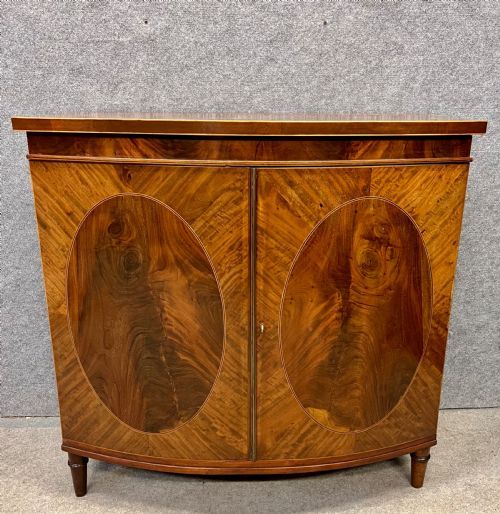
These mahogany console cupboards combine the utility of a side cabinet with the graceful footprint of a console, offering structured storage for any interior.
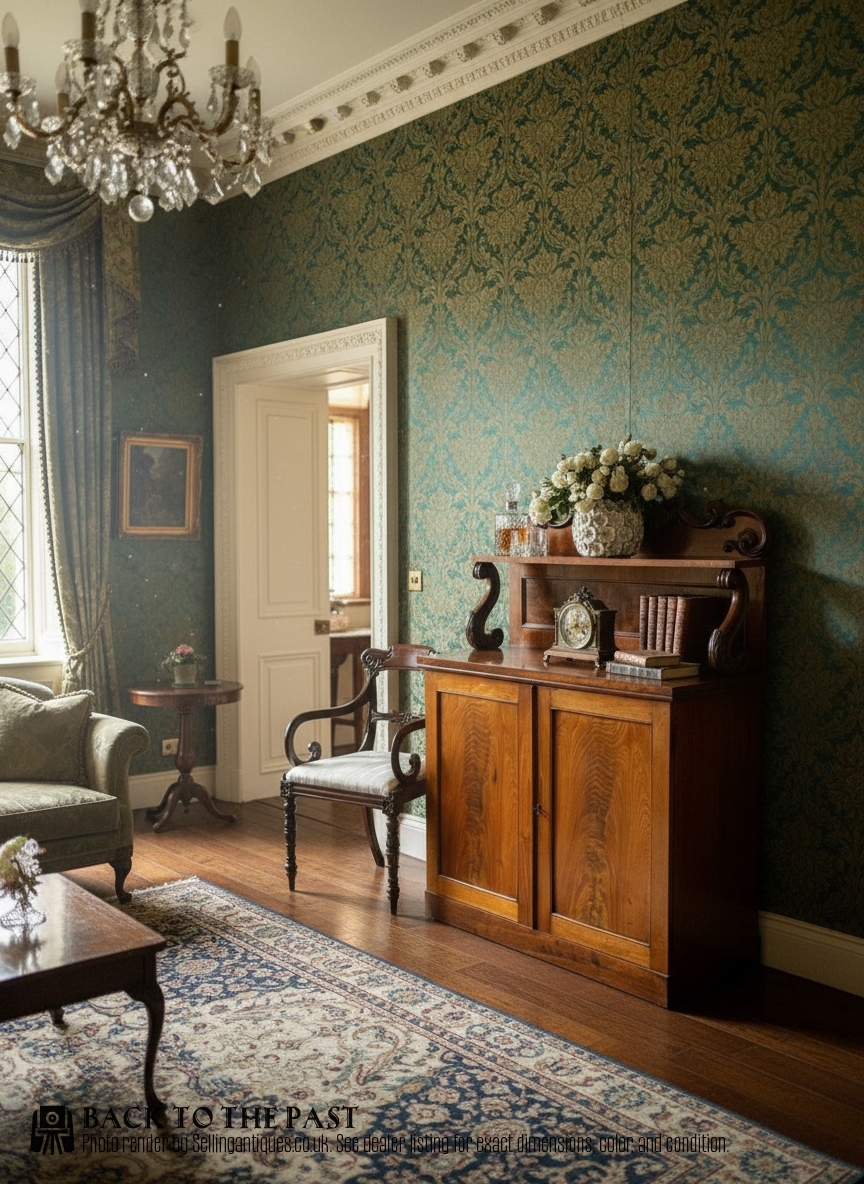
Mahogany Console Cupboard
A mahogany console cupboard brings together surface display and concealed storage within a compact, often semi-circular or bow-fronted footprint. When you search for a mahogany console cupboard, you meet forms that bridge the gap between a side table and a storage cabinet, frequently designed to stand flush against a wall.
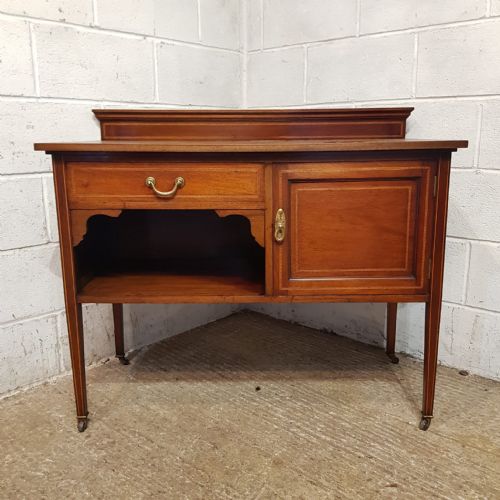
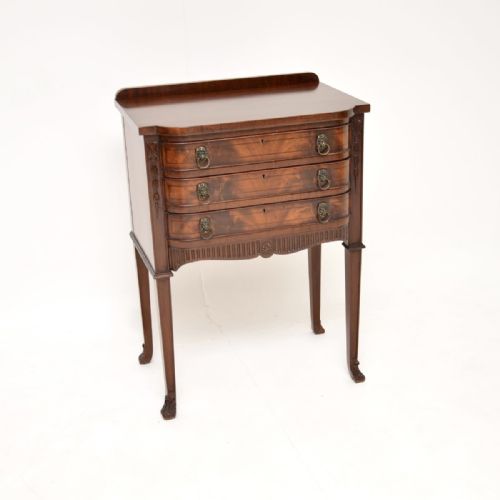
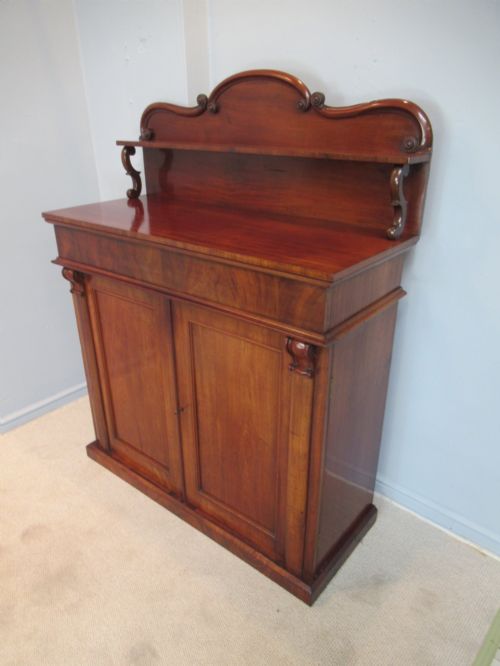
The pieces appearing here span from the eighteenth century through the Edwardian period and into the nineteen-thirties, drawing on styles such as Sheraton Revival, Neo-Classical, and Victorian. Side cabinets, chiffoniers, and demi-lune commodes make up the primary physical forms you encounter within these listings.
Many examples utilise specific historical revivals, including Louis XVI style, Hepplewhite, and Chippendale interpretations. The origins of these items stretch across English workshops, continental makers, and later revivalist studios.
Construction and materials
The primary structural timber across these pieces is mahogany, frequently enhanced by decorative veneers such as flame mahogany. Workshops combined this dense wood with contrasting stringing and banding in satinwood and boxwood.
Surface enrichment often relied on marquetry and delicate painted details, particularly in Sheraton Revival pieces. Hardware typically involves cast brass for handles, feet, and mounts, while certain continental and revival pieces incorporate marble tops.
Some nineteenth-century makers hid small tambour doors in half-moon cabinets simply to watch guests search for the handle.
Distinguishing quality
The distinction between standard examples and finer pieces lies in the precision of the timber selection and the execution of the inlay. Selecting highly figured flame mahogany or intricate satinwood and boxwood inlay demonstrates a higher tier of craftsmanship.
The refinement of carved details, parcel gilding, and the integration of fitted marble tops or tambour doors separate workshop production from ordinary output. Well-executed proportions and balanced hardware placement further elevate a piece.
The Mahogany Console Cupboard Glossary
- Demi-lune
- Having a half-moon shape with a flat back and a curved front. This profile allows the piece to sit neatly against a wall while offering interior storage.
- Marquetry
- The art of applying pieces of veneer to a structure to form decorative patterns. Craftsmen utilised various coloured woods to create intricate pictorial or geometric designs.
- Chiffonier
- A low sideboard or cabinet featuring a combination of drawers and shelves enclosed by doors. It evolved during the nineteenth century as a practical dining room or parlour furnishing.
- Stringing
- A narrow strip of contrasting timber inlaid into the surface of a piece. It outlines panels and drawers to provide crisp visual definition.
- Tambour
- A surface constructed from narrow vertical strips of wood glued to a canvas backing, allowing doors to slide around a curved corner. This mechanism is typical of refined eighteenth and nineteenth-century storage pieces.
Mahogany Console Cupboard: Frequently Asked Questions
How do I date a mahogany cabinet?
Dating relies on observing structural characteristics, timber choice, and decorative styles like Sheraton Revival or Victorian carving.
Secondary woods and construction methods inside the carcass also provide clear indicators of period origin.
Where should I place a console cupboard?
These cupboards suit narrow hallways, living rooms, and dining areas where floor space is at a premium.
Their shallow depth allows them to serve as a serving surface or display stand without obstructing walkways.
What is Sheraton Revival style?
Sheraton Revival refers to late nineteenth and early twentieth-century furniture inspired by the neo-classical designs of Thomas Sheraton.
Pieces from this era frequently display delicate satinwood inlay, tapered legs, and painted classical motifs.