
Vintage Bookcase Glass Doors
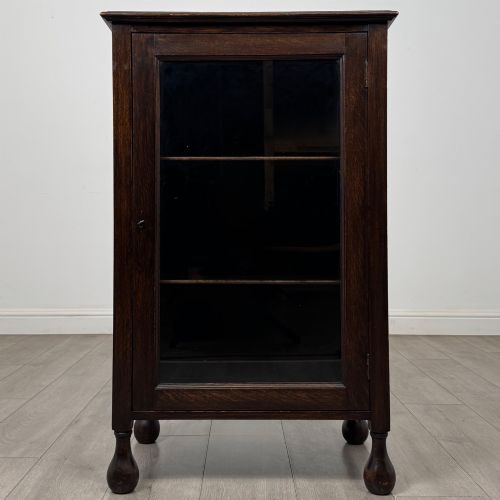
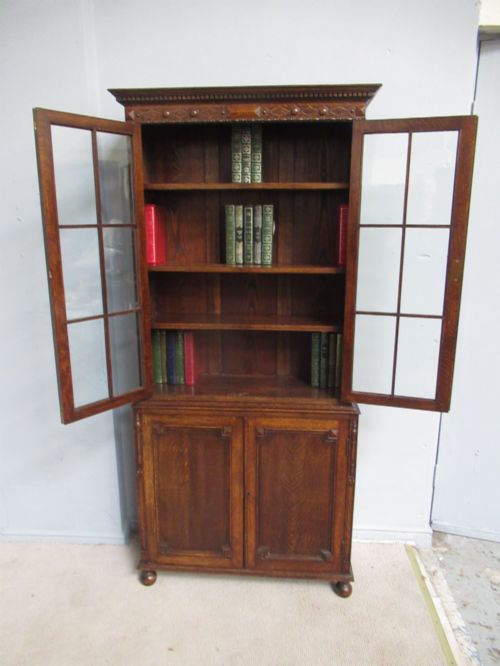
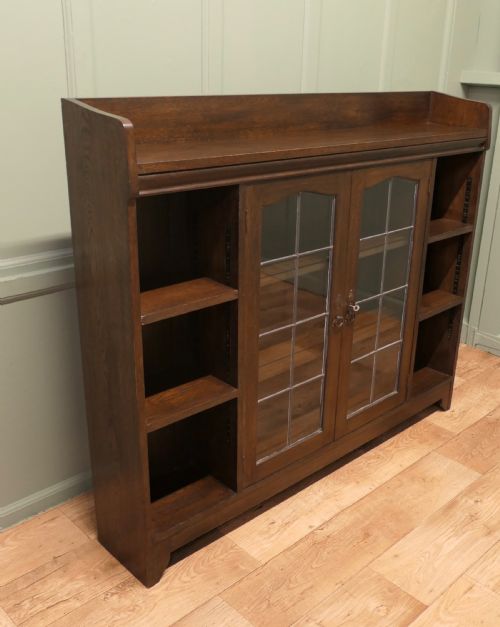
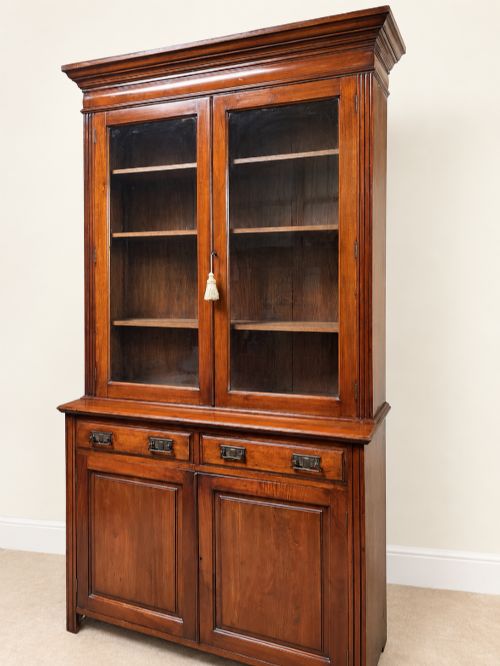
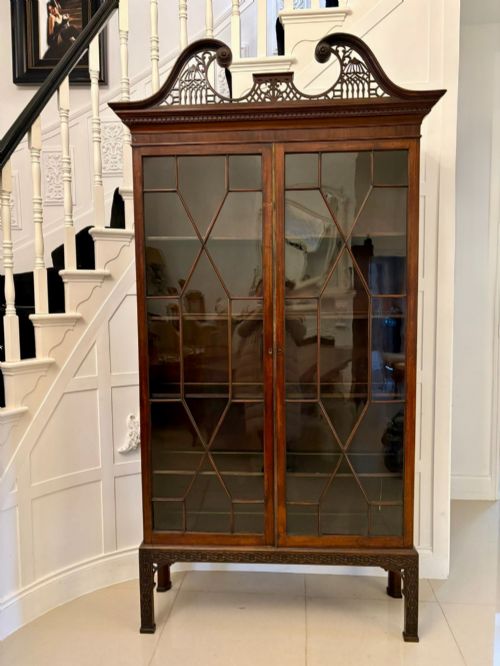
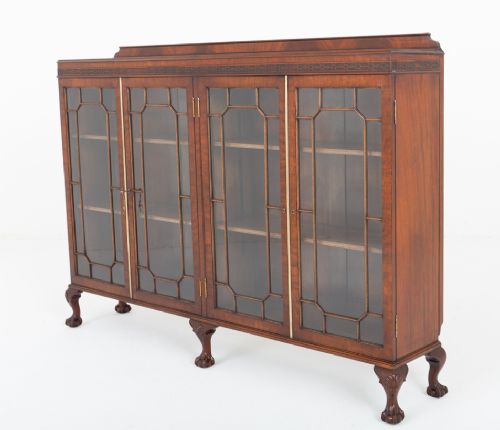
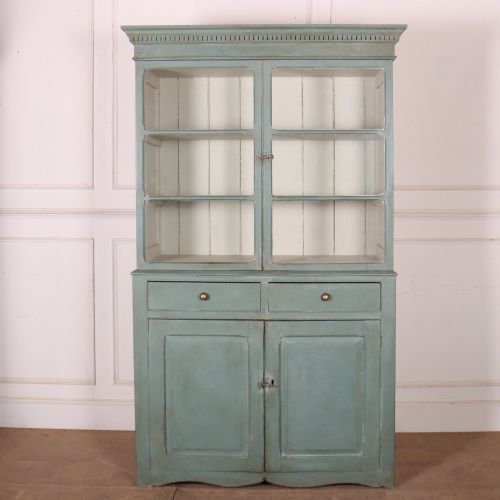
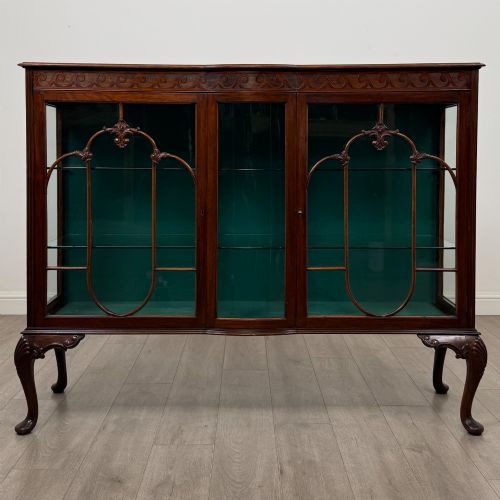
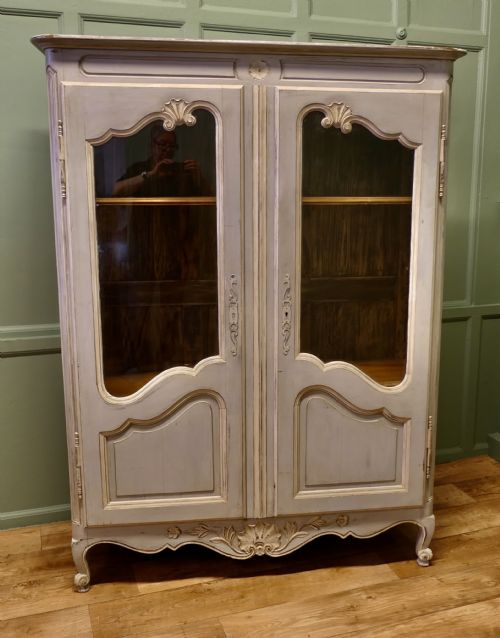
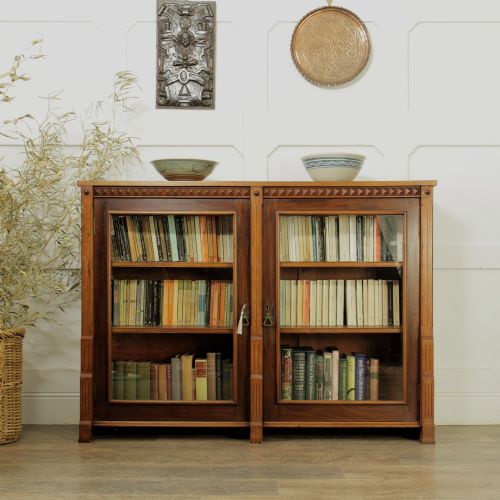
Vintage bookcase glass doors offer a clear view of your volumes while keeping dust at bay, drawing from Victorian and Edwardian craftsmanship.
Vintage Bookcase Glass Doors
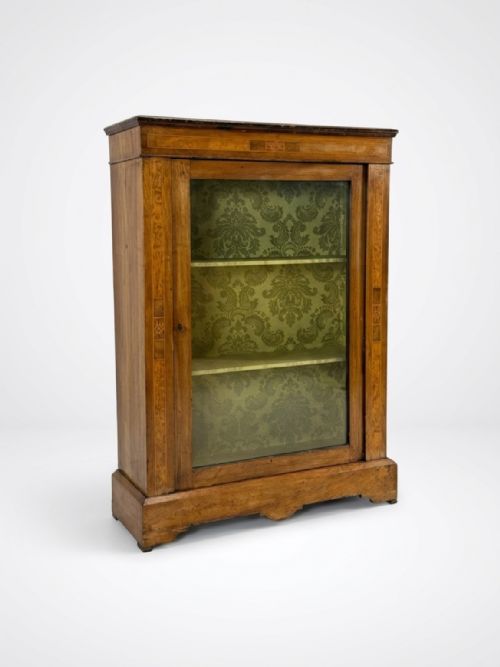
When you search for vintage bookcase glass doors, you encounter storage furniture designed to protect books and display objects behind transparent panes. These pieces span the Victorian and Edwardian periods, stretching into the nineteen-twenties and nineteen-thirties with revival styles.
The selections on this page lean heavily towards Edwardian oak and mahogany examples alongside nineteenth-century pieces. You meet everything from slim single-door cabinets to large multi-door furniture.
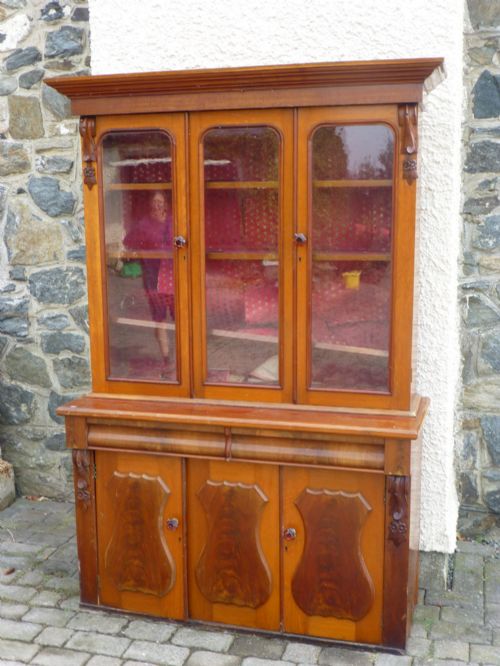
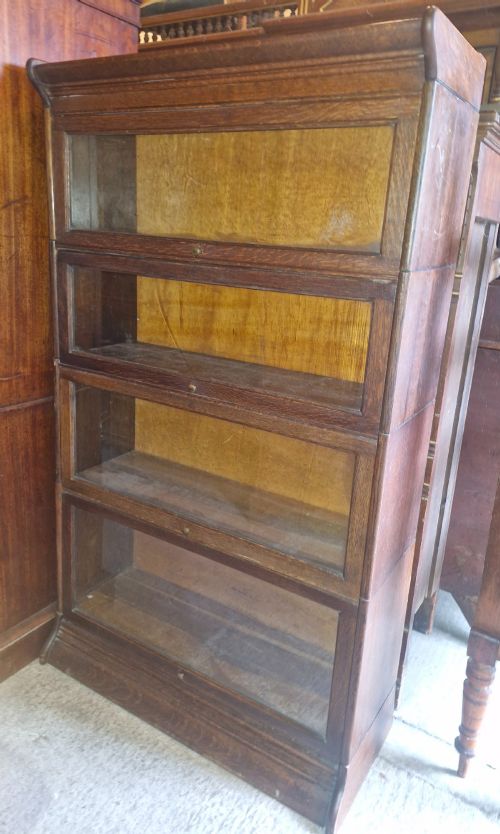
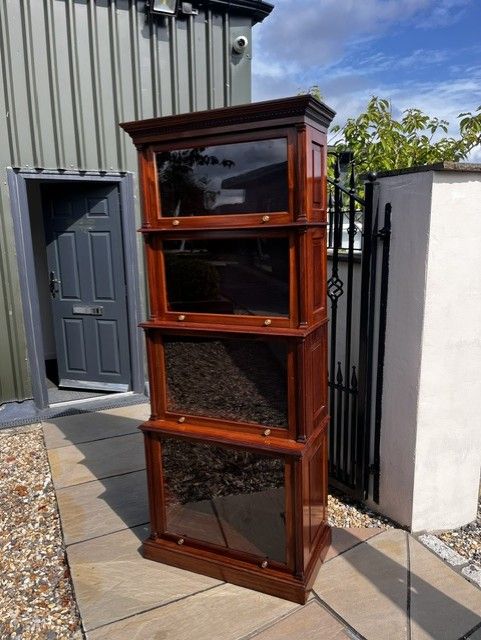
Forms include sectional stacking bookcases, freestanding display cabinets, and tall kitchen dressers with glazed upper sections. Each variety serves the dual purpose of visible storage and interior display.
How they were made
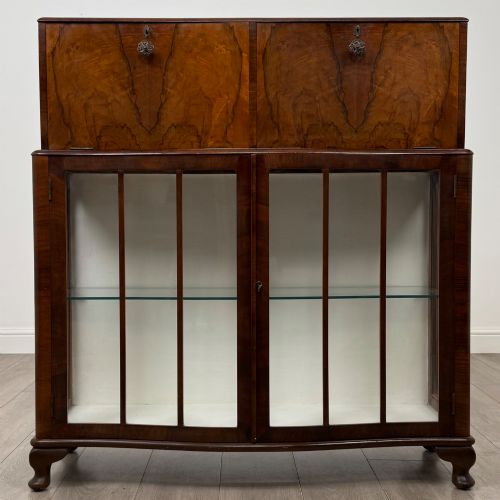
Cabinet makers constructed these pieces using solid timbers like oak, walnut, and mahogany, often applying veneers such as figured and burr walnut over secondary woods. Satinwood inlay and brass hardware frequently accent the main structure.
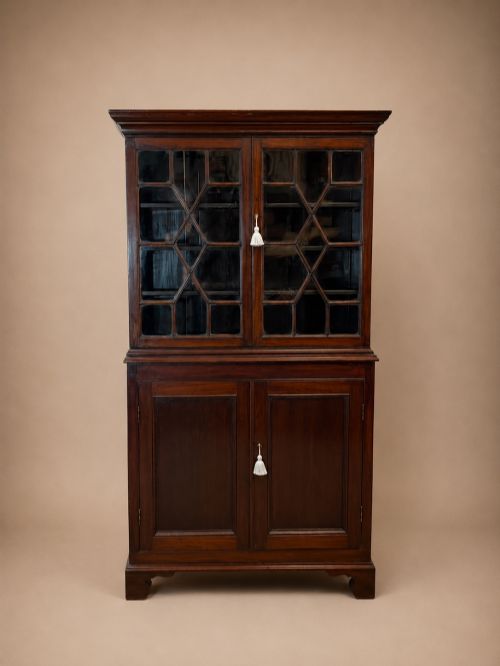
Glazing techniques range from single large panes to leaded lights and astral glazing bars that divide the glass into smaller geometric sections. Sectional stacking designs incorporate specialised mechanical action for the lifting glass doors.
Sectional barrister bookcases let you stack your library ever upward, proving that cabinet makers understood the eternal human urge to buy more books.
What varies in quality
The distinction between ordinary and superior pieces rests on the choice of timber and the precision of the joinery. Figured walnut veneers, inlaid satinwood borders, and solid English oak indicate more ambitious manufacturing than plain utility builds.
Hardware execution and glazing bar fineness separate workshop production from mass output. Original glass panes, well-fitted doors, and balanced proportions determine the overall integrity of the piece.
Wylie and Lochhead·Lebus·Globe Wernicke
The Vintage Bookcase Glass Doors Glossary
- Astral glazing
- Wooden or metal bars that divide a glass window or door into smaller panes. They create a grid pattern characteristic of period cabinetry.
- Sectional bookcase
- A modular bookcase built in stacked horizontal tiers with individual glass doors for each section. This style is also known as a barrister or stacking bookcase.
- Vitrine
- A glass-sided cabinet or display case used for exhibiting fine objects or books. These pieces often feature glazed doors on the front and sides.
- Secretaire bookcase
- A tall cabinet featuring a pull-out writing drawer with a fitted desk interior beneath upper glazed doors. It combines a bureau workspace with traditional library storage.
Vintage Bookcase Glass Doors: Frequently Asked Questions
How do I clean the glass?
Use a gentle glass cleaner applied to a cloth rather than sprayed directly onto the surface. This prevents moisture from seeping into antique wooden frames or nineteenth-century putty.
Take care around leaded or astral glazed sections to avoid putting lateral pressure on fragile historic glazing bars.
Are stacking bookcases difficult to move?
Sectional stacking bookcases dismantle into individual tiers and a base plinth, making transport straightforward. Each layer lifts off independently without tools.
Keep the individual sections upright during transit to protect the lifting glass door mechanisms.
Will standard shelves fit large books?
Many period bookcases feature adjustable wooden shelves supported by rack systems or brass pins. You can reposition these to accommodate taller folios.
Fixed-shelf cabinets require you to check internal clearance measurements before housing oversized volumes.
How do I distinguish Edwardian from Victorian?
Victorian pieces tend to feature heavier timbers, deep carved mahogany, and darker finishes. They often display robust proportions and elaborate ornamentation.
Edwardian furniture frequently employs lighter golden oak, satinwood inlay, and airier designs influenced by twentieth-century aesthetic shifts.