


Epstein Walnut Furniture
Epstein walnut furniture brings bold Art Deco presence into a room, offering striking burr figures and substantial proportions.
Epstein Walnut Furniture
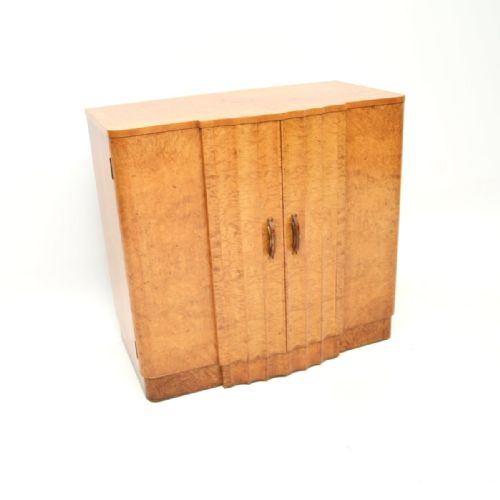
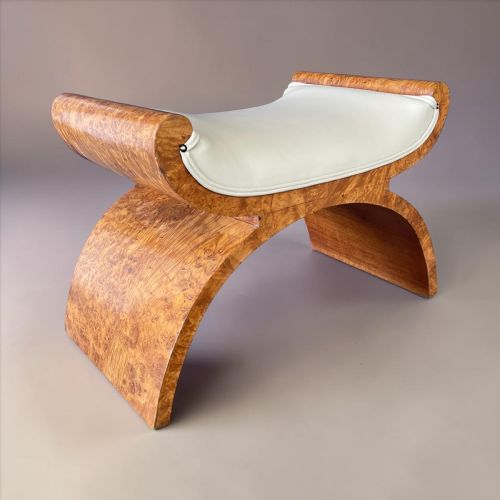
Epstein walnut furniture encompasses substantial Art Deco sideboards, cocktail cabinets, and dining suites originating from the 1920s and 1930s. Buyers searching for epstein walnut furniture encounter bold seating, nests of tables, and console tables rooted in the period.
The selection on this page centres primarily on pieces from 1930, alongside examples from 1920, reflecting the peak era of the makers. Forms range from lounge suites and stools to games tables and wardrobes.
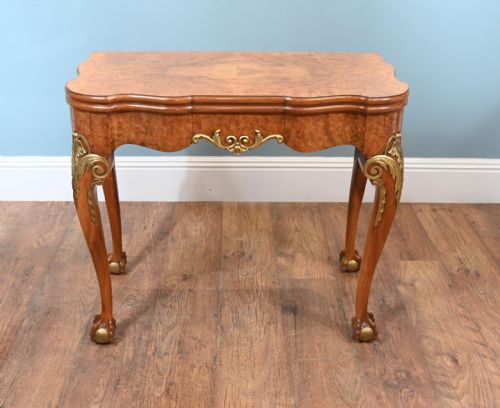
Art Deco styling dominates the listings, while Queen Anne revival and Queen Anne style pieces represent the earlier traditional strand of production. These works combine robust utility with striking visual character.
What varies in quality
The selection and arrangement of burr walnut veneer dictate the visual impact of each cabinet and sideboard. Matched grain patterns across multiple doors or drawer fronts demonstrate superior workmanship.
The integration of secondary materials such as sycamore linings, brass hardware, and marquetry details distinguishes standard utility pieces from more ambitious commissions.
Listings feature items dated to 1920 and 1930, executed in burr walnut, walnut veneer, leather, brass, and bakelite.
Harry and Lou Epstein·Epstein and Co
The Epstein Walnut Furniture Glossary
- Burr Walnut
- A figured wood veneer harvested from tree growths, producing swirling, intricate grain patterns across cabinet doors and tabletops. This material defines the primary aesthetic of the Art Deco pieces.
- Art Deco
- A design style from the interwar period characterised by streamlined forms, geometric ornamentation, and modern materials. It heavily influences the architectural lines of these cabinets and dining suites.
- Cloud Suite
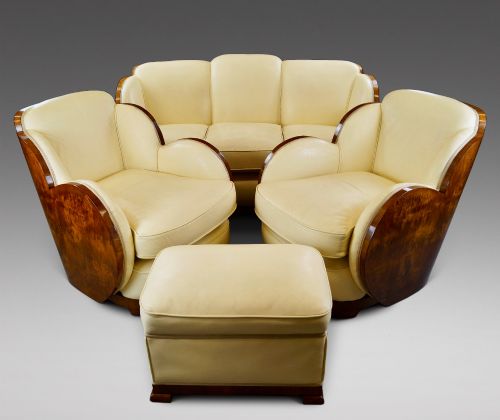
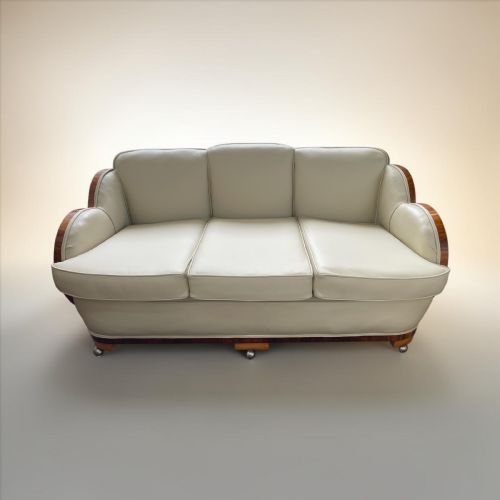
- A descriptive term for rounded, heavily upholstered lounge furniture with distinctive curved backs and padded arms. These suites typify the voluminous seating designs of the era.
- Marquetry
- The art of applying pieces of veneer to a structure to form decorative patterns and pictures. It appears on select cocktail cabinets and tables within the inventory.
- Nest of Tables
- A set of graduated tables designed to stack neatly beneath one another when not in use. The listings include sets comprising up to five individual tables.
Epstein Walnut Furniture: Frequently Asked Questions
What defines Epstein Art Deco furniture?
Epstein furniture from the Art Deco period is characterised by heavy, robust proportions and the extensive use of figured burr walnut veneers. Pieces often feature curved silhouettes, waterfall edges, and integrated hardware.
Craftsmen balanced decorative ambition with practical storage, producing substantial sideboards, cocktail cabinets, and dining tables designed to anchor large reception rooms.
How do I identify an Epstein cocktail cabinet?
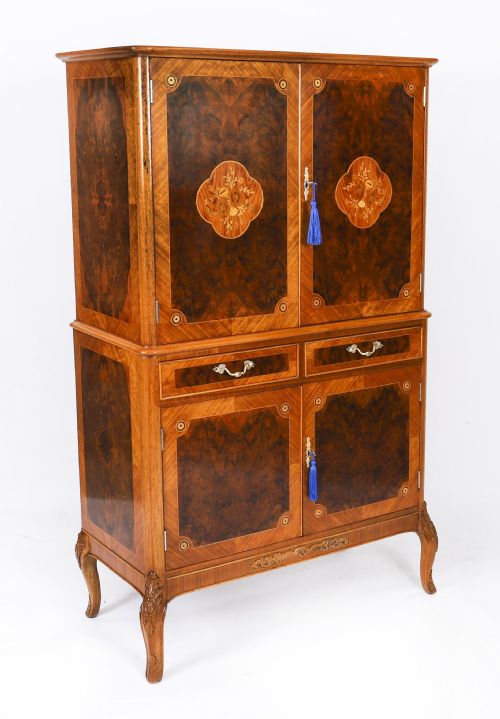
Epstein cocktail cabinets typically combine burr walnut veneers with fitted mirror-backed interiors, glass shelving, and pull-down serving slides. They often showcase symmetrical grain matching on the exterior doors.
These drinks cabinets reflect the social habits of the 1930s, offering specialised compartments for glassware, bottles, and bar accessories behind secure locking doors.
What is a Cloud lounge suite?
A Cloud suite is a distinct type of lounge seating from the 1930s featuring rounded, bulbous upholstery lines and deep cushioning. The design prioritises low, enveloping comfort with heavy padded arms.
These suites are usually encountered as a three-seater sofa paired with matching armchairs, upholstered in leather or fabric to complement the surrounding wood furniture.
How do the 1920s and 1930s pieces differ?
Pieces from the 1920s in this selection include Queen Anne style console and games tables that reflect earlier revival tastes. They rely on traditional silhouettes rather than modernist geometry.
The 1930s production shifts decisively toward Art Deco forms, featuring waterfall edges, burr walnut veneers, and specialised furniture types like cocktail cabinets and nest of tables.