
Vintage Walnut Console Table
A vintage walnut console table brings rich timber grain and classic form into a hallway, offering practical surface space with distinct period character.
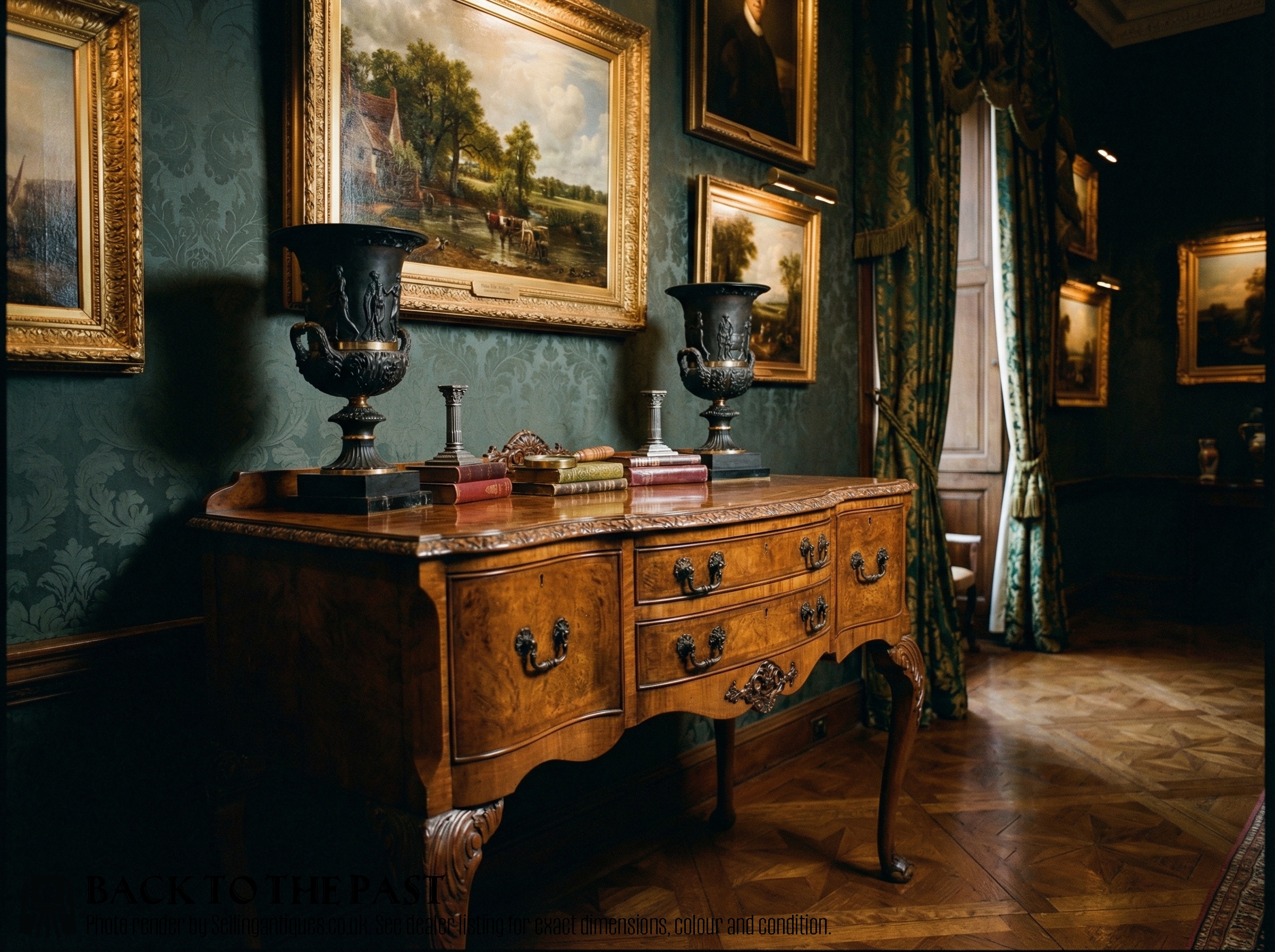
What a vintage walnut console table is
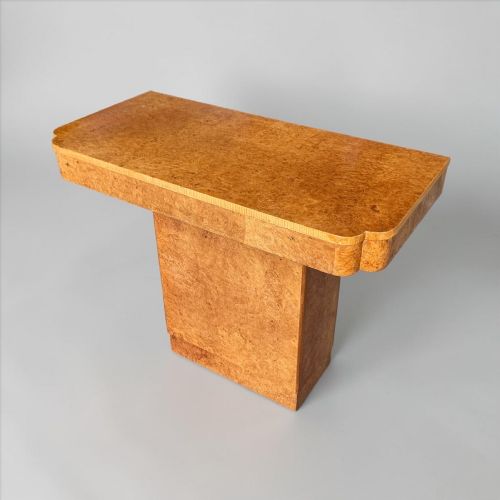
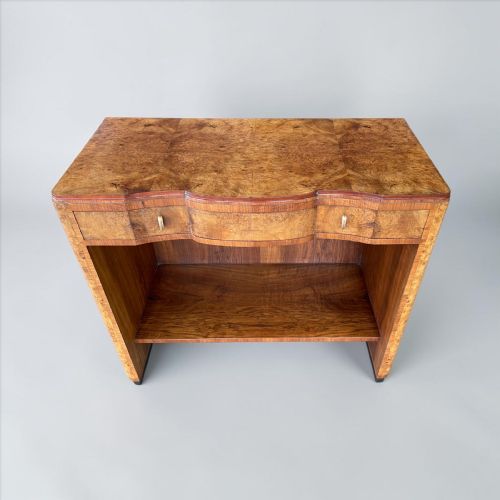
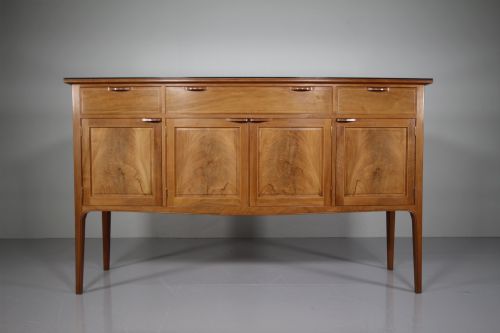
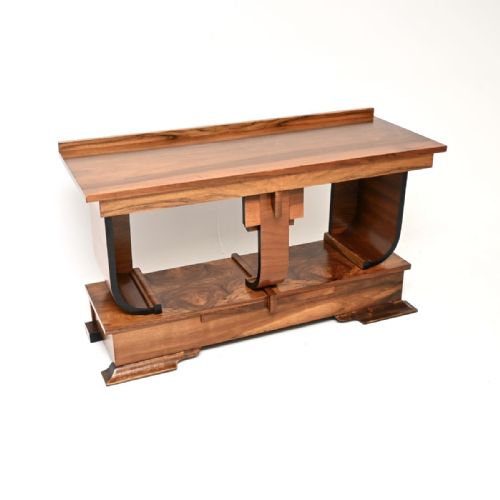
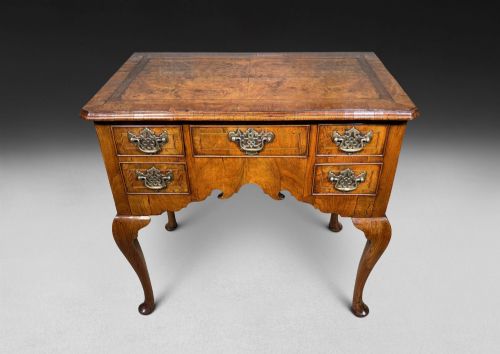
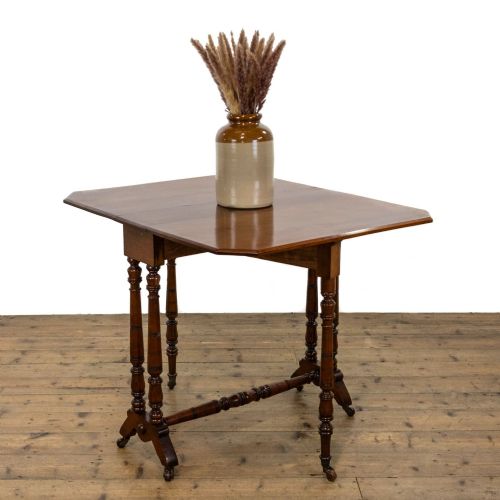
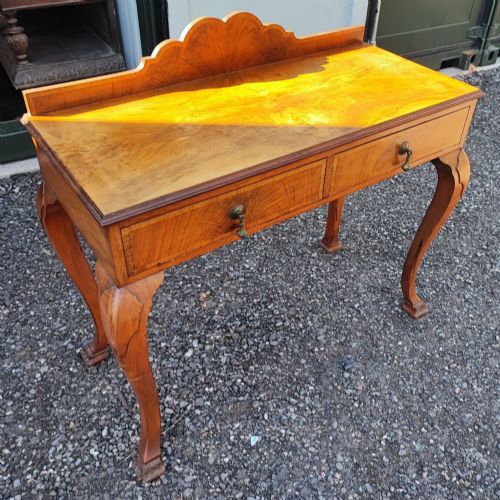
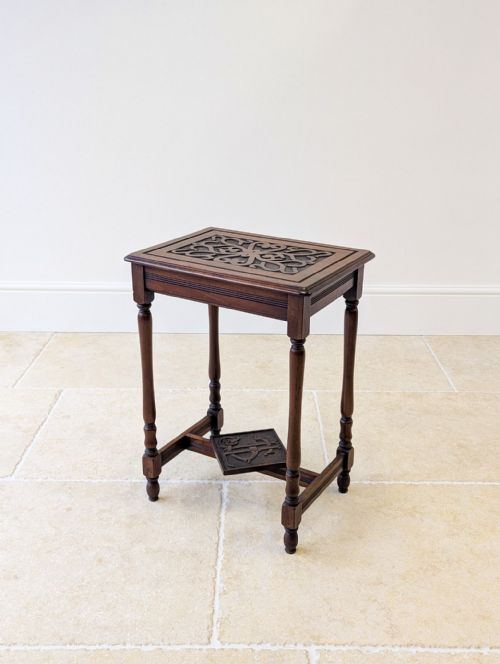
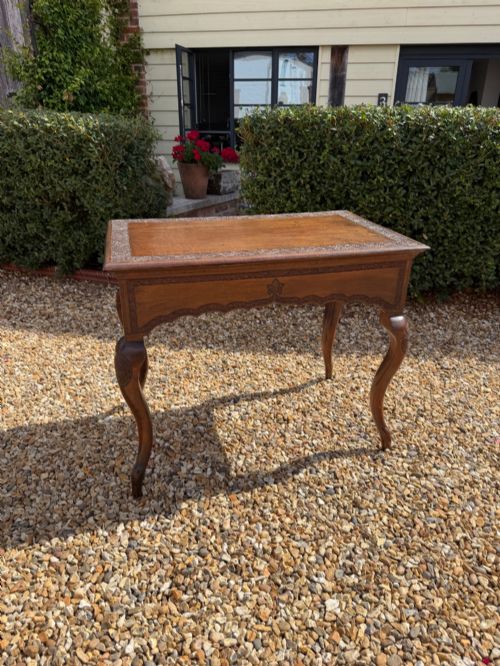
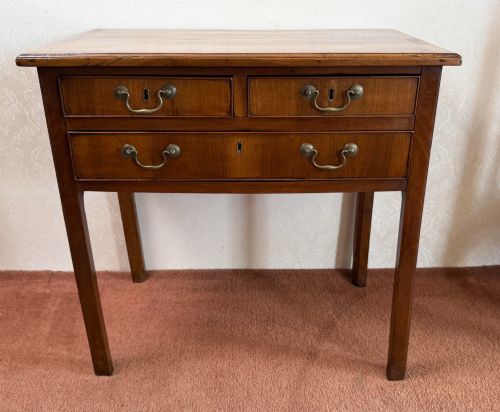
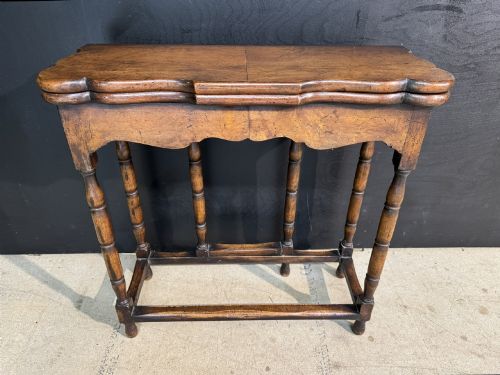
A vintage walnut console table typically presents as a narrow side table, lowboy, or serving piece designed to sit flush against a wall. The examples appearing on this page span the Edwardian era through to the nineteen-thirties, reflecting early twentieth-century revivals of earlier furniture forms.
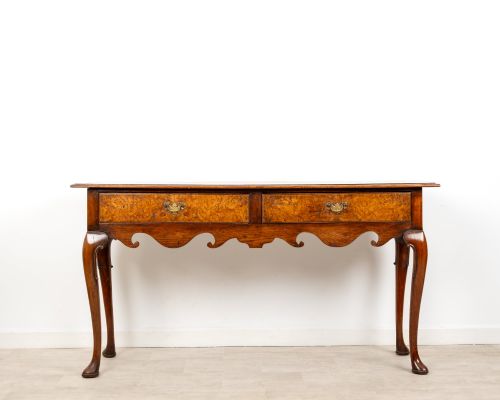
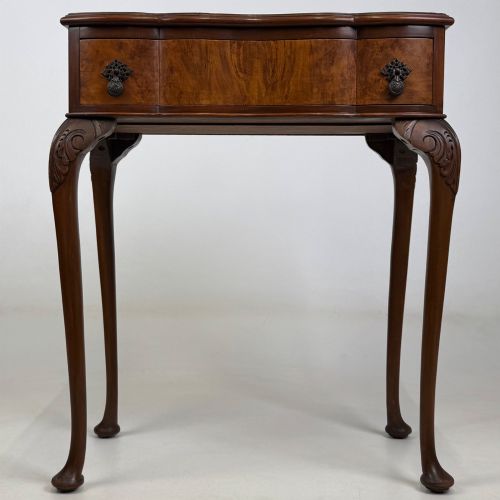
The dominant aesthetic draws heavily on Queen Anne style and Queen Anne revival design, bringing graceful silhouettes and traditional proportions to modern interiors. Buyers searching for a vintage walnut console table will most frequently encounter these nineteen-twenties and nineteen-thirties interpretations constructed in rich figured and burr timbers.
How they were made
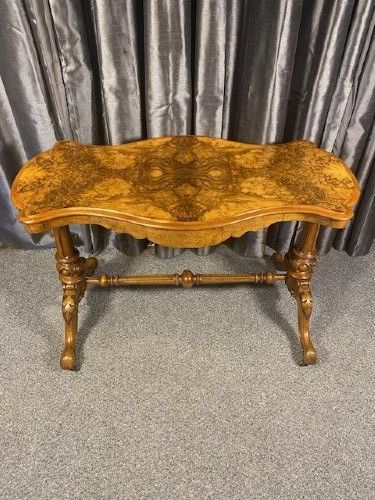
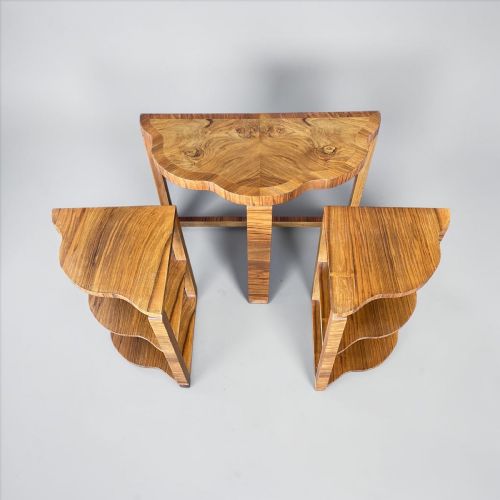
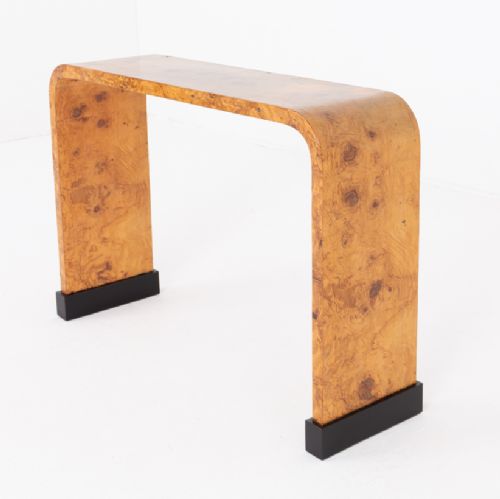
Cabinet makers utilised choice cuts of walnut, applying highly decorative figured walnut veneer and burr walnut over solid secondary woods to create striking patterned surfaces. These figured grains were carefully matched and laid out to showcase the natural movement and deep colour of the timber.
Metal hardware such as brass handles and drawer pulls were incorporated into functional pieces like lowboys and sideboards. Traditional joinery methods secured the frames, ensuring structural stability for everyday use alongside decorative elegance.
Retail Price Guide 2026
Typical UK retail prices for vintage walnut console table, calculated from the Sellingantiques database of over a million retail prices indexed since 2003. This retail price guide relies exclusively on Sellingantiques data; no external sources or auction records are used, so the figures do not describe the wider market.
Listings on this page exclusively feature walnut timber, showcasing varieties such as burr walnut and figured walnut veneer alongside brass hardware.
What varies in quality
The visual impact of a vintage walnut console table largely depends on the selection and symmetry of the veneer work, with master craftspeople choosing burr and figured sections that display exceptional depth and contrast. Lesser examples employ plain or repetitive grain patterns that lack the dynamic movement found in superior cabinet work.
Execution of the Queen Anne style details, from the curvature of the cabriole legs to the crispness of any carved elements, dictates the overall refinement of the piece. Proportion and balance separate standard utilitarian furniture from more ambitious revival pieces produced by notable workshops.
Epstein
The Vintage Walnut Console Table Glossary
- Figured walnut
- Timber exhibiting distinctive natural grain distortions, such as ripples or flames, which catch the light and create a three-dimensional appearance when polished. This veneer is characteristic of early twentieth-century revival furniture.
- Lowboy
- A small, low dressing table or side table featuring one or more rows of drawers beneath the flat top, typically raised on four slender legs. In walnut console and side table forms, this serves as a compact storage piece.
- Console table
- A table designed to stand against a wall, historically supported by wall brackets or console legs, though freestanding versions with four legs are common in twentieth-century revivals. It provides a narrow surface for display.
Frequently Asked Questions
Where should I place a console table?
A vintage walnut console table fits naturally in a hallway, entryway, or living room where floor space is limited. Its narrow profile allows it to sit flat against a wall without obstructing walkways.
Positioning the table beneath a mirror or artwork creates a balanced focal point in the room. The surface provides a convenient drop-off spot for keys or a display area for small decorative objects.
How do I care for walnut veneer?
Walnut surfaces require protection from direct sunlight and excessive moisture to prevent the wood from fading or the veneer from lifting. Dusting regularly with a soft, dry cloth helps maintain the polished finish without building up residue.
Applying a quality beeswax periodically nourishes the timber and preserves the natural warmth of the grain. Avoid using silicone-based sprays or harsh chemical cleaners that can damage vintage polishes.
How do I date a walnut table?
Dating a vintage walnut console table involves examining the construction methods, hardware styles, and timber preparation. Pieces from the Edwardian period and the nineteen-twenties often blend earlier stylistic revivals with twentieth-century manufacturing techniques.
Makers' stamps, interior secondary woods, and the type of veneer backing offer further clues to the exact era of production. Stylistic markers like Queen Anne revival cabriole legs help narrow down the historical context.