


1920s Walnut Table
A 1920s walnut table brings geometric Art Deco lines or flowing revival curves into a room through rich timber grain.
1920s Walnut Table
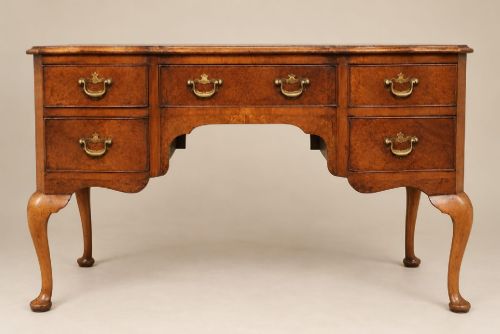
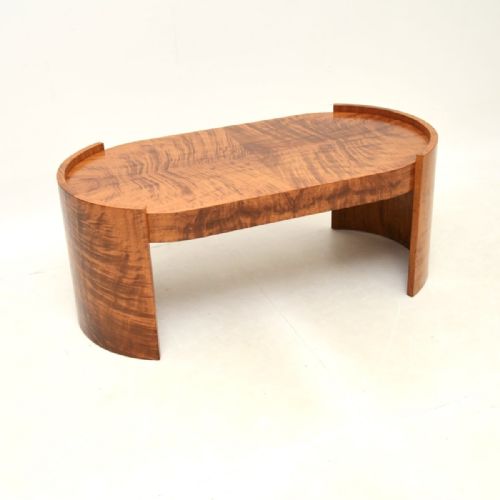
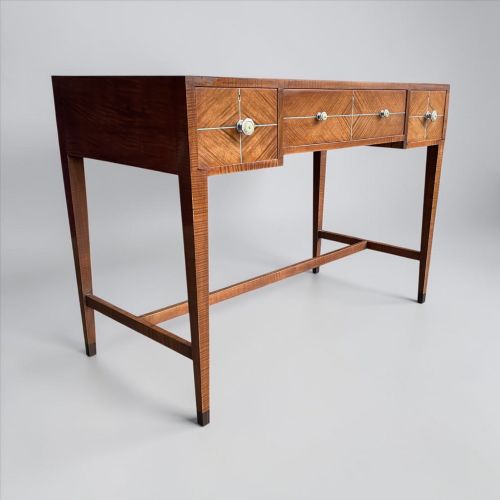
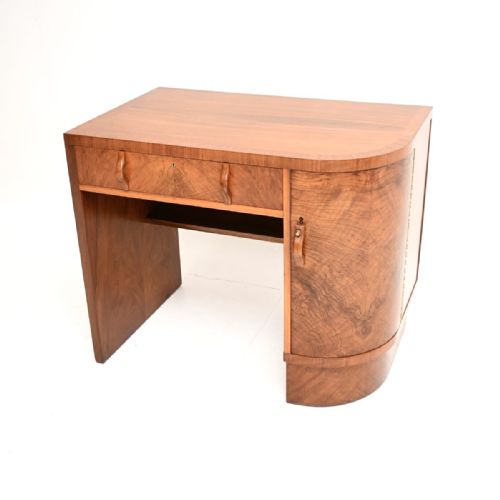
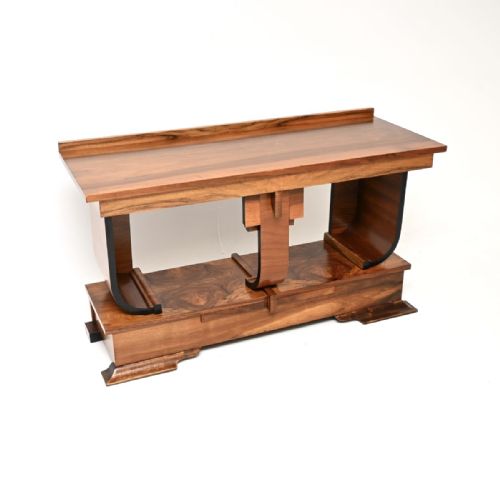
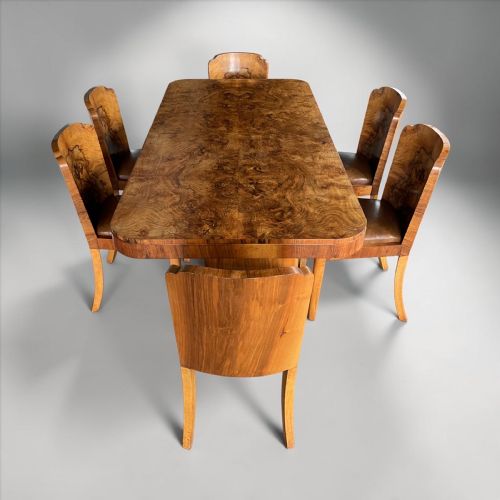
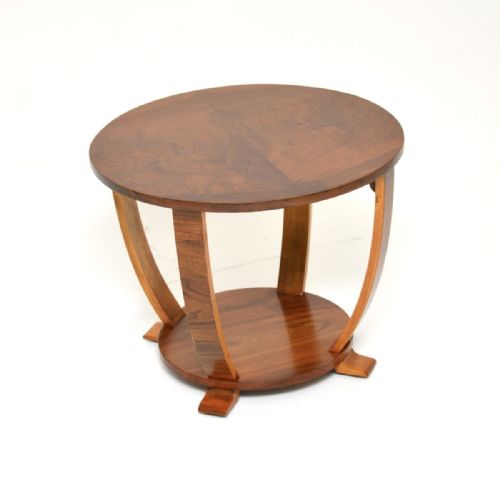
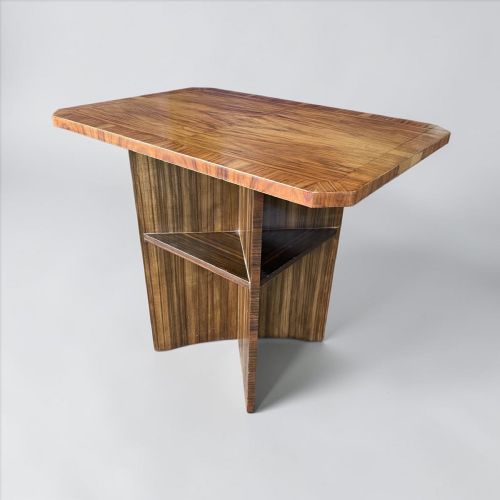
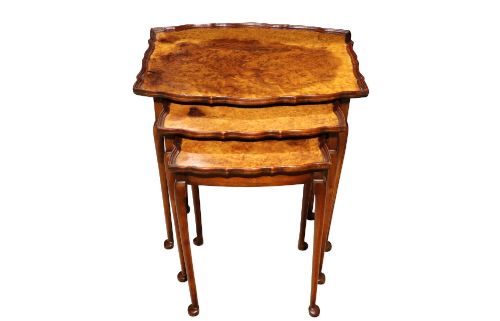
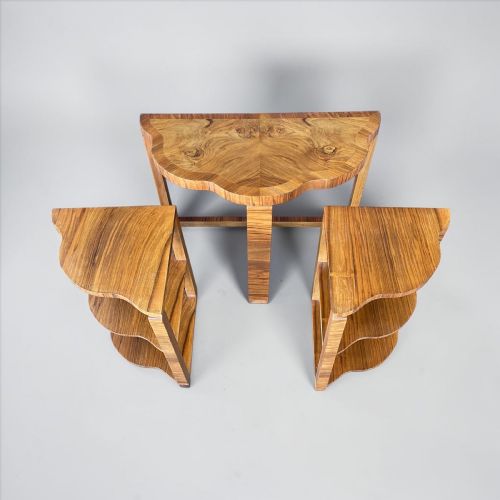
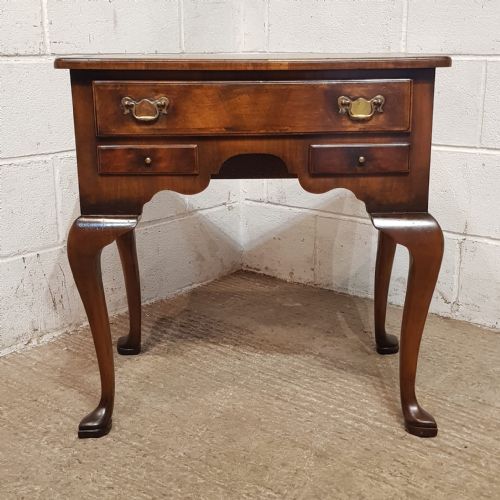
A 1920s walnut table encompasses a diverse array of forms, ranging from compact coffee tables and nests of tables to expansive dining tables and desks. Buyers frequently encounter Art Deco pieces featuring clean geometric silhouettes alongside revival models drawing inspiration from Queen Anne, Louis XV and Georgian aesthetics.
The selection includes specialised functional furniture such as fold-over card tables, serpentine-fronted side tables, console tables and bedside cabinets. Origins span domestic British production to continental French workshops, with many items utilising richly patterned veneers to create visual impact.
Materials and construction
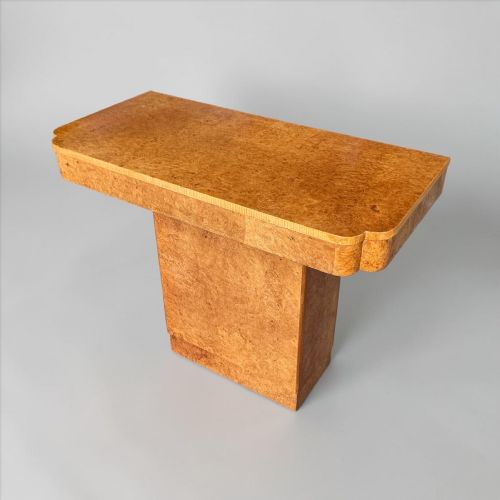
Cabinet makers utilised solid walnut and decorative burr walnut veneers laid over secondary timbers to achieve striking patterns on table tops. Burr walnut, prized for its swirling knot formations, provided distinctive figured surfaces that defined the aesthetic of the period.
Metal elements such as brass handles, mounts and ormolu details complemented the timber construction, particularly on French revival and Art Deco designs. Leather inserts appeared on desks and card tables, while polished finishes protected the wood and enhanced the natural grain.
1920s Walnut Table Retail Price Guide 2026
Typical asking prices for 1920s walnut table among the pieces listed under this phrase on Sellingantiques today, from the lower quarter to the upper quarter. They describe what is for sale here now, not the wider market.
Listings feature items spanning the 1920 and 1930 decades alongside Edwardian-influenced pieces.
Quality factors
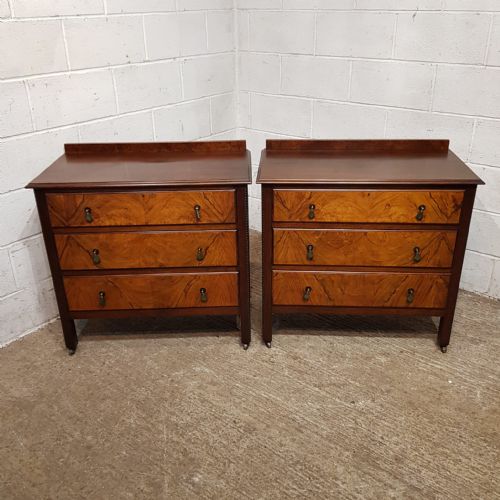
The quality of a 1920s walnut table rests primarily on the selection and matching of the veneer. Superior pieces display symmetrical grain patterns that mirror across table tops and drawer fronts, demonstrating careful planning by the cabinet maker.
Construction methods and hardware also differentiate tiers of production. Finely cast ormolu mounts, robust structural joinery and well-fitted drawers indicate higher workshop standards compared to simpler commercial output.
L.Martin of Paris
The 1920s Walnut Table Glossary
- Burr Walnut
- Timber taken from the growth deformity of a walnut tree, producing intricate circular grain patterns. This highly decorative wood was frequently sliced into thin veneers for table tops.
- Art Deco
- A design style dominant in the 1920s and 1930s characterised by streamlined geometric forms, symmetry and sleek surfaces. It marked a departure from heavier historical revival styles.
- Lowboy
- A small table with drawers resembling the lower section of a larger tallboy chest. These tables typically served domestic purposes as dressing or side tables.
- Ormolu
- Gilded bronze ornamentation applied to furniture, popular in French revival pieces from this era. It provided decorative metallic contrast against dark walnut timber.
- Demi-Lune
- A half-moon shape commonly utilised for console and folding card tables designed to sit flat against a wall. This format saved space while offering surface utility.
1920s Walnut Table: Frequently Asked Questions
How do I identify Art Deco pieces?
Art Deco pieces rely on symmetrical geometry, clean lines and streamlined shapes rather than historical revival ornamentation. They frequently make bold use of figured walnut veneer to create visual rhythm across flat surfaces.
Look for architectural profiles and a lack of traditional carving. The focus remains on the natural pattern of the wood and the purity of the overall silhouette.
Were these tables made in sets?
Certain forms, particularly coffee tables and occasional tables, were constructed as nests of three graduating tables that fit together. Dining tables were occasionally paired with matching chairs.
Side tables and console tables were sometimes produced as matching pairs for symmetrical room layouts. These matched suites offered cohesive furnishing options for contemporary interiors.
How do I care for walnut veneer?
Walnut veneer requires protection from direct sunlight and excessive heat, which can dry out the timber and cause lifting. Regular dusting with a soft, dry cloth maintains the polished surface without moisture damage.
Avoid chemical polishes and abrasive cleaners that strip the original finish. Occasional application of appropriate wax preserves the depth of the grain.
What distinguishes revival styles from Art Deco?
Revival styles draw heavily on earlier historical periods such as Queen Anne, Georgian and Louis XV aesthetics. They incorporate traditional cabriole legs, carved details and serpentine fronts.
Art Deco strips away these historical references in favour of modern industrial and geometric influences. The materials remain similar, but the vocabulary of form shifts entirely.