
1930s Walnut Furniture
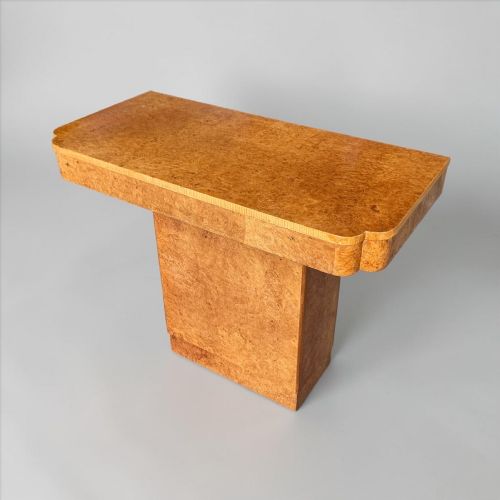
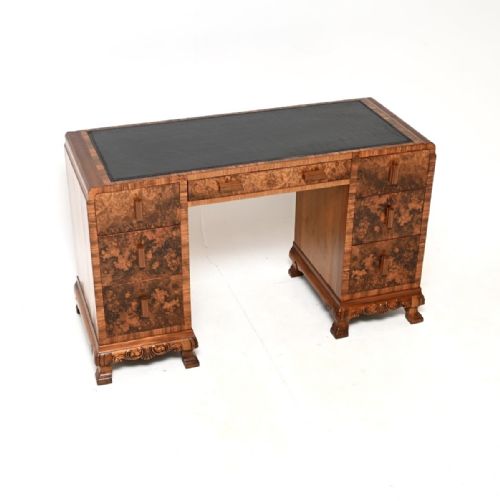
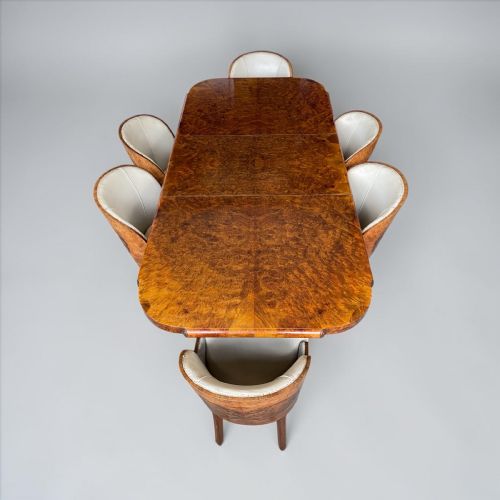
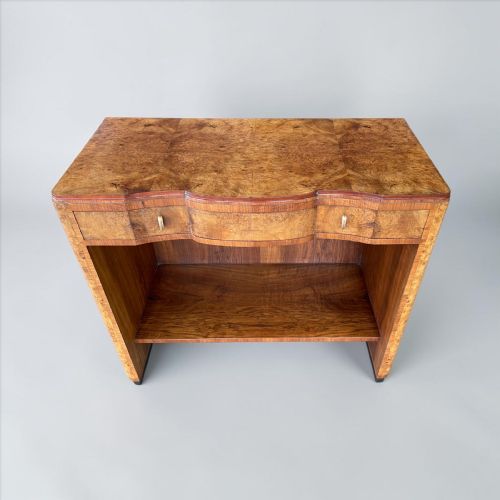
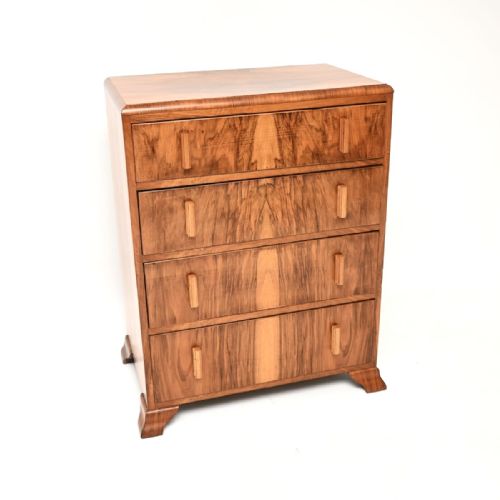
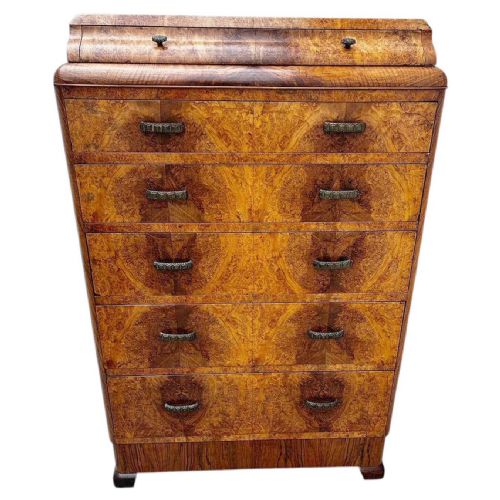
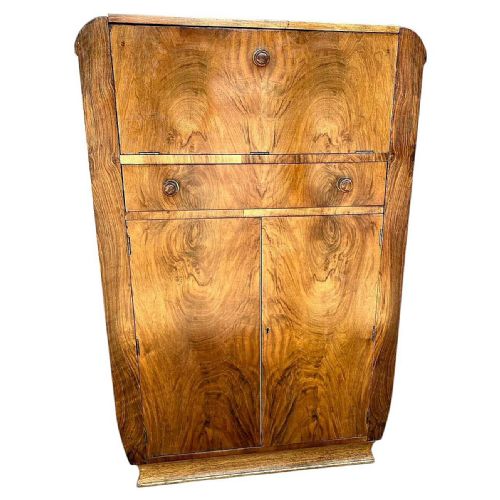
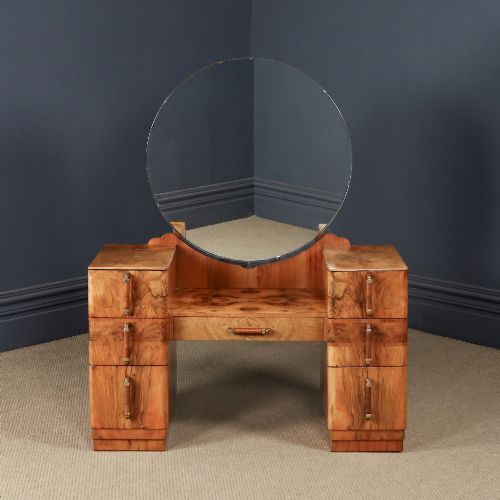
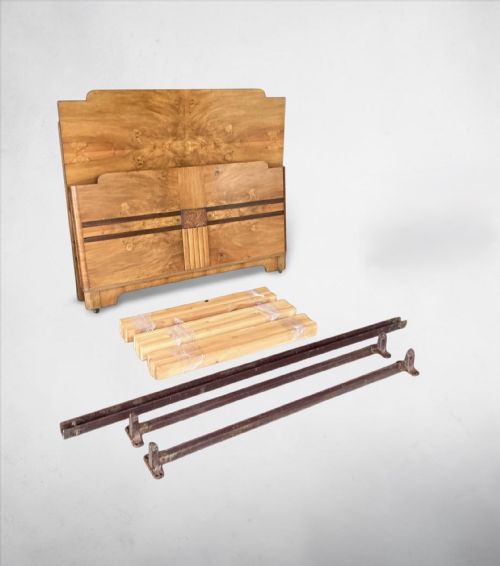
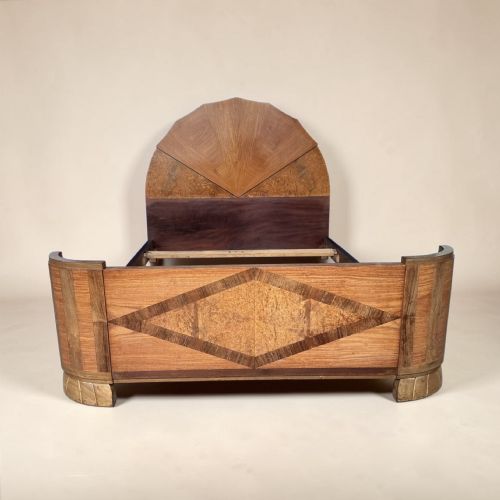
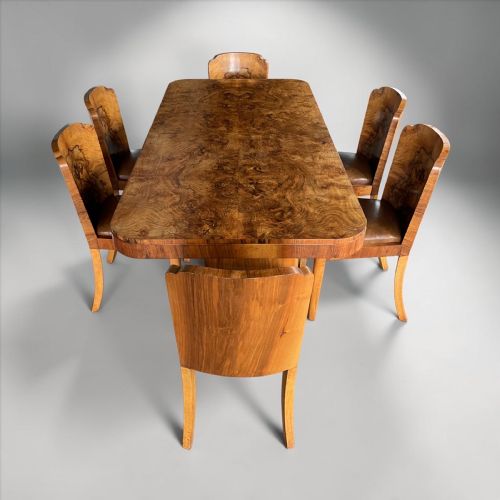
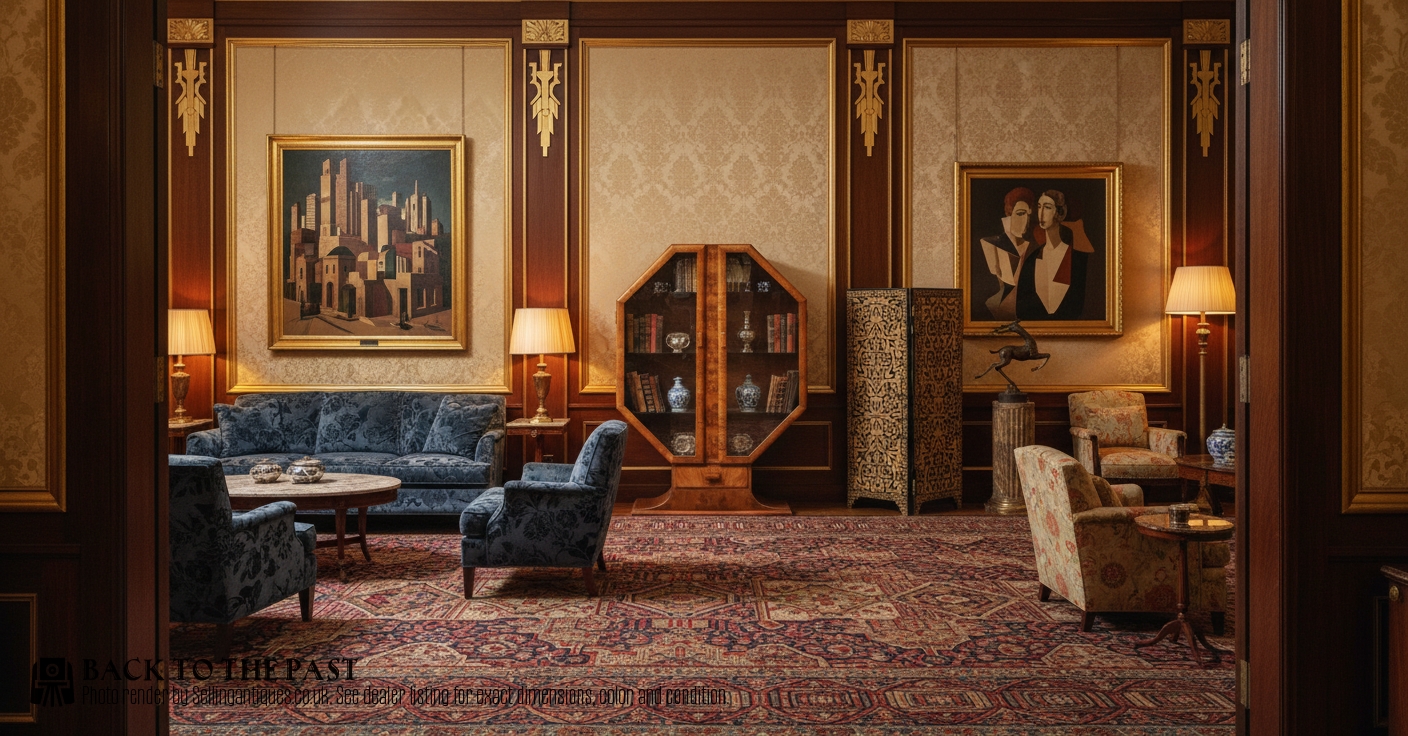
These Art Deco pieces of 1930s walnut furniture bring striking grain patterns and geometric forms into a room.
What 1930s walnut furniture is
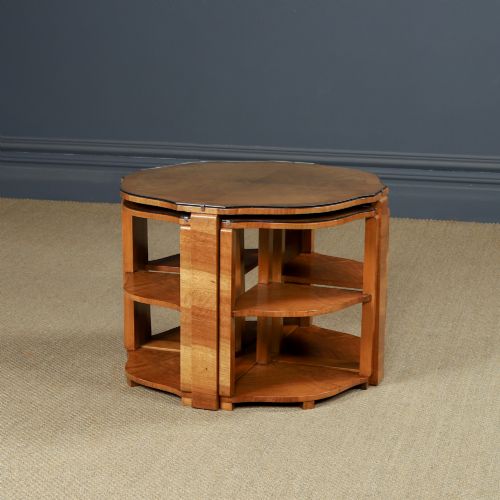
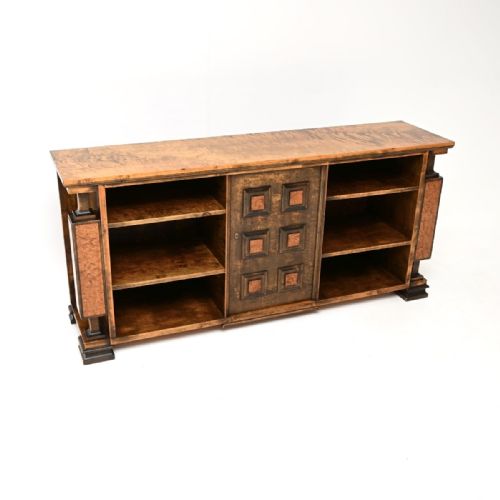
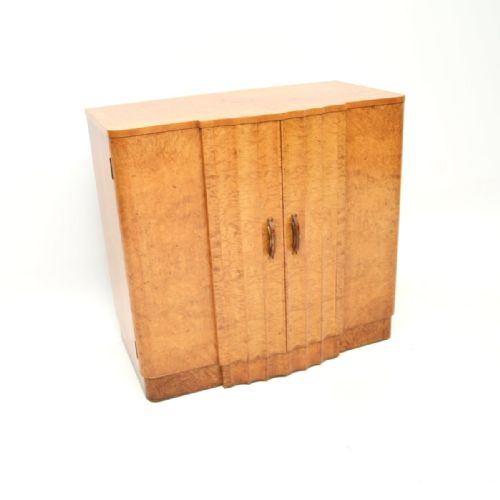
When you search for 1930s walnut furniture, you encounter items shaped by the Art Deco style that defined the decade. The selection here includes display cabinets, chests of drawers, drinks cabinets, and occasional tables.
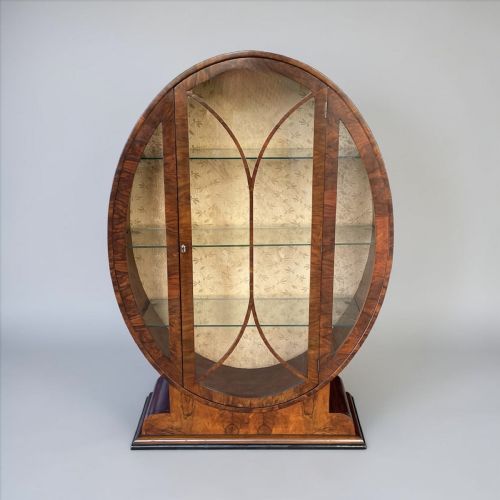
Most pieces on this page take the form of display cabinets, including circular, octagonal, and cathedral vitrine designs with glass panels. These forms showcase the rich figuring of the timber and provide practical storage for the home.

How these pieces were made
Maker's workshops built these items using timber, walnut, walnut veneer, and burr walnut, arranging the grain to create decorative patterns across flat surfaces and curved doors. Glass and mirror elements were incorporated into display cabinets to lighten the heavy wood tones.
Metal and brass hardware completed the construction, providing handles and mounts that complemented the geometric lines of the Art Deco style. Cabinetmakers selected figured walnut specifically to draw the eye to the central panels of chests and drinks cabinets.
Retail Price Guide 2026
Typical UK retail prices for 1930s walnut furniture, calculated from the Sellingantiques database of over a million retail prices indexed since 2003. This retail price guide relies exclusively on Sellingantiques data; no external sources or auction records are used, so the figures do not describe the wider market.
Every item listed on this page belongs to the Art Deco style and dates specifically to the year nineteen thirty.
What varies in quality
The distinction between standard items and superior examples lies in the selection and bookmatching of the walnut veneer. Pieces featuring symmetrical burr walnut figuring display a higher degree of craftsmanship than those with plain timber surfaces.
Structural complexity also dictates quality, with multi-tiered occasional tables and architectural display cabinets requiring greater joinery skill. The integration of brass fittings and clean glass work elevates the overall finish.
The 1930s Walnut Furniture Glossary
- Art Deco
- A design style from the interwar period characterised by sleek geometric shapes, stylised motifs, and modern materials. It dominates the aesthetic of 1930s pieces.
- Burr Walnut
- A specialised wood cut from a tree growth, producing intricate, swirling grain patterns. Cabinetmakers prize it for decorative veneer work on prominent furniture faces.
- Veneer
- A thin layer of superior wood glued to a base timber foundation. This technique allows makers to display striking grain patterns without using solid costly timber throughout.
- Vitrine
- A glass-fronted cabinet designed for the display of curiosities or fine objects. These cases often feature mirrored backs and multiple glass shelves.
Frequently Asked Questions
What rooms suit 1930s walnut furniture?
These items fit well in living rooms and dining spaces where their rich wood tones add warmth. Drinks cabinets and display pieces serve as focal points in reception areas.
Smaller items like occasional tables function easily beside seating, bringing period character without dominating the floor plan.
How do I care for walnut veneer?
Keep these surfaces away from direct sunlight and strong heat sources to prevent the wood and underlying glue from drying out. Dust regularly with a soft, dry cloth.
Avoid using silicone polishes or abrasive cleaners, which can damage the traditional finish of the timber over time.
How do I identify Art Deco style?
Look for clean symmetrical lines, geometric forms, and a deliberate absence of heavy Victorian ornamentation. Circular and octagonal shapes are common markers.
The combination of figured woods with polished metal and glass further signals this specific twentieth-century design movement.
Were these pieces made in England?
English workshops produced significant quantities of domestic furniture during this decade, utilising imported exotic veneers alongside domestic timber stocks. Cabinetmakers adhered closely to contemporary European design trends.
Regional makers adapted these international styles for British homes, resulting in distinctive display cabinets and storage units.