
Art Deco Bookcase Cabinet
An art deco bookcase cabinet combines linear architectural presence with functional storage, uniting display and shelving for modern interiors.
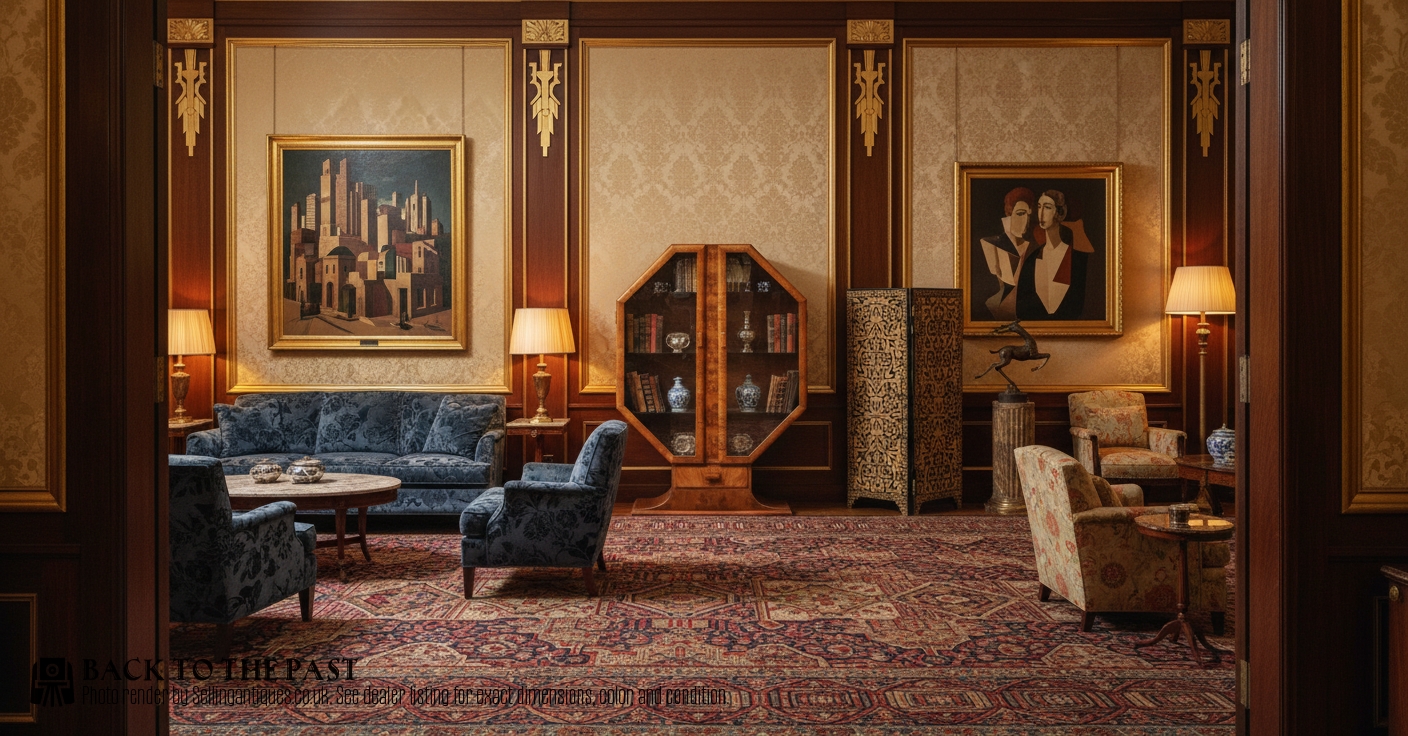
Art Deco Bookcase Cabinet
An art deco bookcase cabinet serves the dual purpose of housing a library and exhibiting decorative objects within a single coordinated piece of furniture. These items frequently combine open or glazed shelving with enclosed cupboards, drawing on forms produced during the interwar decades.
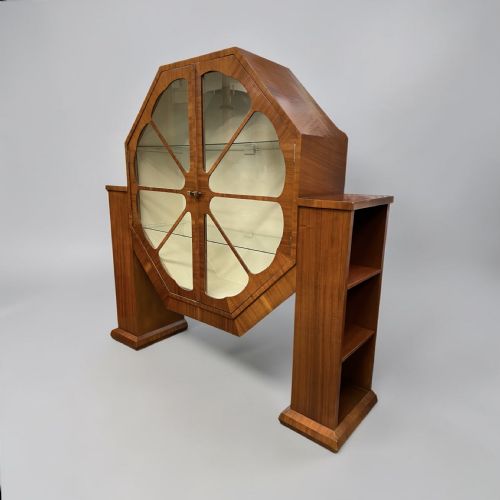
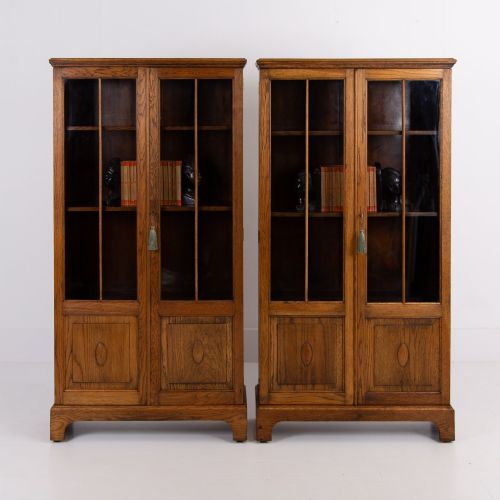
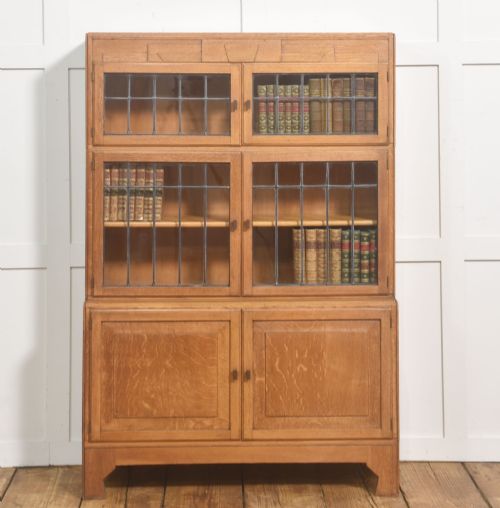
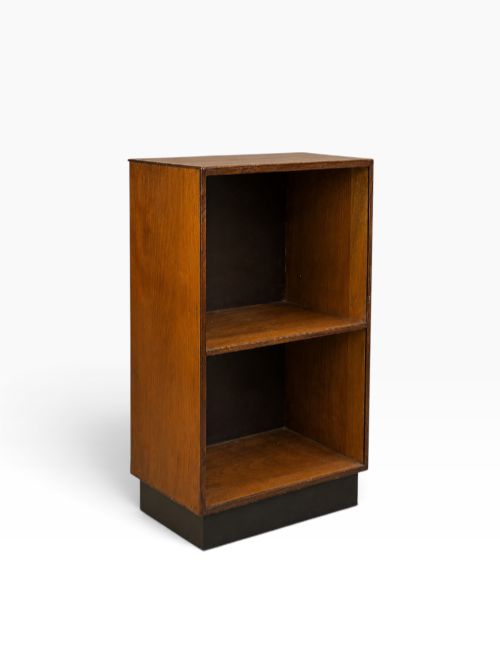
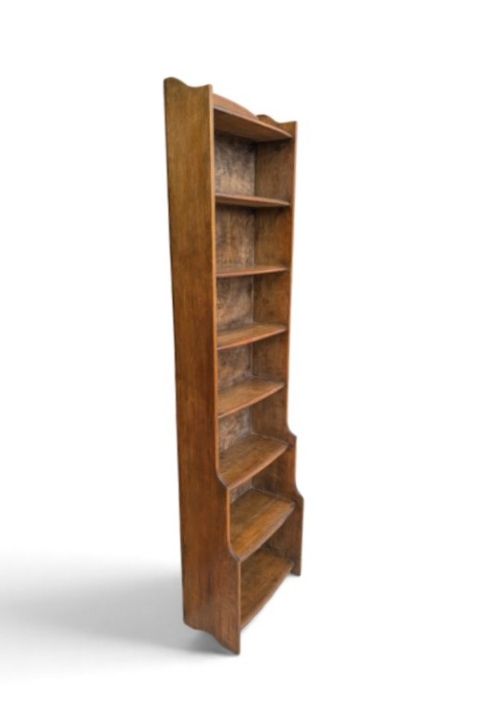
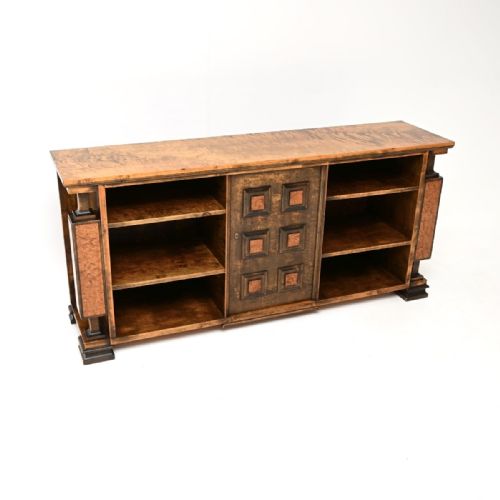
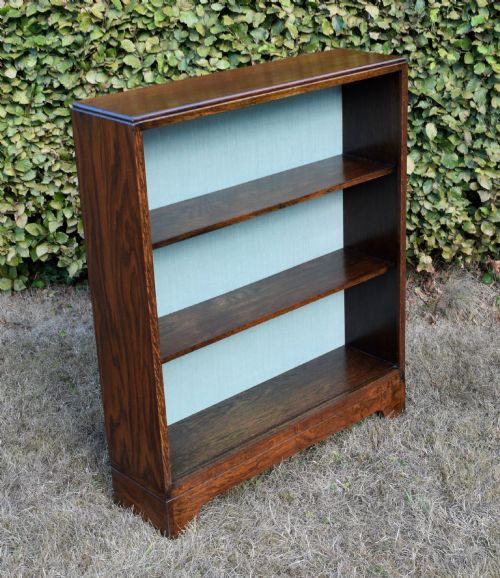
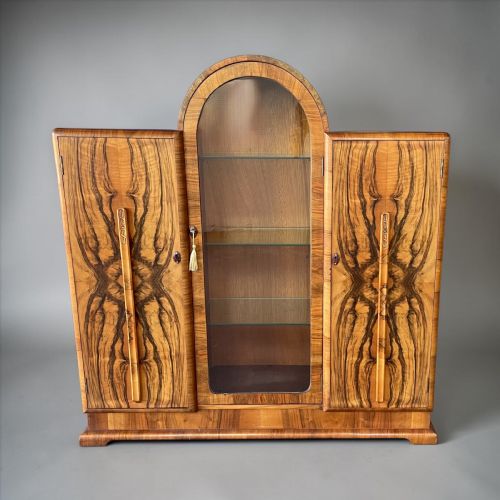
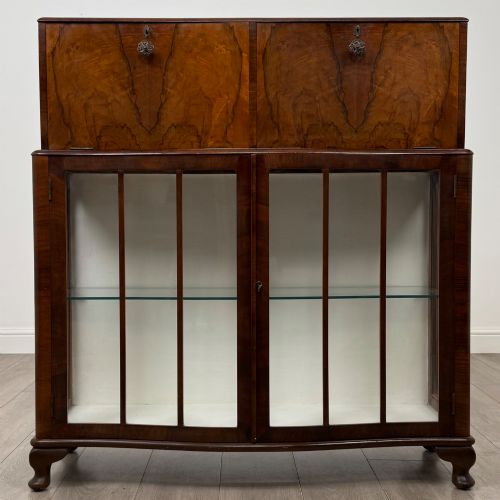
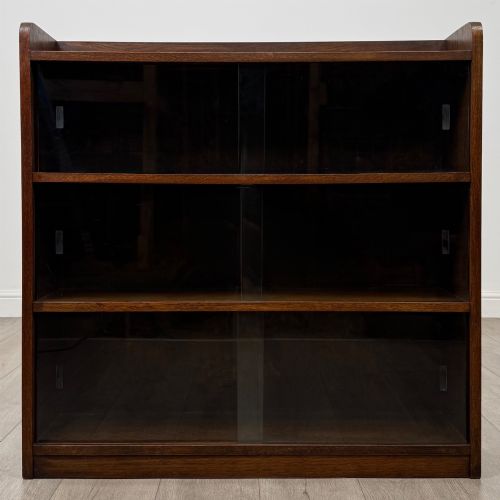
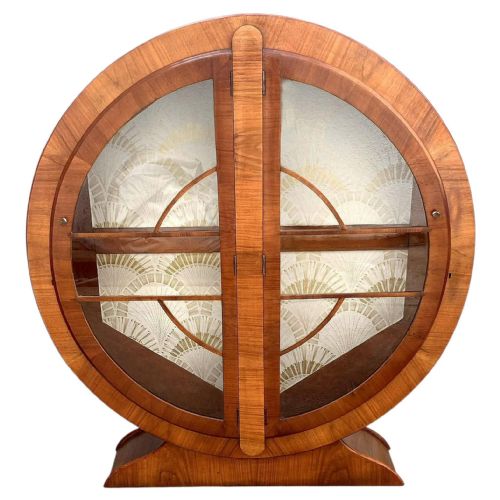
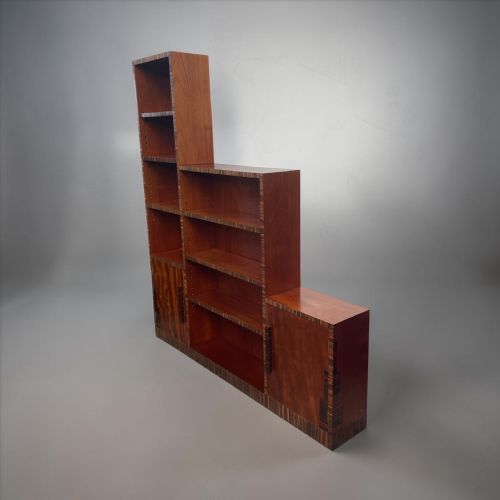
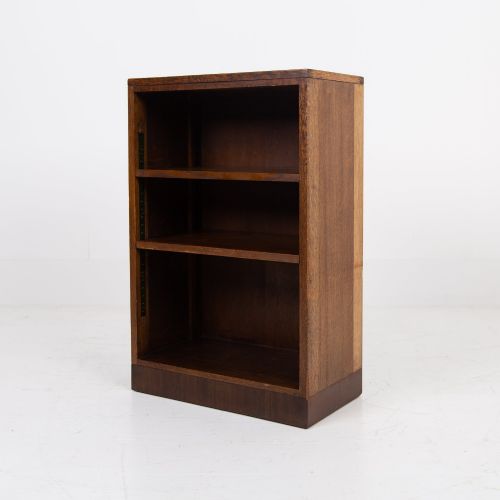
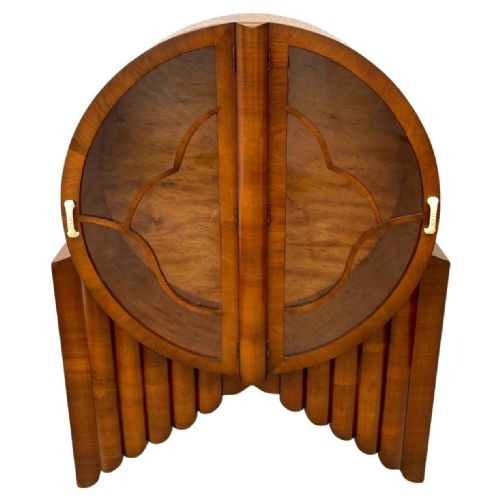
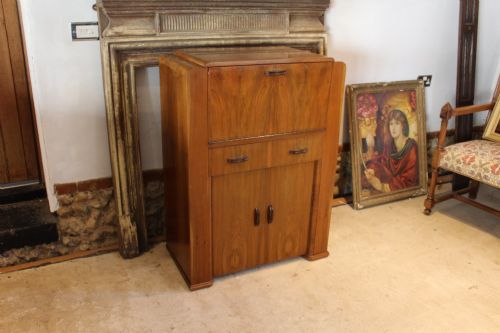
The version most commonly encountered on this page originates from the 1930s, constructed predominantly in walnut, burr walnut, or oak. Pieces range from upright stepped configurations and circular vitrines to modular stacking sections and bureau hybrids designed for domestic utility.
How They Were Made
Cabinet makers utilised dense native and exotic timbers, applying walnut and burr walnut veneers over stable secondary woods to achieve striking symmetrical grain patterns on primary surfaces. Solid oak and ash also formed the structural carcases, occasionally paired with contrasting sycamore or satin birch interiors.
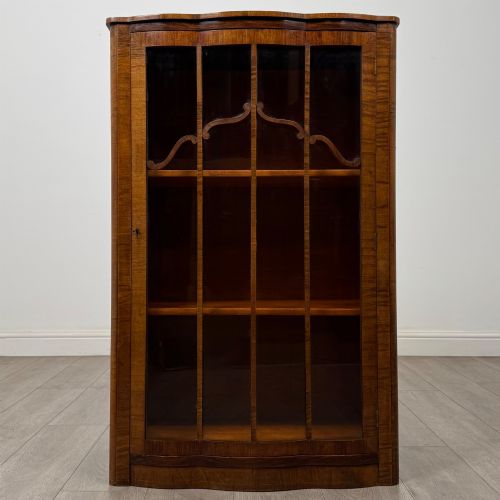
Glazing techniques incorporated clear, leaded, or curved glass panes secured within timber frames, complemented by architectural hardware in brass. Selected examples integrated leather work surfaces or painted details alongside traditional joinery methods.
Listings feature pieces spanning the Edwardian era through the 1940s, with a strong concentration of 1930s walnut and oak construction.
What Varies in Quality
The calibre of a piece depends heavily on the selection and matching of timber veneers, where continuous grain patterns across drawer fronts and doors denote superior workshop execution. Finer examples display meticulous attention to geometric proportions and curved joinery rather than reliance on applied surface ornament alone.
Attribution to documented designers or reputable cabinet makers elevates certain items, reflecting advanced structural engineering and bespoke construction standards. The integration of specialised components like leaded glass, multiple internal drawers, and original brass fittings further distinguishes standard production from exceptional output.
F.H. Marshall & Co·Betty Joel·Maurice Adams·Heal's·Epstein
The Art Deco Bookcase Cabinet Glossary
- Burr Walnut
- A figured wood grain obtained from walnut tree growths, prized for its swirling, organic patterns used on prominent cabinet doors.
- Vitrine
- A glass-fronted display cabinet designed specifically for exhibiting porcelain, glass, or collectables.
- Stepped Bookcase
- A shelving unit featuring ascending or descending horizontal tiers that create a characteristic architectural silhouette.
- Bureau Bookcase
- A hybrid furniture form incorporating a fold-down writing desk compartment alongside traditional upper bookshelves.
- Sectional Cabinet
- A modular storage unit composed of individual stackable tiers or bookcases that can be arranged vertically.
Art Deco Bookcase Cabinet: Frequently Asked Questions
What is an art deco bookcase cabinet?
An art deco bookcase cabinet is a dual-purpose storage item combining bookshelf space with enclosed display areas, characteristic of 1930s design.
These units often feature geometric silhouettes, contrasting wood veneers, and glass doors intended to showcase books and decorative items simultaneously.
How do I date an art deco bookcase cabinet?
Dating relies on identifying specific construction traits, timber choices, and stylistic markers typical of the interwar period and the nineteen-thirties.
Items from this era frequently employ figured walnut or solid oak alongside stepped profiles, curved glass, and distinct architectural proportions.
Where were these cabinets placed in a home?
Original domestic placement typically included studies, libraries, and principal living rooms where books and treasured objects required organised storage.
Their combined capacity for enclosed shelving and glazed display made them versatile additions to both formal reception rooms and private sitting spaces.
Are these cabinets modular?
Certain examples incorporate sectional or stacking designs that allow individual tiers or modular sections to be reconfigured vertically.
This adaptability reflected interwar preferences for functional furniture that could adjust to varying domestic floor plans and growing library collections.