

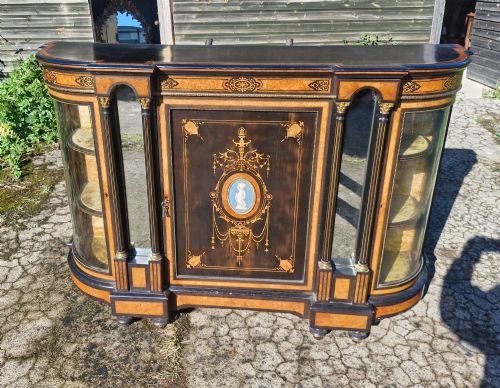
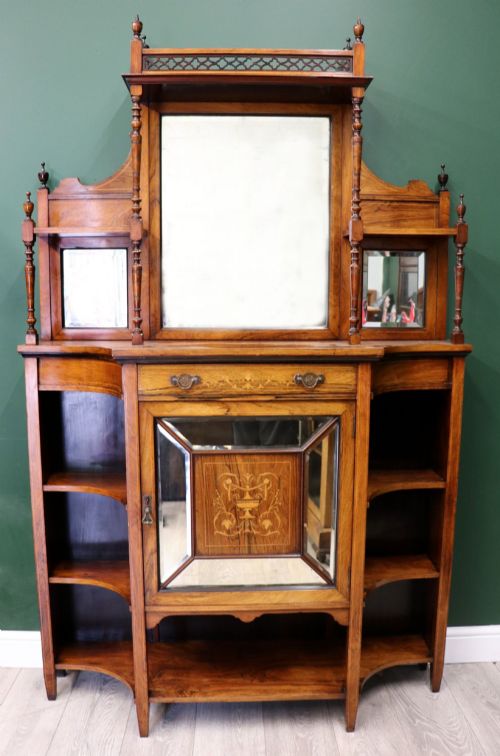
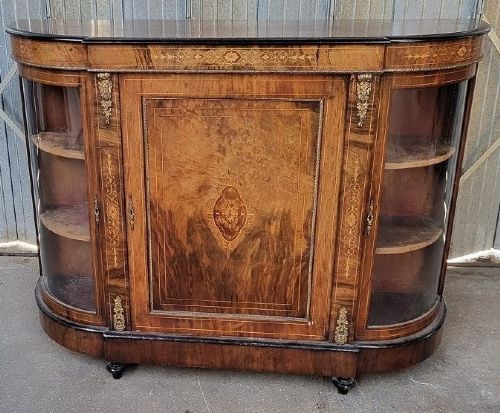
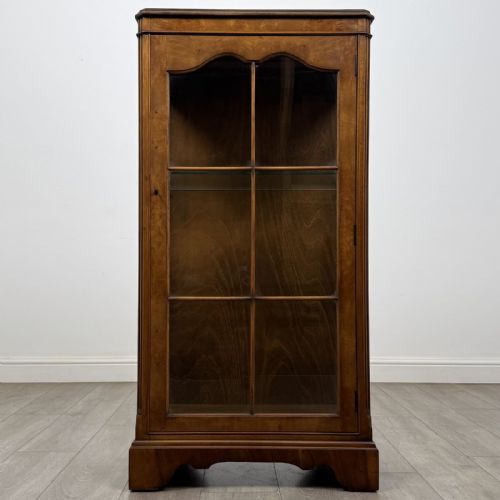
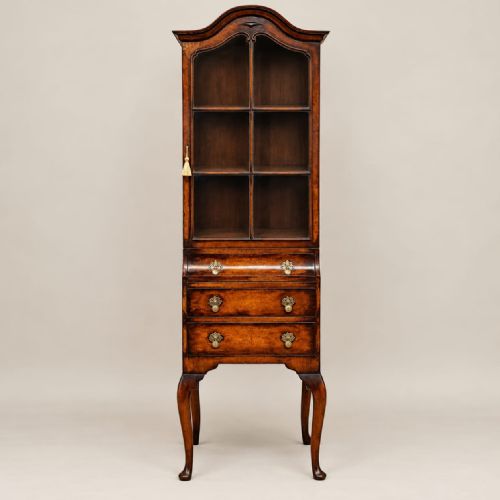
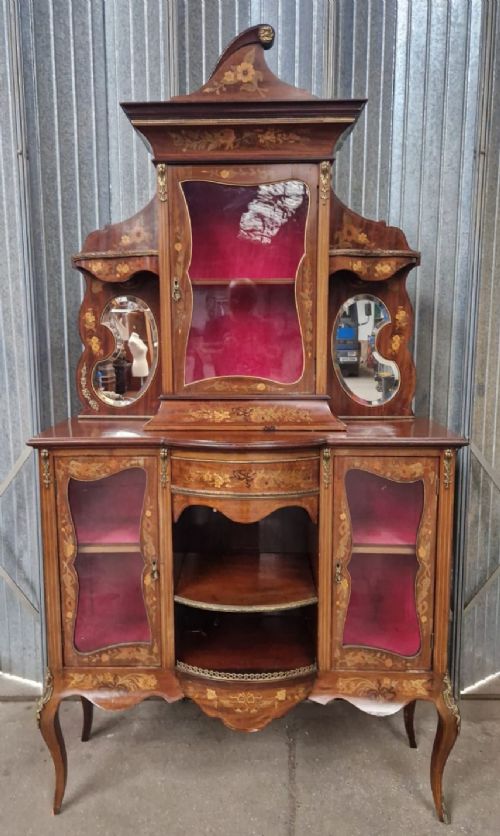
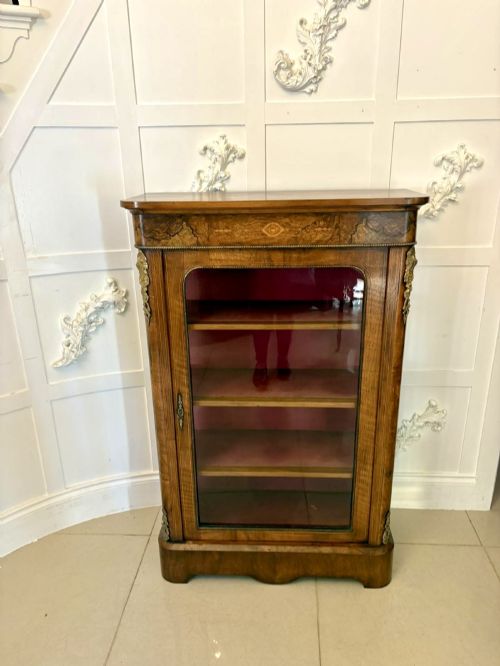
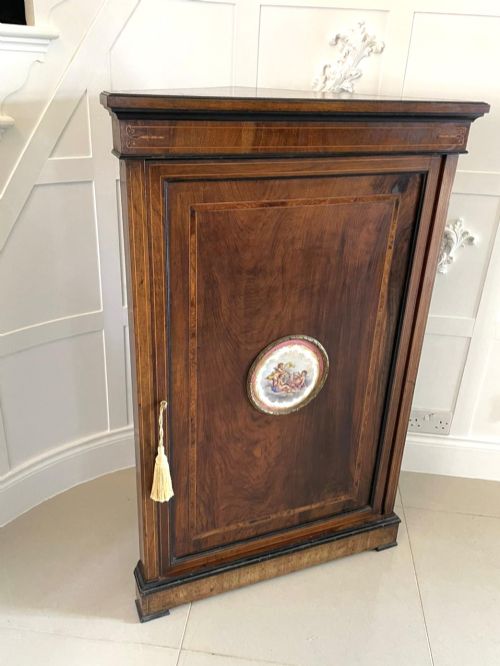
Edwardian Walnut Display Cabinet
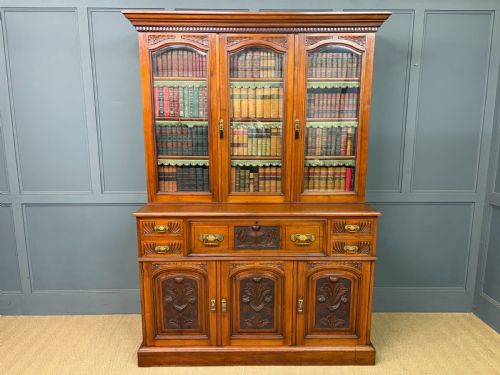
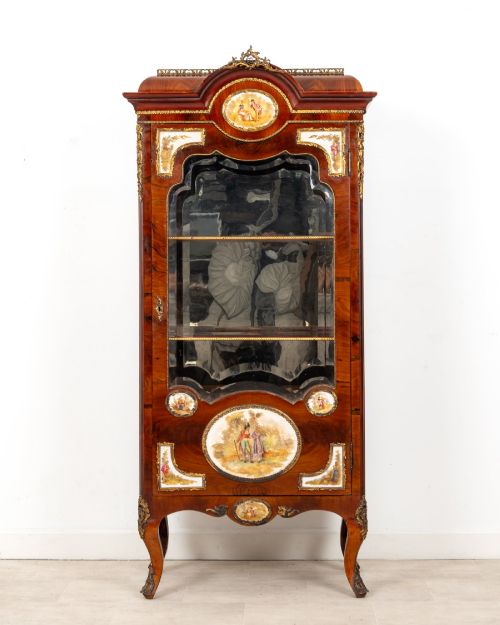
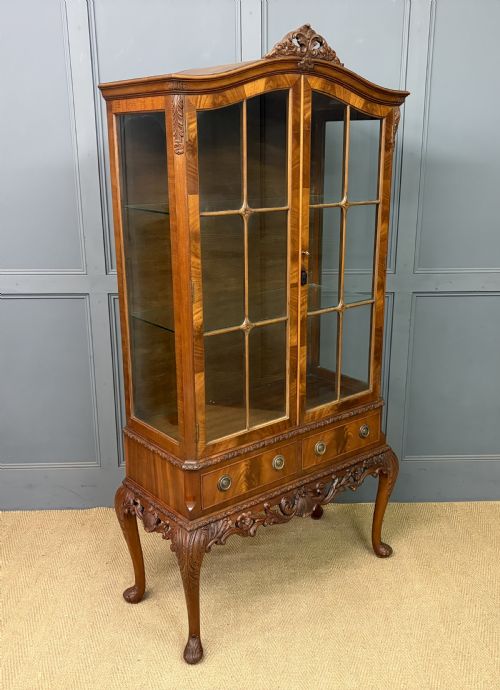
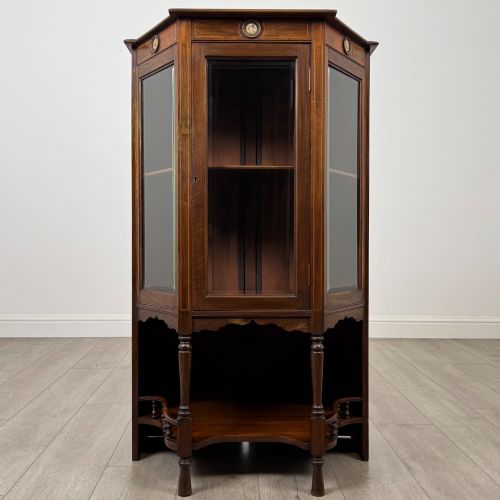
An edwardian walnut display cabinet brings the warmth of figured timber and clear glass together to showcase treasured porcelain and books.
Edwardian Walnut Display Cabinet
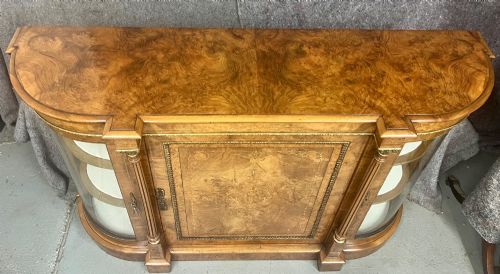
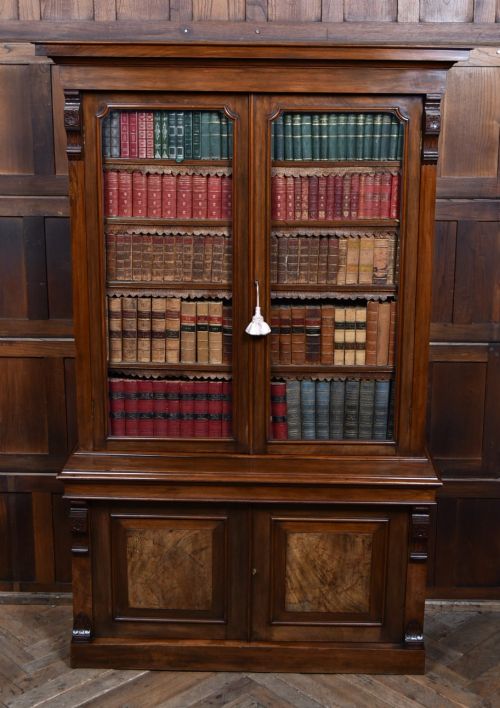
An edwardian walnut display cabinet sits within a lineage spanning the nineteenth century through the early twentieth, drawing on Victorian precedents and later revivals. Buyers encounter upright pier cabinets, glazed bookcases, and freestanding display pieces designed to protect fragile collections behind glass doors.
The Edwardian iterations on this page appear most frequently alongside Victorian and Queen Anne style examples, utilising walnut and burr walnut timbers. These items serve to organise and exhibit items in reception rooms, domestic libraries, and parlours.
Materials and Construction
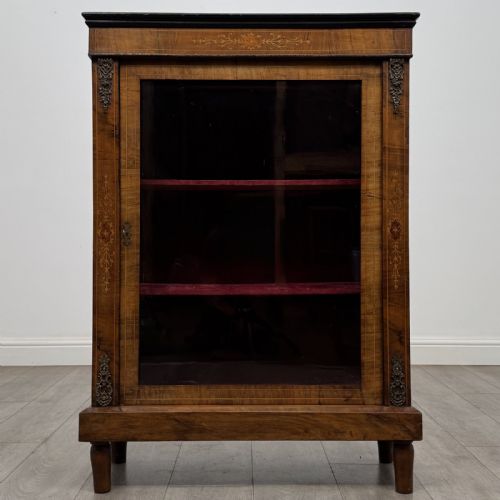
Cabinet makers utilised solid walnut and figured burr walnut veneers applied to carcases, frequently accented with boxwood inlay, marquetry, and brass mounts. Glazed doors protect the interior shelving while velvet linings provide a contrasting background for displayed objects.
Structural elements incorporate crossbanding and ebonised details to frame the timber grain. Pier cabinets and bookcases rely on precision joinery to support heavy glass panels and adjustable internal shelving.
Edwardian Walnut Display Cabinet Retail Price Guide 2026
Typical asking prices for edwardian walnut display cabinet among the pieces listed under this phrase on Sellingantiques today, from the lower quarter to the upper quarter. They describe what is for sale here now, not the wider market.
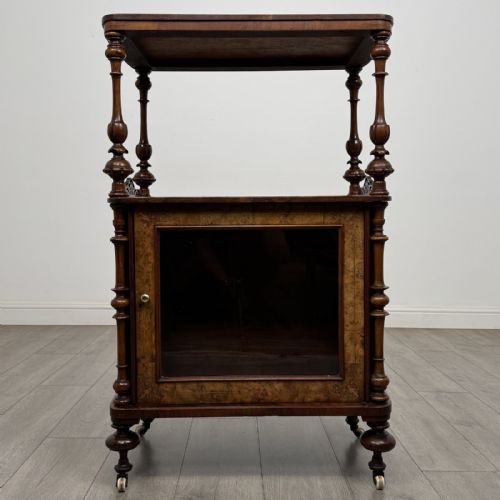
Several cabinets include dedicated music compartments designed to keep sheet scores pristine near the parlour piano.
Craftsmanship and Proportion
The distinction between standard items and exhibition quality pieces lies in the selection of the burr walnut veneer and the intricacy of the marquetry and boxwood inlay. Superior examples demonstrate balanced proportions, finely cast ormolu or brass fittings, and meticulous edge banding.
Execution of carved ornamentation and the clarity of the glazed panels further separate workshops. Pieces bearing attribution to notable makers reflect higher standards of internal carpentry and timber matching.
Maple & Co.·Waring & Gillow·Waring and Gillows Ltd
The Edwardian Walnut Display Cabinet Glossary
- Burr walnut
- A figured timber harvested from the wart or growth on a walnut tree, prized for its swirling grain patterns. It is sliced into thin veneers for cabinet fronts.
- Pier cabinet
- A narrow display cabinet built to stand against the wall space between windows. These upright pieces typically feature a single glazed door and velvet lined shelves.
- Credenza
- A low sideboard or cabinet originating in the nineteenth century, often fitted with central cupboards flanked by curved glass display sections. Ormolu mounts frequently embellish these forms.
- Marquetry
- The art of applying decorative pieces of veneer to a structural structure to form intricate designs. Cabinet makers utilise contrasting woods like boxwood for this detail.
Edwardian Walnut Display Cabinet: Frequently Asked Questions
How do I clean the glass?
Use a soft microfibre cloth slightly dampened with water or a mild glass cleaner sprayed onto the cloth rather than the wood. Avoid letting moisture touch the walnut veneer or brass mounts.
Dry the surface immediately to prevent water marks on the antique polish and surrounding timber.
Can I adjust the shelves?
Many Edwardian and Victorian bookcases feature adjustable wooden shelves supported on traditional timber rack strips or metal pins. You can reposition them to accommodate varying heights of books or ceramics.
Older cabinets may have fixed shelves integrated into the structural carcass during initial construction.
Where should I place the cabinet?
Position the cabinet away from direct sunlight and heat sources to prevent the walnut veneer from drying out or fading. Stable indoor humidity protects both the timber and internal velvet linings.
Ensure the floor is level so the glazed doors hang true and latch properly against the frame.
How do I identify the wood?
Walnut exhibits a rich brown tone with darker grain figuring, while burr walnut displays distinctive swirling knots and eyes. Makers often enhanced these patterns through book-matching across cabinet doors.
Crossbanding and boxwood inlay provide contrasting borders around the primary figured panels.