
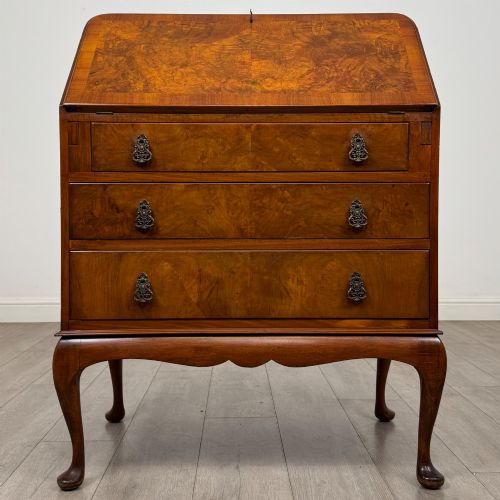
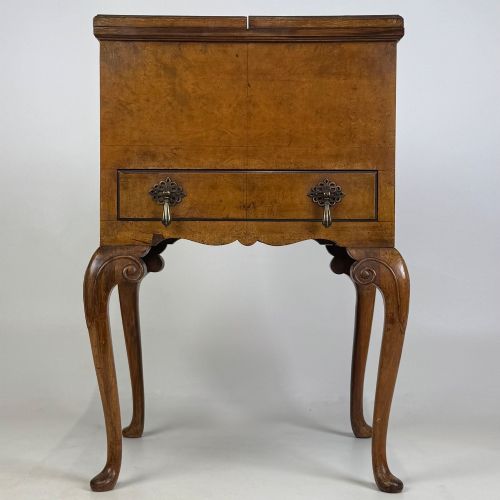
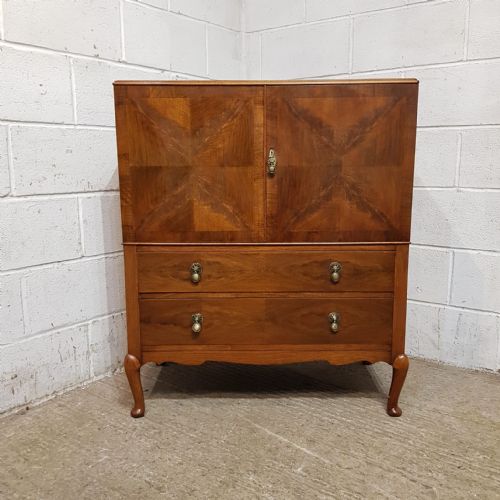
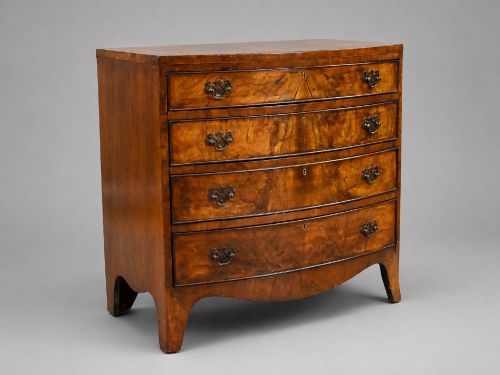
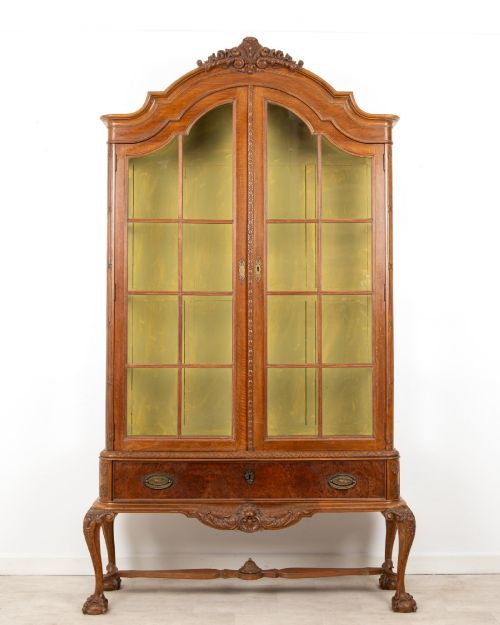
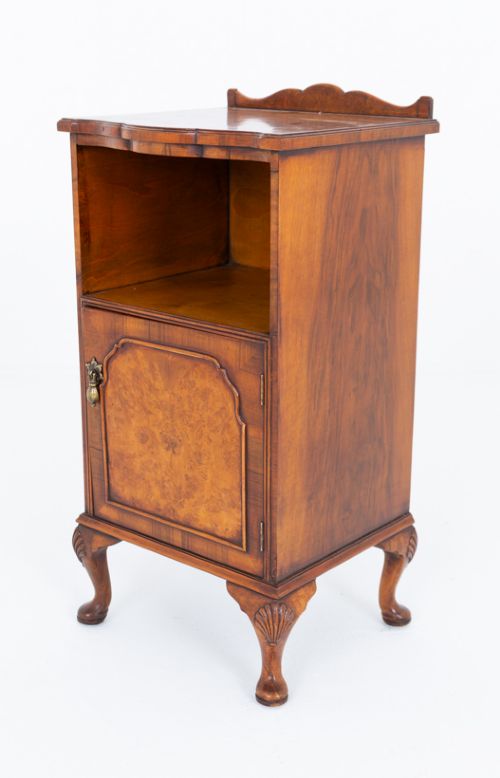


Queen Anne Revival Cabinet
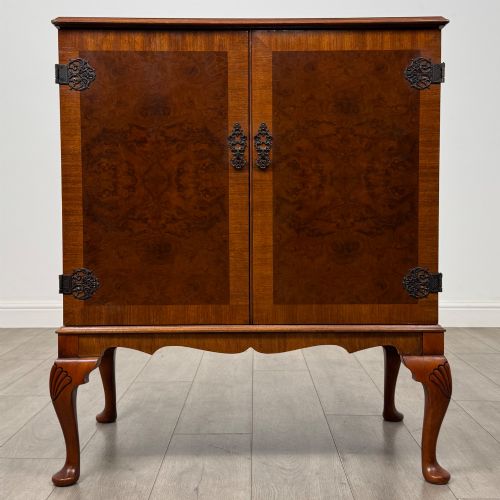
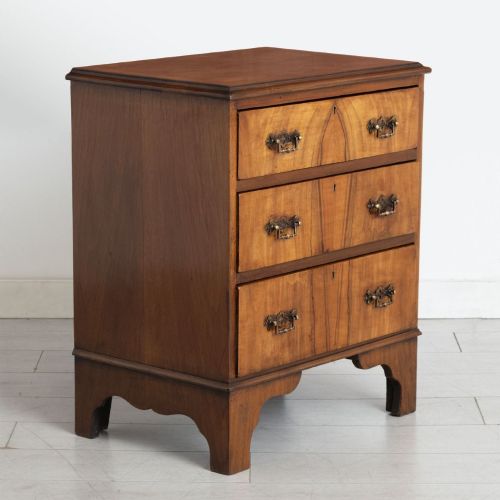
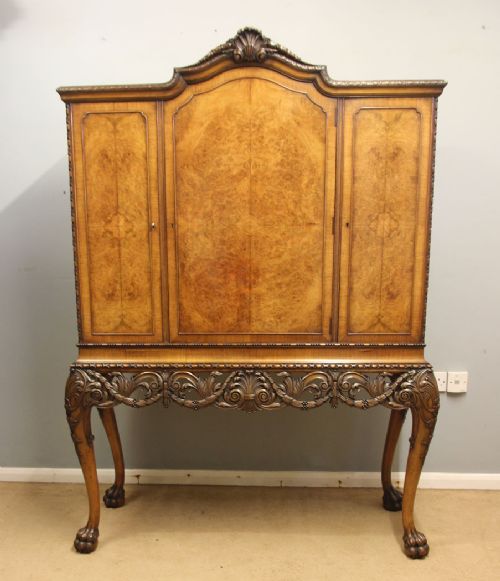
These queen anne revival cabinet pieces bring richly figured burr walnut and elegant proportions to any room.
What they are
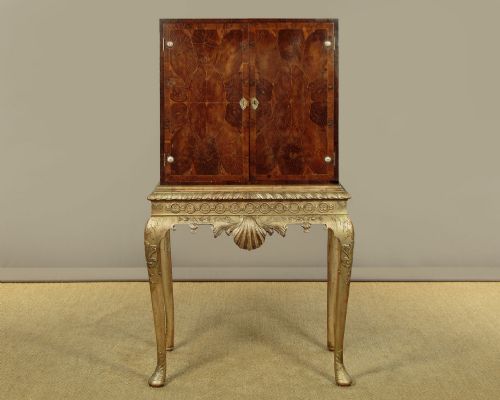
A queen anne revival cabinet bridges early eighteenth-century grace and early twentieth-century craftsmanship, appearing in forms such as display cabinets, corner cabinets, and cabinets on stands. These pieces emerge primarily from the Edwardian era and the decades immediately following, drawing heavily on classic Queen Anne revival design principles.
Buyers encountering these items on this page will most frequently find burr walnut timber used across freestanding display pieces, fitted cupboards, and bow front side cabinets. The Edwardian period and the early twentieth century produced these variations, blending practical storage with decorative glass fronts.
Corner cabinets and two-part display units demonstrate how makers adapted the revival style for domestic spaces of varying sizes. Each object utilises traditional forms while reflecting the specific aesthetic priorities of the nineteen-hundreds to nineteen-thirty.
How they were made
Cabinet makers constructed these pieces using solid walnut and striking burr walnut veneers, which were selected for their intricate grain patterns and applied to primary surfaces. Brass hardware and fittings provided functional contrast against the dark wood tones.
Specialised techniques included glass panel insertion for display doors and, in specific instances, the application of silver leaf or giltwood on supporting stands. Joinery methods of the Edwardian and early twentieth-century periods ensured stability alongside decorative refinement.
Retail Price Guide 2026
Typical UK retail prices for queen anne revival cabinet, calculated from the Sellingantiques database of over a million retail prices indexed since 2003. This retail price guide relies exclusively on Sellingantiques data; no external sources or auction records are used, so the figures do not describe the wider market.
Some makers placed valuable collections behind curved glass, trusting guests not to tap the bow front too hard.
What varies in quality
The choice of veneer sets the visual standard, with densely figured burr walnut commanding attention through superior depth and patterning compared to plainer walnut surfaces. The handling of secondary materials, such as silver leaf on stands or the precision of brass mounts, marks the difference between standard production and finer execution.
Structural harmony between upper display sections and their bases or stands dictates the overall elegance of the piece. Proportion and the subtlety of the revival detailing distinguish more ambitious cabinets from simpler utility cupboards.
The Queen Anne Revival Cabinet Glossary
- Burr walnut
- A prized timber veneer harvested from the growth excrescences of walnut trees, valued for its swirling, highly figured grain patterns. It forms the primary visual surface on many revival cabinets.
- Display cabinet
- An enclosed piece of furniture featuring glass panels designed to showcase porcelain, glassware, or books. These items often incorporate tiered shelving within.
- Cabinet on stand
- A two-part form comprising an upper enclosed cupboard resting upon a separate supporting frame or stand. This configuration echoes seventeenth and eighteenth-century aristocratic furniture.
- Bow front
- A convex curved cabinet front that softens room angles and adds visual movement to the piece. This shape appears frequently in twentieth-century side cabinets.
- Giltwood
- Wood that has been treated with gold leaf or a gold-coloured metallic finish for decorative enhancement. It highlights carved elements on stands and frames.
Frequently Asked Questions
What periods do these cabinets date from?
The listings span the Edwardian era through the nineteen-thirties, encompassing the early twentieth century.
These dates reflect the revival movement's popularity during those decades rather than original eighteenth-century manufacture.
How do I identify burr walnut?
Burr walnut is recognisable by its swirling, highly textured grain patterns created by tree growths.
It differs from straight-grained walnut by offering intense, organic visual movement across the cabinet surface.
Where should I place a corner cabinet?
Corner cabinets fit neatly into unused room angles, maximising floor space while offering display capability.
They work well in dining rooms or living areas to house collections without dominating the floor plan.
What is the difference between a display cabinet and a cupboard?
Display cabinets feature glass doors and internal shelving intended for viewing objects.
Cupboards utilise solid wooden doors designed to conceal stored items rather than exhibit them.