




Brown Oak Display Case
A brown oak display case combines practical storage with rich timber figuring, making it a functional centrepiece for exhibiting collections.
Brown Oak Display Case
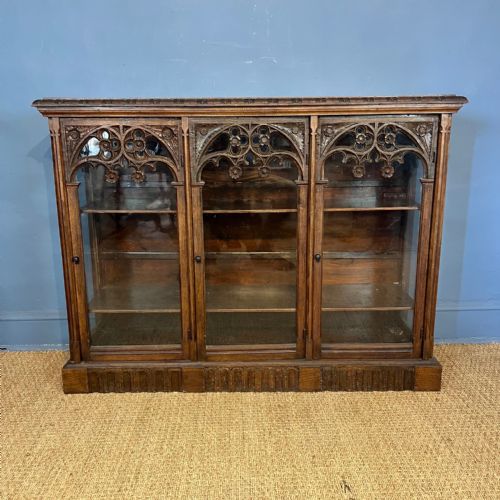
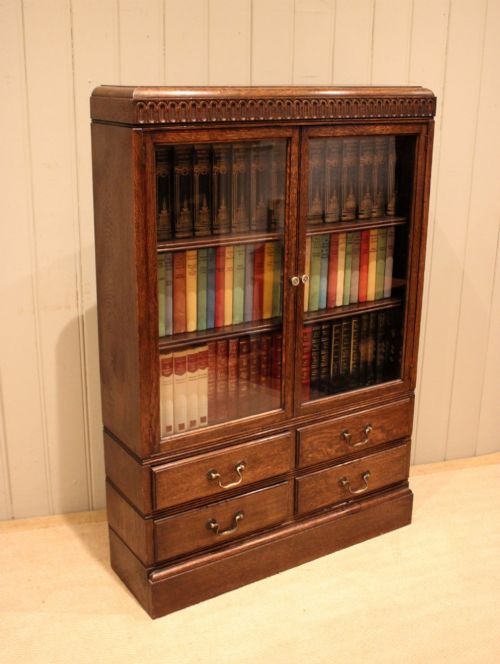
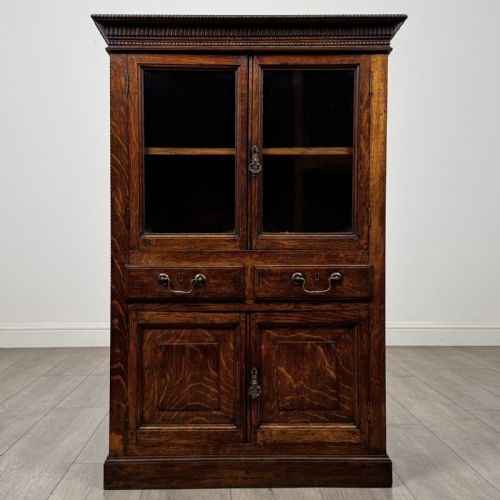
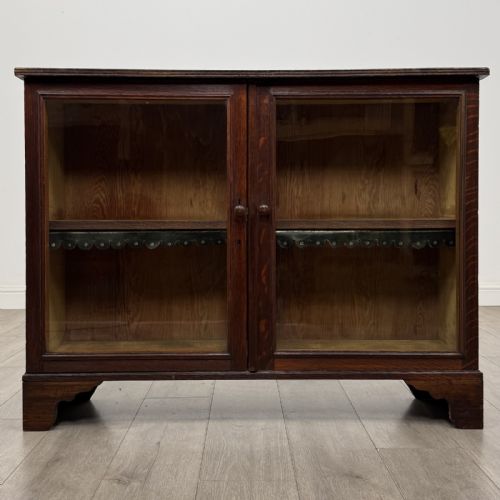
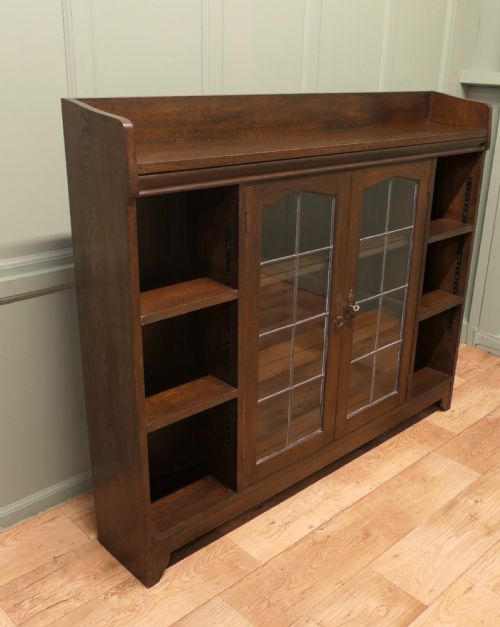
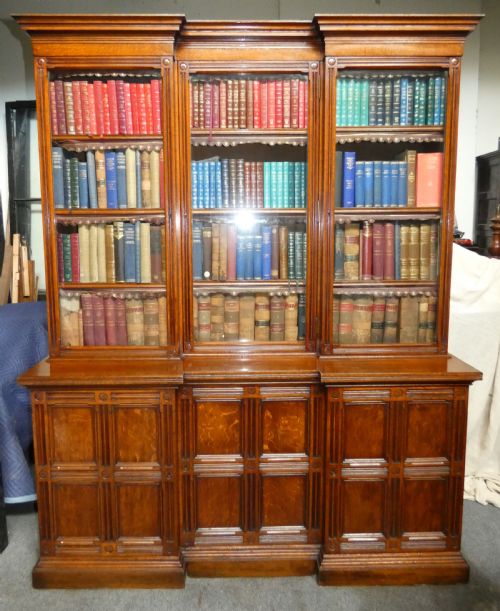
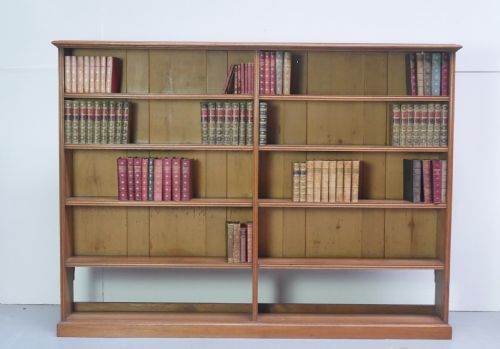
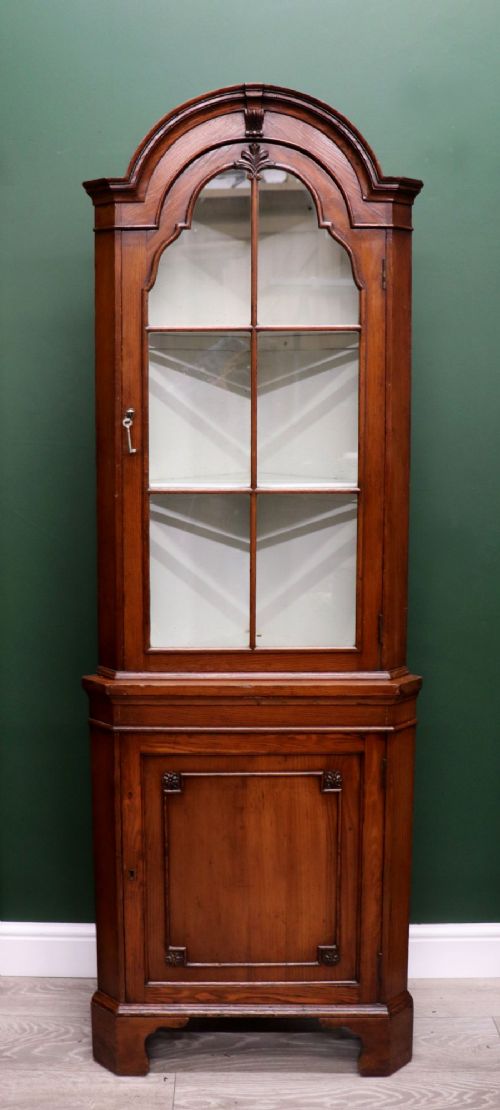
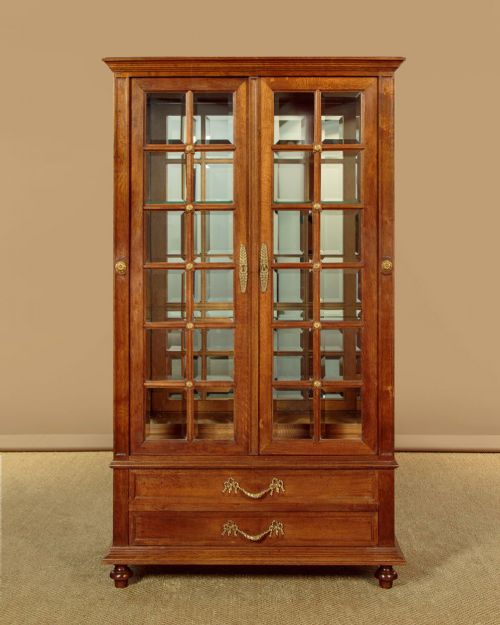
A brown oak display case is a timber enclosure designed to showcase and protect objects, drawing on periods from the eighteenth century to the twentieth century. These pieces appear in forms such as floor-standing cabinets, corner cupboards, bookcases, countertop shop vitrines, and tabletop domes.
The version most commonly met on this page is the Edwardian or 1930s floor-standing or countertop cabinet in oak, often glazed to permit a clear view of the contents. Makers utilise styles ranging from Arts and Crafts and Art Deco to Victorian and Gothic Revival, adapting the timber for domestic or commercial use.
What varies in quality
Quality rests upon the selection of the oak timber, the crispness of any carved mouldings or gilt mounts, and the integrity of the original glass and brass hardware. Superior examples display thoughtful proportions and careful matching of the wood grain across the doors and panels.
The execution of the joinery and the presence of original interior fittings, such as adjustable shelves or fabric linings, separate standard utility cabinets from finer library bookcases and museum display cases.
Brown Oak Display Case Retail Price Guide 2026
Typical asking prices for brown oak display case among the pieces listed under this phrase on Sellingantiques today, from the lower quarter to the upper quarter. They describe what is for sale here now, not the wider market.
Listings feature oak alongside materials such as glass, brass, fabric, lead, and paper, spanning the Georgian, Victorian, Edwardian, and Art Deco periods.
The Brown Oak Display Case Glossary
- Breakfront
- A large cabinet design where the central section projects forward from the flanking wings. This configuration creates visual depth and allows for varied internal shelving arrangements.
- Vitrine
- A glass-fronted cabinet or case specifically designed for displaying fine objects or curiosities. The term often describes countertop or floor-standing shop and museum fittings.
- Lead cames
- Slender strips of lead used to hold small panes of glass together within a window or cabinet door. They form geometric or decorative patterns across the glazed surface.
- Corner cabinet
- A triangular piece designed to fit neatly into the corner of a room, maximising floor space. These units feature glazed or panelled doors to display contents while enclosing them securely.
- Barley twist
- A type of turning shaped to resemble a helix or twisted rope, commonly found on the upright supports of cupboards and cabinets from the nineteenth century.
Brown Oak Display Case: Frequently Asked Questions
What is a brown oak display case?
A brown oak display case is a timber enclosure featuring glass panels designed to exhibit books, collections, or retail goods while protecting them from dust.
These pieces range from small countertop shop cabinets and tabletop domes to large floor-standing Victorian and Edwardian bookcases and corner cupboards.
How do I date an oak display case?
Dating involves examining the construction methods, hardware, and stylistic details such as Arts and Crafts simplicity, Art Deco geometries, or Victorian carving.
Periods represented on this page span from the eighteenth century through the Edwardian era and into the 1930s, each carrying distinct joinery and design markers.
Were these cases used in homes or shops?
They served both domestic and commercial environments, functioning as home libraries, smoking cabinets, and drawing-room display furniture.
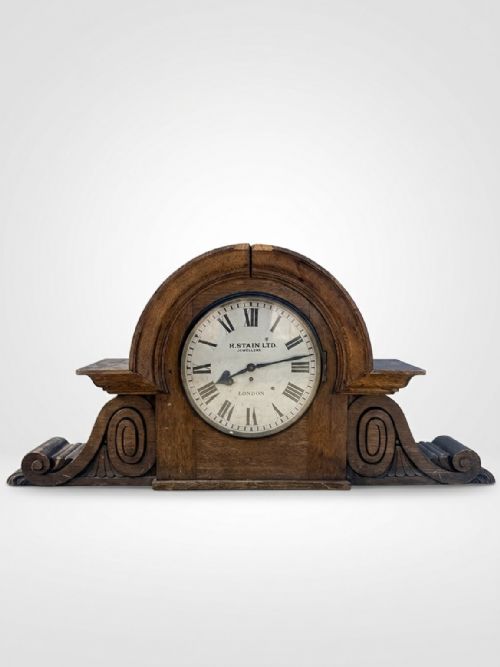
Other examples originate directly from commercial settings, functioning as countertop shop vitrines, jewellers' clock cases, and museum display enclosures.
How do I care for antique oak furniture?
Maintain the timber by keeping the case away from direct heat sources and sudden humidity changes that can affect the wood and glass.
Clean the glass with standard solutions and treat the oak surface with appropriate waxes to preserve the finish without sealing the grain.