
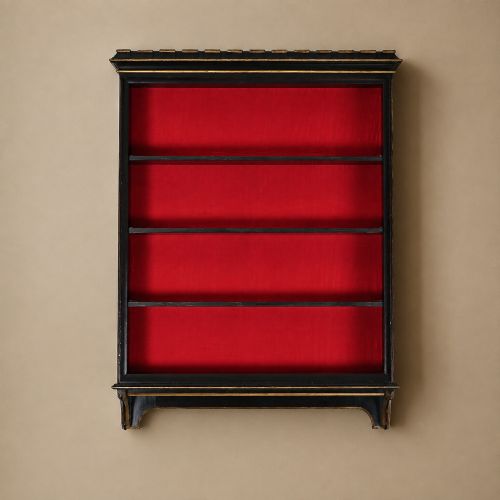
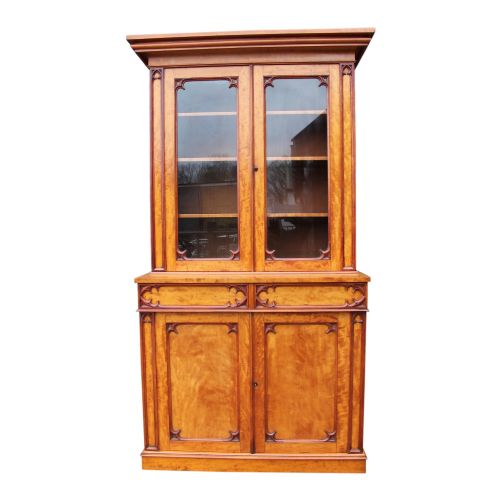
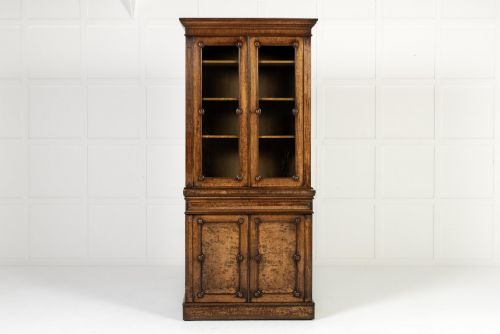
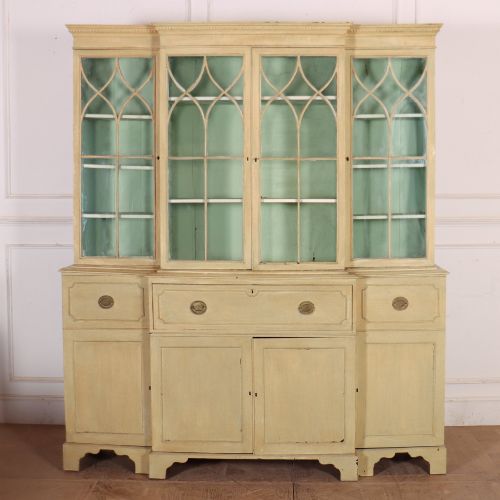


Victorian Gothic Bookcase
When you search for a victorian gothic bookcase, you are looking for nineteenth-century storage driven by medieval architectural revivals and heavy timber construction.
Victorian Gothic Bookcase
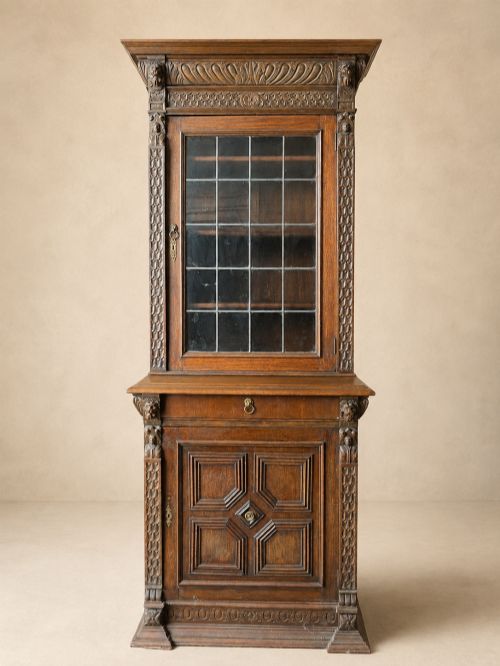
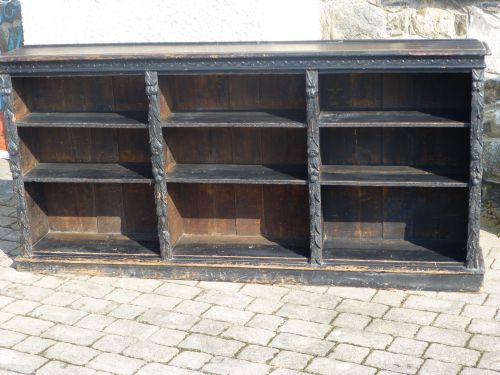
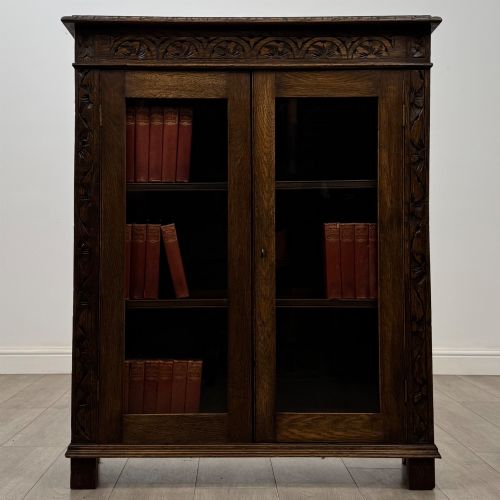
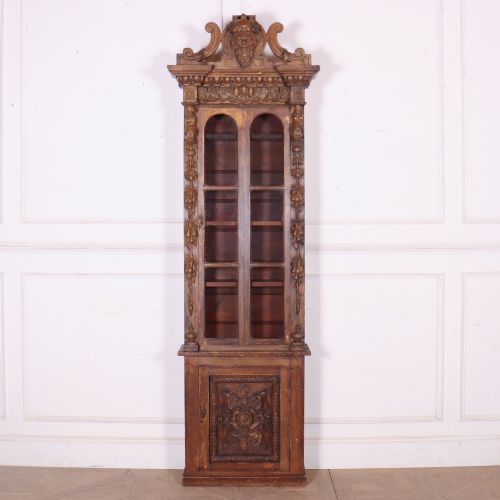
The version most commonly met on this page is the carved oak open bookcase or enclosed cabinet dating from the middle to late decades of the nineteenth century. Many incorporate glazed doors, adjustable shelves, and regional variations in timber like Scottish or English oak.
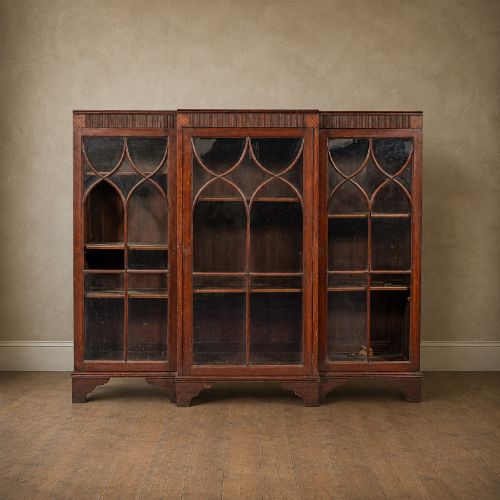
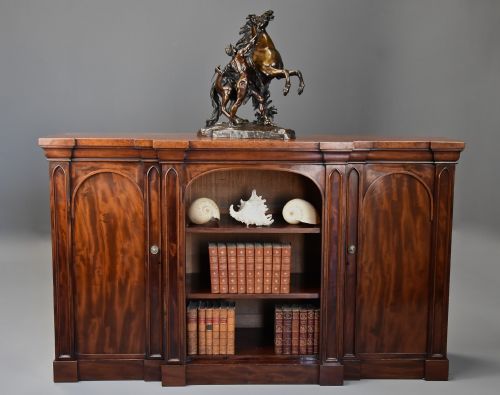
Makers and designers working within the Gothic Revival idiom produced these pieces alongside standard Victorian cabinet furniture. Architectural influences range from simple ecclesiastical wall shelves to monumental breakfront libraries housing substantial book collections.
Materials and Techniques
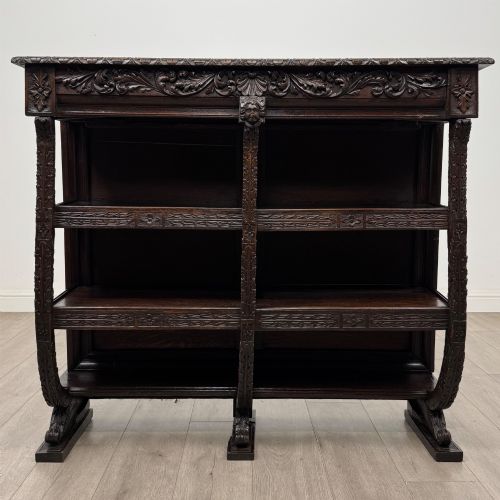
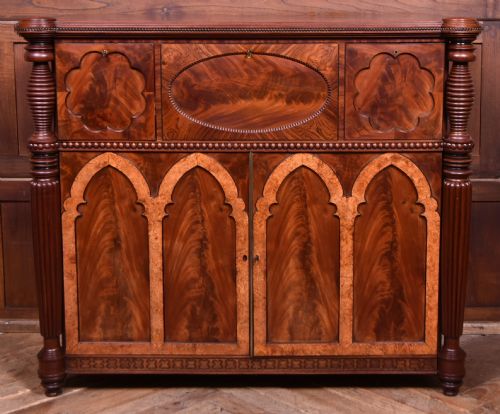
Solid oak serves as the primary structural material, often heavily carved with architectural mouldings, linenfold panels, or green man motifs. Craftsmen also utilised mahogany, walnut, and occasional satinwood for finer cabinet work.
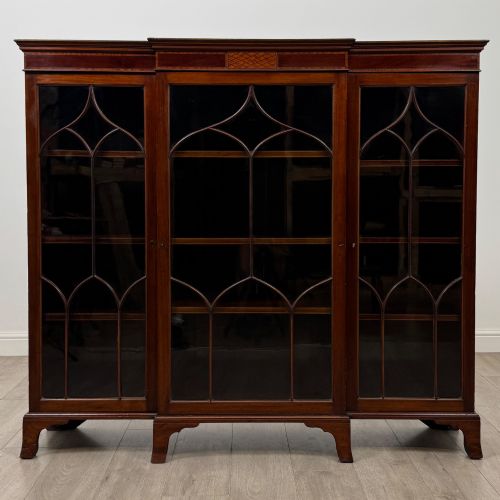
Glazing relies on lead or wooden astragals shaping the glass into pointed arches and geometric panes. Hardware consists of cast brass handles and hinges designed to complement the medieval revival aesthetic.
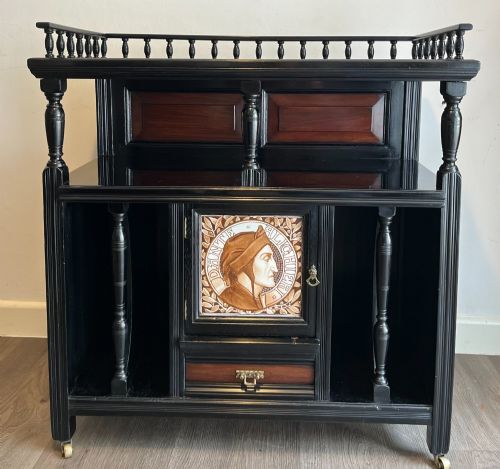
Joinery techniques include pegged mortise and tenon frames for large breakfronts and cabinet carcases. Surface treatments range from polished natural grain to ebonised finishes popular in later Victorian design.
Keep a sharp eye out for hidden green man carvings peering from the foliage beneath the cornice.
Standards of Execution
The distinction between standard utility items and exceptional pieces rests in the depth and crispness of the architectural carving. Deeply undercut foliage, finely rendered figures, and balanced proportions mark out superior cabinet work.
Material selection dictates the upper tier of the range, where figured pollard oak, burr walnut, or carefully matched mahogany supplant plain pine or standard stock. The integrity of original glass, brass hardware, and interior fittings further separates regional vernacular pieces from major workshop productions.
Jas Shoolbred·Gillows·George Edmund Street·John Moyr Smith
The Victorian Gothic Bookcase Glossary
- Breakfront
- A piece of furniture where the central section projects forward from the flanking outer sections. This architectural arrangement creates depth and shadow across large library bookcases.
- Gothic Revival
- An architectural and decorative style drawing inspiration from medieval buildings. Pointed arches, trefoils, and heavy tracery define this aesthetic.
- Secretaire
- A cabinet incorporating a pull-down writing drawer fitted with small drawers and pigeonholes. This hybrid form combines a desk with bookshelves above.
- Green Man
- A sculptural architectural motif depicting a human face disgorged from foliage. It appears frequently in carved nineteenth-century woodwork.
- Astragal
- A small moulding framing glass panes within a door. These wooden strips form the geometric tracery typical of cabinet glazing.
Victorian Gothic Bookcase: Frequently Asked Questions
What fits inside a victorian gothic bookcase?
These pieces accommodate standard library volumes, ledgers, and display items upon adjustable wooden shelves. Many include lower cupboards or secretaire drawers for supplementary storage.
Larger breakfront examples handle extensive private collections, while smaller wall-mounted or open variants suit modest reading rooms.
How do I care for nineteenth-century oak?
Maintain stable room humidity to prevent timber movement and protect the joints of large cabinet carcases. Apply occasional wax polish to nourish the grain without building up heavy residues.
Keep pieces away from direct heat sources and strong sunlight to preserve the original patina of the wood.
Are the shelves usually adjustable?
Many examples feature adjustable shelving supported by wooden ratchets, metal pins, or sliding tracks. This adaptability allowed nineteenth-century owners to reconfigure space for varying book sizes.
Fixed shelves do appear in smaller vernacular pieces and certain architectural wall cabinets.
How do I distinguish Gothic Revival from standard Victorian?
Gothic Revival pieces incorporate specific architectural elements such as pointed arches, quatrefoils, buttresses, and heavy carved tracery. Standard Victorian furniture often follows classical revival, rococo, or plain functional forms without medieval motifs.
The use of dark oak and ecclesiastical detailing remains a primary indicator of the Gothic style.