
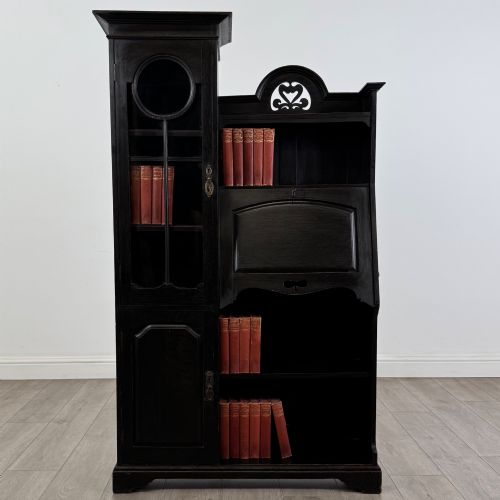
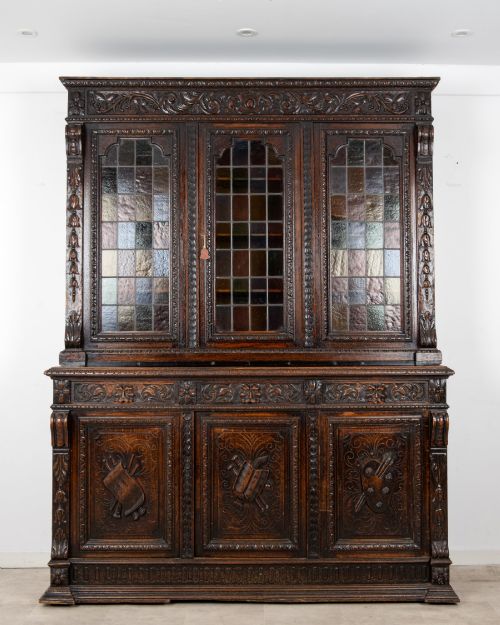
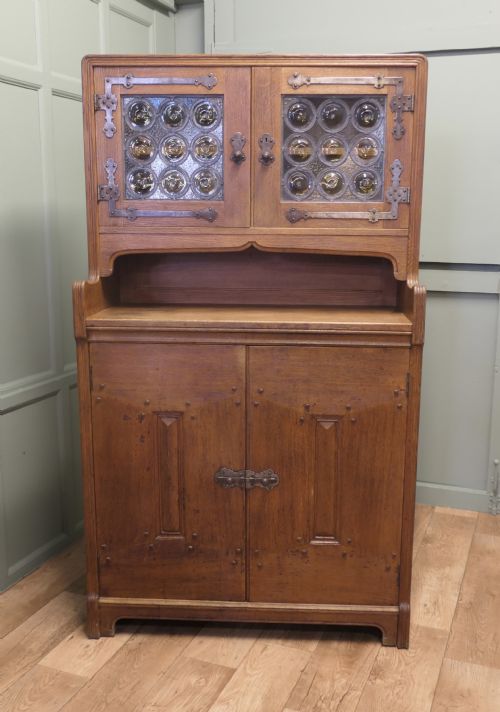
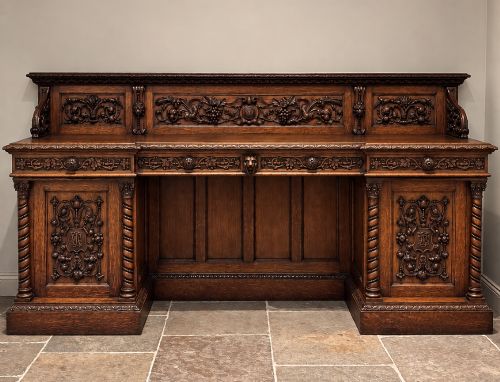
Gothic Revival Oak Cabinet
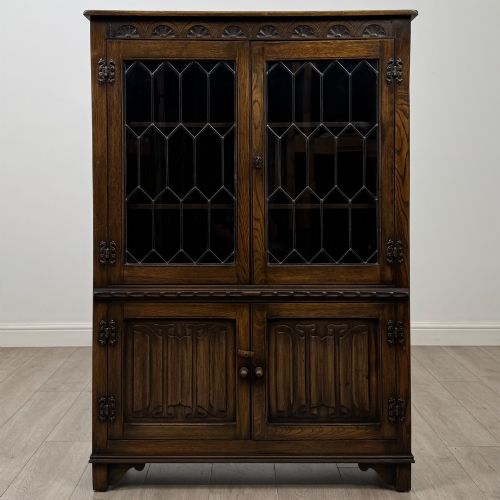
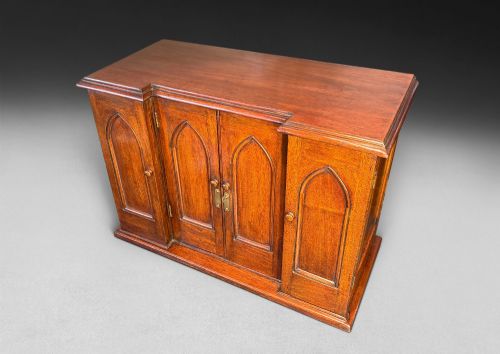
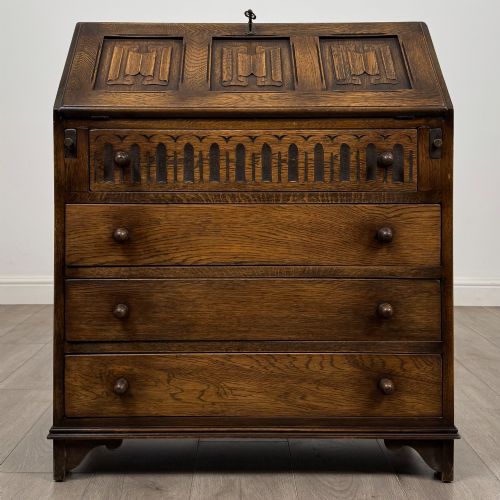
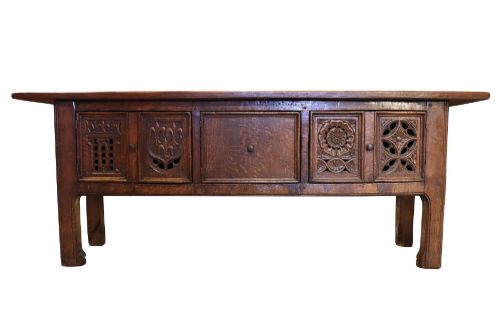
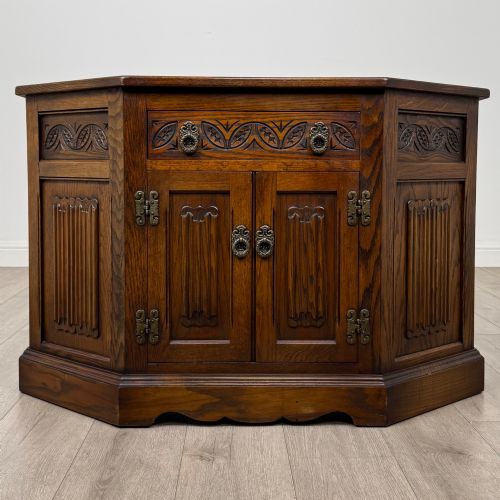
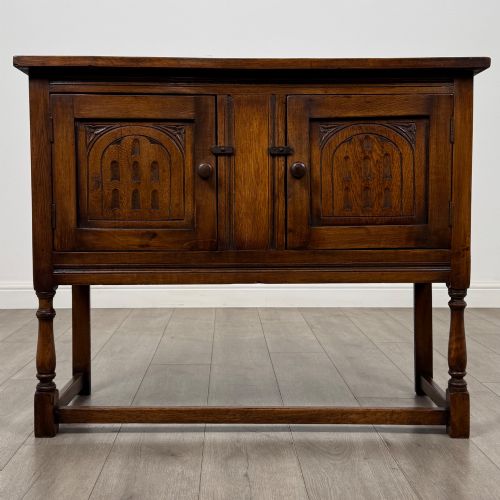
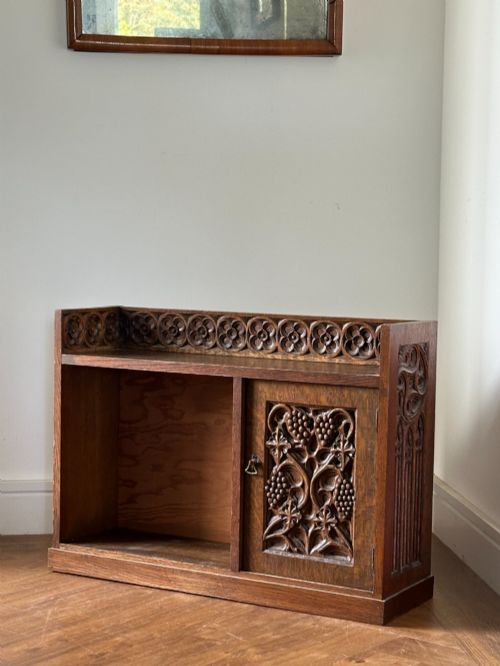
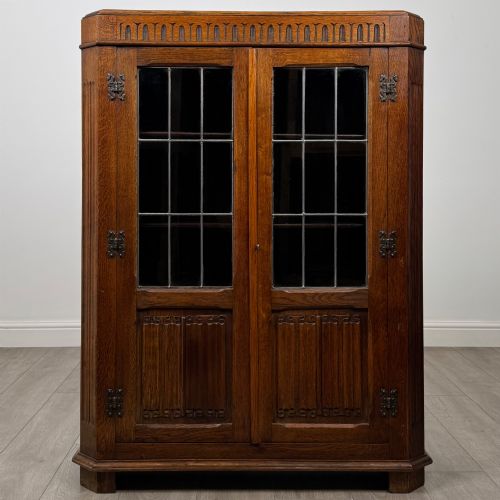
These gothic revival oak cabinet examples bring serious architectural presence and dark timber warmth into a room.
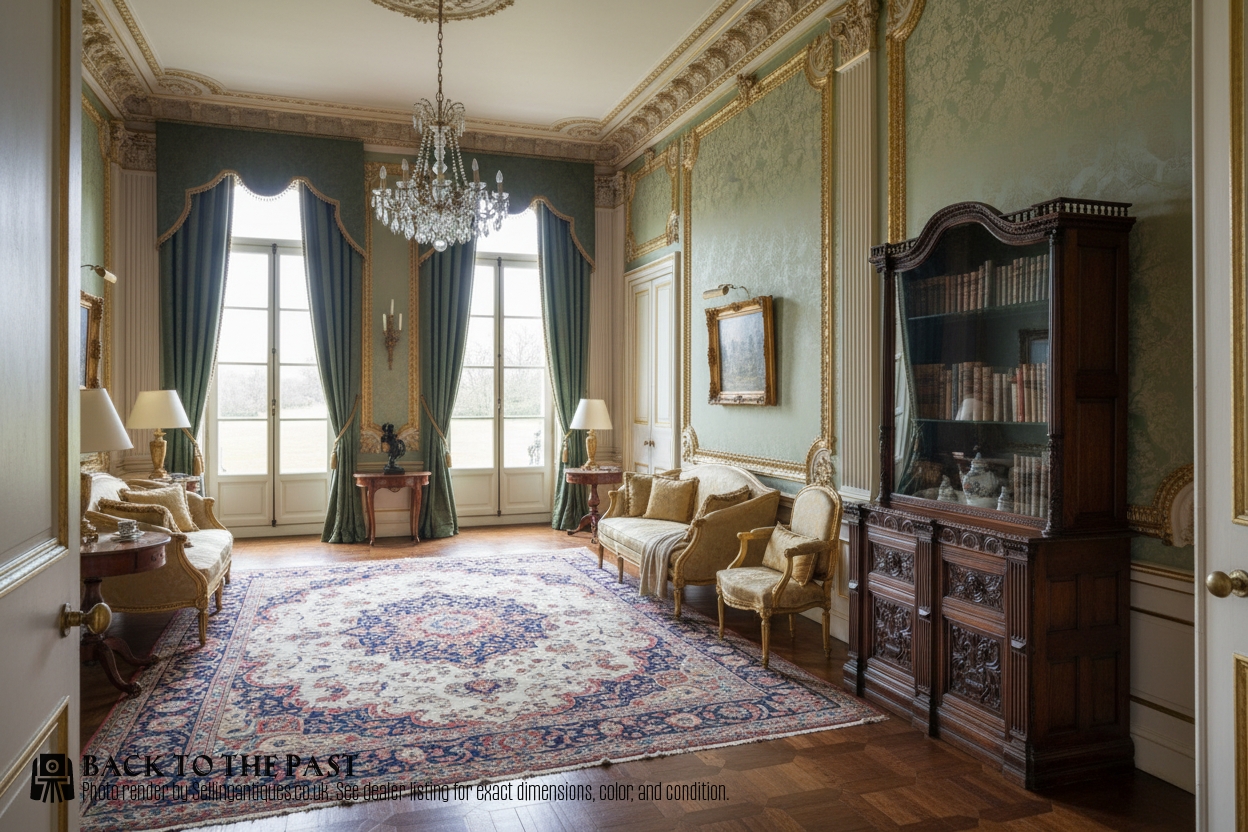
What these pieces are
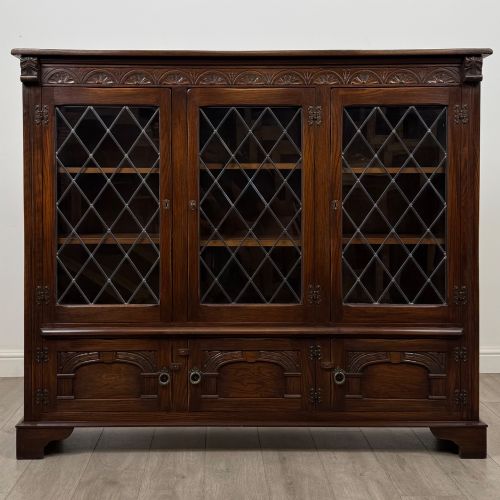
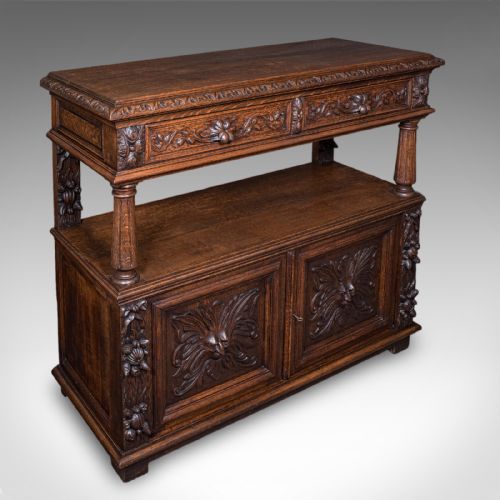
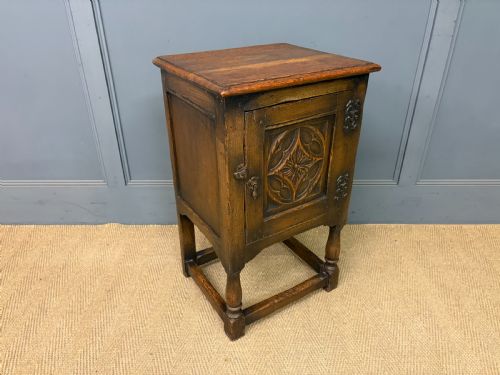
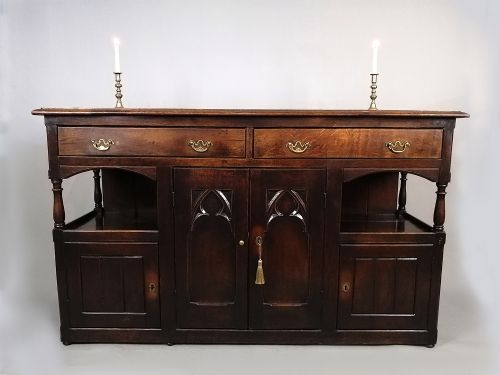
A gothic revival oak cabinet combines medieval church architecture with domestic storage, taking forms like bookcases, sideboards, livery cupboards, and hanging cabinets. When you search for this phrase, you find heavy timber construction built to make a strong visual statement in a room.
The pieces listed here date mostly from the nineteenth century, including Victorian interpretations and specific 1880 designs, alongside occasional eighteenth-century examples and later 1920 pieces. You meet glazed bookcases, carved display pieces, and hall cupboards with distinct revival styling.
Makers and designers of the period drew heavily on ecclesiastical motifs, incorporating pointed arches, tracery, and heavy carving into functional furniture. These items range from tall two-part glazed bookcases to small hanging cabinets and low stands.
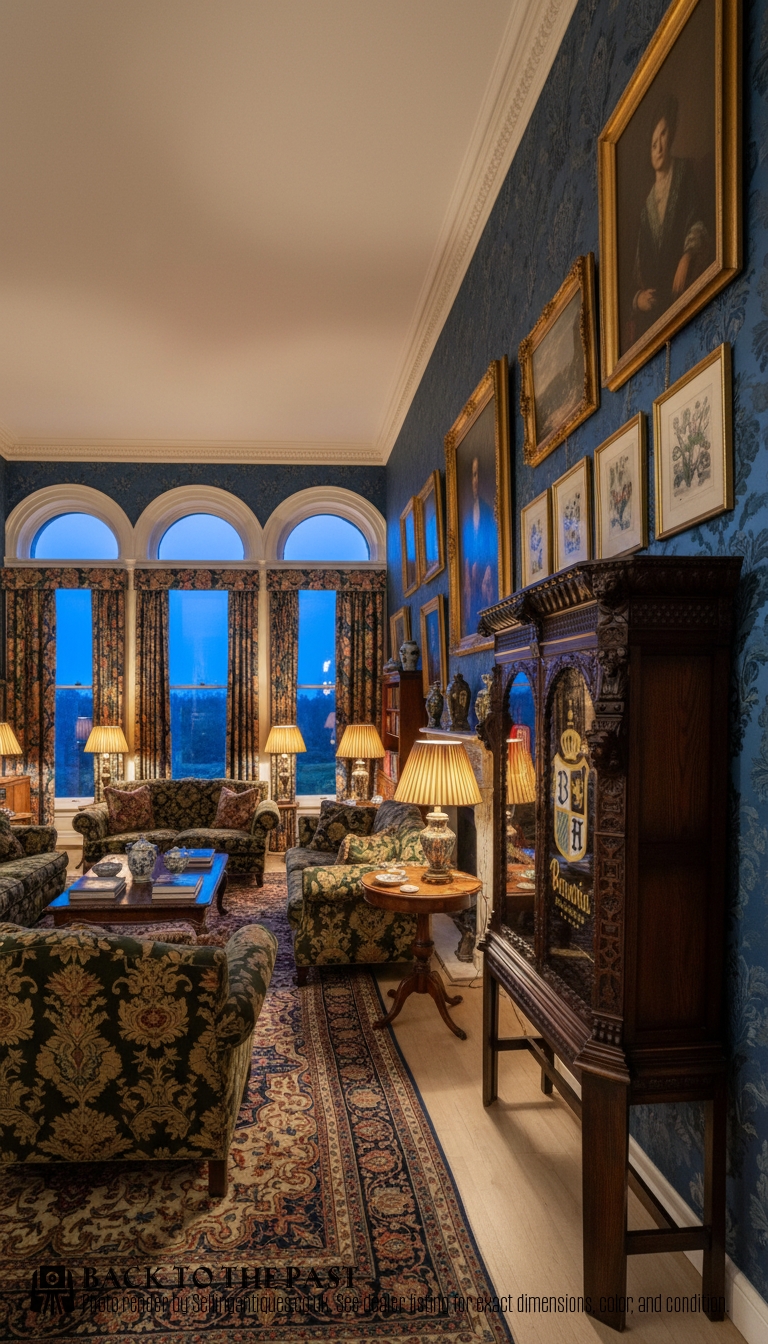
How they were made
These items rely on solid oak and pollard oak, complemented by glass panels, iron fittings, copper accents, and brass hardware. Cabinetmakers constructed the carcasses to handle heavy timber panels, often enriching the natural grain of the wood with deep surface carving.
Construction techniques include two-part modular builds for tall bookcases and sideboards, alongside fitted shelving and lower drawers. Hardware such as iron and brass hinges, locks, and handles secures heavy doors and glass display fronts.
Retail Price Guide 2026
Typical UK retail prices for gothic revival oak cabinet, calculated from the Sellingantiques database of over a million retail prices indexed since 2003. This retail price guide relies exclusively on Sellingantiques data; no external sources or auction records are used, so the figures do not describe the wider market.
One heavily carved nineteenth-century bookcase cabinet carries later sign-written German beer emblems, proving that even solemn gothic revival furniture enjoys a pint.
What varies in quality
Quality rests upon the ambition of the carving and the choice of timber, distinguishing simple utilitarian cupboards from masterworks designed by figures like Leonard Wyburd. Crisp detailing in the tracery and figures separates ordinary production from exceptional workshop output.
The integrity of the timber and the handling of secondary materials, such as pollard oak veneers or specialist hardware, define the upper tier of these pieces. Proportion and balance in large architectural forms determine how successfully the gothic idiom translates into domestic furniture.
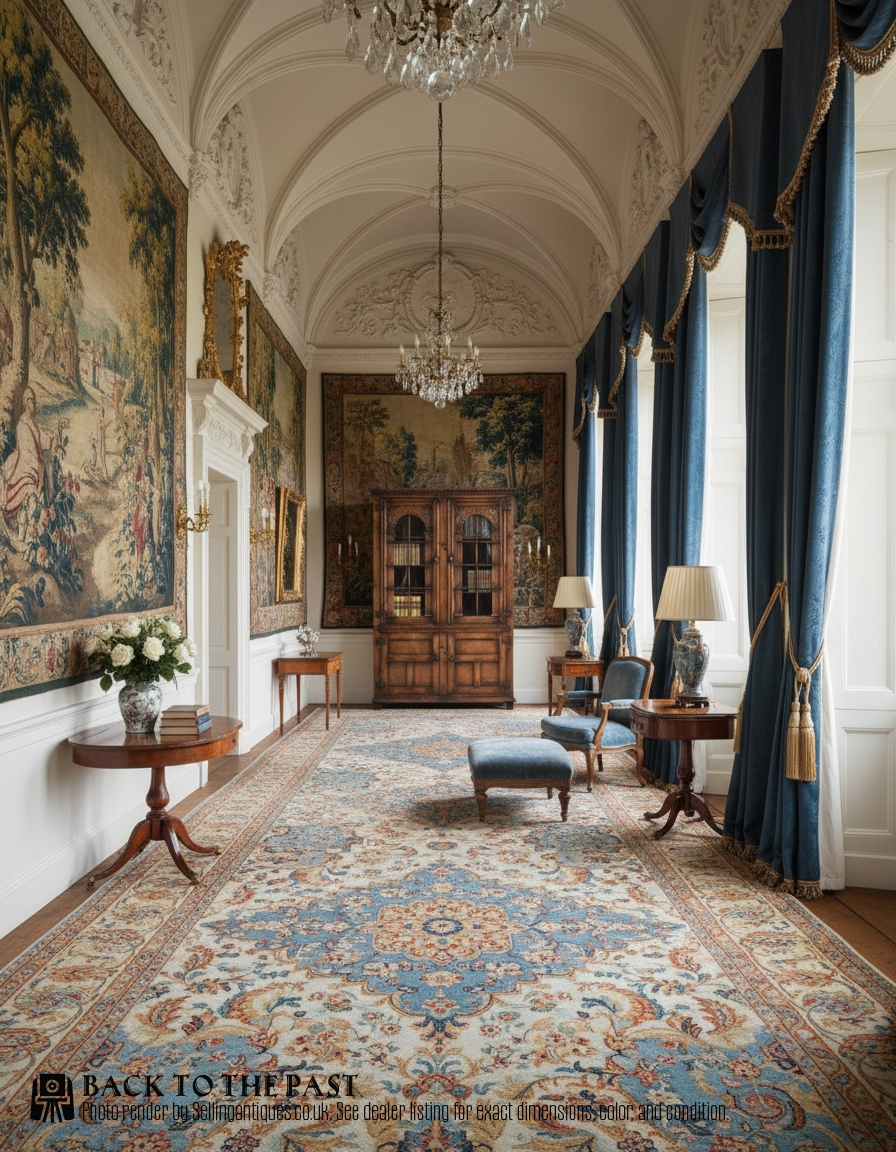
Leonard Wyburd
The Gothic Revival Oak Cabinet Glossary
- Gothic Revival
- An architectural and decorative style drawing on medieval ecclesiastical design. It employs pointed arches, heavy mouldings, and structural verticality.
- Pollard Oak
- Timber taken from trees that were pollarded, producing a dense wood with characteristic clustered grain patterns. Makers utilised it for decorative surfaces.
- Livery Cabinet
- A traditional storage piece originally used for provisions or clothing, reinterpreted in later periods with heavy revival carving.
- Tracery
- Openwork ornamentation resembling stonework in gothic windows, frequently carved into the wooden doors and panels of these cabinets.
Frequently Asked Questions
What is a gothic revival oak cabinet?
A gothic revival oak cabinet is a storage piece influenced by medieval architecture, featuring elements like pointed arches, carved tracery, and heavy oak timbers.
These items range from large glazed bookcases and sideboards to smaller hanging cupboards and stands built during the nineteenth century and earlier.
How were these cabinets used?
They served practical storage and display functions in homes, housing books, collections, and household goods behind heavy timber or glass doors.
Tall bookcases and livery cupboards provided substantial storage, while smaller cabinets and stands held precious items or served as side units in halls and living spaces.
How do I live with one?
These cabinets suit rooms with strong proportions and traditional decor, where their dark timber and architectural presence can anchor the space.
Because they are heavy and visually commanding, they pair well with simpler furnishings and benefit from placement against solid walls with good ambient light.
How do I tell periods apart?
Eighteenth-century examples tend to show simpler vernacular construction and wear, whereas nineteenth-century Victorian pieces often feature more exuberant carved revival ornament.
Later nineteenth-century and Arts and Crafts examples introduce cleaner lines and specific designer influences, while 1920 pieces show more streamlined solid oak construction.