

Brown Oak Bookcase Cabinet
A brown oak bookcase cabinet brings warm timber grain and practical shelving together, offering a handsome place to store a library.
Brown Oak Bookcase Cabinet
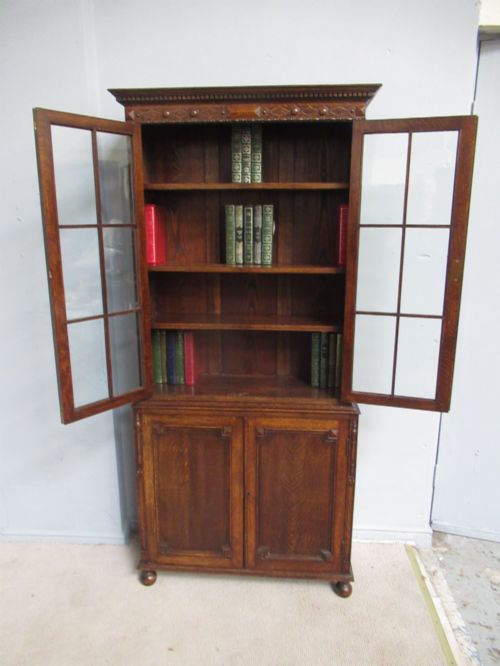
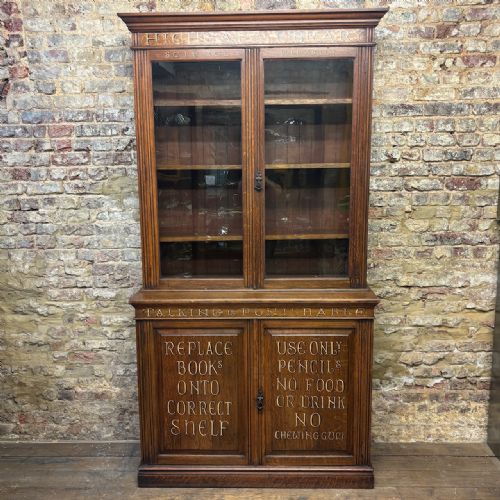
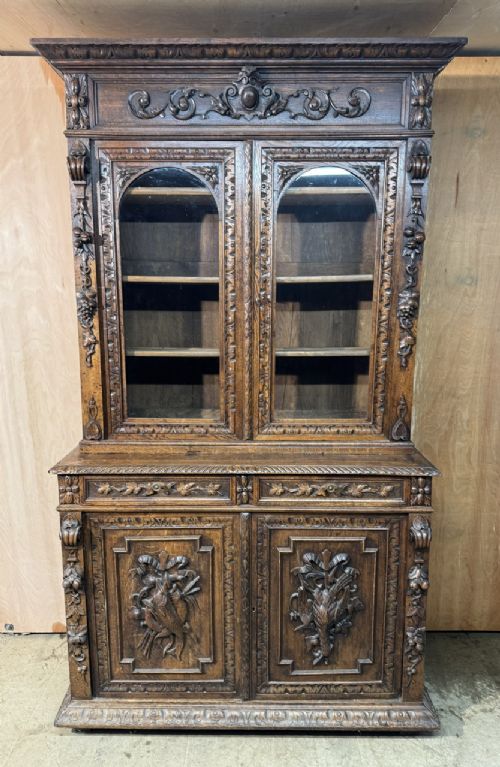
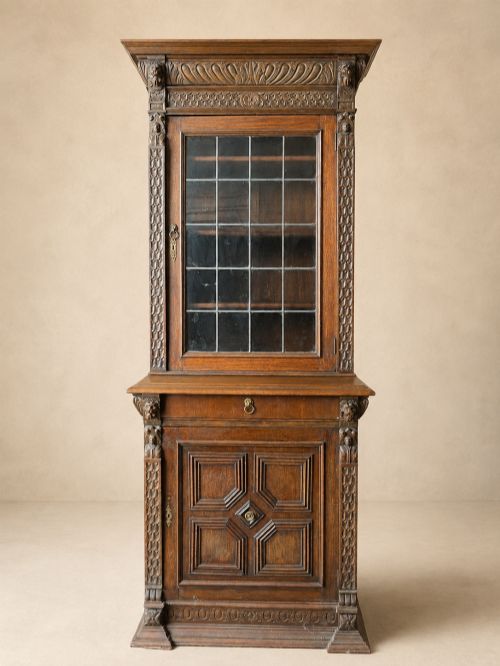
A brown oak bookcase cabinet combines timber storage with dedicated shelving for books, often featuring glazed or solid wooden doors to protect the volumes inside. Buyers searching for a brown oak bookcase cabinet typically encounter pieces originating from the eighteenth, nineteenth, and early twentieth centuries, spanning periods such as the Edwardian era, the Victorian period, and the 1920s.
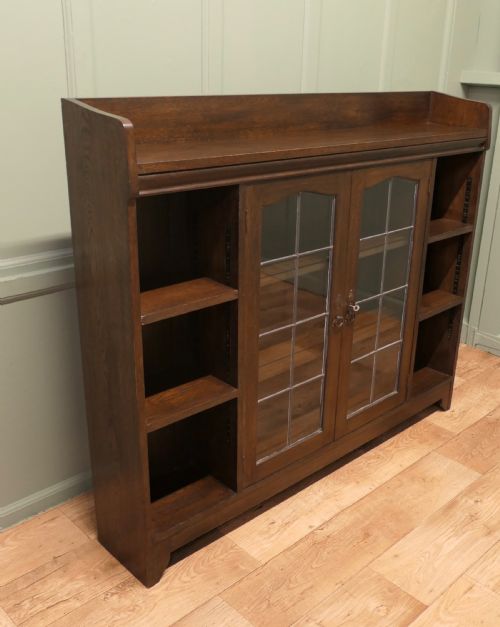
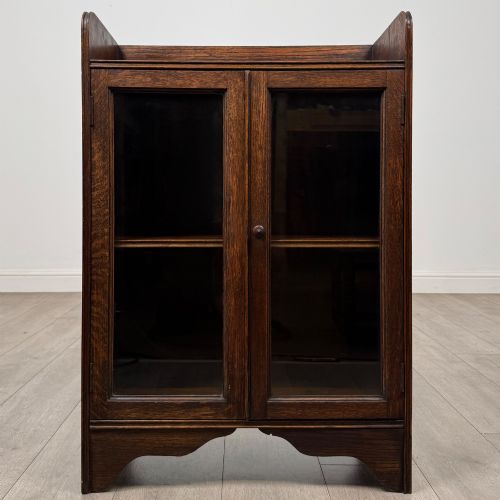
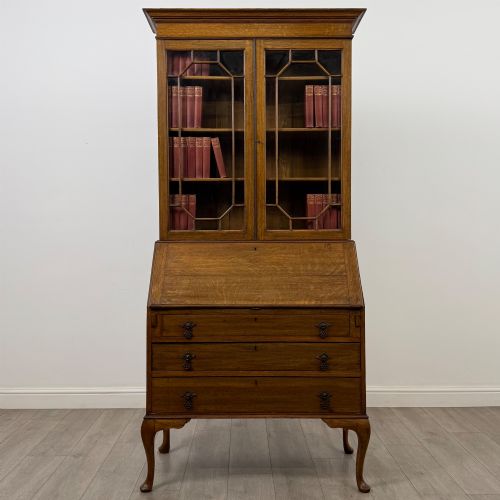
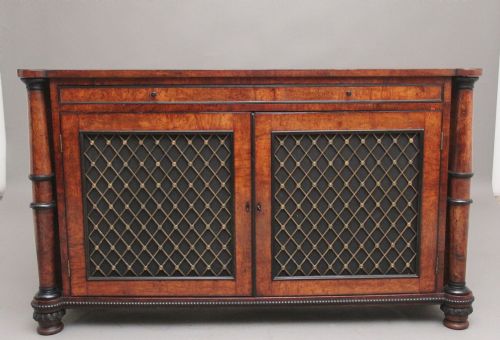
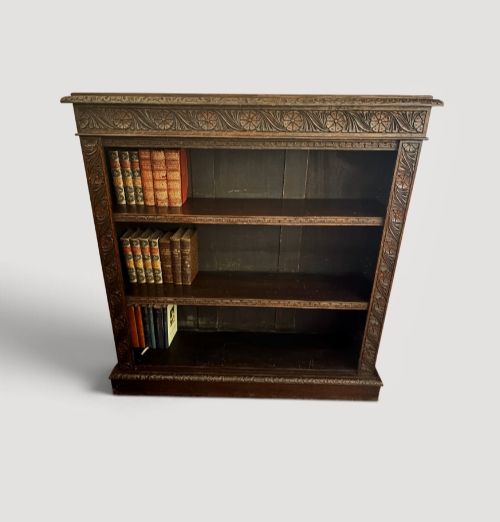
The selections on this page range from tall bureau bookcases with fitted drop-front writing surfaces and stepped interiors to compact display cabinets, open shelving units, and sectional stacking designs. Many examples incorporate lower cupboards or drawers beneath the upper bookcase section, providing enclosed storage alongside visible display space.
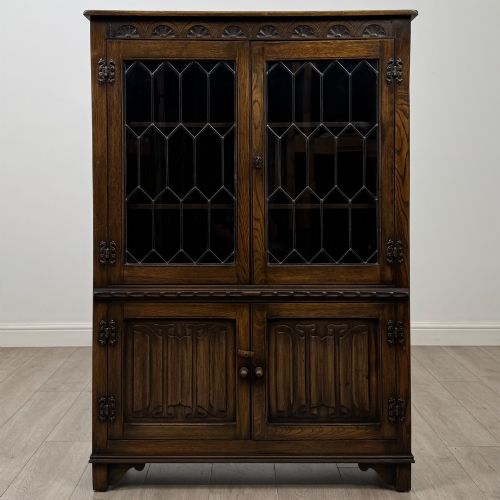
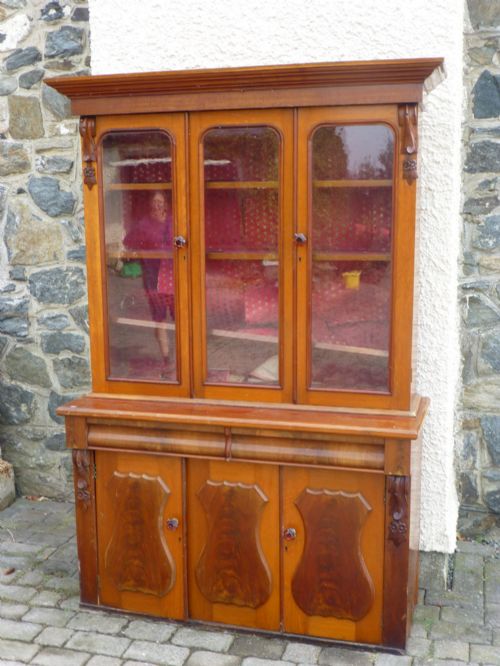
Stylistic influences vary widely across the inventory, drawing on Jacobean Revival motifs, Arts and Crafts simplicity, French Provincial carving, and geometric Art Deco lines. Regional variations also appear, including traditional Welsh dresser forms that combine timber kitchen storage with upper glazed bookcase sections.
Judging quality and craftsmanship
Quality rests upon the selection of timber figure, particularly the richness of the brown oak grain and the crispness of any hand-carved ornamentation. Finer examples display harmonious proportions, carefully matched wood veneers, and substantial solid timber scantlings rather than thin overlays.
The sophistication of the internal fittings distinguishes superior pieces, such as stepped pigeonholes within bureau sections, smoothly operating adjustable shelf mechanisms, and original brass or iron hardware that remains securely fitted to the doors and drawers.
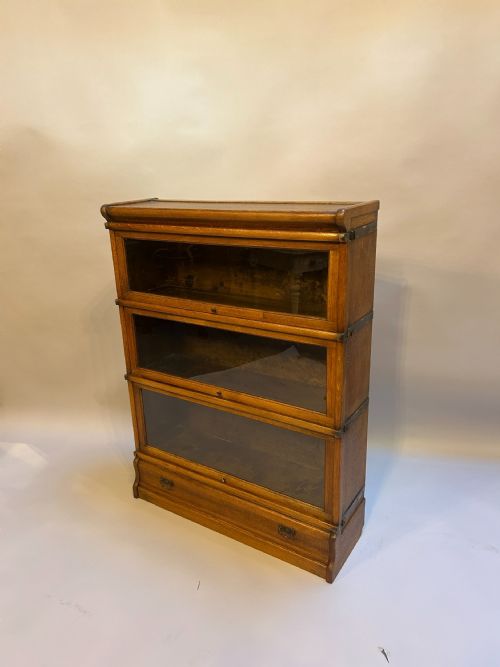
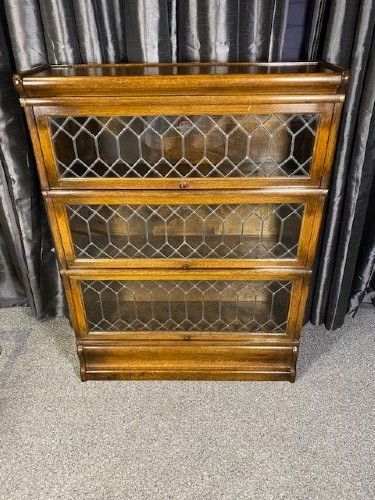
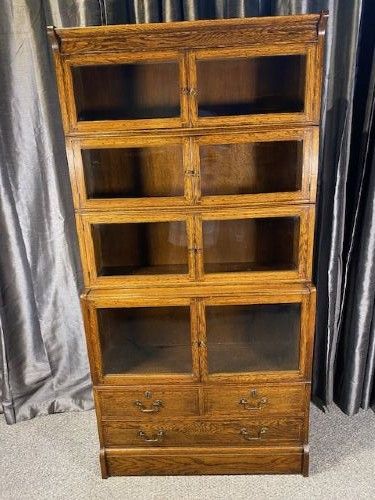
Some school libraries and busy barristers relied on modular stacking oak cases so they could take their entire library with them on the move.
Globe Wernicke·Arthur Simpson of Kendal·Heals
The Brown Oak Bookcase Cabinet Glossary
- Bureau bookcase
- A hybrid furniture form combining a sloping fall-front desk with an upper bookcase or display cabinet. The desk section usually drops down to reveal fitted interior compartments and small drawers.
- Pollard oak
- A timber taken from trees that have been pollarded, producing wood with a dense, highly figured grain pattern. This decorative timber appears frequently on select nineteenth-century cabinet doors and panels.
- Globe Wernicke
- A modular stacking bookcase system popular in the early twentieth century. Each tier functions as an independent unit with a glass door that lifts and slides inwards above the books.
- Linenfold
- A style of wood carving that mimics the appearance of folded fabric or linen. Cabinet makers frequently applied this motif to vertical panels on Edwardian display pieces.
- Stepped interior
- An arrangement of internal drawers and pigeonholes set in receding tiers within a bureau desk. This detail allows for orderly storage of writing materials and correspondence.
Brown Oak Bookcase Cabinet: Frequently Asked Questions
What is a bureau bookcase?
A bureau bookcase is a dual-purpose piece that combines a sloping writing desk with shelving above. The hinged desk flap opens to provide a writing surface above small drawers and pigeonholes.
Upper sections typically feature glass doors to display volumes while keeping them dust-free. This combination made them essential furniture for studies and libraries in earlier centuries.
How do I style a brown oak cabinet?
Brown oak furniture brings warmth to a room through its deep timber tones and visible grain. Pair the cabinet with neutral walls to let the natural wood take visual precedence.
Use the shelving for book collections, ceramics, or framed prints while storing smaller items in the lower cupboards. The rich brown shade complements both traditional leather armchairs and modern minimalist seating.
How do I date an oak bookcase?
Dating relies on examining construction techniques, hardware, and stylistic details. Earlier pieces from the eighteenth century often feature hand-cut dovetails and pegged joinery, while Edwardian and 1920s examples may show machine-sawn elements and different brass pulls.
Revival styles like Jacobean or Arts and Crafts borrow historical motifs, so look closely at the secondary woods and interior construction to confirm the actual period of manufacture.
Are shelves adjustable in antique bookcases?
Many nineteenth and twentieth-century bookcases feature adjustable wooden shelving supported by wooden ratchets, metal pins, or sliding tracks. This system allowed owners to alter shelf heights for varying book sizes.
Earlier eighteenth-century pieces more commonly feature fixed shelves held permanently within the structural framing of the cabinet.