




French Provincial Wall Cabinet
A french provincial wall cabinet brings rustic utility and regional charm into a room, offering exposed timber grain and period ironwork.
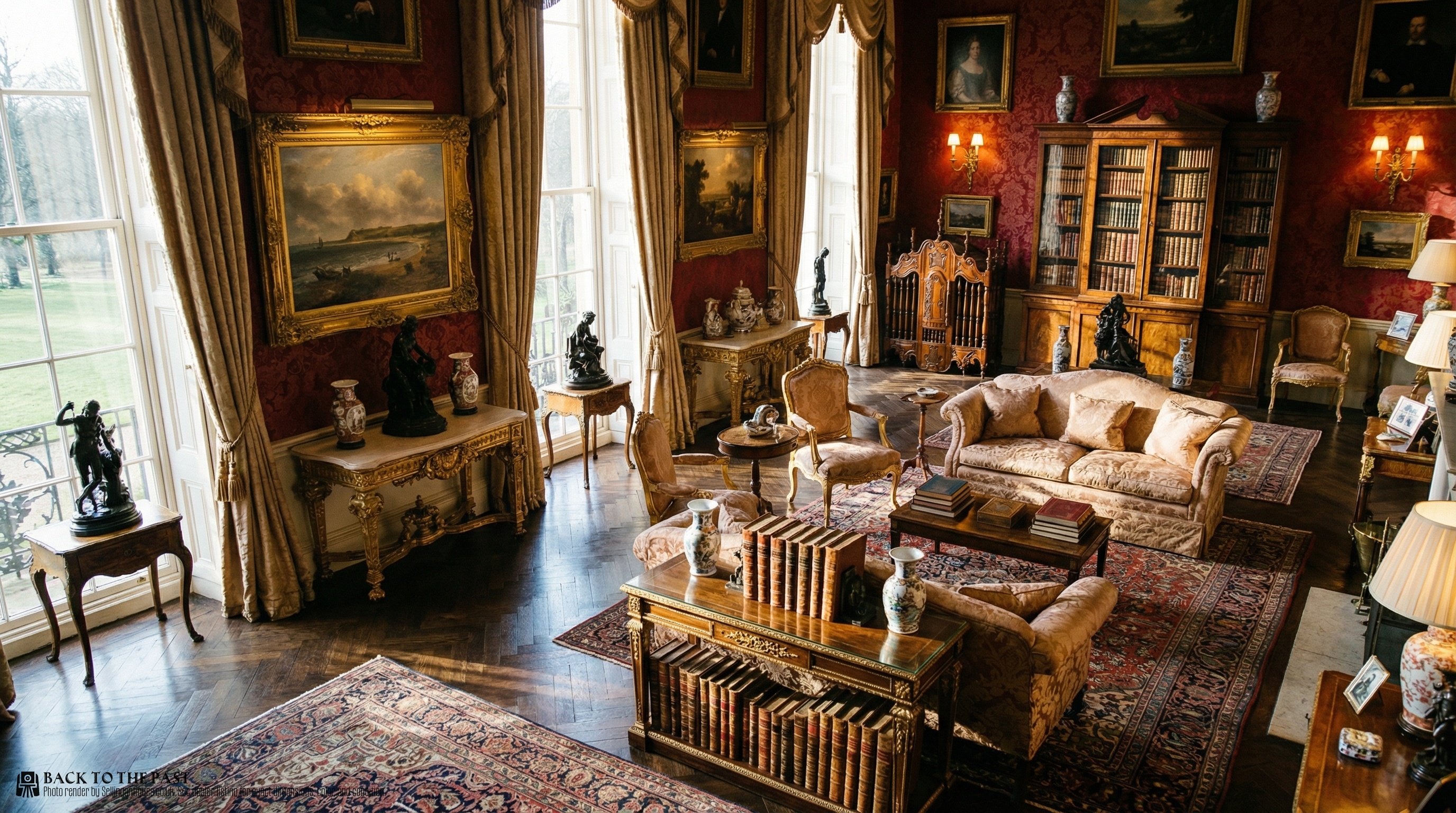
French Provincial Wall Cabinet
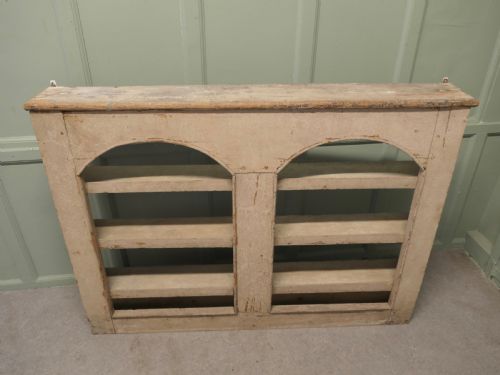
A french provincial wall cabinet encompasses storage forms from rural France, spanning the seventeenth through the nineteenth centuries. The inventory on this page ranges from oak and walnut cupboards to chestnut lavabo cabinets and pine alcove shelving.
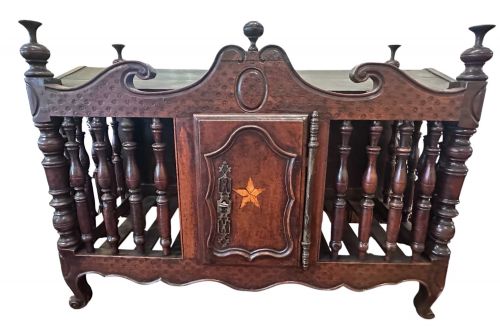
Buyers will most frequently meet nineteenth-century oak and walnut examples alongside eighteenth-century bread cages, known as panetières, which feature turned finials and carved woodwork. These wall-mounted and corner cupboards reflect the domestic needs of French manoirs and farmhouses.
How they were made
Local joiners built these cabinets using regional timbers such as oak, walnut, chestnut, fruitwood, and pine. Structural joints relied on traditional pegged joinery rather than metal fasteners.
Iron hinges, brass escutcheons, and pewter basins provided the functional hardware. Surfaces often show traces of distemper paint or bleached timber finishes developed through decades of domestic use.
Bread cages originally relied on turned wooden spindles to let the crusts breathe while keeping the family loaf safe from the household cat.
What varies in quality
The distinction between standard storage and superior examples rests on timber selection and decorative carving. Walnut and bleached oak cabinets with serpentine fronts or architectural mouldings stand above plain utility pine.
Original hardware, including turned finials and intact pewter cisterns, elevates an object. The harmony of proportion between doors, shelves, and cornices determines the visual success of each piece.
The French Provincial Wall Cabinet Glossary
- Panetière
- A traditional French bread cage featuring spindle galleries designed to keep loaves ventilated and away from household pests. These wall-mounted cabinets often display carved walnut or chestnut panels.
- Lavabo cabinet
- A washstand unit incorporating a metal cistern and basin for personal ablutions. Eighteenth-century versions frequently pair pewter water vessels with fitted timber cabinetry.
- Alcove cupboard
- A recessed storage unit built to fit into domestic wall niches. These pieces utilise pine or oak to maximise rural floor space.
- Distemper paint
- A water-based medium utilising binder such as size or glue, commonly found on early painted doors and woodwork. This finish ages with a distinct matte texture.
French Provincial Wall Cabinet: Frequently Asked Questions
Where were these cabinets placed in a home?
These cabinets hung in kitchens, dining rooms, and cellars to store food, bread, and household utensils.
Corner cupboards and wall-hanging units utilised vertical space in smaller provincial rooms.
How do I distinguish an eighteenth-century piece?
Eighteenth-century examples display hand-cut joinery, pegged framing, and timber species like walnut and chestnut.
Turned finials and serpentine fronts also point toward this earlier period of rural craftsmanship.
Are painted finishes original on these cabinets?
Many pieces retain layers of distemper paint applied during their working lives in French farmhouses and manoirs.
Surfaces often show natural wear that reveals the underlying oak or pine timber beneath.
How do I care for antique timber?
Keep these cabinets away from direct heat sources and sudden humidity changes to protect the dry oak and walnut.
Apply occasional natural wax to nourish the historic wood grain without sealing it.