


Brown Walnut Wall Cabinet
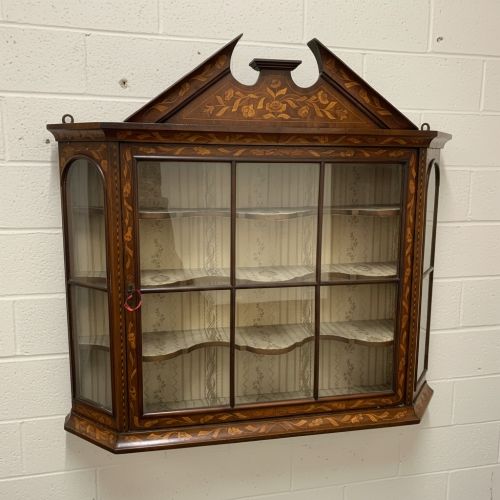
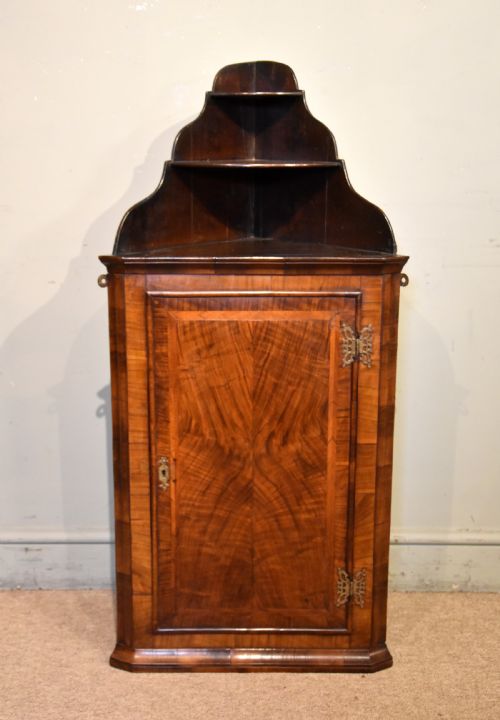
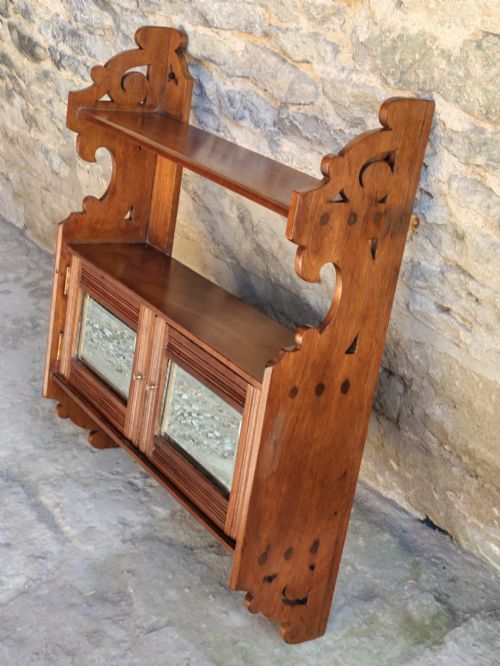
These brown walnut wall cabinets are hanging pieces crafted from timber and glass, offering compact storage for any room.
Brown Walnut Wall Cabinet
A brown walnut wall cabinet sits on a wall, making the most of floor space while holding objects close at hand. When you search for a brown walnut wall cabinet, you encounter hanging cupboards, corner cupboards, and wall-mounted display units spanning the eighteenth century, Victorian era, and Edwardian period.
The selection ranges from George I and Queen Anne corner cupboards to French panetiere bread stores and Victorian glazed cabinets. Many examples utilise walnut alongside secondary woods like oak and elm, often shaped with bow fronts or serpentine lines.
How they were made
Joiners built these cabinets using solid walnut, burr walnut, and oak, incorporating brass for hinges and escutcheons alongside glass for panel doors. Surfaces received carved details, marquetry work, or turned finials depending on the regional workshop and period.
Makers constructed hanging mechanisms and corner brackets to support the weight of the timber against the wall. Interior shelving provides storage, while glazed doors or open display tiers exhibit contents safely.
One Victorian walnut glazed cabinet carries later hand sign-written advertising for Fry's Chocolate.
What varies in quality
The distinction between ordinary and superior pieces rests on the choice of timber figure, such as burr walnut veneers, and the crispness of the hand-carved ornamentation. Finer examples display harmonious proportions, integrated brass hardware, and thoughtful joinery that survives centuries of use.
Construction methods also separate standard production from master craftsmanship, visible in the dovetail joints, the fit of the doors, and the preservation of original finishes. Details like turned finials and marquetry inlay elevate certain items above simpler utilitarian cupboards.
Arthur Simpson
The Brown Walnut Wall Cabinet Glossary
- Panetiere
- A traditional French wall-mounted bread store featuring turned spindles or pillars. These cupboards allowed air circulation to keep loaves fresh.
- Burr walnut
- A prized wood grain marked by swirling knot patterns. Cabinetmakers sliced this timber into veneers to create decorative fronts.
- Marquetry
- The art of inlaying contrasting woods and materials into a veneer surface. Dutch makers utilised this technique to picture floral and geometric designs.
- Serpentine front
- A furniture shape curving outward in the centre and inward at the sides. This contour requires precise woodworking skill.
- Bow front
- A cabinet face curved outward in a convex arc. This style softens room corners and adds interior depth.
Brown Walnut Wall Cabinet: Frequently Asked Questions
How do I hang a heavy antique wall cabinet?
These cabinets require secure fixings anchored directly into wall studs or masonry to support the heavy walnut timber safely. Professional installation prevents strain on antique joints and historical hanging brackets.
Verify that the internal mounting points and backboards remain structurally sound before loading shelves with heavy glassware or books.
Where should I place a corner cabinet?
A corner cabinet fits neatly into empty room junctions, utilising awkward angles to provide display space and storage. They work effectively in dining rooms, hallways, and living areas.
Position the piece away from direct sunlight and radiators to protect the walnut veneer and secondary timbers from drying out and cracking.
How do I tell an 18th century cabinet from a Victorian one?
Eighteenth-century pieces often display hand-cut dovetails, distinct period proportions, and walnut or oak construction typical of Georgian and Queen Anne designs. Look at the timber patination and construction marks for clues to the age.
Victorian and later cabinets frequently incorporate machine-sawn elements, American walnut, or later hardware additions, reflecting industrial manufacturing shifts.
How do I care for walnut wood?
Dust the cabinet regularly with a soft, dry cloth and apply occasional high-quality beeswax to nourish the timber grain. Avoid silicone sprays and harsh chemical cleaners.
Maintain stable room humidity to prevent the wood from expanding or contracting, which can damage veneers and fitted door joints.