




Antique Bread Box
An antique bread box protects the household loaf while anchoring the country kitchen with solid timber.
Antique Bread Box
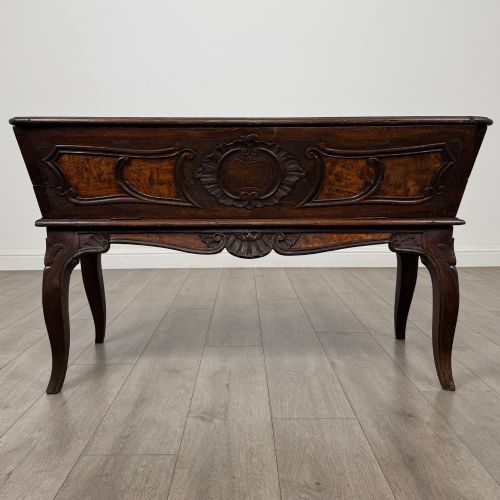
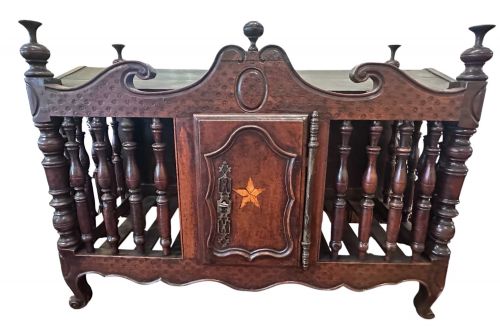
The antique bread box takes several traditional forms, primarily appearing as French panetières or heavy dough bins intended for storing daily provisions. A buyer exploring this search phrase encounters substantial pieces built to hold bread securely in domestic spaces.
The most common examples on this page are walnut panetières and dough bins originating from French provincial regions. These versions showcase regional cabinetry designed specifically for bread storage.
Beyond French country examples, the selection includes Swedish pine dough bins and elm pieces alongside occasional wall cupboards. Walnut dominates the structural forms, often shaped with serpentine fronts or fitted with turned finials.
Materials and construction
Construction relies on solid hardwoods and softwoods suited to domestic utility, predominantly walnut, fruitwood, elm, and pine. Cabinetmakers shaped these timbers using traditional joinery to withstand daily use in rural kitchens.
Surface detailing involves carved elements and turned finials, particularly on French panetières designed with ventilated sides or spindles. Iron hardware and occasionally metal elements secure the doors and lids of these storage pieces.
Antique Bread Box Retail Price Guide 2026
Typical asking prices for bread box among the pieces listed under this phrase on Sellingantiques today, from the lower quarter to the upper quarter. They describe what is for sale here now, not the wider market.
Bread storage occasionally shares space in the archive with a silver Aylesbury Bread Show medal from nineteen thirty-five.
Assessing quality and character
Quality rests upon the crispness of the timber carving and the integrity of the original construction. Pieces fashioned from figured walnut with well-turned finials represent the more accomplished end of provincial cabinetmaking.
The proportion of the form and the survival of an honest, untreated surface separate standard utility items from finer examples. Regional idiosyncrasies in the joinery add distinct character to each piece.
The Antique Bread Box Glossary
- Panetière
- A traditional French wall-mounted cabinet or cage designed specifically for storing and ventilating bread loaves. These pieces often feature turned spindles and carved wooden details.
- Dough bin
- A deep wooden box or trough used originally for mixing and rising bread dough, frequently fitted with a lid and standing on legs. They double as general storage furniture.
- Serpentine front
- A furniture front curving inward centrally and outward at the sides in a gentle 'S' shape. This profile requires skilled woodworking to achieve.
- Turned finial
- An ornamental crowning feature shaped on a lathe. They sit atop the corners of panetières to complete the decorative scheme.
Antique Bread Box: Frequently Asked Questions
What is a panetiere?
A panetière is a traditional French cabinet designed specifically to store bread safely away from pests while allowing air circulation. They often hang on the wall or sit on low stands.
These pieces feature distinctive spindled or caged sides constructed from timbers such as walnut or fruitwood. They served a central role in rural French kitchens.
How were dough bins used?
Dough bins served as the primary vessel for kneading and proving bread dough in domestic households before baking. The deep wooden trough kept the flour and dough contained.
Once the baking was finished, the lidded bins often doubled as general storage furniture for the kitchen. Their robust construction suited heavy daily labour.
What woods are used?
Makers utilised local timbers available in their specific regions, leading to a predominance of walnut, fruitwood, elm, and pine. Walnut appears frequently in French examples.
Swedish makers relied heavily on pine for their dough bins. The choice of wood reflects both regional availability and the intended utility of the piece.
How do I date a piece?
Dating relies on observing the construction methods, tool marks, and stylistic traits consistent with eighteenth and nineteenth-century cabinetmaking. Regional styles also offer clues to the period.
Elements such as hand-turned finials and traditional joinery without modern fasteners help place pieces within specific decades or centuries. Comparing the timber patination provides further context.