



French Bread Box
These French bread box examples are traditional wall-mounted cupboards and dough bins designed to store loaves away from household pests, offering practical rustic charm for modern kitchens.
French Bread Box
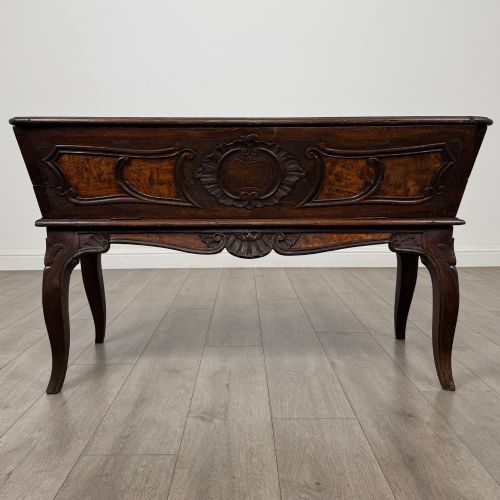
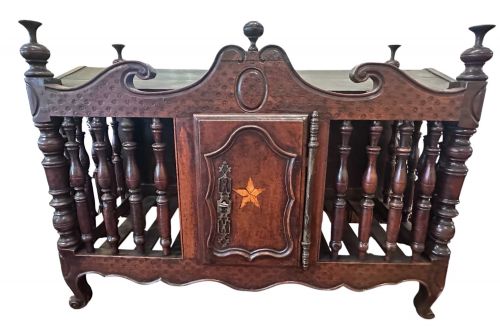
A French bread box typically takes the form of a panetiere or a dough bin, serving as traditional storage for daily loaves in provincial homes. These pieces range from wall-mounted cupboards to sturdy floor-standing coffers, reflecting the domestic routines of earlier centuries.
The versions most frequently met on this page date from the eighteenth and nineteenth centuries, constructed predominantly in walnut, fruitwood, and elm. They carry regional styles such as French provincial, rustic farmhouse, and French country, showing the utilitarian roots of rural woodworking.
Buyers seeking a French bread box find variations in form between enclosed wall cabinets and open spindle-sided bread cages, known locally as panetieres. These objects bring historical texture and functional storage into contemporary spaces.
How They Were Made
Cabinet makers utilised dense domestic timbers like walnut, fruitwood, and elm, selecting woods that resisted heavy daily use in busy farmhouses. Construction relied on traditional joinery methods suited to solid timber boards and structural panels.
Detailing on these pieces includes carved wooden surfaces, serpentine fronts, and turned finials, particularly on eighteenth-century panetieres. Iron hardware and fabric additions appear alongside timber elements to secure doors and ventilation.
French Bread Box Retail Price Guide 2026
Typical asking prices for french bread box among the pieces listed under this phrase on Sellingantiques today, from the lower quarter to the upper quarter. They describe what is for sale here now, not the wider market.
Listings span the eighteenth and nineteenth centuries, featuring regional styles like French provincial, rustic farmhouse, and French country.
What Varies in Quality
The standard of a piece rests on the refinement of its carving and the choice of timber, with finely grained walnut and rich fruitwood sitting at the upper end. Elaborate serpentine fronts and well-executed turned finials indicate a higher level of workshop skill.
Proportion and structural integrity define the distinction between standard provincial items and more ambitious regional commissions. Pieces that retain their original timber surfaces without excessive later alteration command greater interest from collectors.
The French Bread Box Glossary
- Panetiere
- A traditional French bread cage or cabinet featuring spindle-turned sides to allow air circulation around the loaves. These wall-mounted pieces often display decorative finials and carved crests.
- Dough Bin
- A deep wooden storage chest or cupboard used originally for kneading and resting bread dough before baking. They sit directly on the floor and often double as enclosed storage cabinets.
- Serpentine Front
- A curved furniture front characterised by a convex centre flanked by concave curves. This contour appears on the body or doors of finer eighteenth-century cabinets.
- Turned Finials
- Ornamental upright ornaments shaped on a lathe, projecting from the corners or top of a cabinet. They add vertical emphasis to traditional provincial storage pieces.
French Bread Box: Frequently Asked Questions
What is a panetiere?
A panetiere is a traditional French wall cupboard specifically designed to store and air bread loaves away from mice and insects. These structures often feature slatted or spindle-turned sides.
Originating in provincial kitchens, they served as both functional furniture and a display of household prosperity through their carved walnut or fruitwood construction.
How were dough bins used?
Dough bins served as the primary work surface for preparing bread in rural homes, with a deep lower compartment to let yeast dough rise. Bakers placed flour and ingredients on top before moving the mixture inside.
Over time, these versatile pieces evolved into general storage cabinets for the farmhouse kitchen, keeping dry goods secure.
Where should I place one?
These storage pieces suit modern kitchens, dining areas, or hallways where wall cabinets or low cupboards add rustic character. Wall-mounted panetieres require secure fixings due to the weight of solid walnut and fruitwood.
Floor-standing dough bins function well as side tables or console surfaces while providing hidden interior storage.
How do I date an antique bread box?
Dating relies on observing timber selection, construction methods, and regional style indicators such as carved panels or turned finials. Eighteenth-century examples often display hand-carved details and fruitwood or walnut construction.
Nineteenth-century pieces tend to show slightly more standardised joinery while maintaining traditional provincial forms like the enclosed dough bin.