








Antique French Wall Cupboard
These antique french wall cupboard pieces bring rustic provincial utility and period character to interior walls.
Antique French Wall Cupboard
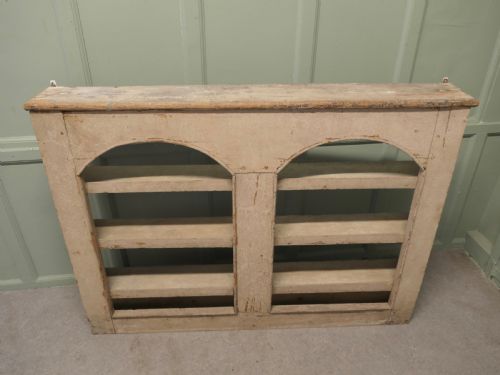
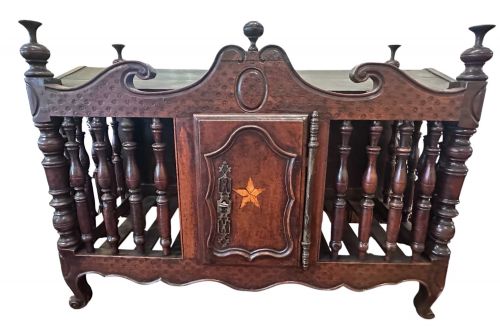
An antique french wall cupboard encompasses wall-mounted storage forms ranging from provincial bread cages and walnut panetiere cabinets to pine alcove cupboards and oak corner cupboards. These timber pieces originate predominantly from 17th, 18th and 19th century periods, reflecting domestic rural and chateau interiors across France.
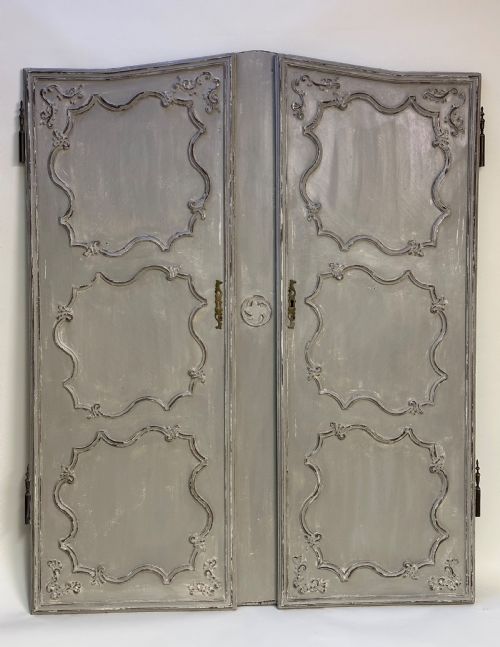
The version most commonly met on this page is the traditional 18th century fruitwood, oak or walnut panetiere, often featuring turned finials, carved spindle galleries or serpentine fronts designed to store bread safely away from household pests. Alongside these, buyers regularly encounter provincial oak and pine wall cabinets, architectural hand-carved doors, and corner cupboards built to utilise compact spaces.
Materials and construction
Makers constructed these wall-mounted pieces using solid regional timbers such as oak, walnut, chestnut, fruitwood and pine, occasionally applying painted finishes or retaining bleached surfaces. Joinery relies on traditional pegged mortise and tenon construction, hand-carved panels, and shaped shelving suited to domestic utility.
Iron and brass hardware, including hinges, latches, and occasional ormolu mounts, secure the doors and structural elements. Some specific forms, such as lavabo cabinets, incorporate original pewter cisterns and basins alongside timber housings.
Antique French Wall Cupboard Retail Price Guide 2026
Typical asking prices for french wall cupboard among the pieces listed under this phrase on Sellingantiques today, from the lower quarter to the upper quarter. They describe what is for sale here now, not the wider market.
Bread cages once doubled as status symbols where rural French families displayed their finest loaves to visiting neighbours.
Quality variations in wall cupboards
The standard of carving and timber selection dictates the distinction between standard provincial utility pieces and finer examples. Walnut and fruitwood variants with detailed hand-carved spindle galleries, serpentine fronts, and original turned finials represent higher tiers of craftsmanship.
The integrity of the original wood surface, whether bleached oak, polished chestnut, or authentic painted finish, influences the piece. Elements such as intact original doors, period ironwork, and well-preserved structural joinery separate well-maintained examples from heavily altered items.
Town and Emanuel
The Antique French Wall Cupboard Glossary
- Panetiere
- A traditional French wall-mounted bread cabinet featuring spindle-turned sides and front panels designed to keep loaves ventilated and protected. These items originated in regional kitchens during the 18th century.
- Lavabo cabinet
- A wall-mounted furnishing designed to hold a water cistern and basin for washing. They typically combine timber housing with pewter or ceramic water vessels.
- Alcove cupboard
- A fitted or wall-hanging storage unit created to fit into a structural wall recess. They utilise available space while keeping floor areas clear.
- Barley twist
- A spiral turning technique applied to wooden columns, uprights or supports. This decorative woodworking style appears on various 19th century furniture forms.
- Ormolu
- Gilded bronze ornamentation applied to furniture mounts and decorative details. It adds metallic contrast to timber surfaces on specific revival-period pieces.
Antique French Wall Cupboard: Frequently Asked Questions
What is a panetiere used for?
A panetiere served as a specialised kitchen wall cupboard for storing and protecting bread from pests in traditional French households. The ventilated spindle sides allowed air circulation around loaves.
Today, these cabinets function as decorative wall-hanging display pieces in kitchens, dining rooms, or living spaces.
How do I hang a heavy antique wall cupboard?
Antique wall cupboards require secure fixing to solid wall studs or masonry using appropriate weight-bearing brackets or integrated hanging battens. Given the solid oak, walnut, or chestnut construction, professional installation ensures structural safety.
Distributing weight properly protects the antique timber joints and historical fixings from undue strain.
Are these cupboards made of solid wood?
Provincial French wall cupboards and cabinets are constructed from solid regional timbers including oak, walnut, fruitwood, pine, and chestnut. Master cabinetmakers utilised solid planks for doors, panels, and shelves.
This solid wood construction accounts for the substantial weight of older pieces and allows for historical surface patination.
How do I tell an 18th century cupboard from a 19th century one?
Eighteenth-century pieces typically display hand-carved detailing, pegged mortise and tenon joinery, and regional timber selections like fruitwood and chestnut with deep patination. Nineteenth-century examples often introduce machine-assisted elements, pine carcases, or revival styles such as Gothic Revival and Rococo Revival.
Examining the tool marks, timber ageing, and hardware construction helps determine the approximate period of manufacture.