




Antique Provincial Wall Cabinet
An antique provincial wall cabinet brings country timber and local craftsmanship straight into modern interiors.
Antique Provincial Wall Cabinet
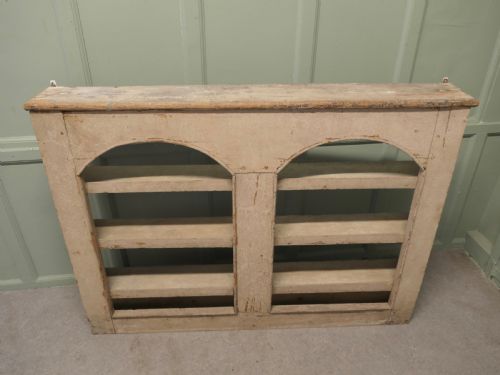
An antique provincial wall cabinet is a compact storage piece built away from metropolitan centres, often serving rural homes as a food cupboard, bread cage, or corner unit. You encounter pieces spanning the seventeenth century through the early twentieth century, with eighteenth-century examples appearing frequently.
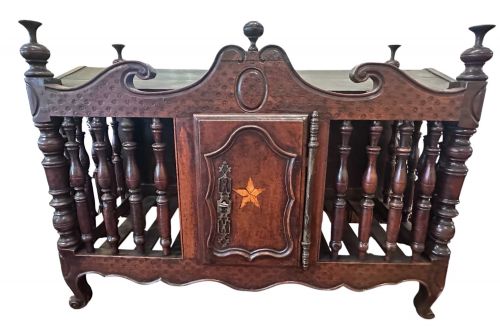
The regional forms encompass French provincial pieces such as the carved walnut panetiere alongside Italian provincial cabinets and rustic English Georgian designs. Most items mount directly to walls or sit in alcoves, utilising local timbers like oak, walnut, chestnut, and fruitwood rather than exotic imported veneers.
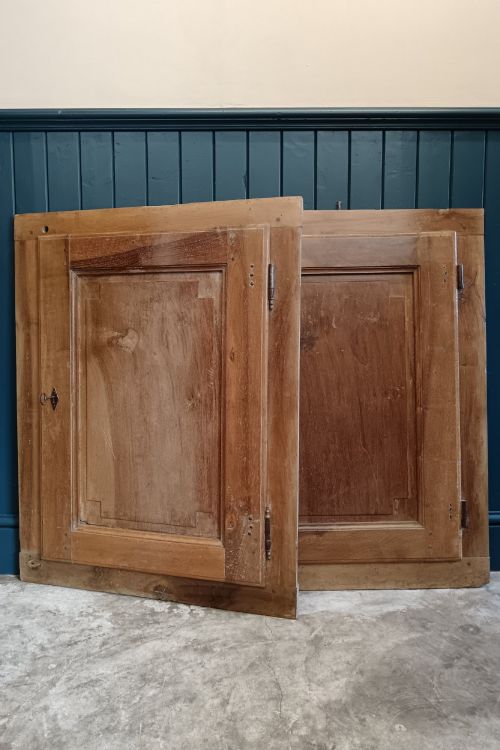
Makers in provincial workshops constructed these cabinets to withstand daily rural life, resulting in sturdy doors, iron hinges, and occasionally distemper paint or original pewter cisterns. The selection ranges from carved hanging food cupboards to corner cabinets with shaped shelves and architectural cupboard doors.
How they were made
Provincial joiners relied on solid regional timbers, principally oak, walnut, chestnut, pine, and fruitwood, selecting native woods available near the workshop. Boards were hand-sawn and joined with pegged mortise and tenon construction to handle humidity changes in rural homes.
Iron hinges, brass fittings, and turned wooden finials provide both structural support and decorative detail. Surfaces often display the natural grain of bleached or polished oak, while other examples retain traces of distemper paint from their original provincial settings.
Bread cages often feature tiny turned spindles spaced just tightly enough to outsmart the local farmhouse cat.
What varies in quality
Quality rests upon the crispness of the hand-carved details, particularly on panetieres and cupboards featuring shaped panels or turned finials. Pieces with balanced proportions and untouched timber surfaces stand apart from heavily altered or mismatched assemblies.
The integrity of the original construction, including period ironwork, peg joinery, and undisturbed backboards, determines the standing of an individual cabinet within the broader provincial tradition.
The Antique Provincial Wall Cabinet Glossary
- Panetiere
- A traditional French bread cage or wall-mounted food cupboard featuring turned spindles designed to keep loaves ventilated and away from household pests. These walnut and fruitwood cabinets often display elaborate carving.
- Distemper paint
- A water-based paint medium utilising animal glue or egg as a binder, commonly found on older provincial furniture. It yields a matte finish that wears down softly over centuries.
- Mortise and tenon
- A traditional woodworking joint where a protruding tongue fits tightly into a corresponding cavity, secured with wooden pegs. This method holds provincial casework together without modern adhesives.
- Corner cupboard
- A specialised cabinet built with an angled footprint to fit snugly into room corners, maximising storage in smaller rural interiors. Examples range from Georgian oak to French provincial formats.
- Finial
- A decorative turned wooden ornament projecting upwards from the corners or top of a cabinet. Provincial makers carved these elements by hand on lathe-turned spindles.
Antique Provincial Wall Cabinet: Frequently Asked Questions
What is a panetiere used for?
A panetiere served as a specialised wall-mounted bread store in French rural households, keeping loaves safe and ventilated.
The turned spindles allowed air to circulate around the bread while preventing household animals from reaching the food.
How do I hang a heavy wall cabinet?
These cabinets were built from solid timbers like oak and walnut, meaning they require secure anchoring into structural wall studs or masonry.
Professional installation is recommended to support the weight of the timber frame and its contents safely.
How do I clean old wood surfaces?
Maintain the dry timber and aged patina using soft cloths and mild wax formulated for antique furniture.
Avoid modern liquid polishes or soaking the wood, as older finishes and distemper paint layers require gentle care.