
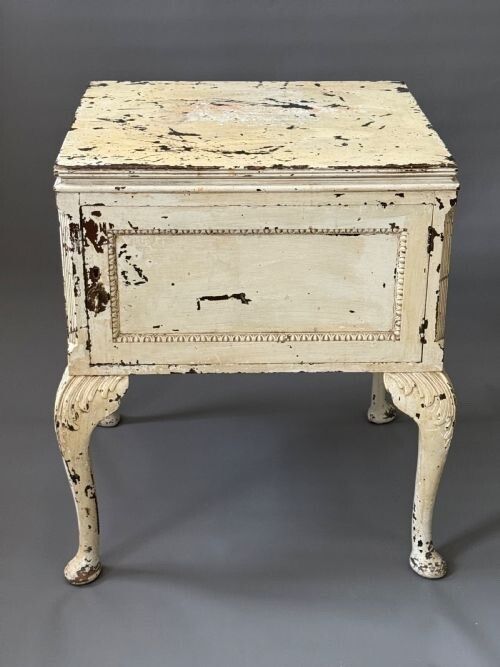
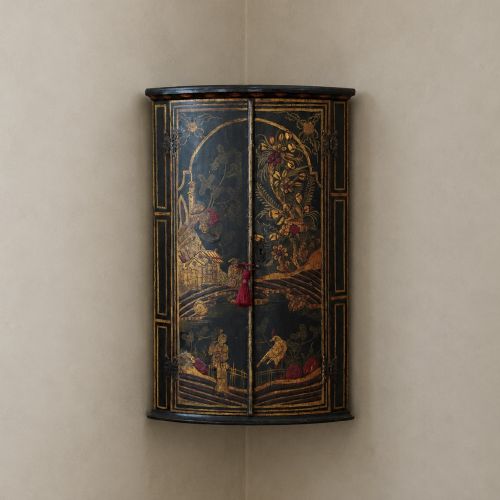
19th Century Painted Cabinet
These pieces combine everyday utility with decorative painted surfaces, offering a practical storage solution that brings colour and historical character into a room.
19th Century Painted Cabinet
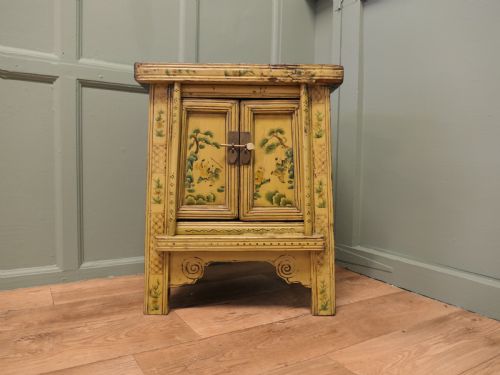
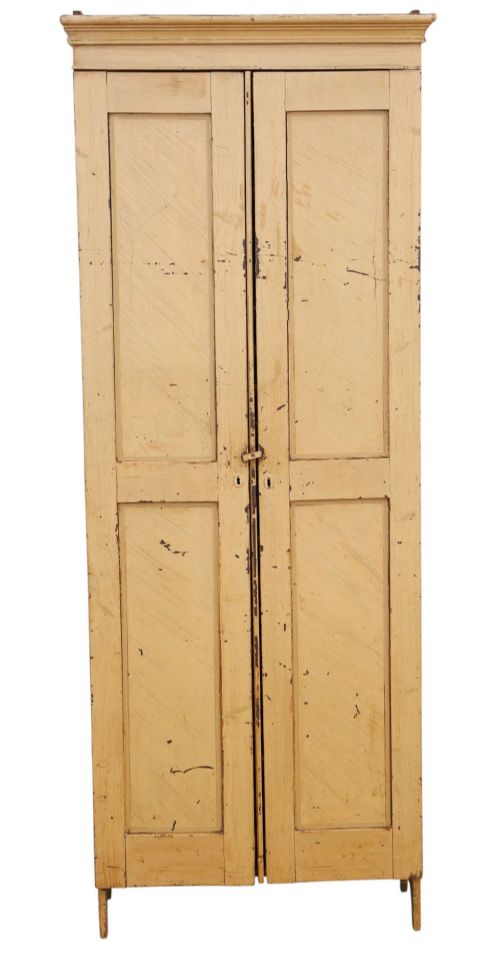
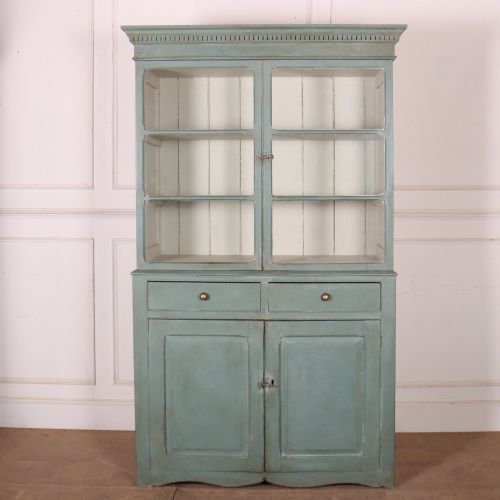
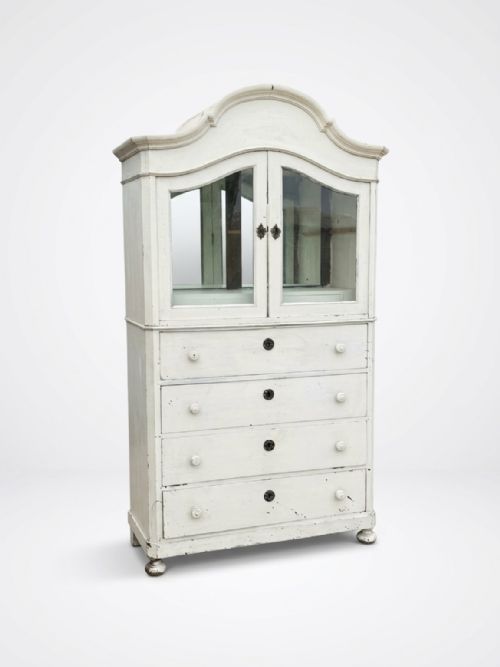
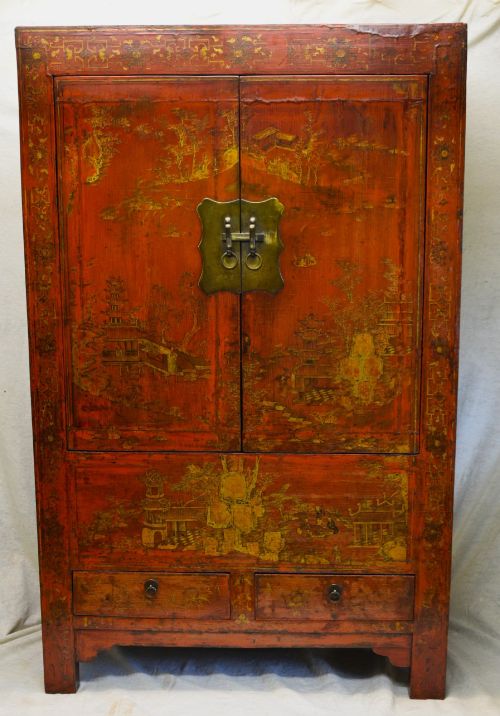
When you search for a 19th century painted cabinet, you encounter a varied group of storage furniture ranging from tall housekeeper's cupboards and glazed display vitrines to smaller bedside cupboards and corner units.
The selections span distinct regional traditions, encompassing French serpentine vitrines, English pine kitchen pieces, Swedish bonnet top designs, and ornate Chinoiserie or Vernis Martin decorated items.
These items served domestic roles in kitchens, bedrooms, and reception rooms, and they continue to function as focal storage points in modern interiors.
How They Were Made
Makers utilised solid timbers such as pine, walnut, and satinwood as the structural foundation for these pieces, often applying layers of paint, enamel, or lacquer over the wood.
Surface decoration frequently involved hand-painted motifs, parcel-gilt detailing, and specialised techniques like Vernis Martin to achieve glossy, ornamental panel finishes.
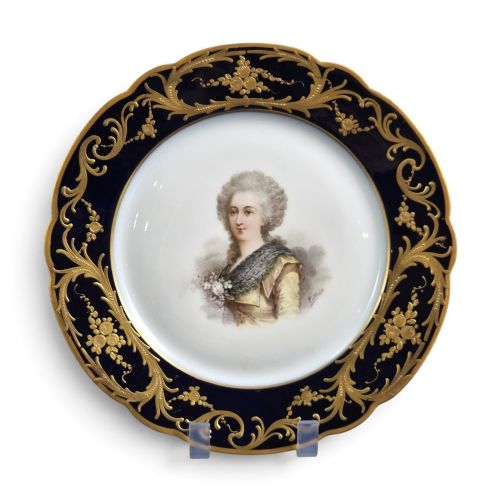
Hardware components relied on brass fixtures, glass panes for glazed doors, and occasionally porcelain plaques inset into the timber framework.
The furniture styles span from regional Victorian Country and French Provincial to formal Regency and Neoclassical designs.
What Varies in Quality
The distinction between standard domestic utility furniture and finer pieces lies in the execution of the painted surface and the sophistication of the decorative style applied.
Pieces featuring intricate hand-painted Chinoiserie, neoclassical details, or signed Vernis Martin panels represent a higher tier of craftsmanship than simple painted pine storage.
The integrity of the original paint layer and the retention of authentic surface patination dictate the desirability of an item among collectors.
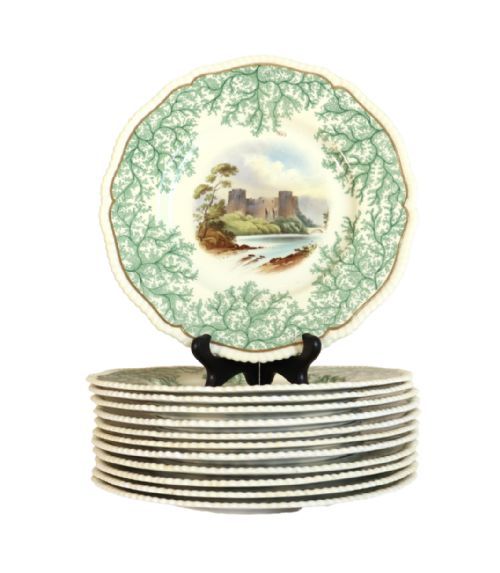
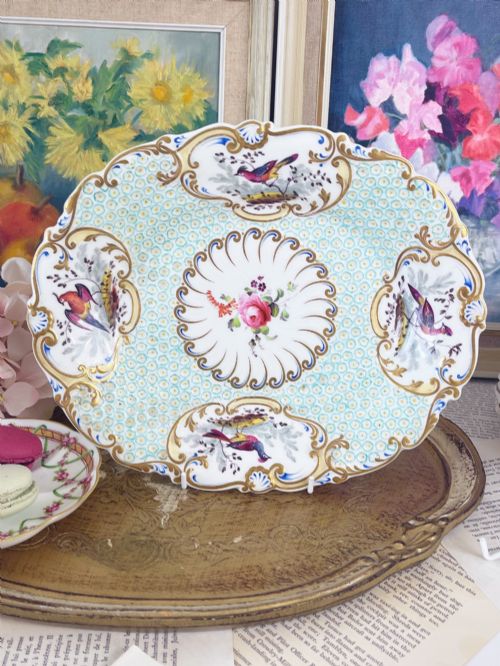
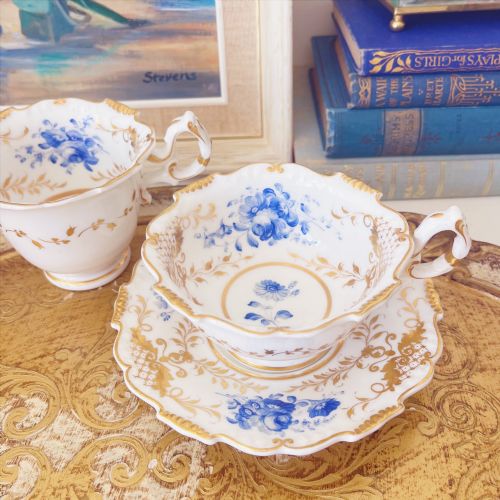
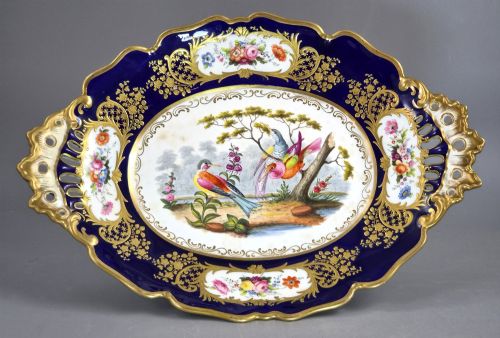
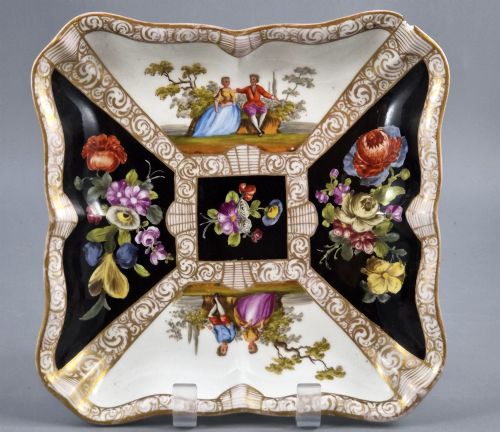
Spode·H and R Daniel·Coalport·Meissen·KPM Berlin·Derby
The 19th Century Painted Cabinet Glossary
- Chinoiserie
- European decorative style inspired by Chinese artistic traditions, typically featuring painted motifs of figures, landscapes, and pagodas. This style appears frequently on 19th century cabinets and lacquerware.
- Vernis Martin
- Simulated Japanese lacquer technique developed by the Martin brothers in 18th-century France and revived during the 19th century. It involved multiple layers of varnish to create translucent, highly polished painted panels.
- Vitrine
- Glass-fronted display cabinet designed for exhibiting porcelain, curiosities, or books. These pieces often incorporate painted or gilded wooden frames.
- Housekeeper's Cupboard
- Large utilitarian storage piece used in domestic service for linens, provisions, or china. Many surviving examples retain their original painted finishes.
- Japanned
- European technique mimicking East Asian lacquerwork using dark grounds and raised metallic decoration. It is commonly found on 19th century decorative cupboards.
19th Century Painted Cabinet: Frequently Asked Questions
Where were painted cabinets used in the home?
These pieces served practical storage functions across various domestic spaces, from kitchens and pantries to bedrooms and formal reception rooms.
Larger cupboards held household provisions or linens, while smaller bedside cabinets and vitrines displayed personal items or porcelain collections.
How do I identify original paint on a 19th-century cabinet?
Original painted surfaces show natural wear patterns, craquelure, and micro-abraded areas consistent with age and domestic use.
Examination under natural light reveals how the paint layers have settled into the timber grain over decades.
How should I care for a painted antique cabinet?
Maintenance requires keeping the piece away from direct sunlight and fluctuating heat sources to protect the wood and fragile paint layers.
Dusting with a dry, soft cloth is sufficient, avoiding harsh modern chemical cleaners that damage historical finishes.