
Victorian Double Door Cupboard
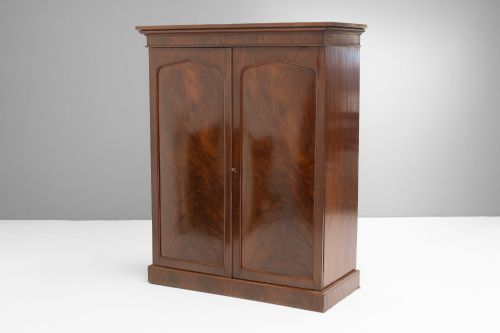
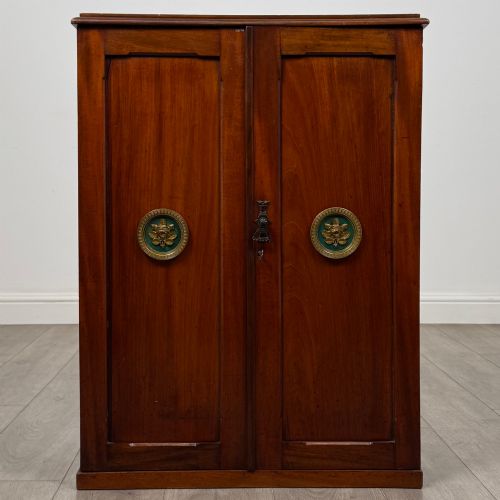
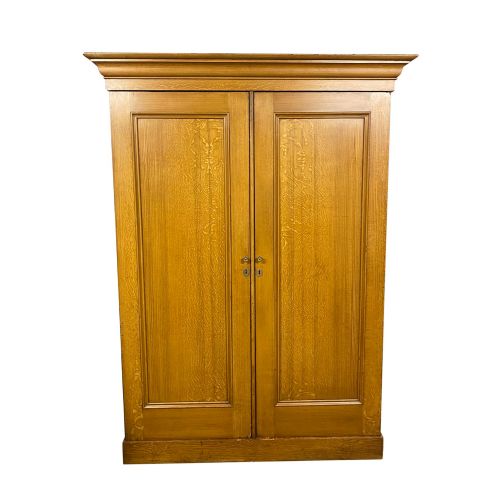
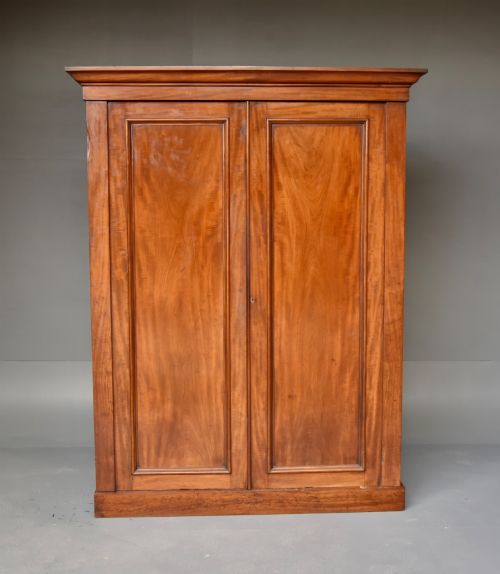
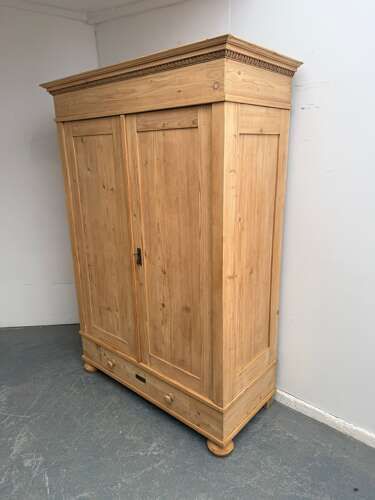
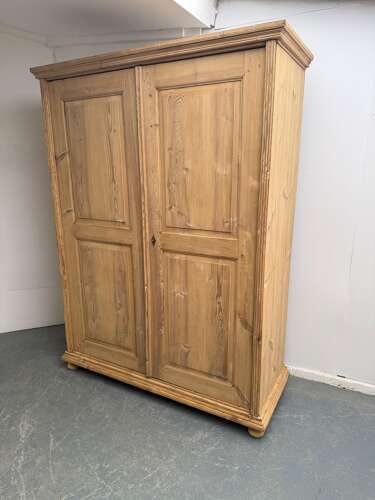
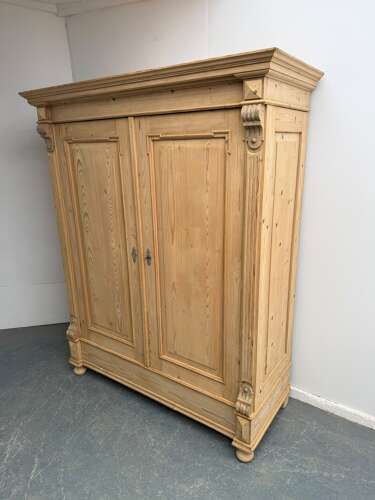
A victorian double door cupboard offers robust storage in dense mahogany, walnut, or pine, bringing dependable nineteenth-century utility and character to a modern room.
Victorian Double Door Cupboard
A victorian double door cupboard encompasses sturdy wardrobes, compact bedside pieces, and large linen presses spanning the nineteenth century. These forms originate from domestic and institutional settings, built to hold garments, books, or household linens behind paired doors.
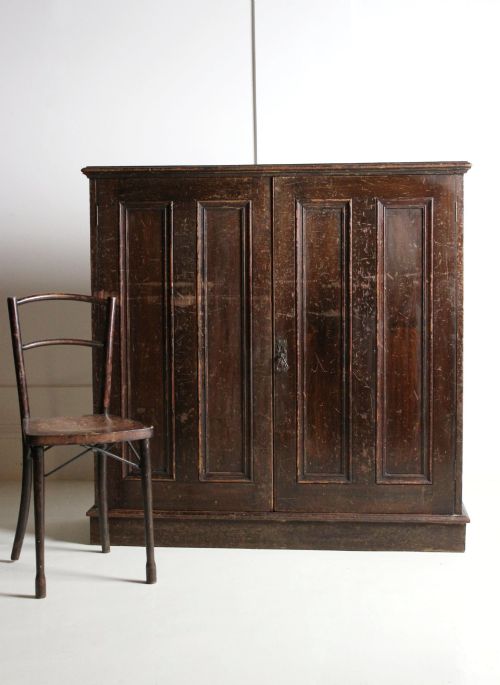
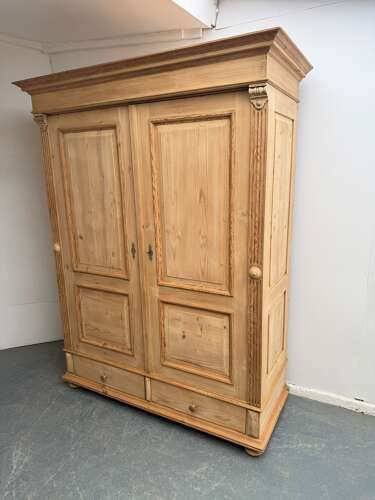
The version most commonly met on this page is the pine knockdown wardrobe or storage cupboard, often finished with wax or original paintwork. Alongside these, mahogany and walnut double-door formats appear frequently, representing the more formal vernacular of the period.
Materials and Construction
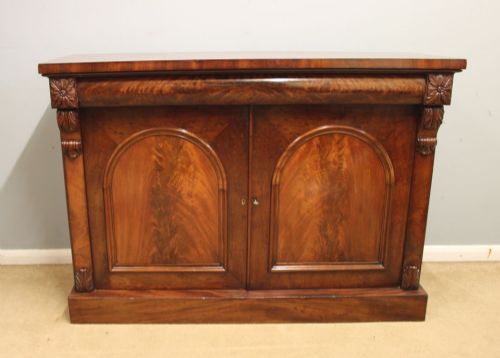
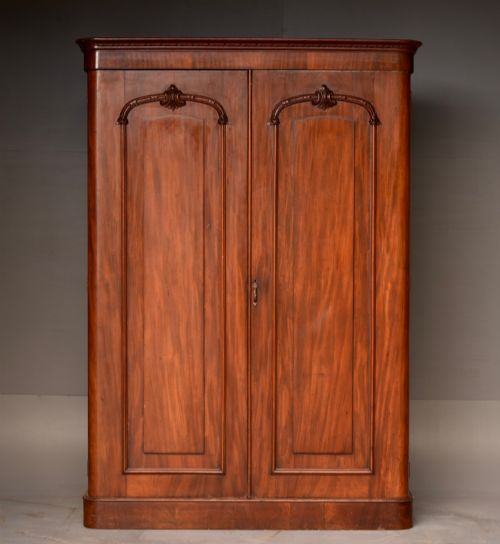
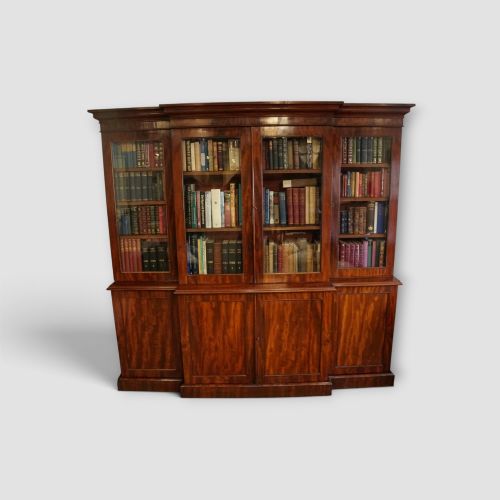
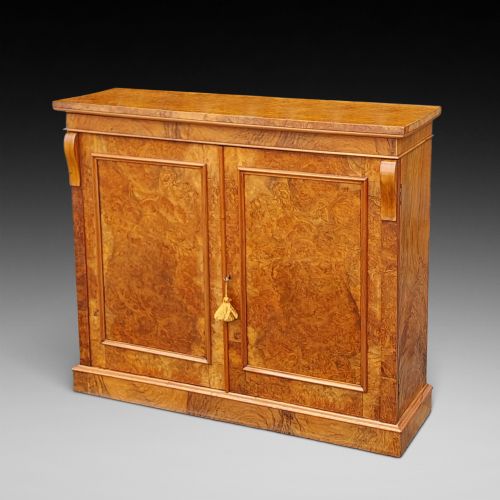
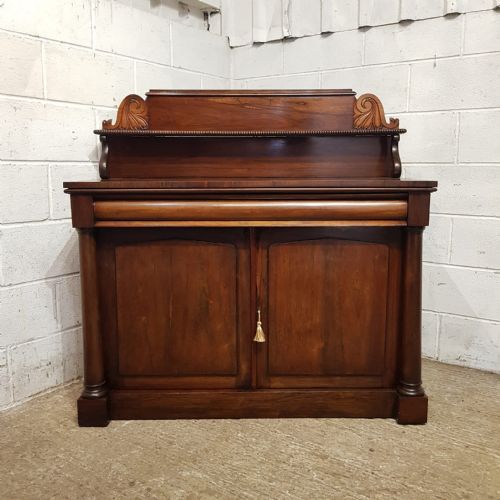
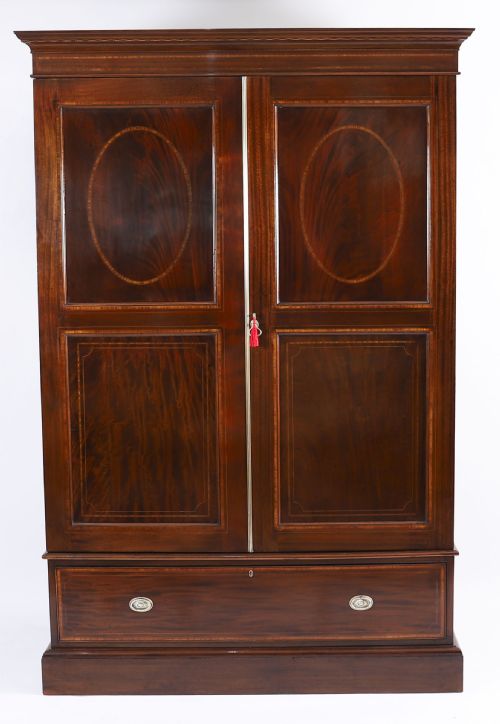
Makers constructed these pieces primarily using solid pine, mahogany, and walnut, frequently applying flame mahogany or burr walnut veneers to display rich grain patterns. Iron and brass hardware, including hinges and locking mechanisms, provide structural reinforcement and functional detail.
Joinery relied on traditional methods suited to large case furniture, allowing knockdown wardrobes to be dismantled for transport. Secondary surfaces often received scumble paintwork or plain wax finishes, protecting the timber while adapting to domestic tastes.
The furniture spans various nineteenth-century styles, including Arts and Crafts, French Provincial, and Chippendale Revival.
Distinctions in Standard
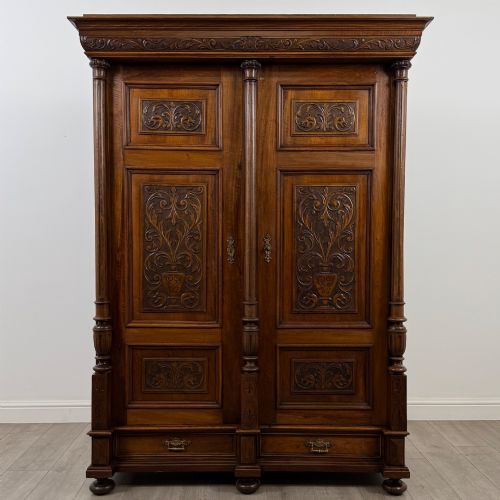
The standard of a piece depends heavily on the selection of timber, such as figured walnut or dense mahogany, compared to standard utility pine. Superior execution shows in the precision of the door fit, the depth of carved or inlaid decoration, and the integrity of the original hardware.
Proportion and surface preservation also separate everyday utility items from finer parlour or salon cabinets. Pieces retaining untouched original paintwork or high-grade polished veneers demonstrate greater craftsmanship and material selection.
Maple and Co
The Victorian Double Door Cupboard Glossary
- Knockdown wardrobe
- A large piece designed to be taken apart into sections for easier transport and assembly in domestic chambers.
- Linen press
- A tall storage form featuring upper sliding trays or shelves enclosed by double doors, traditionally used for textiles.
- Scumble
- A decorative paint technique applied to imitate the grain of more expensive hardwoods like oak or walnut on simpler timbers.
- Compactum
- A fitted wardrobe combining hanging space, drawers, and shelving within a single multi-door cabinet.
- Pier cabinet
- A low display case designed to fit into the wall space between windows, often featuring glass doors and walnut veneers.
Victorian Double Door Cupboard: Frequently Asked Questions
What is a compactum wardrobe?
A compactum is a specialised nineteenth-century wardrobe designed to maximise internal storage by combining hanging rails, drawers, and shelving into one unit.
These pieces offer a complete modular internal layout behind double doors, distinguishing them from standard single-purpose hanging wardrobes.
How do I care for a waxed pine cupboard?
Waxed pine surfaces benefit from regular dusting with a soft cloth and occasional application of traditional beeswax to maintain the finish. Avoiding direct sunlight and sustained moisture prevents the timber from drying out or warping over time.
Applying wax sparingly helps nourish the grain and preserves the patina built up across the nineteenth century.
Can knockdown wardrobes be easily assembled?
Knockdown wardrobes were originally engineered to be dismantled and reassembled using simple internal bolts or peg systems. This design allowed large furniture to be moved between rooms or floors without difficulty.
Careful alignment of the panels during reassembly ensures the double doors hang true and close evenly.
What is scumble paintwork?
Scumble paintwork is a decorative finish where a translucent top layer of pigment is manipulated with combs or brushes over a lighter base. Nineteenth-century decorators used this technique to give ordinary pine the appearance of figured oak or other prized woods.
Surviving examples retain this historic surface treatment as a record of period interior decoration.