
Victorian Low Sideboard
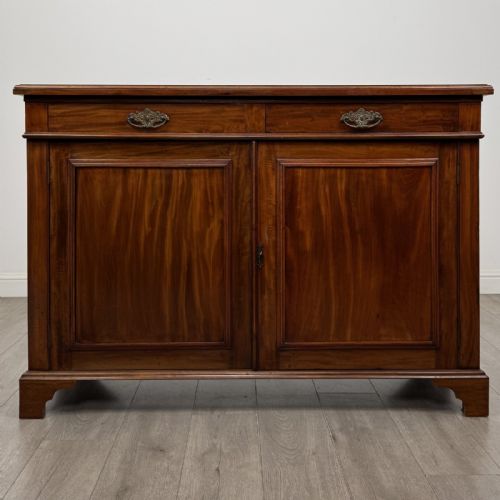
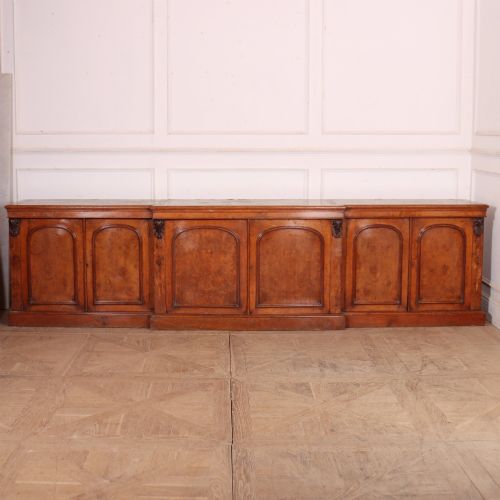
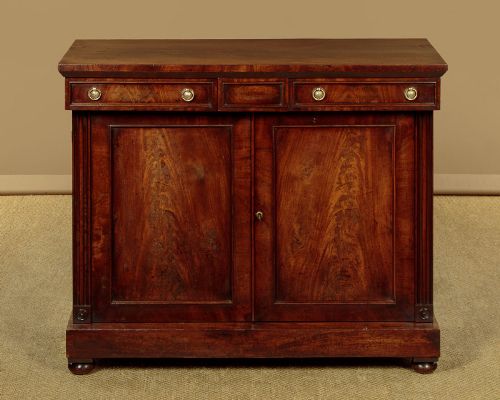
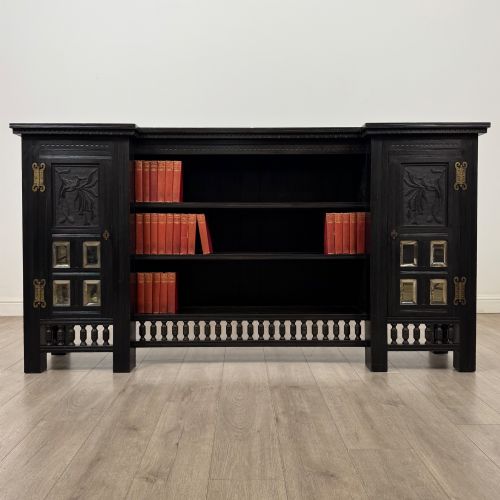
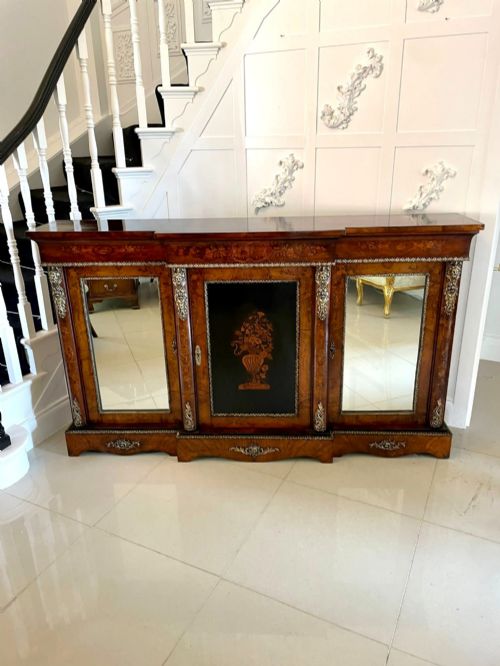
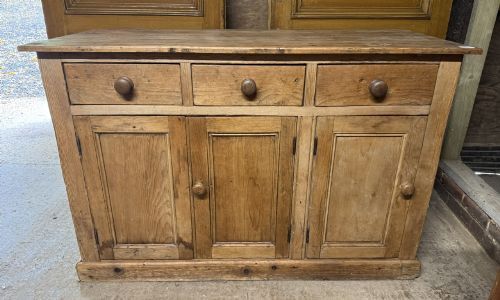
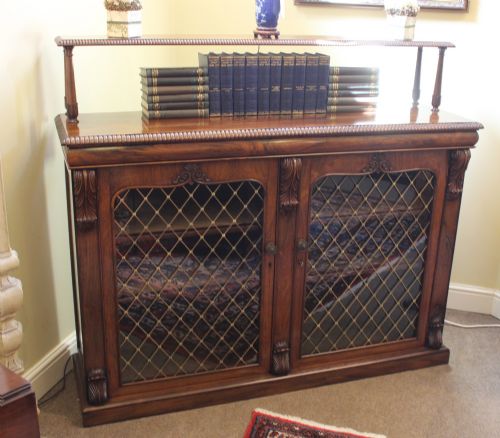
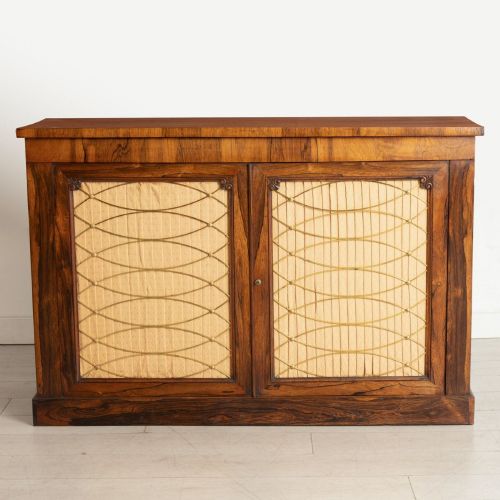
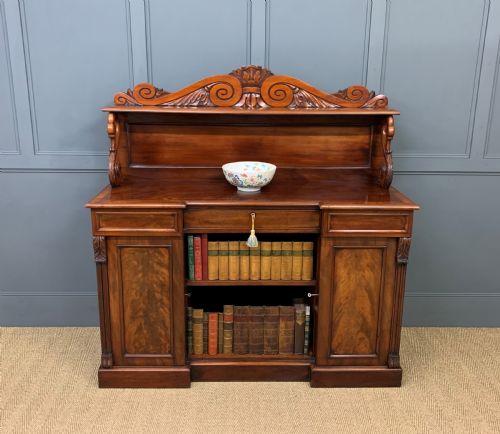
A victorian low sideboard is a low-slung timber storage piece built to anchor a dining room or parlour.
Victorian Low Sideboard
A victorian low sideboard brings low-level storage and display surface into the nineteenth-century room, standing considerably lower than traditional towering cupboards and dressers. These low pieces function as serving surfaces, display ledges for china or books, and enclosed storage for household linen and china.
The pieces appearing under this heading encompass a broad family of low case furniture from the nineteenth century. While strict low sideboards share space with related forms such as credenzas, chiffoniers, pier cabinets, and dresser bases, they all share a modest height designed to keep walls open and rooms feeling spacious.
Construction and materials
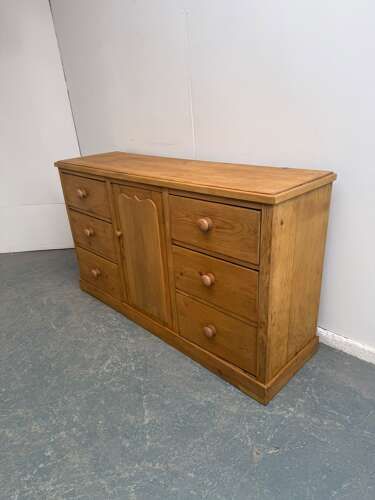
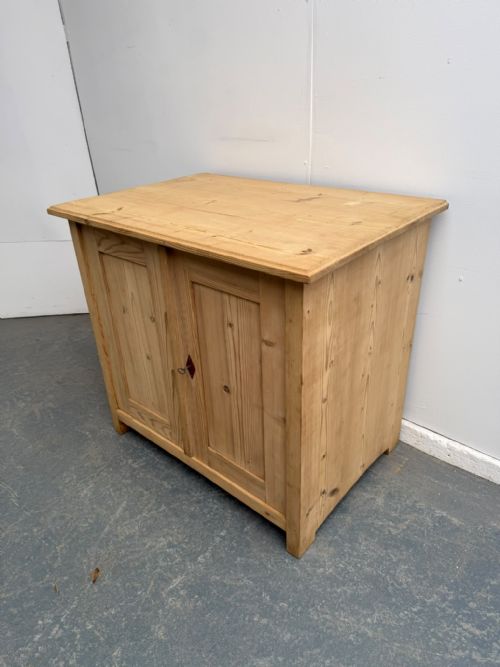
Cabinet makers built these low forms using dense hardwoods like mahogany, walnut, burr walnut, and rosewood, often applying rich veneers to flat panels while utilising solid timber for structural frames. Secondary woods such as pine appear in carcases and drawer linings, particularly in country and utility pieces.
Decorative work relied on brass mounts, glass doors, marble tops, and intricate marquetry or inlay. Surface finishes range from high-gloss French polish on formal parlour pieces to waxed or painted finishes on utility and kitchen examples.
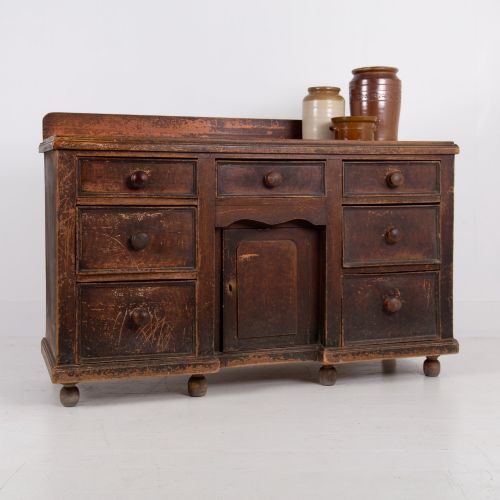
Scottish dairy dressers stand ready for cream jugs and butter pats, bringing the damp chill of a nineteenth-century milking parlour straight to the dining room.
Judging quality in low sideboards
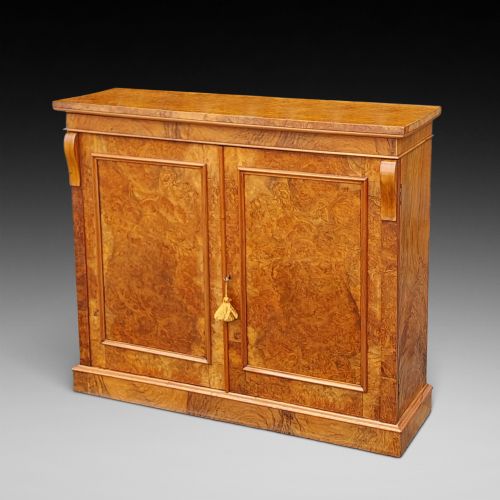
Quality rests in the selection of timber figures, such as flame mahogany or burr walnut, and the precision with which veneers are matched across wide doors and panels. Superior examples display seamless marquetry, tight joinery, and original brass hardware rather than later replacements.
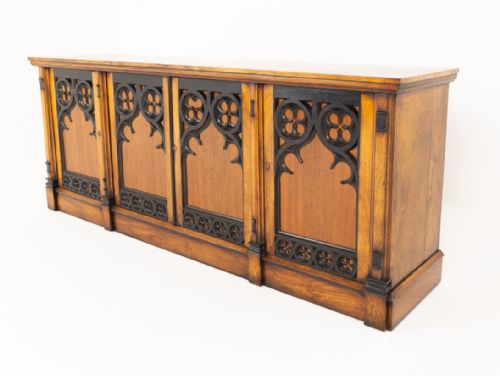
The refinement of carved details, such as Gothic elements or turned columns, distinguishes ambitious cabinet work from plain utility pieces. Interior fittings, including dovetailed drawers and original adjustable shelving, indicate a higher grade of manufacture.
Gillows of Lancaster
The Victorian Low Sideboard Glossary
- Chiffonier
- A low cabinet featuring a shelved superstructure or mirror back above enclosed cupboard doors. These pieces gained popularity in nineteenth-century parlours for serving and display.
- Credenza
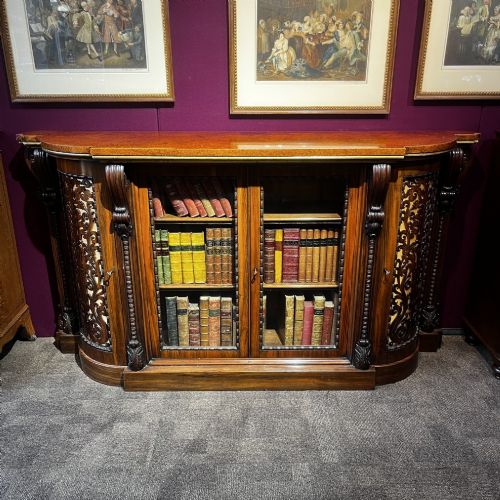
- A low, often serpentine or breakfront cabinet used for display and storage, frequently fitted with glass doors and marble tops. This form emerged strongly during the Victorian era for formal reception rooms.
- Breakfront
- A cabinet front where the central section projects forward from the flanking outer sections. This architectural arrangement creates depth and shadow across large timber surfaces.
- Marquetry
- Decorative patterns formed by fitting together thin veneers of contrasting wood, ivory, or metal onto a structural ground. It transforms plain cupboard doors into elaborate visual panels.
- Dresser base
- A low, long table form fitted with drawers above open pot boards or enclosed cupboards. These pieces originated in kitchens and dairies before moving into broader domestic use.
Victorian Low Sideboard: Frequently Asked Questions
Where did these low sideboards go in the house?
These low timber pieces stood primarily in dining rooms and parlours where they served food, held glassware, and displayed decorative items on their upper surfaces.
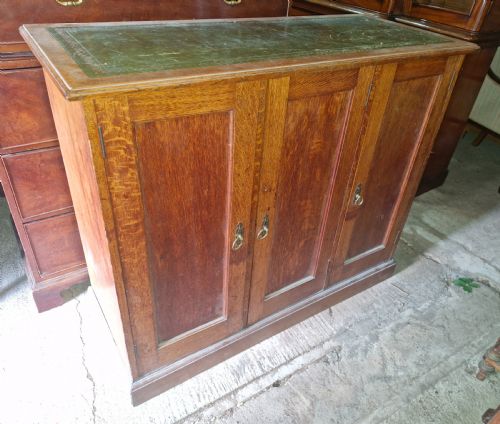
In less formal spaces, sturdier pine and oak variants served in kitchens, pantries, and dairies as heavy work surfaces and everyday storage.
How do I tell a chiffonier from a credenza?
A chiffonier typically includes a low tiered shelf or mirror superstructure rising above the main cabinet body.
A credenza sits lower without a towering back, often featuring three glass-fronted doors and a marble top designed for formal display.
Can I use a low sideboard as a media console?
The low profile and substantial internal storage of these nineteenth-century pieces make them practical for housing modern media equipment.
Buyers should measure internal cabinet depths carefully to ensure modern electronic components fit comfortably behind closed doors.
How should I care for nineteenth-century polished wood?
Protect antique timber surfaces by keeping them away from direct heat sources and strong sunlight that can dry out polish and veneers.
Apply traditional beeswax occasionally and buff gently with a soft cloth to maintain the natural lustre of walnut and mahogany.