
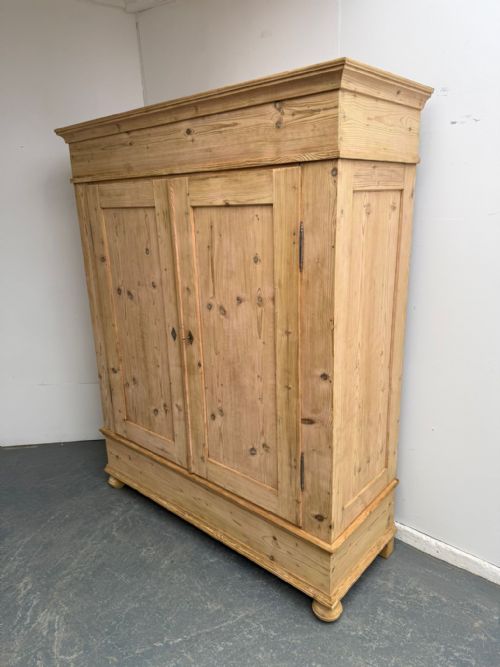

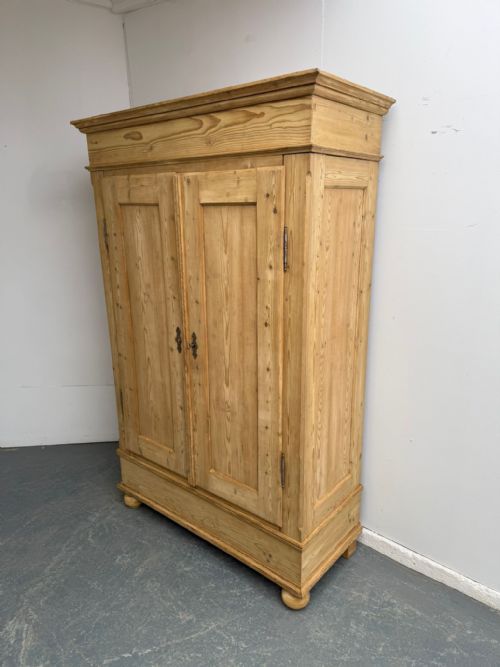


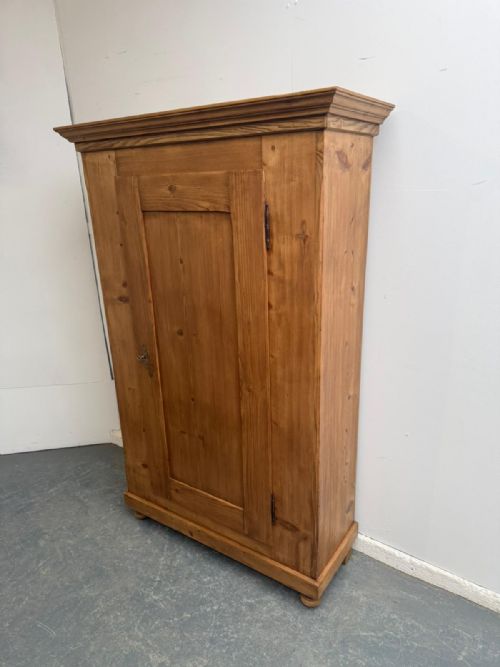
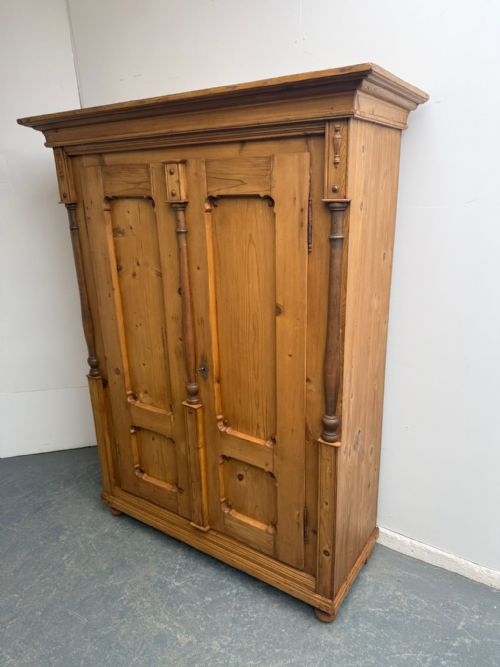


Georgian Pine Linen Cupboard
A georgian pine linen cupboard offers substantial country storage, combining utilitarian proportions with the charm of aged softwood.
Georgian Pine Linen Cupboard
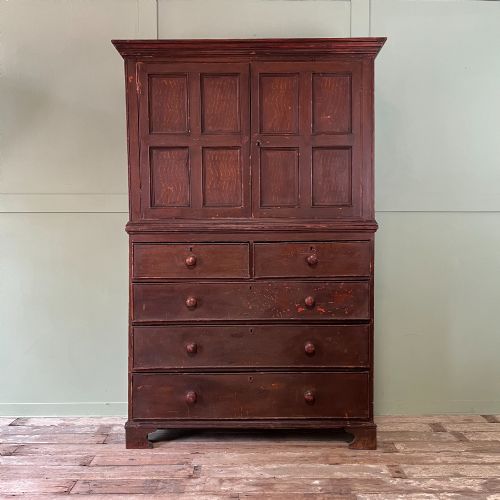
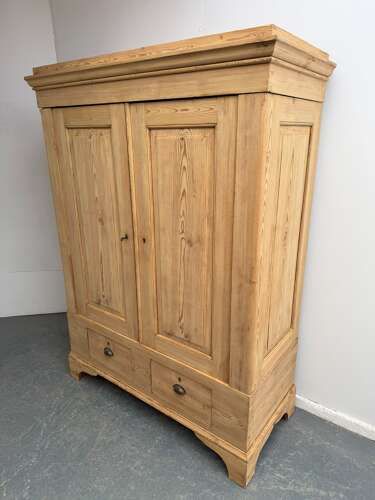
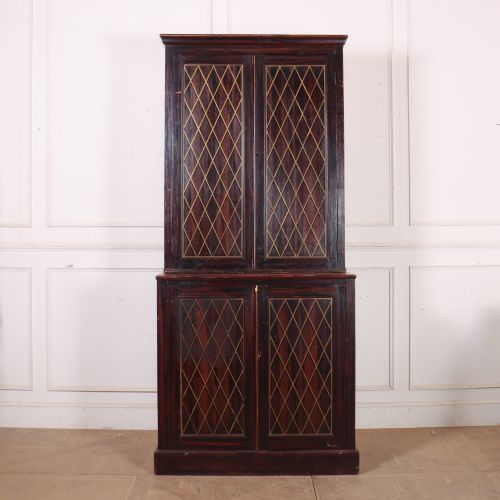
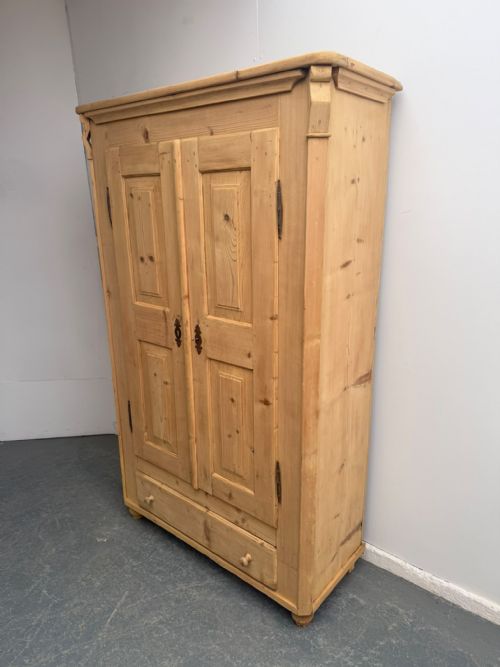
When you search for a georgian pine linen cupboard, you encounter large utilitarian storage furniture designed for domestic storage across town and country houses. These pieces span the eighteenth century and the nineteenth century, taking forms such as housekeeper cupboards, presses, and two-door wardrobes.
Regional variations appear frequently in this selection, with English, Welsh, Irish, Scottish, and continental examples including Swedish and Hungarian pieces. Many survive in their original paint finishes, while others remain stripped for waxing or ready for modern painting.
What varies in quality
The standard of construction ranges from vernacular country workshop pieces to finer vernacular interpretations with panelled doors and architectural mouldings. Proportions and scale differ significantly, from low cottage wardrobes to massive knockdown linen presses.
The survival of original surfaces strongly influences the character of each piece, distinguishing items with undisturbed historic paint from those stripped down or repainted at a later date.
Some tall wardrobes retain chalk carpenter marks inside the knockdown joints to ensure the panels reunited correctly after house moves.
The Georgian Pine Linen Cupboard Glossary
- Knockdown wardrobe
- A large wardrobe constructed with pegged or bolted framing joints so the main body disassembles for transport and installation. This clever modular design allowed bulky furniture to move easily between rooms and houses.
- Housekeeper cupboard
- A large storage cabinet traditionally used for linen, dry goods, and domestic provisions in country houses. They often feature a combination of upper cupboards and lower drawers or lower doors.
- Fielded panel
- A wooden panel with bevelled edges that fit into a grooved frame, allowing the timber to expand and contract with seasonal humidity changes. This technique provides structural stability while adding decorative depth to doors.
- Press cupboard
- A dual-purpose storage item featuring enclosed shelving or hanging space above a chest of drawers or lower cabinet base. They represent some of the most substantial case furniture produced in softwood.
- Vernacular furniture
- Domestic pieces made by local regional joiners using readily available local materials rather than following metropolitan high-style design manuals. These items reflect the specific traditions and practical needs of their geographical origin.
Georgian Pine Linen Cupboard: Frequently Asked Questions
What is a georgian pine linen cupboard used for?
These large cupboards serve as primary storage furniture for household linens, clothing, and blankets. Their generous internal proportions make them practical for modern bedrooms and hallways.
Historically, they organised domestic textiles and provisions in country houses and rural cottages. Today, they function effectively as freestanding wardrobes or kitchen pantries.
How do you date a pine cupboard?
Dating relies on examining construction methods, timber preparation marks, ironmongery, and overall proportions. Hand-cut dovetails, handmade nails, and original hardware provide key chronological clues.
Comparing the moulding profiles and panel construction with dated regional examples helps narrow down the period of manufacture.
Are these cupboards easy to move?
Many examples are knockdown wardrobes built to dismantle into flat sections for transport. This historical modular design makes relocation and placement upstairs straightforward.
One-piece cupboards require careful measurement of doorways and stairwells prior to delivery due to their substantial solid pine dimensions.
Should I wax or paint my cupboard?
Many pieces are sold ready for waxing or painting, allowing customisation to match your interior decor. Retaining original historic paint finishes is generally advised to preserve historical integrity.
Unpainted or stripped pine responds well to traditional soft wax treatments, which nourish the aged softwood and develop a warm lustre over time.