
Antique Wooden Linen Cupboard
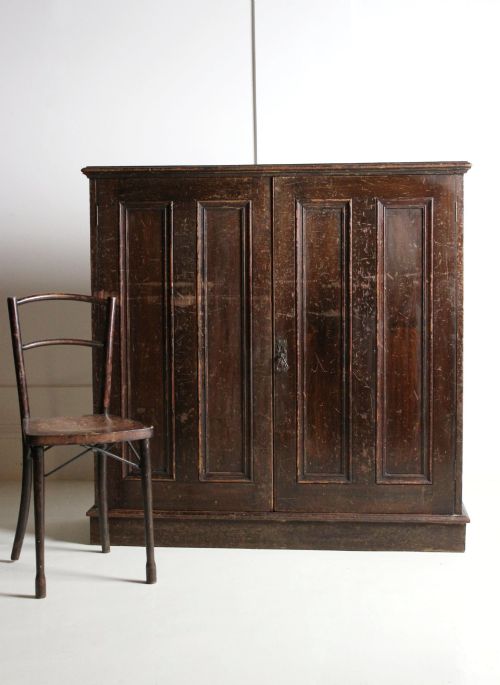
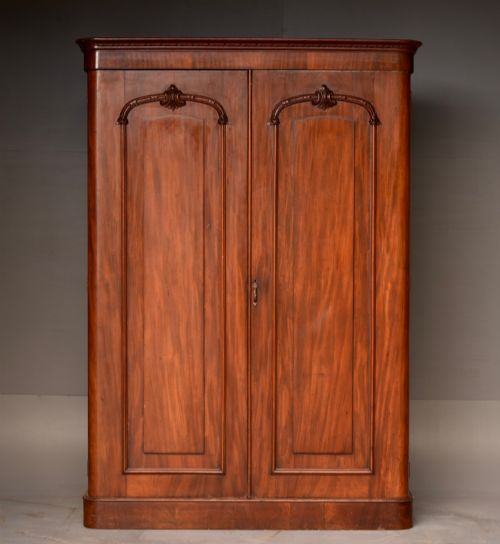
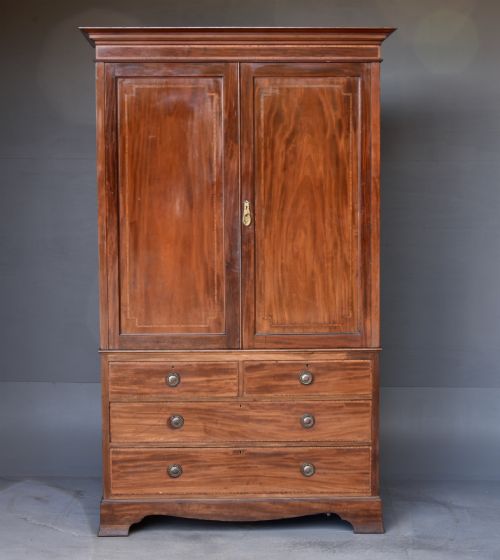
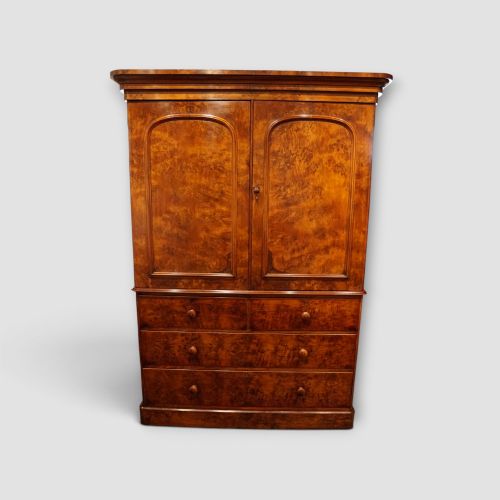
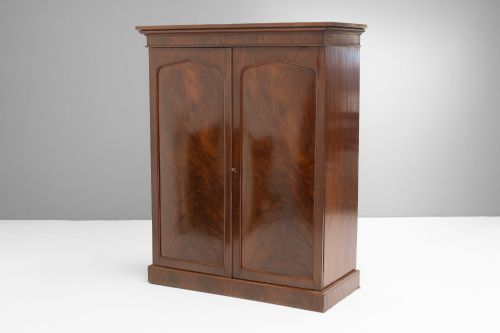
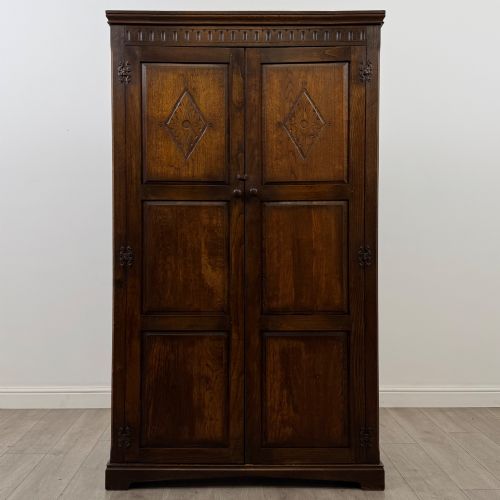
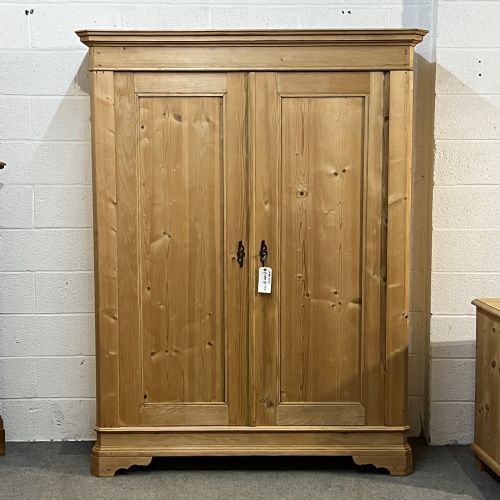
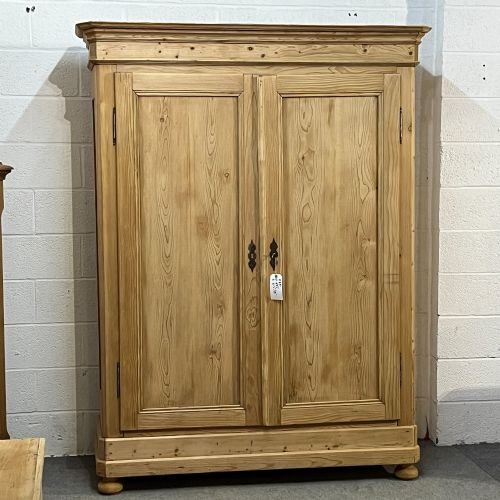
An antique wooden linen cupboard provides substantial domestic storage while displaying the varied grains of mahogany, oak, and pine across several centuries of cabinetmaking.
Antique Wooden Linen Cupboard
When you search for an antique wooden linen cupboard, you encounter a variety of substantial storage forms ranging from Georgian linen presses and tallboys to Victorian wardrobes, armoires, and housekeeper's cupboards. These pieces reflect centuries of domestic utility, built to house garments, textiles, and household stores in large country houses and town residences alike.
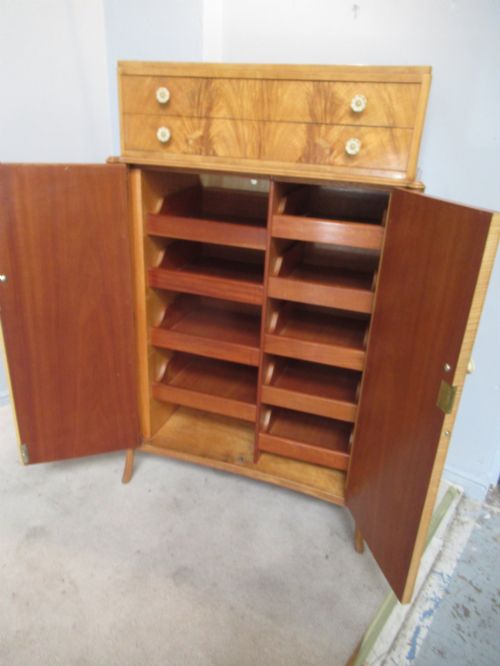
The versions you meet most frequently on this page span the 18th, 19th, and early 20th centuries, constructed in regional British timbers such as oak and mahogany alongside continental pine and walnut. Many take the form of linen presses combining upper sliding tray compartments with lower drawer chests, or taller wardrobes designed to accommodate hanging garments.
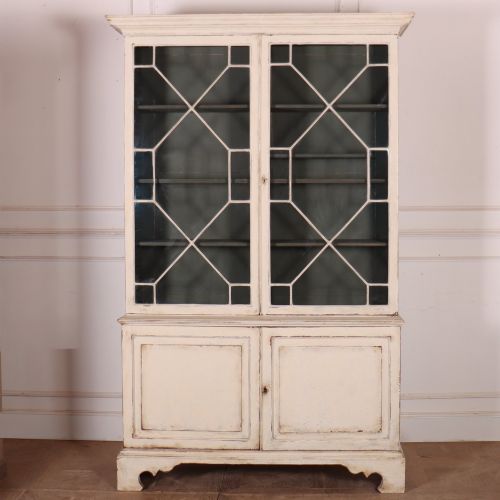
Makers and workshops across England, France, and wider Europe produced these cabinets to suit contemporary domestic requirements, incorporating architectural cornices, panelled doors, and bracket or bun feet. Their forms bridge the gap between utilitarian storage and formal furniture design, adapting from heavy timber frames to lighter Edwardian or painted finishes.
Materials and construction methods
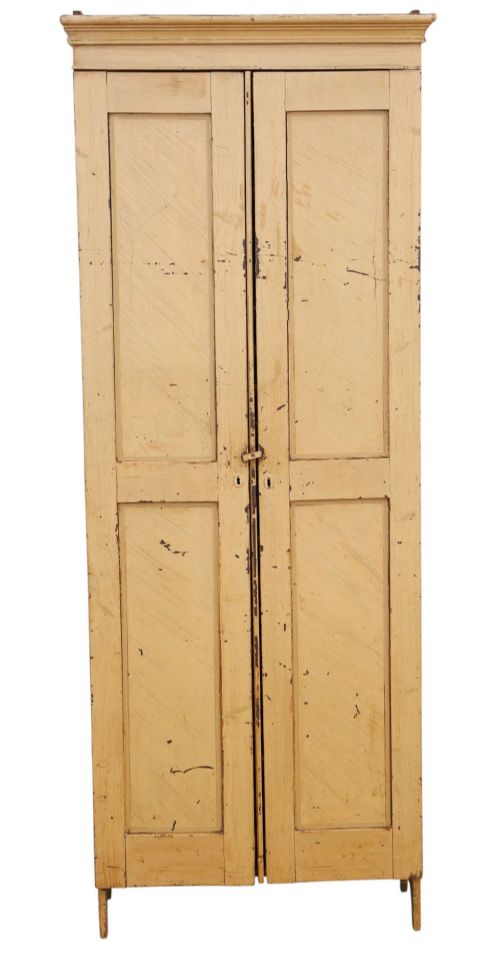
Cabinetmakers constructed these cupboards using solid hardwoods like mahogany, oak, and walnut, alongside softer timbers such as pine and ash for internal carcases and regional pieces. Timber selection dictated the structural integrity and surface appearance, whether finished with a polished French polish, original paintwork, or scumble faux graining.
Joinery techniques relied on traditional frame and panel construction to allow timber to expand and contract with seasonal humidity changes without splitting. Drawers incorporated hand-cut dovetail joints, while brass handles, escutcheons, and hinges secured the functional elements of doors and compartments.
Several cupboards retain their historic scumble paintwork, proving that previous generations enjoyed a clever faux-wood finish just as much as modern decorators.
Factors influencing quality and distinction
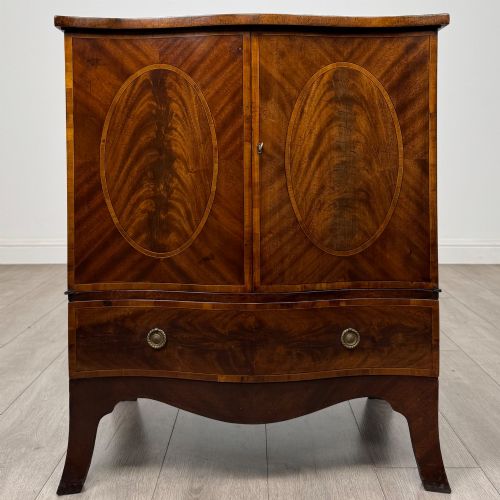
The distinction between standard utility furniture and superior examples lies in the selection of timber figures, such as flame mahogany or burr walnut veneers, and the crispness of carved details. Superior pieces maintain their original surface finishes, whether polished timber or historic painted schemes, rather than losing character through unsympathetic modern stripping.
Structural honesty and original hardware also separate pieces, where intact brass handles, working locks, and interior linen slides remain undisturbed by later alterations. The balance of proportions, from the heavy breakfront cornices of Georgian presses to the refined stringing of Edwardian wardrobes, governs visual harmony.
maples & co
The Antique Wooden Linen Cupboard Glossary
- Linen press
- A tall cabinet specifically designed with upper sliding trays or shelves for storing folded linens and lower drawers for garments.
- Tallboy
- A tall chest of drawers traditionally arranged in two sections, placing a smaller chest on top of a larger base.
- Compactum
- A fitted wardrobe designed with internal compartments, drawers, and hanging space to maximise storage efficiency within a single unit.
- Scumble
- A decorative paint technique applied over a base coat to imitate the natural grain patterns of more expensive hardwoods like oak.
- Breakfront
- A piece of furniture featuring a central section that projects forward from the flanking outer wings.
Antique Wooden Linen Cupboard: Frequently Asked Questions
What is a linen press?
A linen press is a large storage cabinet traditionally used for keeping folded bed linen, tablecloths, and garments flat and protected from dust. The upper section typically encloses sliding trays or shelves behind doors, while the lower section provides drawer storage.
These pieces were essential household items before modern wardrobes and airing cupboards became standard. Their deep proportions allowed families to store bulky textiles efficiently.
How do I date an antique cupboard?
Dating relies on examining construction methods, timber choices, hardware, and stylistic details. Hand-cut dovetails, secondary timbers, and specific decorative motifs like Georgian cornicing or Edwardian inlay provide clear chronological markers.
Changes in proportion and locking mechanisms also help determine the period. Early pieces often feature heavier solid timbers, whereas later Victorian and Edwardian examples frequently utilise veneers and factory-produced brasses.
Can these cupboards be dismantled for moving?
Many larger wardrobes and linen presses were built as modular or two-part units specifically to allow transportation through doorways and up staircases. Cornices, base sections, and main carcases often separate into manageable components.
However, solid oak and pine housekeeper's cupboards from earlier periods were frequently constructed as single immovable carcases. It is important to check the construction method before attempting to relocate large pieces.
Where should I place a wooden cupboard?
Wooden cupboards require stable environmental conditions away from direct heat sources and strong sunlight to prevent the timber from warping or splitting. Placing them against interior walls helps maintain consistent temperature and humidity.
Allowing sufficient clearance around the doors ensures they open fully without rubbing against skirting boards or walls. Proper placement preserves both the mechanical operation and the surface finish of the wood.