

Antique Linen Press Cupboard
An antique linen press cupboard organises a bedroom with deep timber storage and historic proportions.
Forms and Origins
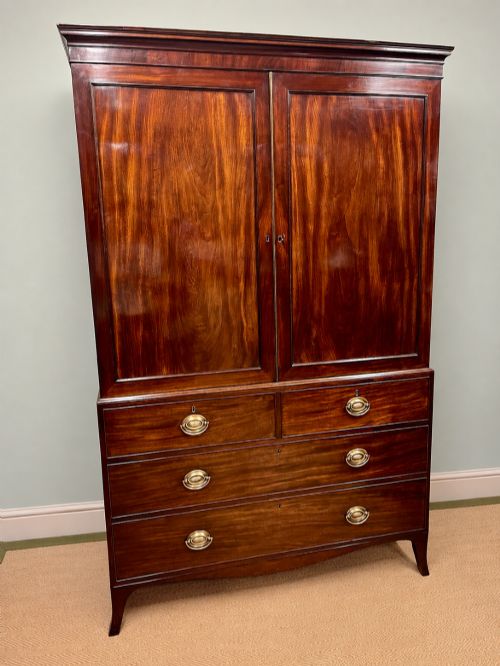
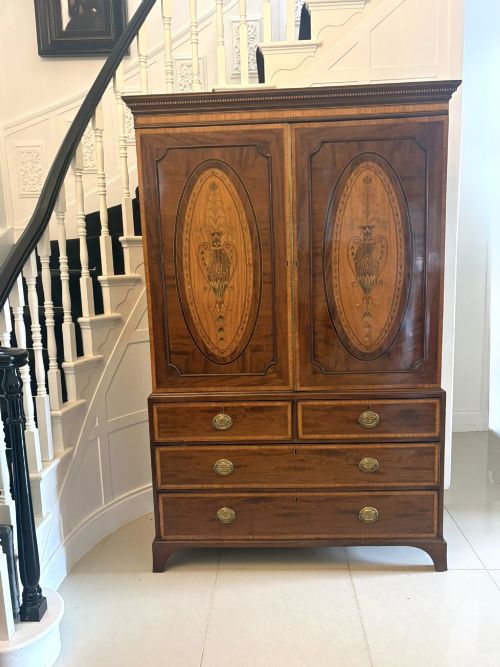
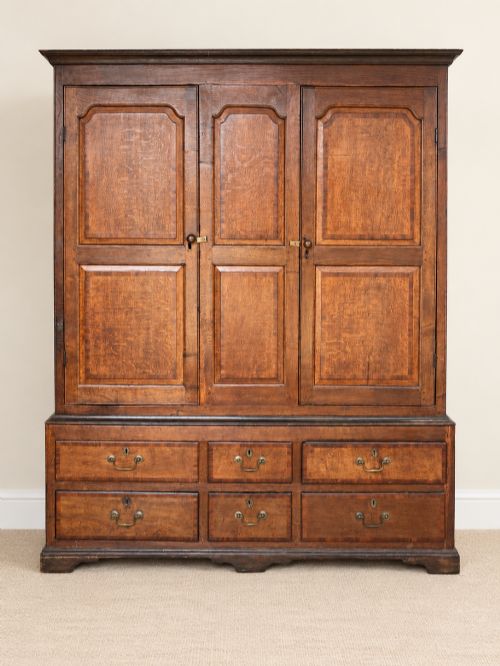
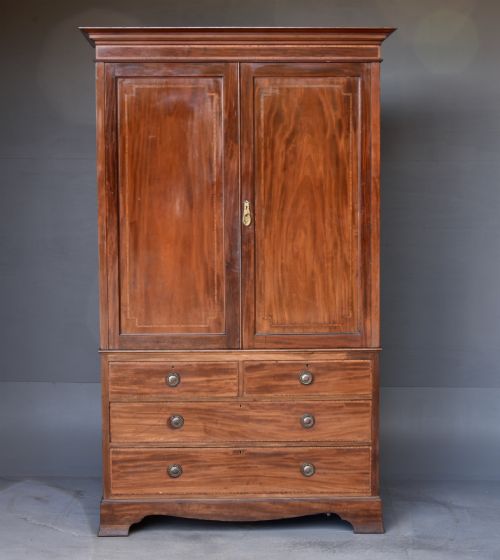
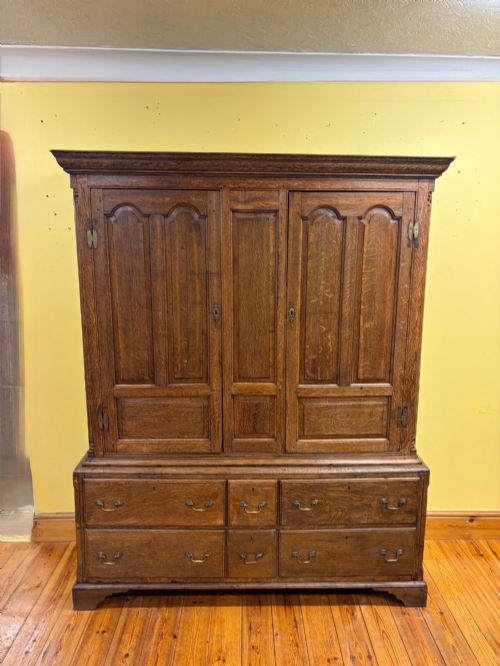
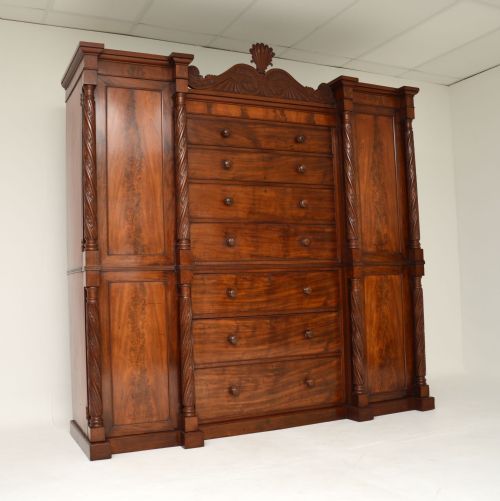
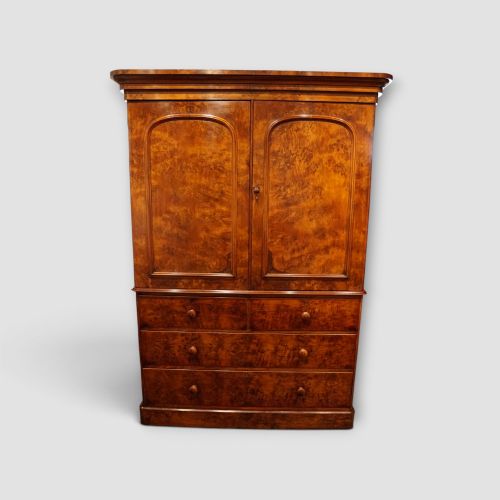
An antique linen press cupboard combines upper cabinet storage with lower chest drawers to hold folded textiles and garments. The form appears across the eighteenth and nineteenth centuries, spanning Georgian, Regency, and Victorian periods.
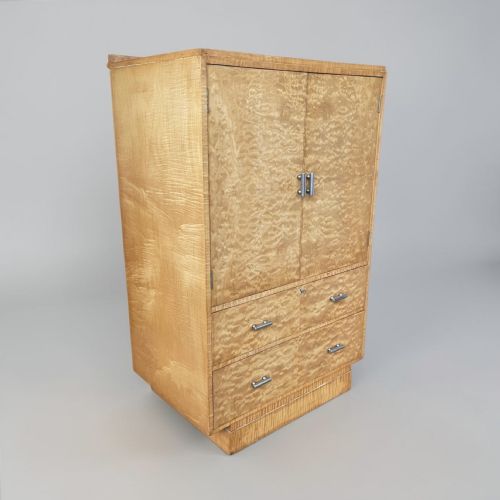
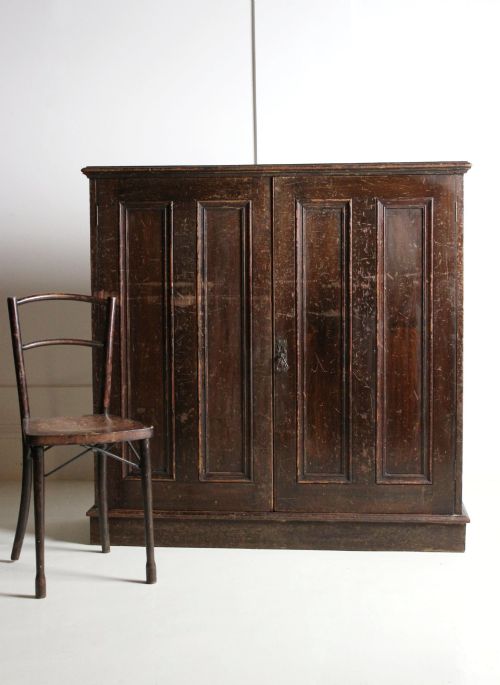
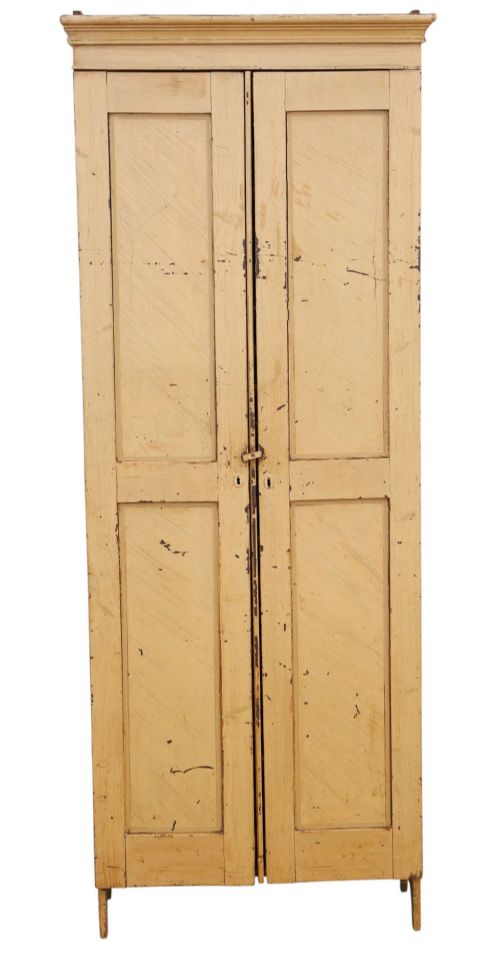
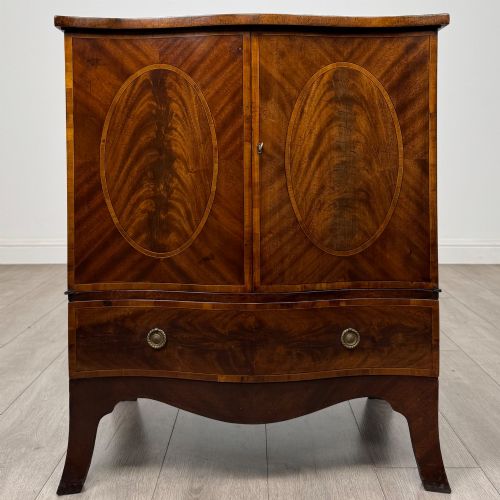
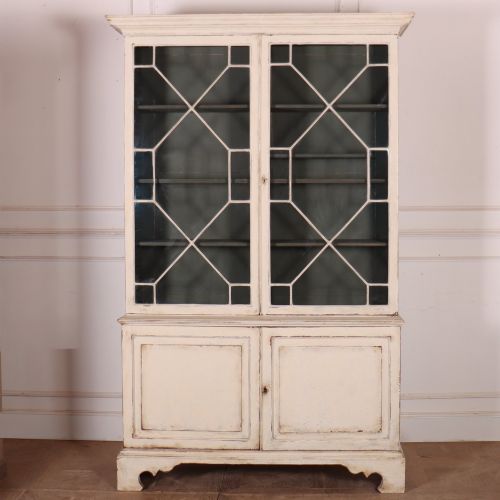
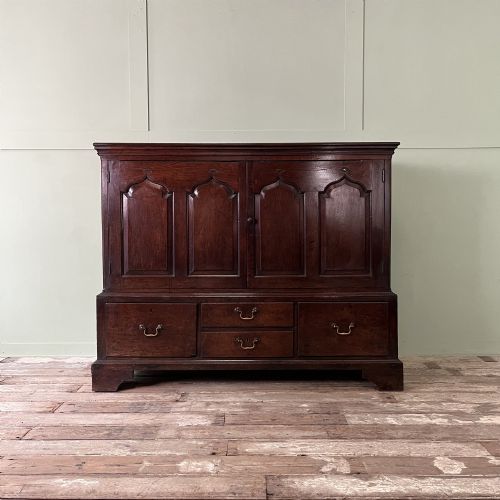
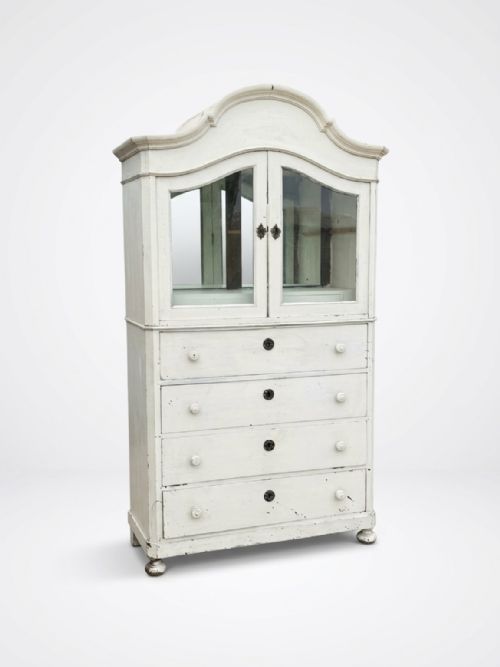
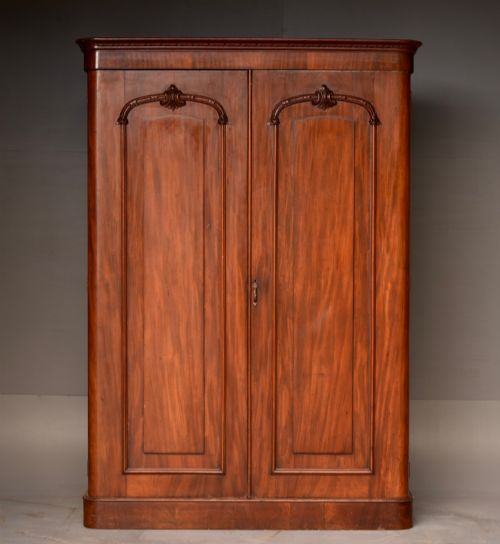
Regional variations feature strongly in walnut, mahogany, and heavy oak. Painted pine and satin birch versions emerge alongside compactum wardrobes and tall cabinet forms.
Makers such as Holland & Sons, Gillows, and Heals of London contributed stamped cabinet pieces to the tradition. Most surviving examples balance panelled doors above multiple lower drawers.
Build and Proportion
Quality rests in the selection of figured timbers such as burr walnut and flame mahogany. Finely cut veneers and crisp mouldings distinguish workshop pieces from simpler regional carpentry.
Internal arrangement dictates utility, where surviving sliding trays command higher regard than altered hanging spaces. Original brass handles and sound structural joints complete the standard.
Retail Price Guide 2026
Typical UK retail prices for linen press cupboard, calculated from the Sellingantiques database of over a million retail prices indexed since 2003. This retail price guide relies exclusively on Sellingantiques data; no external sources or auction records are used, so the figures do not describe the wider market.
Listings feature eighteenth-century oak, nineteenth-century mahogany, and Victorian burr walnut alongside painted pine regional pieces.
Holland & Sons·Heals of London·Gillows
The Antique Linen Press Cupboard Glossary
- Linen Press
- A tall two-part cabinet designed originally for storing flat linens on internal sliding trays. Lower drawer sections expanded the capacity for clothing.
- Compactum
- A multi-compartment wardrobe combining hanging space, shelves, and drawers within a single architectural frame. These pieces often date to the Victorian era.
- Marquetry
- The art of applying decorative veneer pieces to form intricate patterns on timber surfaces. Dutch examples frequently employ floral and botanical motifs.
- Satin Birch
- A pale, golden hardwood with a distinct shimmering grain utilised in nineteenth-century cabinet work. It offers a lighter tone than traditional mahogany.
- Flame Mahogany
- A veneer cut from timber where the grain creates a flickering, flame-like pattern. Cabinet makers reserved this timber for principal door and drawer fronts.
Frequently Asked Questions
How do I use a linen press today?
Remove internal sliding trays if necessary to convert the upper cabinet into a modern wardrobe for hanging clothes.
Use the lower drawers for folded garments, knitwear, or household linens just as previous centuries intended.
What is the difference between oak and mahogany presses?
Oak presses generally date to the eighteenth century or earlier, displaying robust regional craftsmanship particularly from Wales and the English provinces.
Mahogany and walnut versions often reflect refined urban cabinet making with formal Georgian and Victorian styling.
Can I fit a linen press in a modern bedroom?
Measure ceiling height carefully because these two-part cupboards reach significant elevations to accommodate upper cabinets and lower drawer chests.
Ensure clearance for opening heavy doors and pulling out wide lower drawers in confined spaces.
How do I identify a painted pine press?
Examine the surface for historic layers of paint, brush marks, and surface crackle that indicate genuine age.
Original painted pine cupboards frequently originate from regional workshops in Cumberland, Westmoreland, or Wales.