
Traditional Wooden Armoire
A traditional wooden armoire provides serious character and scale to a bedroom, bringing centuries of craftsmanship directly into your home.
Traditional Wooden Armoire
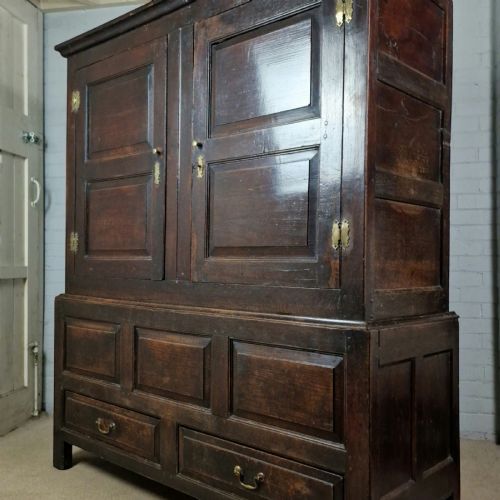
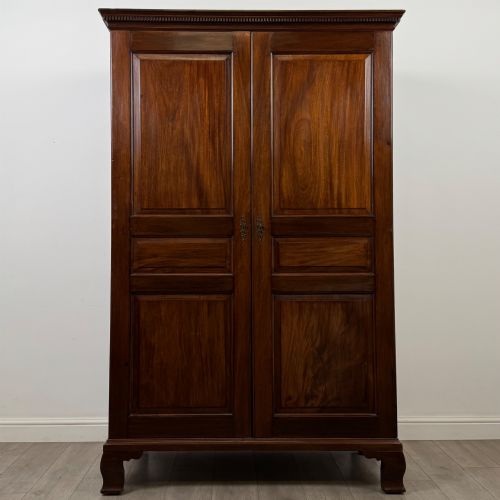
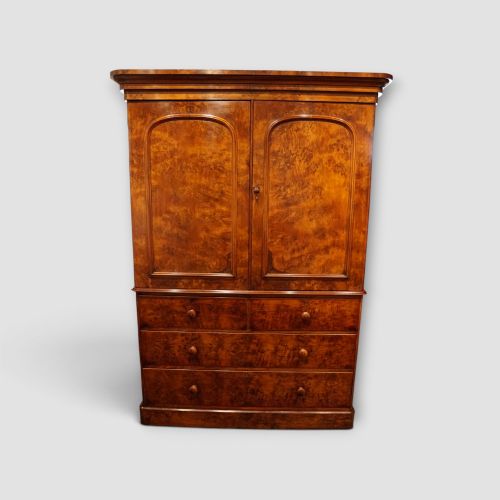
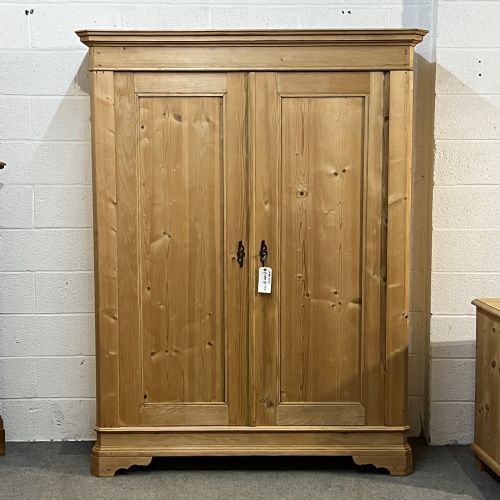
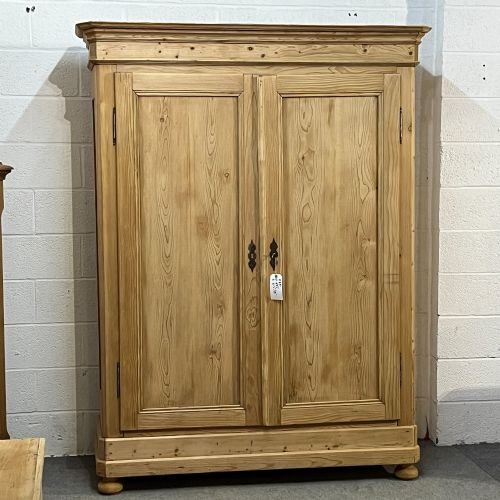
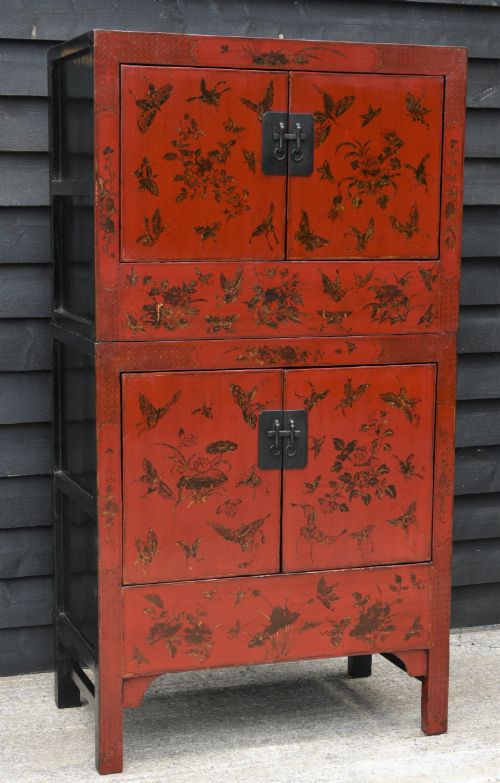
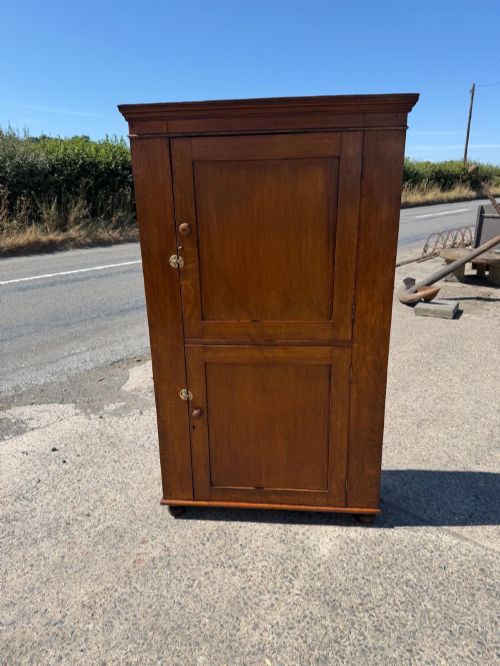
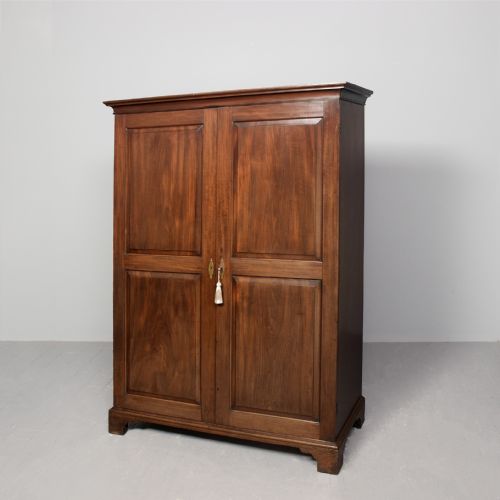
A traditional wooden armoire encompasses large freestanding storage pieces, including Georgian linen presses, Victorian wardrobes, and provincial pine cupboards. These items serve as substantial focal points in a room while offering deep internal hanging space or shelving.
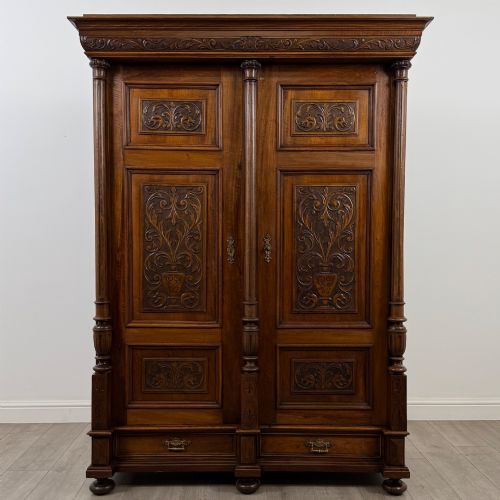
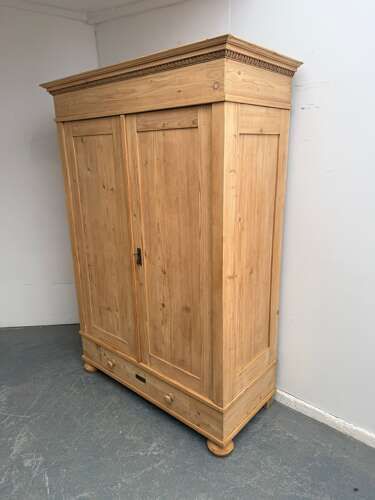
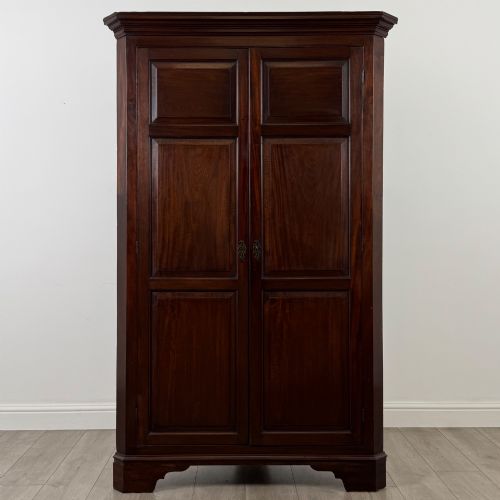
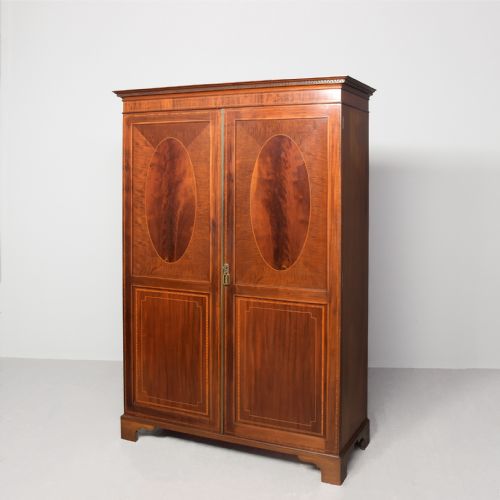
Mahogany and oak dominate the formal examples from the eighteenth and nineteenth centuries, often featuring panelled doors and moulded cornices. Pine and painted variants bring a softer, rustic aesthetic originating from French, Hungarian, and English country workshops.
Buyers will frequently encounter modular knockdown pine designs alongside grand breakfront mahogany triple wardrobes and tall corner cabinets. Each piece reflects the domestic storage needs of its original period, balancing functional utility with regional decorative traditions.
Materials and construction methods
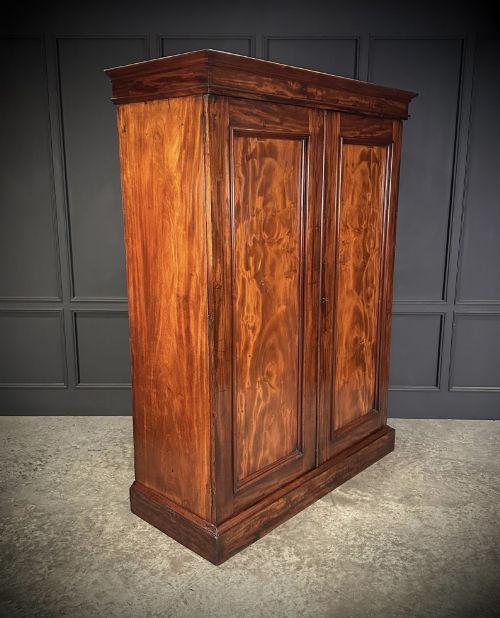
Cabinet makers built these large storage pieces using solid timbers like oak, mahogany, and ash, frequently applying flame mahogany veneer to primary display surfaces for rich grain patterns. Secondary structural elements inside often relied on durable pine or sturdy native woods.
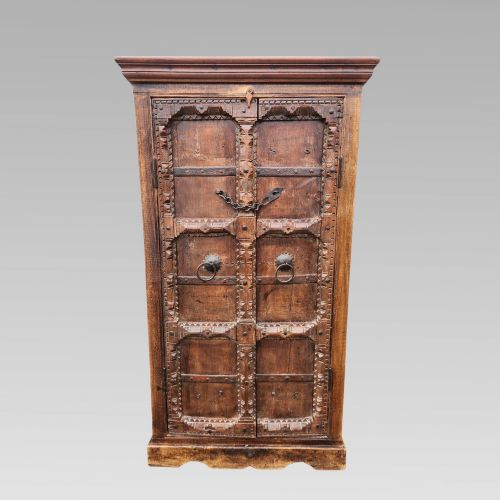
Iron and brass hardware, from blacksmith-forged hinges and locks to decorative escutcheons, secured heavy panelled doors and deep drawers. Many provincial European and country pieces utilised pegged joints and knockdown frameworks allowing the large carcasses to be dismantled for transport.
Some nineteenth-century cupboards retain their original blacksmith-made locks and heavy iron keys, ready to secure your linens.
Distinctions in construction and finish
The standard of a traditional wooden armoire depends heavily on the selection of timber and the integrity of its original structural hardware. Superior pieces display finely figured mahogany veneers, symmetrical grain alignment, and substantial internal depth without sagging frames.
Original surface treatments, such as early paint finishes or patinated wax on oak and pine, separate unaltered examples from later stripped or heavily restored pieces. High quality is further evident in the smooth operation of heavy panelled doors and the retention of period brass or iron locks.
The Traditional Wooden Armoire Glossary
- Linen Press
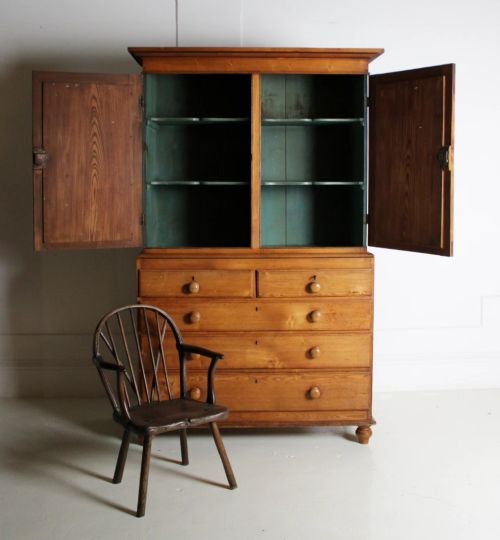
- A dual-purpose storage item featuring upper sliding trays or shelves enclosed by doors, positioned above a chest of base drawers. These tall cabinets were traditionally used to store household linens flat before modern hanging wardrobes became common.
- Compactum
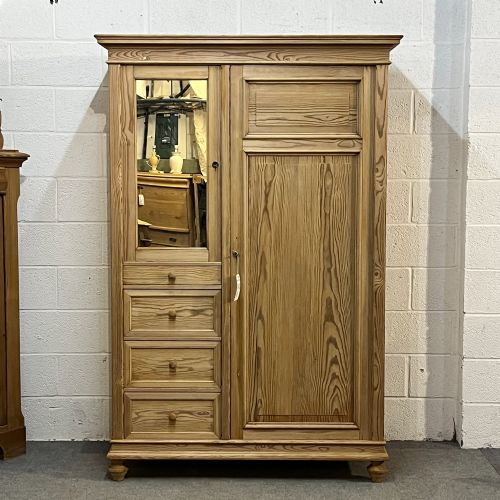
- A multi-compartment wardrobe combining hanging space, shelves, and internal drawers within a single unified carcass. This efficient layout maximises storage capacity inside a footprint narrower than a standard triple wardrobe.
- Breakfront
- A large cabinet design where the central section projects forward past the flanking flanking wings. This architectural arrangement creates depth and visual rhythm across wide mahogany or oak facades.
- Knockdown
- A piece of furniture constructed so that the main panels, cornice, and base detach entirely from one another. This technique enabled large wardrobes to be moved easily between rooms and up staircases.
- Almirah
- A regional term for a freestanding storage cupboard or wardrobe originating from South Asia. These pieces often incorporate heavy metal binding and rich, reclaimed teak timbers.
Traditional Wooden Armoire: Frequently Asked Questions
How do I assemble a knockdown wardrobe?
Knockdown wardrobes rely on integrated bolts, wooden pegs, or sliding joints that lock the side panels into the base and cornice without permanent glue. Careful alignment of these original joints ensures the heavy doors hang square.
Having two people is essential for supporting the tall side panels while securing the top and bottom frames together. Checking the diagonal measurements before tightening helps prevent the carcass from twisting.
Can these wardrobes fit modern clothes hangers?
Older wardrobes often possess shallower internal depths than modern equivalents because historical garments were stored differently. Front-facing hanging rails may need to be installed if the interior only accommodates traditional side-to-side hooks.
Measuring the internal depth from the back panel to the inside of the closed door prevents any disappointment with bulky winter coats. Many period pieces suit folding garments on shelves or using narrower coat hangers.
How do I care for antique pine furniture?
Maintaining antique pine requires regular applications of natural beeswax to nourish the dry timber and preserve its soft lustre. Avoiding placement near direct heat sources prevents the old wood from splitting or warping.
Cleaning surfaces with a soft, dry cloth removes dust without stripping the accumulated wax patination built up over generations. Spills should be wiped away immediately to protect untreated or painted pine finishes.
What is the difference between an armoire and a press?
An armoire is primarily designed as a vertical wardrobe featuring tall doors opening to hanging space for garments. Traditional examples focus on full-length vertical storage rather than internal shelving.
A linen press incorporates horizontal sliding trays or shelves in the upper section intended for folded textiles. The lower portion typically contains a chest of drawers for additional apparel.