

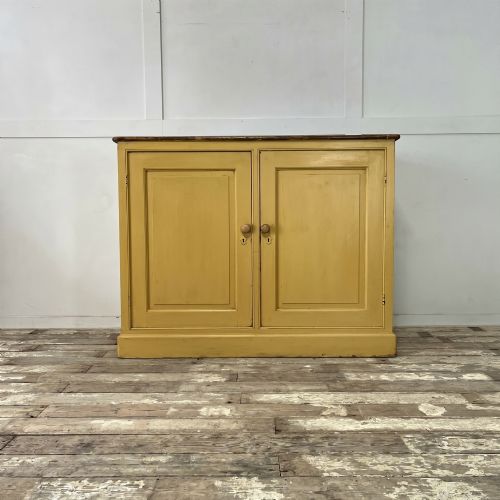

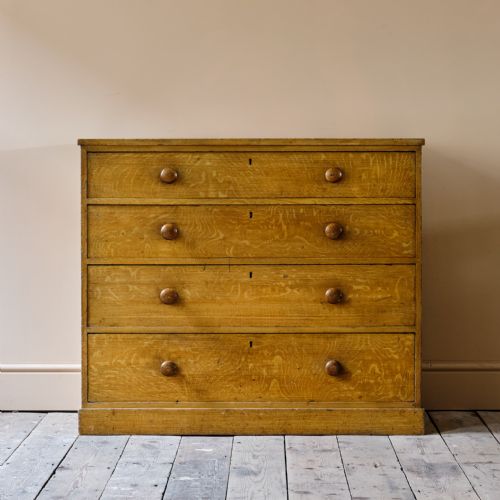


Yellow Pine Cabinet
These yellow pine cabinet pieces offer honest country utility and characterful painted surfaces, prized for bringing warmth and practical storage to modern interiors.
Yellow Pine Cabinet
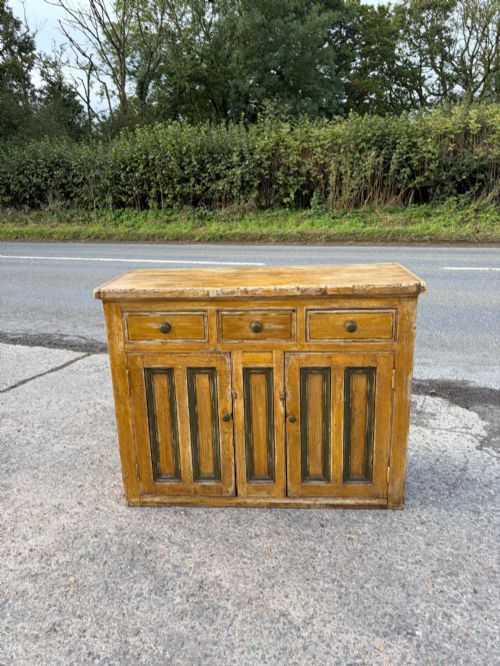
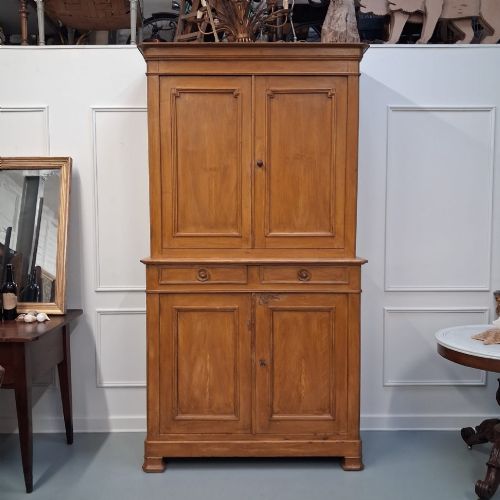
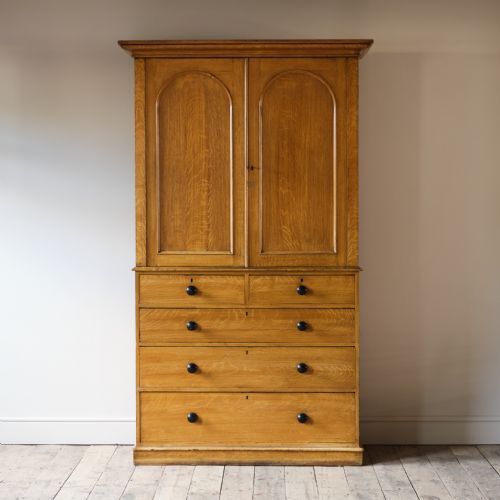
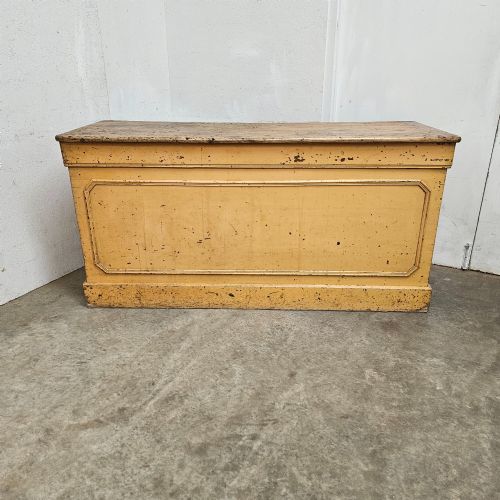
A yellow pine cabinet brings together robust timber construction and surface paint, emerging primarily from nineteenth-century domestic and commercial settings. These utilitarian pieces span regional workshops across England, France, Sweden, and the wider countryside, serving various storage needs from linen presses to shop counters.
You are most likely to encounter nineteenth-century examples on this page, often bearing their original paint finishes. The forms range from housekeeper cupboards and dressers to wall cabinets and bookcases, reflecting the diverse storage requirements of nineteenth-century households and businesses.
How they were made
Craftsmen built these pieces using solid pine timber, selected for its workability and availability in regional workshops. Iron hardware such as hinges and latches provided durable functional support for doors and drawers.
Surfaces were frequently finished with paint, sometimes applied in multiple layers over decades of use. Glazed doors incorporated glass panels to showcase contents within bookcases and display cabinets.
Yellow Pine Cabinet Retail Price Guide 2026
Typical asking prices for yellow pine cabinet among the pieces listed under this phrase on Sellingantiques today, from the lower quarter to the upper quarter. They describe what is for sale here now, not the wider market.
Swedish ragwork paint finishes transform humble pine boards into surprisingly joyful domestic statements.
What varies in quality
The distinction between ordinary and superior pieces rests largely on the survival and character of the original paint surface. Untouched historical finishes with authentic patination command greater appreciation than later repainting or stripped timber.
Proportion and structural integrity also divide the range, with well-balanced architectural mouldings and robust joinery representing the higher tiers of country craftsmanship.
The Yellow Pine Cabinet Glossary
- Yellow pine
- A North American or European softwood timber widely utilised for nineteenth-century furniture construction due to its straight grain and durability. It accepts paint finishes exceptionally well.
- Linen press
- A tall storage piece traditionally designed with upper sliding shelves for linens and lower drawers for bulkier garments. These forms are staples of nineteenth-century bedroom storage.
- Housekeeper cupboard
- A large storage furniture item traditionally used in large domestic kitchens for provisions and household linens. They frequently feature multiple doors and internal shelving.
- Shop counter
- A robust commercial furnishing designed for retail transactions and display, often featuring heavy timber construction and practical internal storage. Surviving examples retain traces of working commercial history.
Yellow Pine Cabinet: Frequently Asked Questions
How do I date a yellow pine cabinet?
Dating relies on examining construction techniques, hardware types, and timber characteristics alongside overall style conventions. Nineteenth-century pieces typically exhibit hand-cut joints and period-specific ironmongery.
Paint analysis also provides chronological clues, as original surface layers often correspond to specific regional palettes and nineteenth-century coating methods.
Are these cabinets suitable for modern kitchens?
These pieces provide generous storage capacity and durable wooden surfaces that suit contemporary kitchen and dining spaces. Their substantial presence anchors a room while offering practical shelving.
Careful placement away from direct heat sources helps preserve the pine timber and historical paint finishes during daily domestic use.
What does original paint mean on these pieces?
Original paint refers to the earliest or primary decorative surface applied to the timber during its period of manufacture or initial working life. This finish has survived subsequent stripping or modern redecorating.
Collectors value these untouched surfaces for the authentic patination and historical depth they impart to the furniture.
How should I care for painted pine?
Maintenance requires gentle dusting with a dry or slightly damp cloth to protect the historical paint layer from abrasive damage. Avoid chemical cleaning products that might soften or remove aged pigment.
Maintaining stable indoor humidity prevents the pine timber from expanding or contracting excessively, safeguarding both the wood structure and the surface finish.