

Nineteenth Century Buffet
A nineteenth century buffet serves dining spaces with deep timber storage and tiered display.
Nineteenth Century Buffet
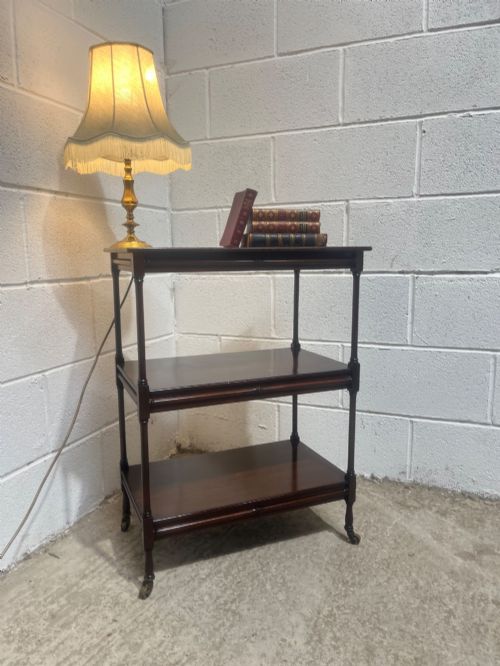
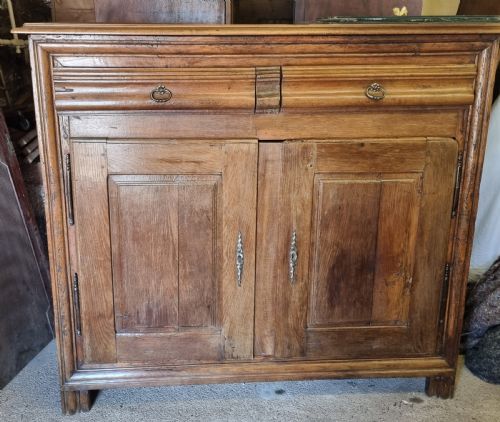
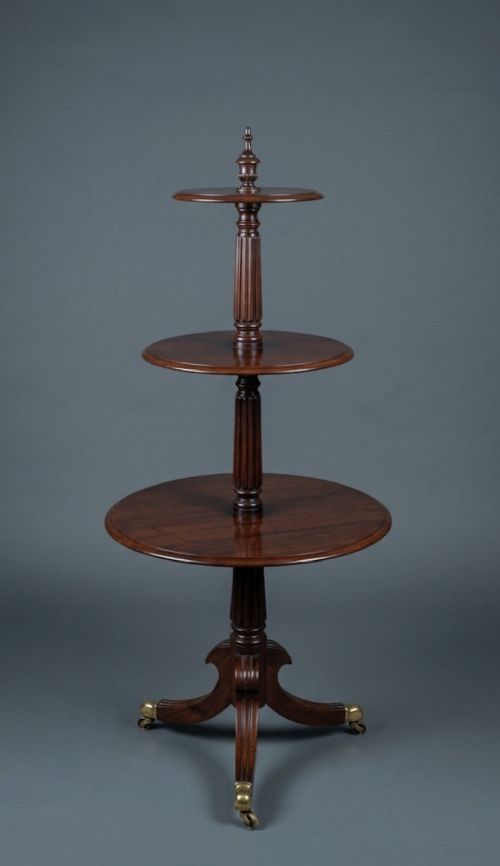
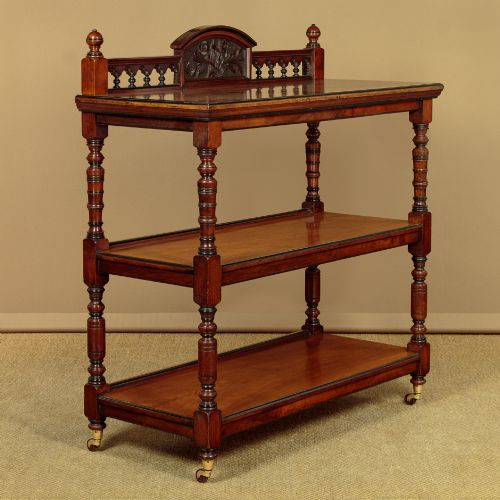
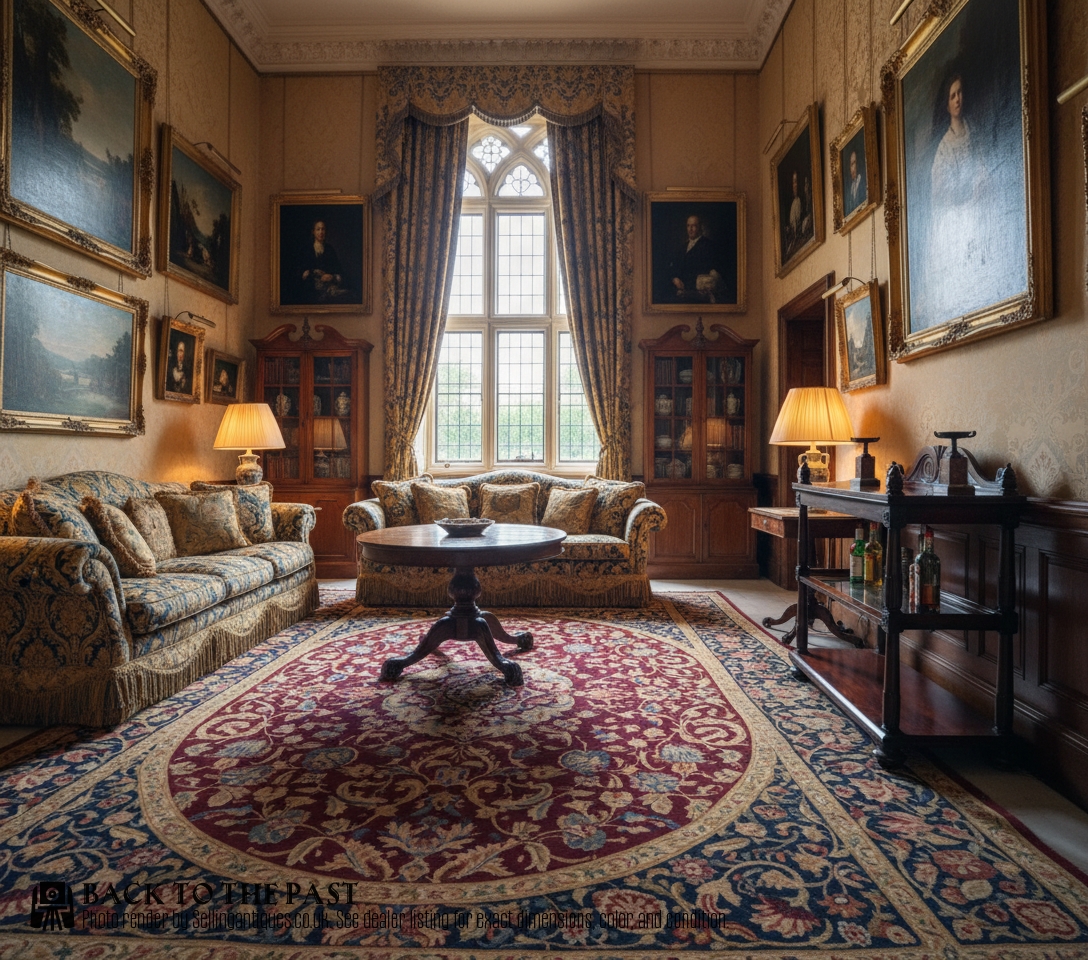
A nineteenth century buffet appears in forms such as sideboards, credenzas, tiered trolleys, and housekeeper cupboards. These pieces originate from Victorian, Regency, and William IV periods, alongside French Provincial and Continental workshops.
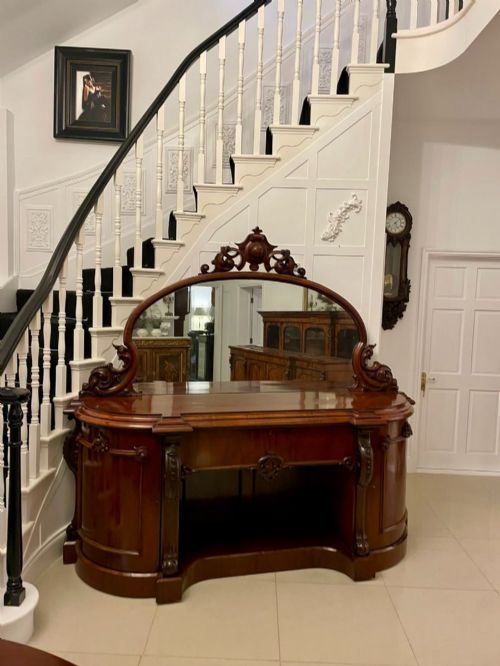
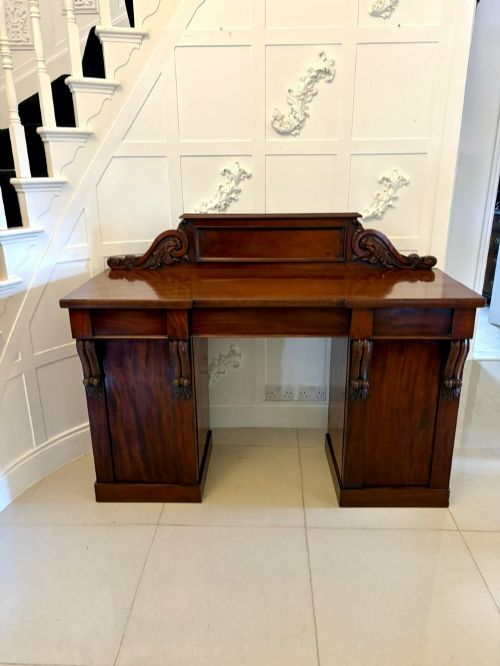
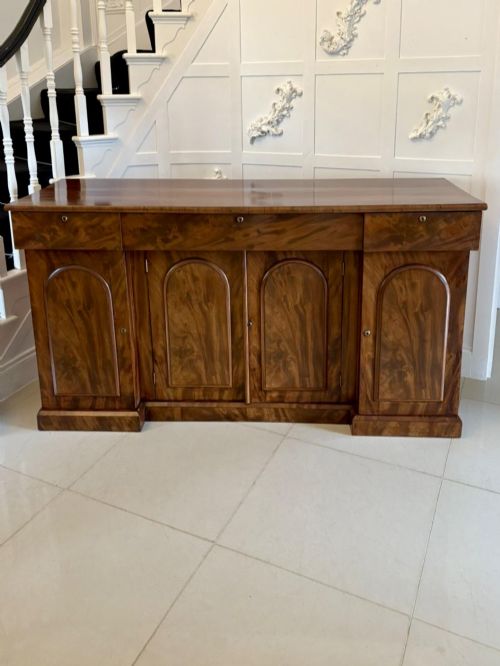
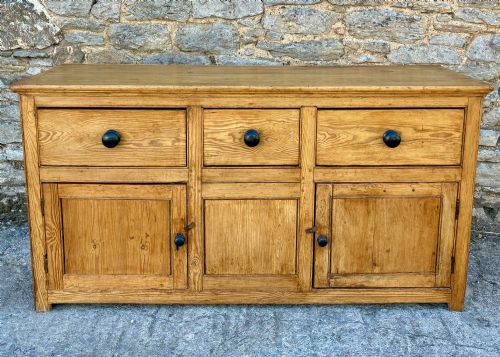
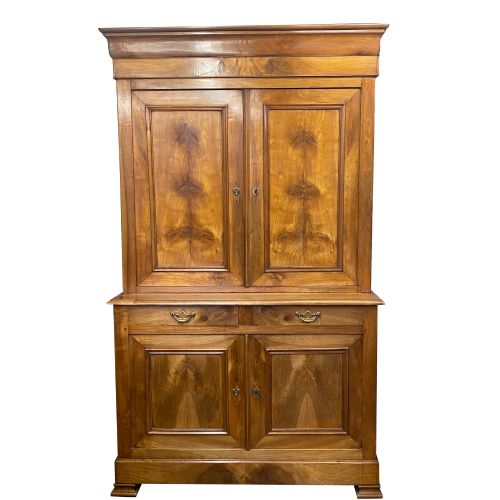
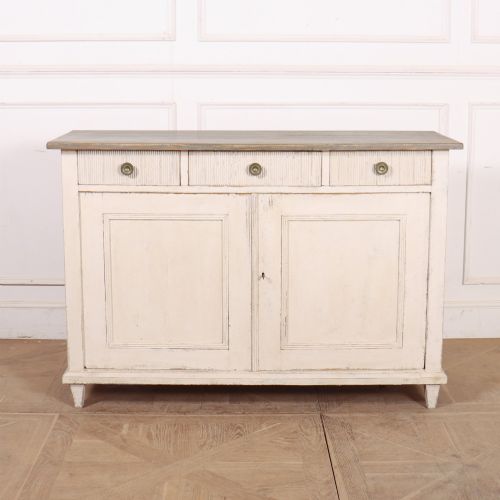
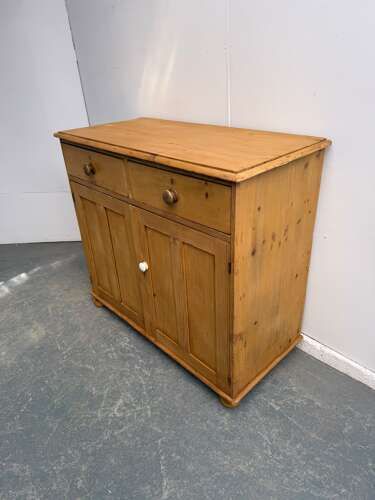
Buyers meet large mahogany sideboards with mirror backs, alongside smaller walnut cabinets and tiered serving tables. Pine dresser bases and painted country pieces also populate the selection.
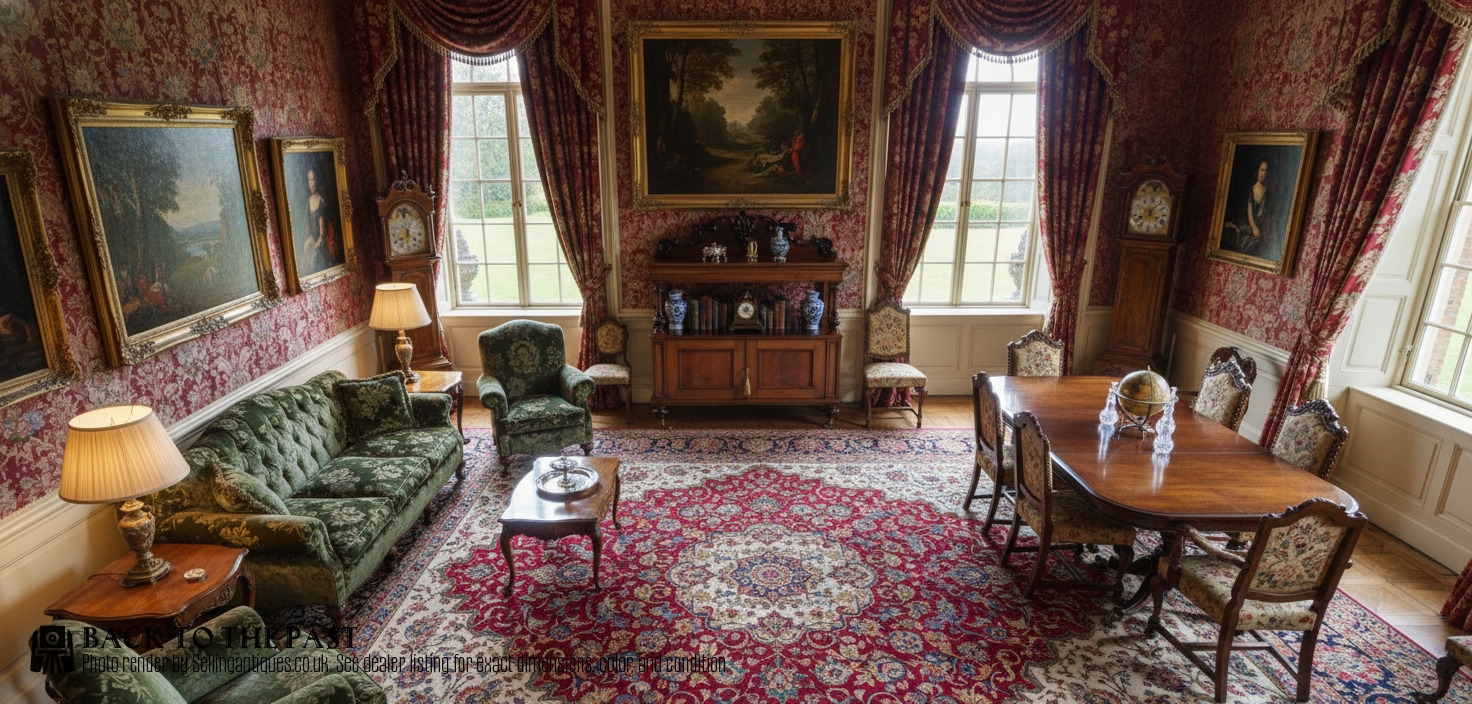
Standards of Execution
Quality separates through the selection of figured timbers and the precision of marquetry or brass inlay. Finely carved mouldings and substantial proportions distinguish superior examples from plain utility pieces.
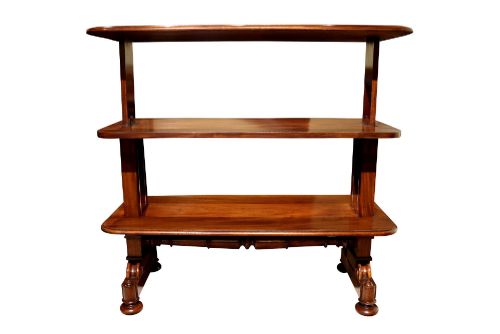
The integration of complex mechanisms, such as rise and fall tiers or metamorphic designs, demonstrates advanced cabinet making skill.
Nineteenth Century Buffet Retail Price Guide 2026
Typical asking prices for nineteenth century buffet among the pieces listed under this phrase on Sellingantiques today, from the lower quarter to the upper quarter. They describe what is for sale here now, not the wider market.
Listings span the nineteenth century, incorporating Regency, William IV, and Victorian periods alongside French Provincial styles.
The Woodworkers Ltd Kilkenny
The Nineteenth Century Buffet Glossary
- Credenza
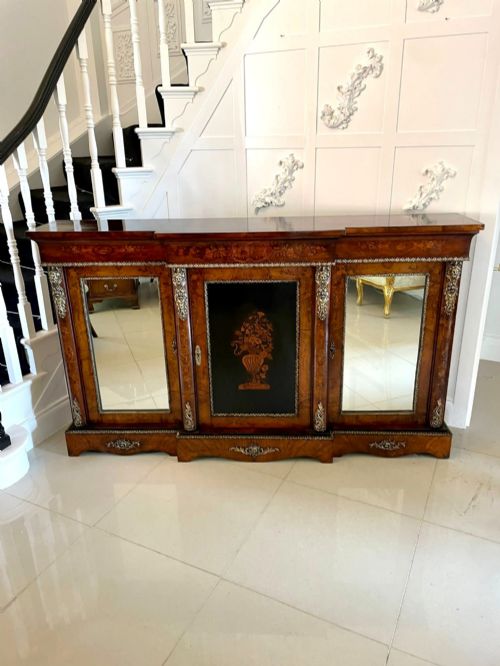
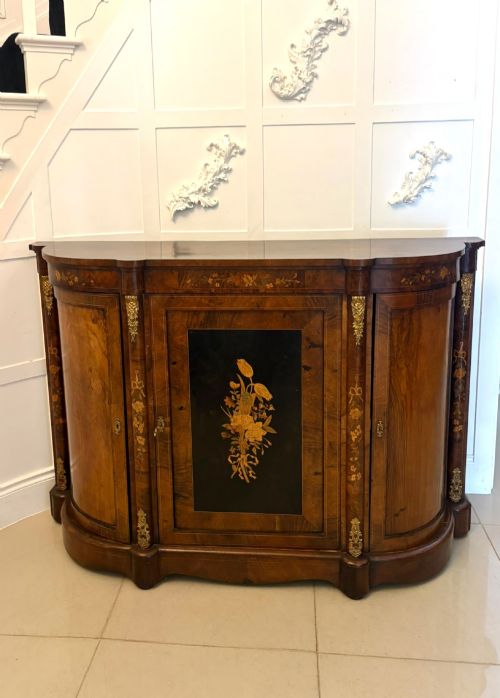
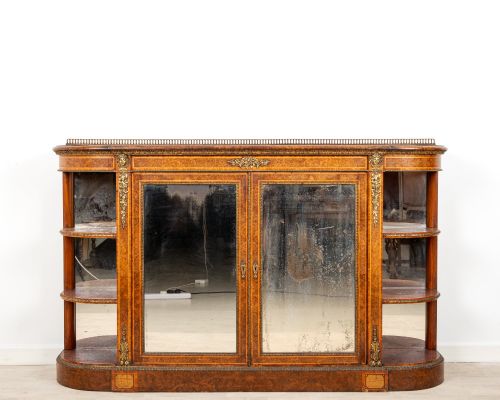
- A low cabinet for the dining room, often featuring glass doors and mirrored panels. These pieces frequently display elaborate floral marquetry.
- Buffet
- A piece of dining furniture designed for serving food and storing tableware. Multi-tiered versions allow tiered presentation.
- Marquetry
- Decorative veneer work forming pictures or patterns using various coloured woods. Floral motifs appear frequently on walnut surfaces.
- Ormolu
- Gilt bronze mounts applied as decorative ornaments on furniture carcases. These metal details accent walnut and ebonised pieces.
- Breakfront
- A piece of furniture where the central section projects forward from the side sections. This creates architectural depth on large sideboards.
Nineteenth Century Buffet: Frequently Asked Questions
What is a nineteenth century buffet?
A nineteenth century buffet is a dining room storage and serving piece produced during the eighteen hundreds. Examples range from multi-tiered serving trolleys to large mahogany cabinets.
These items provide surface space for food presentation and enclosed storage for dining utensils and linens.
How do I identify a Regency buffet?
Regency buffets and sideboards display classical restraint through clean architectural lines and precise brass or ebony inlay. Mahogany and rosewood serve as primary timbers.
Proportions remain balanced, often featuring pedestals or breakfront designs influenced by classical antiquity.
Where should I place a credenza?
Credenzas suit dining rooms, long hallways, or living spaces where low storage and display surfaces are required. Their decorated doors and mirrored backs create a visual focal point.
Ensure adequate wall space to accommodate the horizontal length of these cabinets.
What woods were used for buffets?
Cabinet makers utilised mahogany, burr walnut, oak, cherry wood, and exotic imported timbers like padauk. Veneers such as flame mahogany provided decorative grain patterns.
Secondary woods like pine appear on internal drawer linings and carcass backs.