
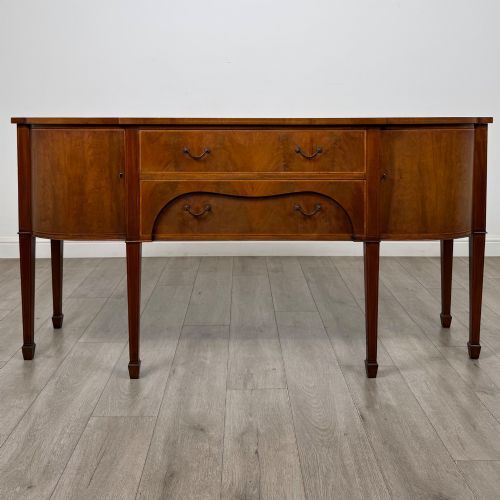
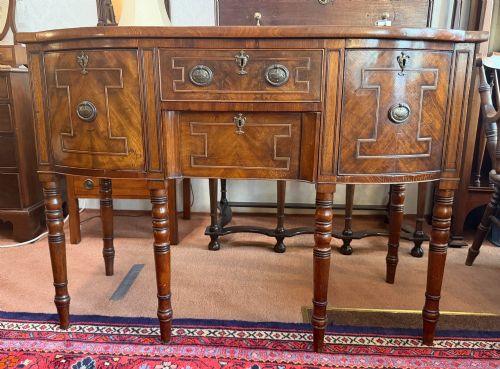
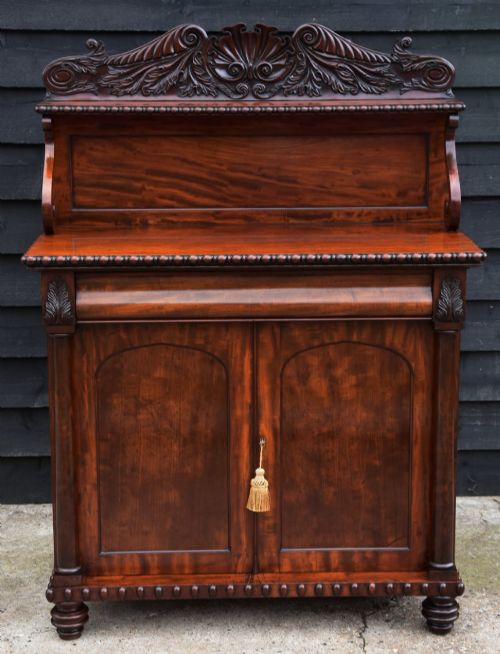
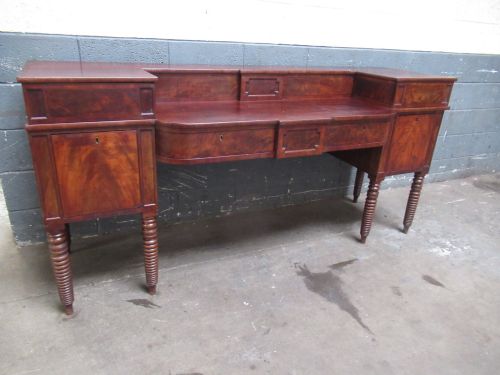
Regency Mahogany Buffet
A regency mahogany buffet provides substantial dining room storage through rich timber and disciplined classical form.
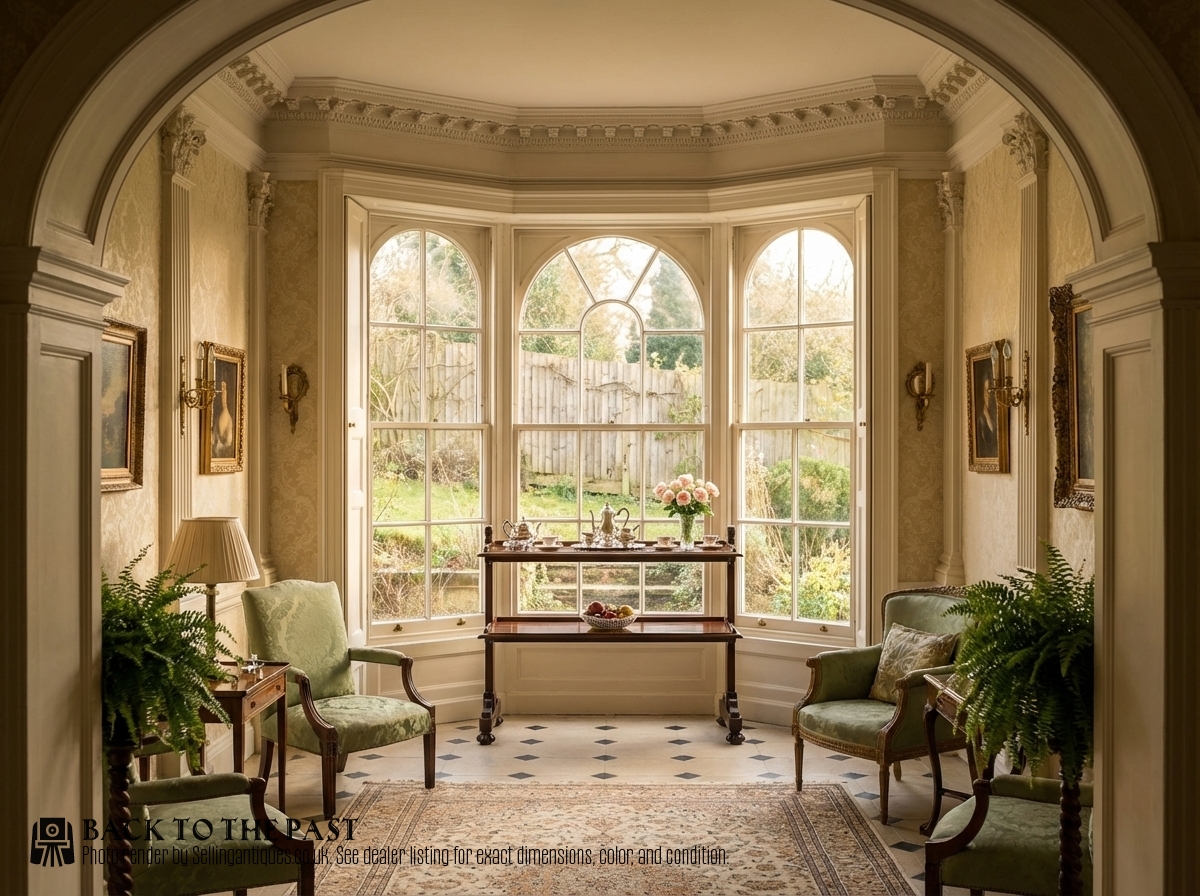
Regency Mahogany Buffet
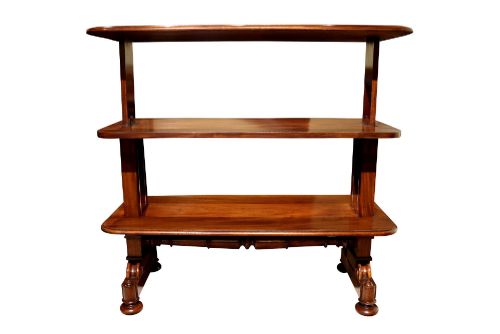
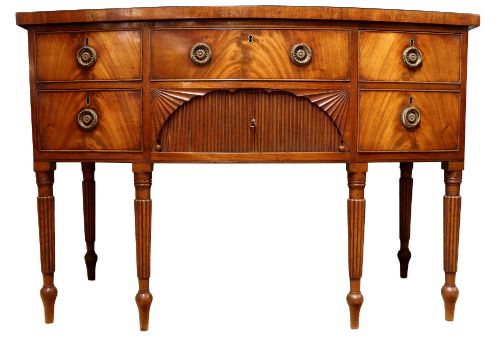
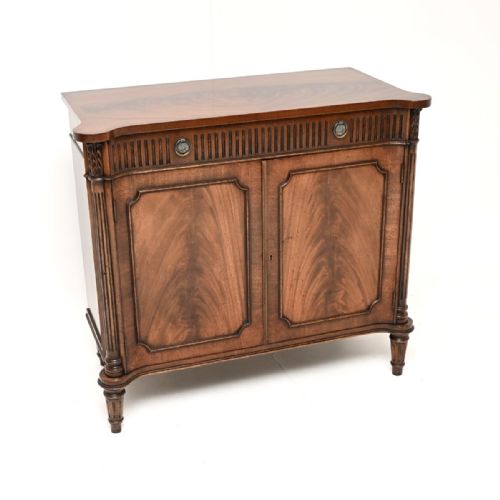
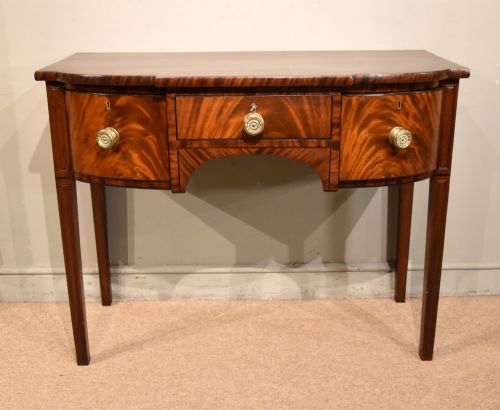
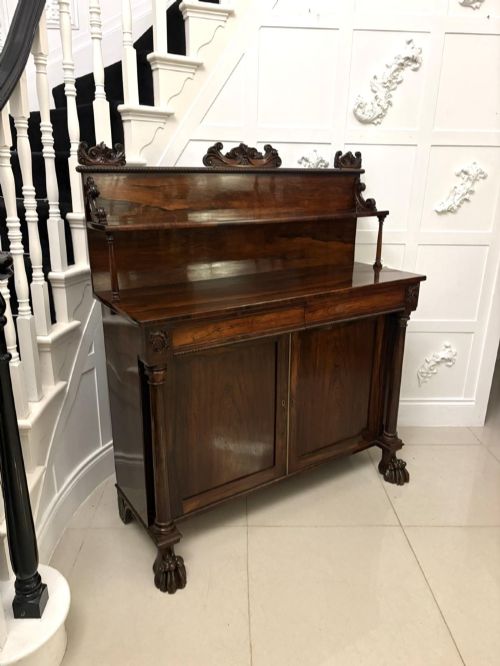
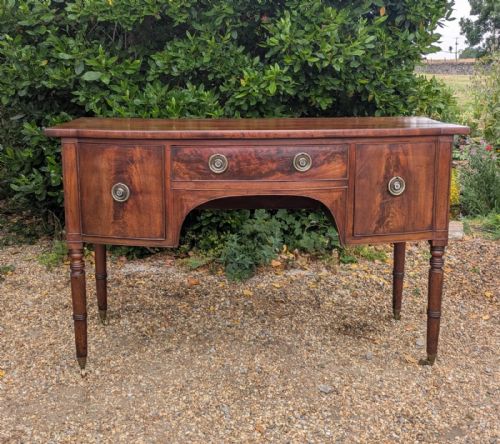
A regency mahogany buffet serves as a prominent dining room piece designed for holding tableware, glassware, and serving dishes during formal meals. When searching for a regency mahogany buffet, a buyer encounters forms that span sideboards, pedestal units, chiffoniers, and tiered serving tables originating from the Regency period through to the nineteenth century and later revivals.
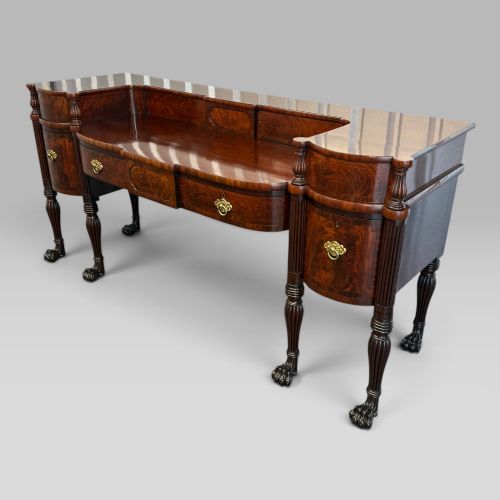
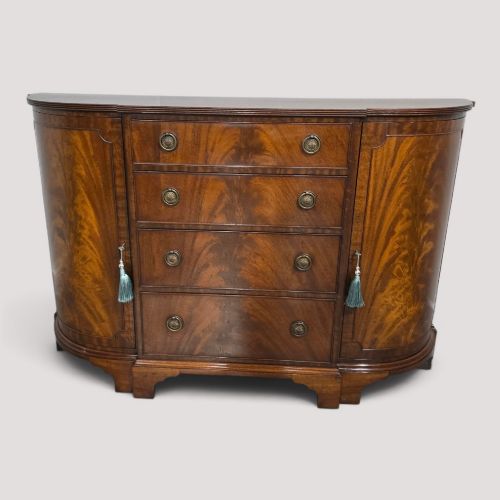
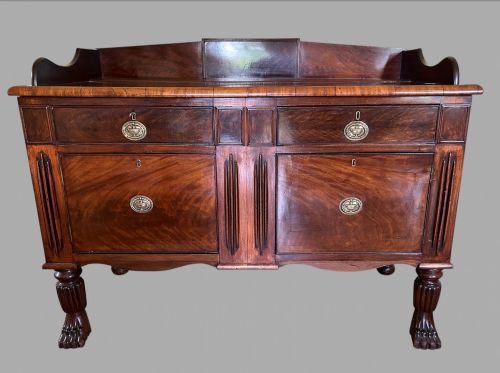
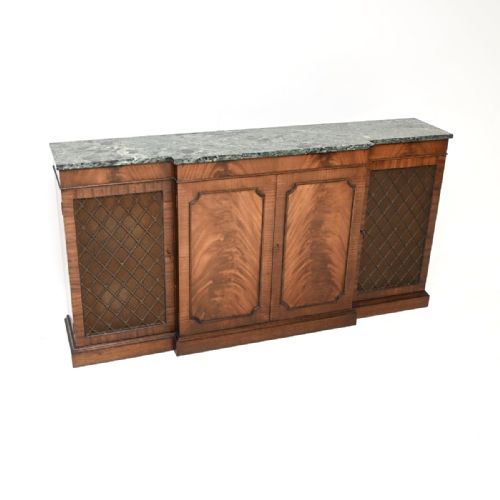
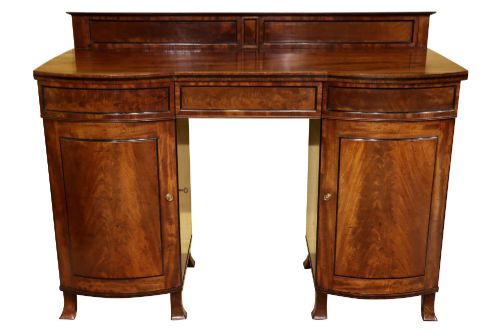
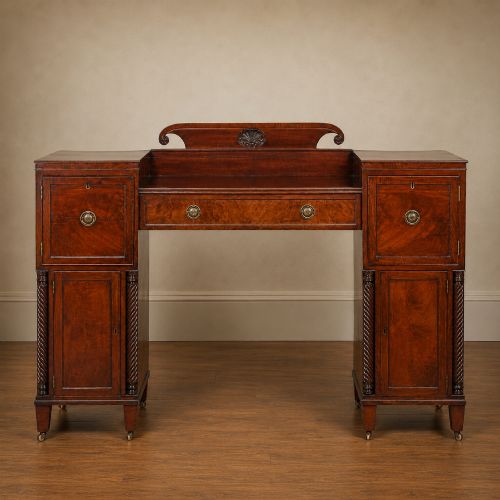
The pieces appearing on this page display distinct regional and chronological variations, including Scottish examples, bow-front shapes, and breakfront designs. Makers constructed these items using solid timbers and veneers to achieve both durability and decorative surface appeal.
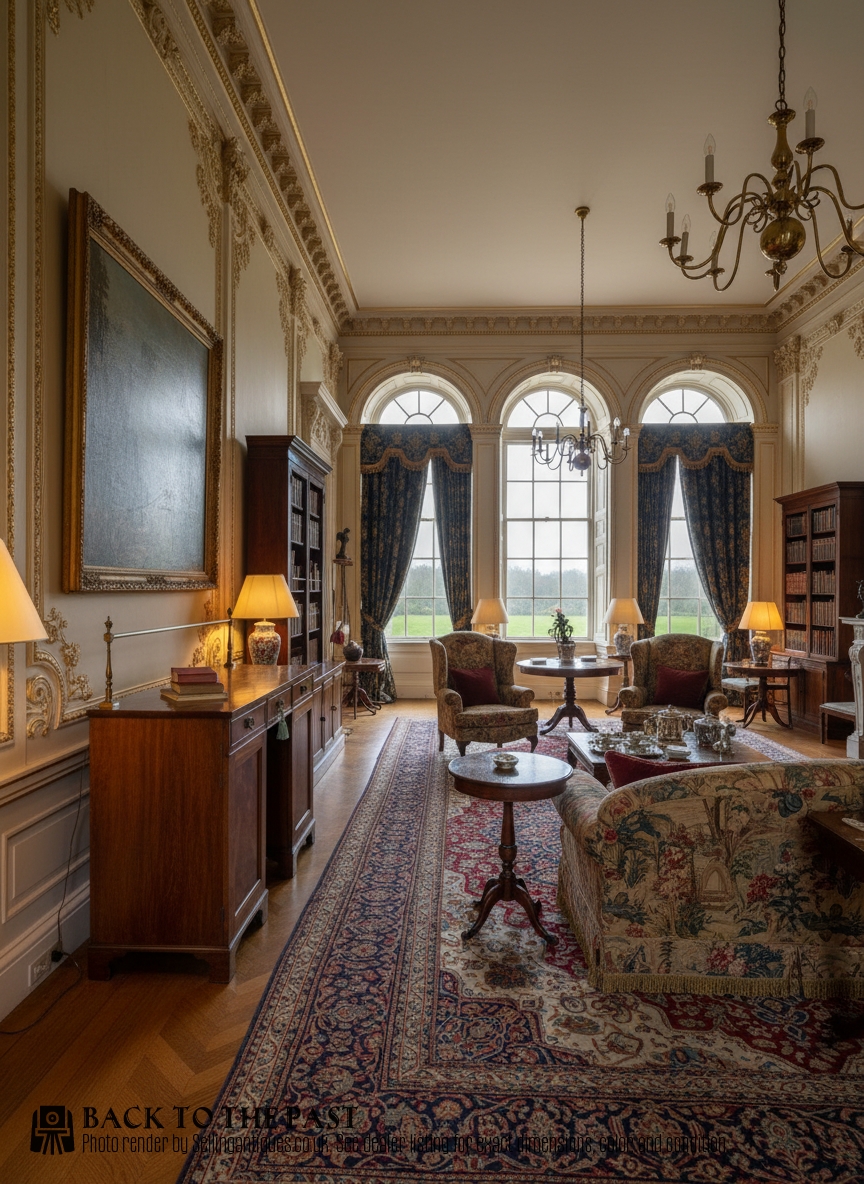
Distinctions in craftsmanship and design
The standard of a regency mahogany buffet depends heavily on the selection and book-matching of flame mahogany veneers across the drawer fronts and doors. Superior pieces display crisply carved elements, such as lion paw feet or classical mounts, rather than superficial applied mouldings.
Proportion and structural integrity also separate standard production from master craftsmanship, where balanced drawer arrangements and tight joinery ensure longevity and visual harmony.
Regency Mahogany Buffet Retail Price Guide 2026
Typical asking prices for regency mahogany buffet among the pieces listed under this phrase on Sellingantiques today, from the lower quarter to the upper quarter. They describe what is for sale here now, not the wider market.
Listings feature mahogany, flame mahogany veneer, boxwood, ebony, and marble across diverse nineteenth-century forms.
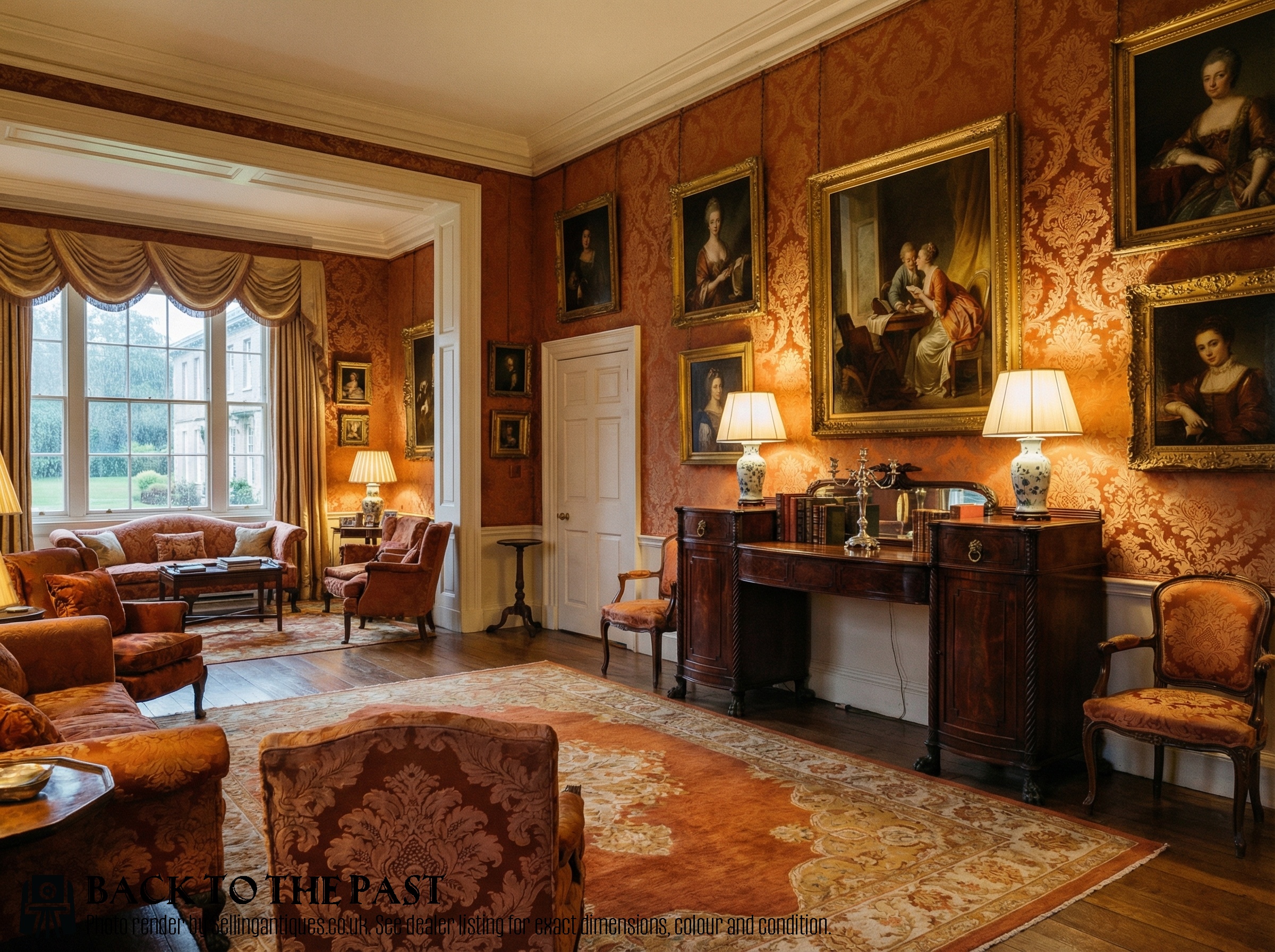
The Regency Mahogany Buffet Glossary
- Buffet
- A low side cabinet or tiered serving piece used for displaying plate and holding food or drink during meals. These items became central to nineteenth-century dining room architecture.
- Flame mahogany
- Timber cut to reveal a characteristic fiery, undulating grain pattern. Cabinet makers prized this veneer for principal facade surfaces.
- Chiffonier
- A compact enclosed sideboard or cabinet fitted with shelves and doors below. The form developed significantly during the Regency era for smaller drawing rooms and parlours.
- Breakfront
- A piece of furniture featuring a central section that projects forward from the flanking wings. This configuration creates architectural depth and breaks up long horizontal lines.
- Pedestal sideboard
- A design comprising two distinct pedestals joined by a central serving table or board. This layout dominated high-status dining rooms of the early nineteenth century.
Regency Mahogany Buffet: Frequently Asked Questions
What is a regency mahogany buffet used for?
A regency mahogany buffet functions primarily as a serving station and storage unit within a dining space. It accommodates plates, cutlery, linen, and serving dishes during large meals.
Beyond dining utility, the flat top surface and open tiers serve to display silver, glassware, and decorative ornaments in domestic interiors.
How do I identify a genuine Regency piece?
Authentic Regency furniture displays construction techniques appropriate to the early nineteenth century, including hand-cut dovetails and secondary timbers like oak or pine. The timber exhibits natural ageing and patination rather than artificial distressing.
Stylistic markers include classical proportions, restrained brass inlay, and native joinery methods that distinguish the period from later revival pieces.
Where should I place a buffet?
A buffet requires a substantial wall space within a dining room, hallway, or drawing room where its depth does not impede movement. Positioning it away from direct sunlight and heat sources protects the mahogany veneer and polished finish from drying out.
Sufficient clearance allows cabinet doors and drawers to open fully without obstruction from surrounding furniture.
How do I care for mahogany furniture?
Maintenance involves dusting regularly with a soft, dry cloth to prevent the accumulation of abrasive particles on the polished surface. Periodic application of quality beeswax feeds the timber and preserves its deep lustre without creating a synthetic buildup.
Avoiding excessive moisture and placing protective mats beneath hot dishes or wet glasses prevents permanent staining of the wood and veneer.