
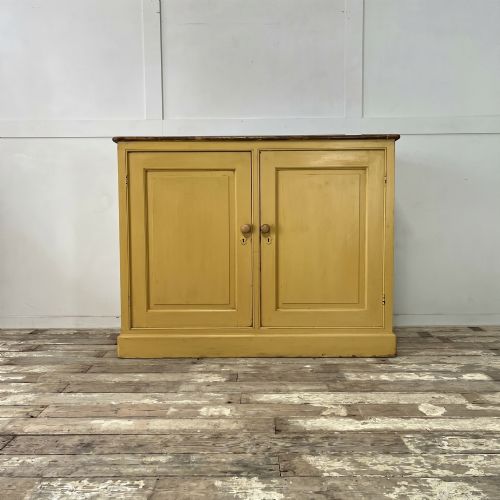
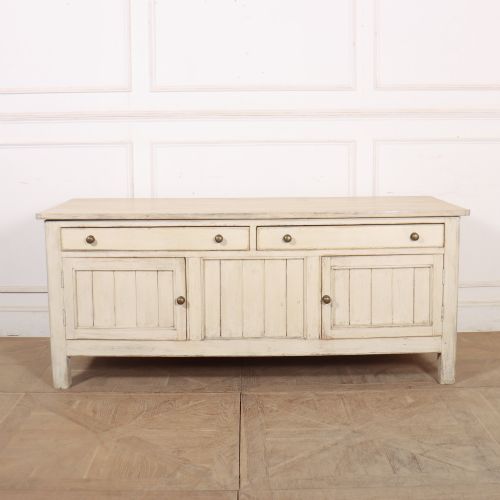

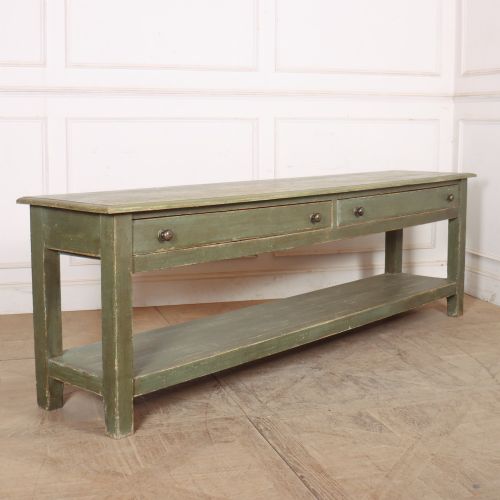
Painted Wood Sideboard
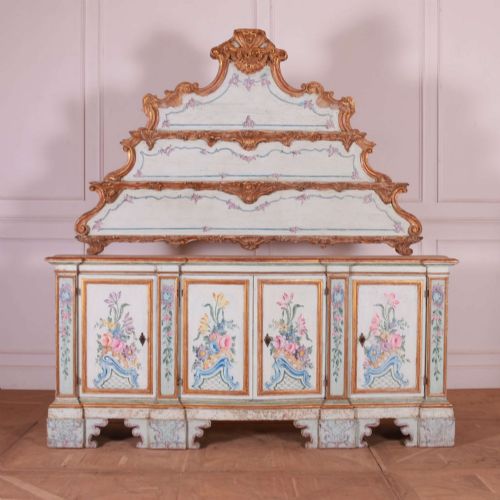
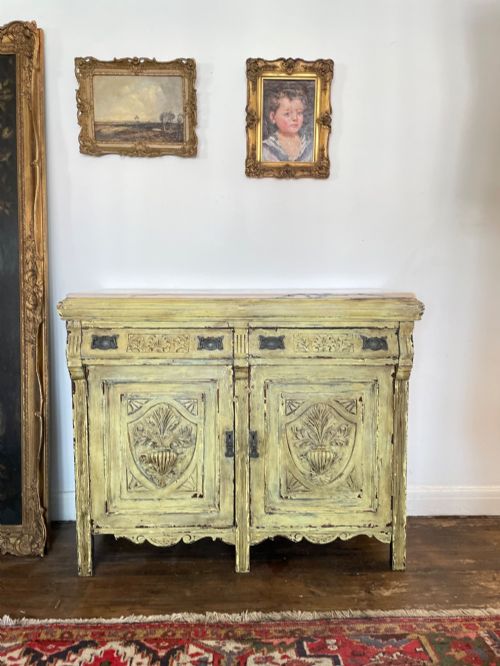
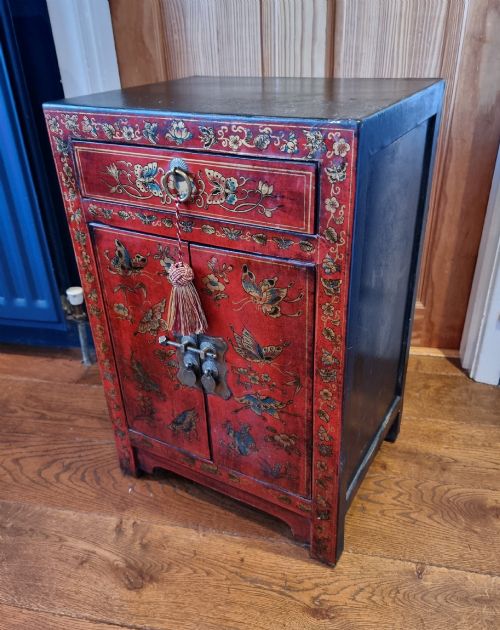
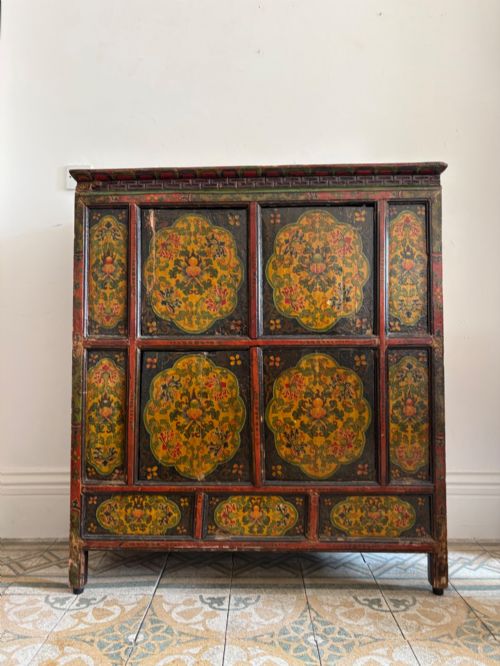
These painted wood sideboards bring colour and storage to a room, ranging from country pine bases to decorative Venetian and Chinoiserie cabinets.
Painted Wood Sideboard
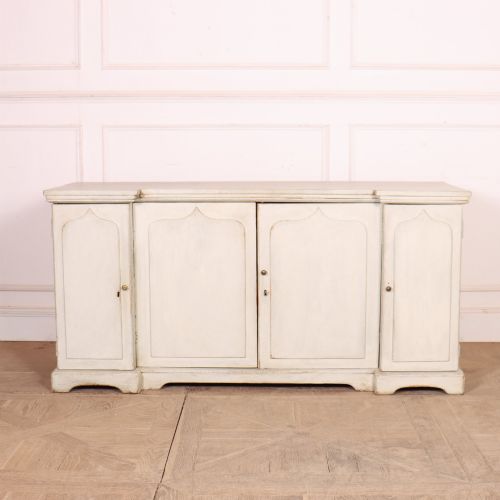
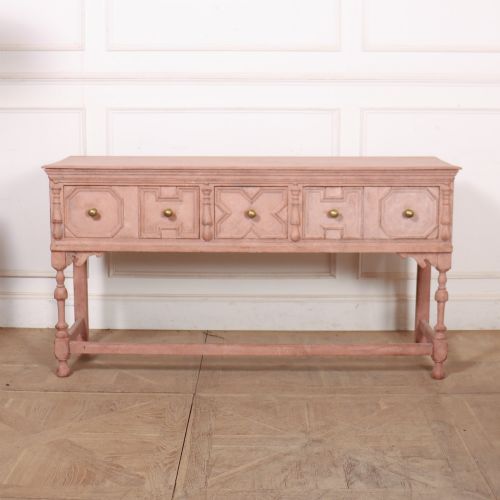
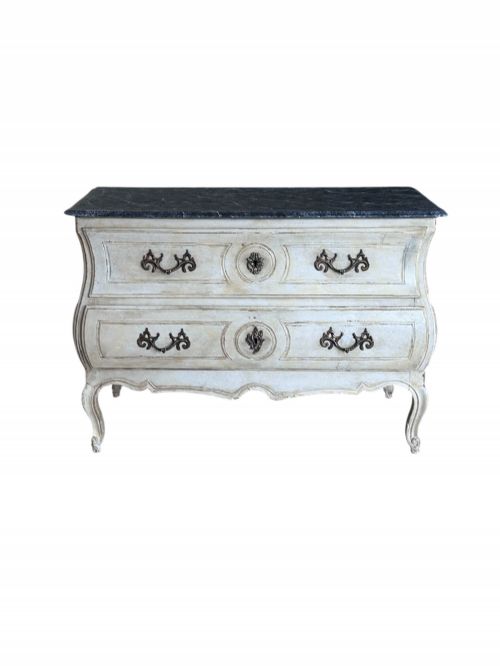
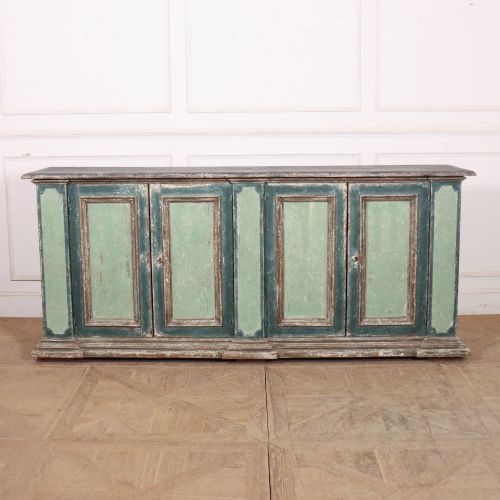
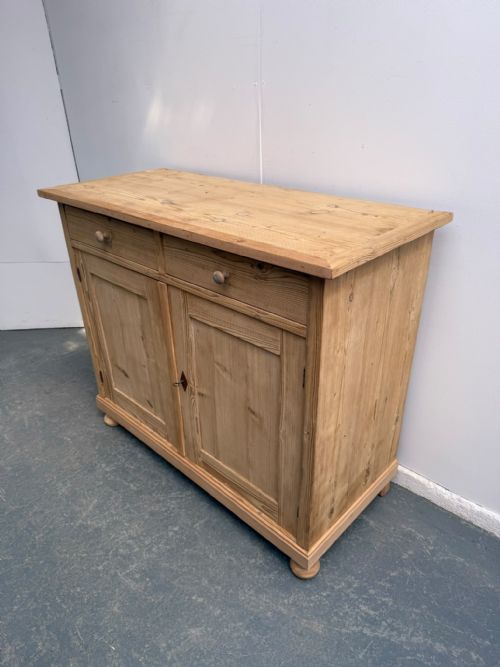
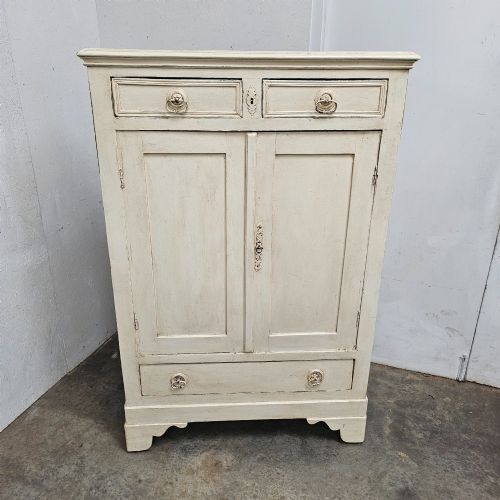
When you search for a painted wood sideboard, you encounter a variety of forms including dresser bases, serving tables, commodes, and cupboards. English country pieces and French provincial formats appear frequently alongside Italian and Scandinavian examples.
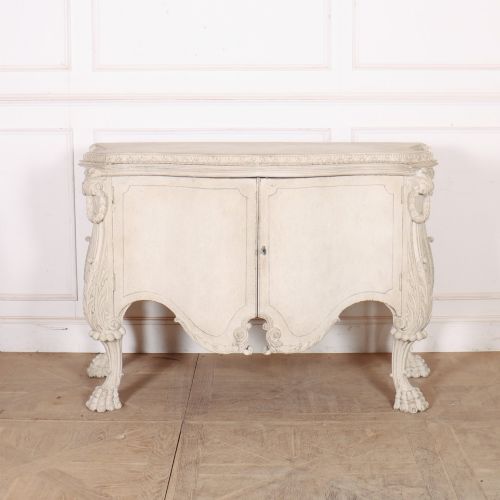
The selection spans several centuries, taking in 18th century commodes, Victorian pine school cupboards, and early 20th century cabinets. Regional vernacular pieces sit beside more formal decorative items with floral or Chinoiserie decoration.
Serving tables, potboard dressers, and linen cupboards all serve the broader function of storage and display within domestic interiors. Each period brings distinct proportions and timber choices to the traditional sideboard form.

Materials and construction
Makers utilised native softwoods and hardwoods, most notably pine and timber, constructing carcases with drawers, cupboards, and potboards. Iron and brass hardware such as hinges and handles complete the structural assembly.
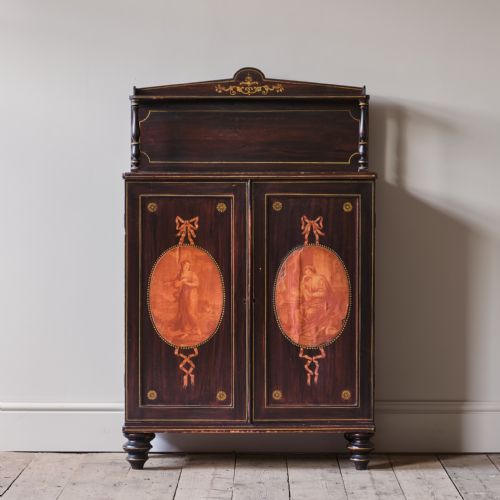
Surfaces received decorative treatments including hand painting, simulated rosewood paint, red lacquer, and ragwork finishes. Marble tops feature on certain Italian and French commodes, adding weight and a contrasting surface texture.
Painted Wood Sideboard Retail Price Guide 2026
Typical asking prices for painted wood sideboard among the pieces listed under this phrase on Sellingantiques today, from the lower quarter to the upper quarter. They describe what is for sale here now, not the wider market.
Barn finds occasionally arrive bearing decades of mystery dust alongside their pink marble tops.
Quality variations
The standard of execution in the painted surface distinguishes standard utility furniture from sophisticated decorative pieces. Original hand-painted floral motifs and layered patination carry more distinction than later or heavier repainting.
Joinery techniques and timber selection also separate the pieces, with solid pine carcases and hardwood details showing greater care in construction. Fine proportions and intact period hardware elevate the standing of a sideboard.
The Painted Wood Sideboard Glossary
- Dresser base
- A low sideboard or table featuring drawers and sometimes a lower potboard shelf, traditionally used in kitchens and dining rooms for food preparation and storage.
- Commode
- A low French or Italian chest of drawers or cabinet, often standing on short legs and finished with painted decoration or a marble top.
- Potboard
- An open lower shelf fitted between the legs of a dresser base or serving table, originally designed to hold pots and heavy kitchenware.
- Chinoiserie
- A decorative style reflecting European interpretations of Chinese art and motifs, frequently applied in hand-painted designs on cabinets and cupboards.
- Ragwork paint
- A specialist decorative paint technique where rags or cloths create a mottled, textured pattern across the wooden surface of a cupboard or piece of furniture.
Painted Wood Sideboard: Frequently Asked Questions
What is a painted wood sideboard?
A painted wood sideboard is a storage item encompassing dresser bases, serving tables, commodes, and cupboards finished with painted surfaces. These pieces serve dining rooms, hallways, and kitchens by providing surface space and enclosed storage.
Formats range from utilitarian pine cupboards to decorative Venetian and French commodes. The painted finish protects the timber while adding distinct colour and character to an interior.
How do I identify an 18th century piece?
Eighteenth century pieces typically display vernacular construction methods, hand-mixed paints, and specific regional proportions associated with English, French, or Italian workshops. The joinery often utilises hand-cut dovetails and pegged joints.
Surface patination develops over centuries of use, showing wear beneath the painted layers. Hardware such as hinges and pulls generally matches the period of manufacture.
Where were these sideboards used?
These sideboards originally served functional roles in country houses, farmhouses, kitchens, and formal reception rooms across Europe and beyond. Dresser bases and serving tables supported food preparation and tableware storage in domestic settings.
Cupboards and commodes held linen, dry goods, and household items in bedrooms and living spaces. Their robust construction suited daily use in busy domestic environments.
How do I care for a painted finish?
Caring for a painted wood finish involves dusting with a dry or slightly damp cloth and avoiding harsh chemical cleaning products. Keeping the furniture away from direct heat sources and strong sunlight preserves the paint layer.
Wax can protect certain waxed or unsealed painted surfaces, but advice depends on the specific type of paint used. Gentle maintenance ensures the historic surface survives intact.