


Distressed Pine Kitchen Table
A distressed pine kitchen table brings enduring utility and lived-in charm to any interior space, grounding the room with authentic period character.
Distressed Pine Kitchen Table
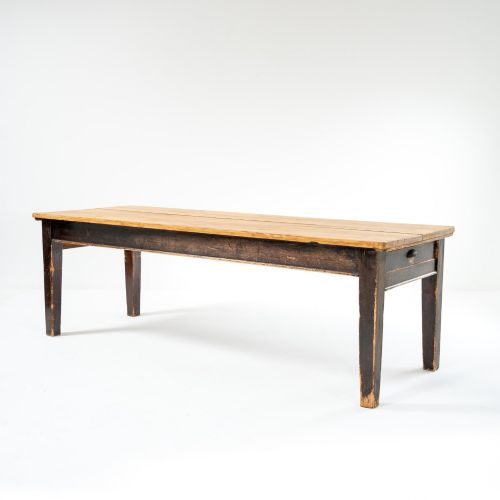
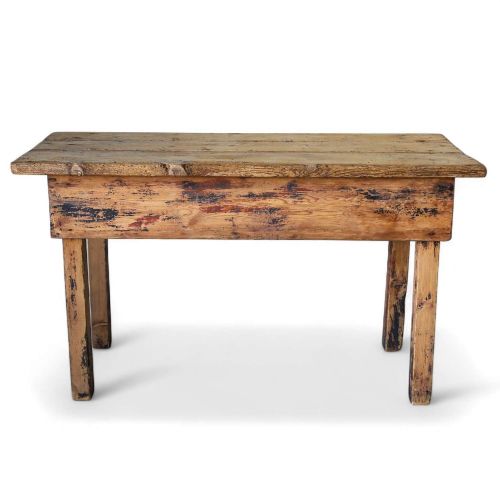
A distressed pine kitchen table is a utilitarian surface built for heavy domestic tasks, commonly found in formats from nineteenth century English and Welsh farmhouses to Swedish country kitchens. These pieces serve as the heart of a home, shaped by generations of daily use, preparation work, and family gatherings.
Buyers encounter a variety of regional forms on this page, including long harvest tables, drop-leaf tables, work tables, and bakers tables. The selection also encompasses related dining tables and painted dresser bases that share the same robust wooden construction.
The dominant aesthetic spans styles such as rustic farmhouse, Scandinavian country, and French country, reflecting practical domestic traditions across Europe. Most examples date from the nineteenth century, alongside eighteenth century George II items and early twentieth century pieces.
Materials and construction
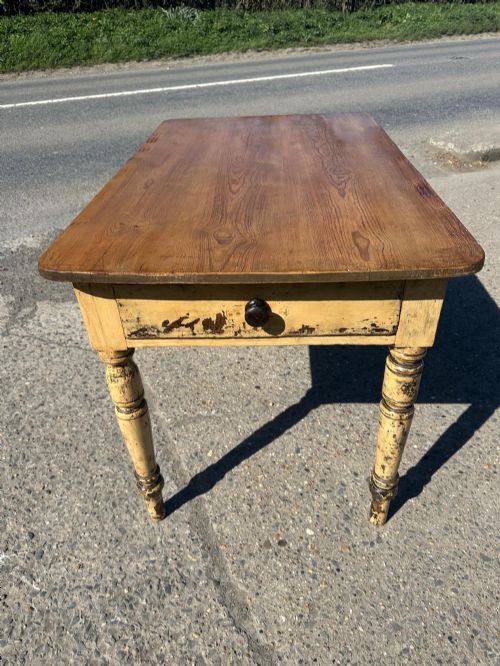
These tables rely primarily on solid pine and softwood timbers, selected for their availability and workability in vernacular furniture making. Additional structural and functional elements incorporate iron, cast iron, and brass fittings such as drawer pulls.
Surfaces frequently show layers of old paint, with original painted legs and distressed green finishes recording decades of domestic upkeep and redecoration. Joinery methods prioritise stability and durability over ornamental refinement, suiting the demands of busy work spaces.
Regional styles represented include English, Welsh, French, and Scandinavian country traditions, with several items retaining their original painted finishes.
Assessing quality
Quality in a distressed pine kitchen table rests on the integrity of its timber and the authenticity of its surface wear. Tables retaining their original paint layers and untouched structural joinery stand apart from pieces that have undergone heavy restoration or replacement of parts.
Proportion and scale also distinguish finer examples, particularly in longer harvest tables and substantial work tables designed for institutional or large kitchen use. The character of the timber grain, combined with the honest accumulation of marks and patination, defines the upper tier of these domestic items.
The Distressed Pine Kitchen Table Glossary
- Harvest table
- A long, narrow dining table traditionally used feeding farm labourers during seasonal harvests. These pieces offer exceptional length and seating capacity.
- Dresser base
- The lower section of a kitchen dresser featuring cupboards and drawers, utilised historically for food preparation and storage. They often double as serving surfaces.
- Drop leaf table
- A table with hinged flaps on either side of the main top that can be folded down to save space. This mechanism provided flexibility in smaller country kitchens.
- Bakers table
- A specialist work table featuring a smooth surface, frequently softwood or pine, used for kneading dough and pastry preparation. They often incorporate multiple drawers for utensils.
- Work table
- A utilitarian table built without decorative pretension, designed specifically for domestic or trade labour. These items show robust construction and practical proportions.
Distressed Pine Kitchen Table: Frequently Asked Questions
How do I clean a painted pine table?
Wipe surfaces gently using a soft, slightly damp cloth to remove everyday dust without disturbing historic paint layers. Avoid harsh chemical cleaners that can strip or soften the aged finish.
Dry the wood thoroughly immediately after cleaning to prevent moisture damage to the softwood. Periodic application of natural wax can help protect exposed pine areas while maintaining the matte patina.
Are these tables suitable for daily dining?
Most pieces in this category were constructed for rigorous everyday utility, making them exceptionally sturdy for modern family meals. Their robust pine frames easily handle the demands of heavy daily use.
Use protective mats under hot dishes and liquids to safeguard aged timber and original painted finishes. Embracing existing marks allows the history of the piece to continue evolving in your home.
How do I identify original paint?
Original paint typically exhibits natural thinning, micro-cracking, and consistent wear patterns accumulated over decades of use. Close inspection reveals layers that have bonded deeply with the underlying softwood.
Modern repaint jobs often sit heavily on the surface with uniform texture and lack the subtle colour variations found in genuine period finishes. Look for authentic signs of age around drawer edges and frequently touched areas.
What is the difference between a farmhouse and bakers table?
Farmhouse tables generally feature larger tops designed primarily for communal dining and general family life. They often display simpler stretcher bases and thicker legs suited to domestic gathering spaces.
Bakers tables are typically narrower and prioritised for food preparation, frequently including multiple drawers for tools and ingredients. Their design focuses on workspace efficiency rather than seating capacity.