

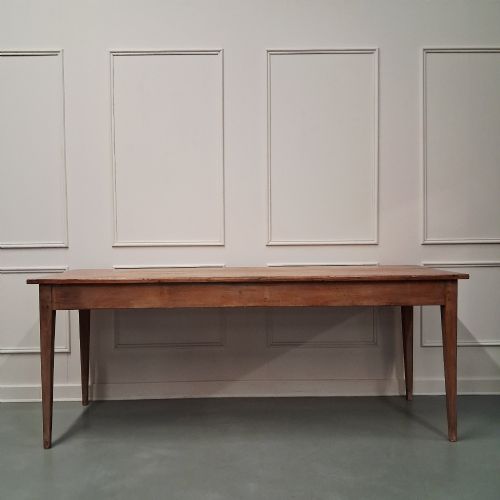
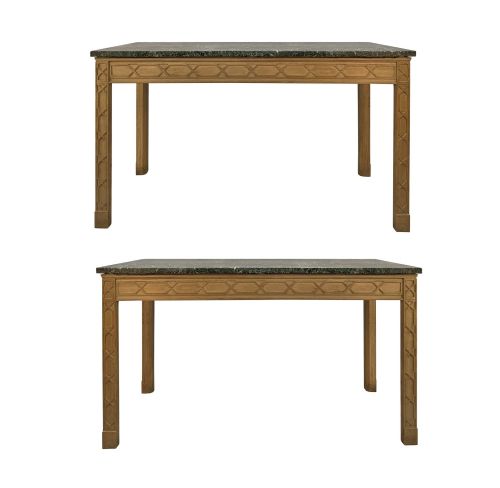
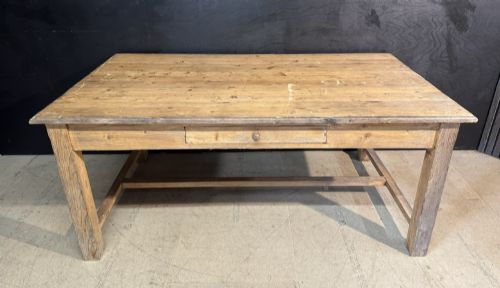
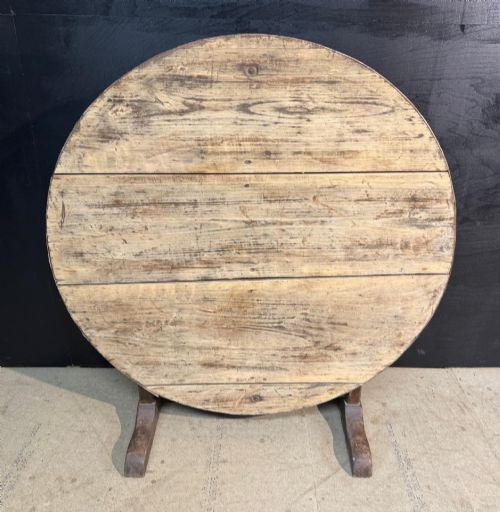
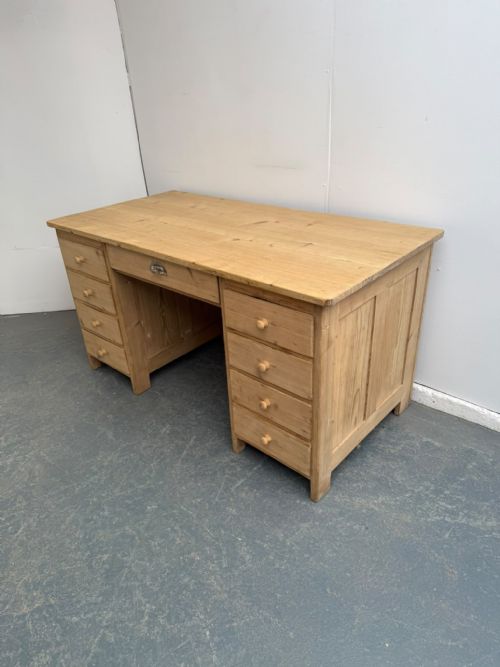


Natural Pine Top Table
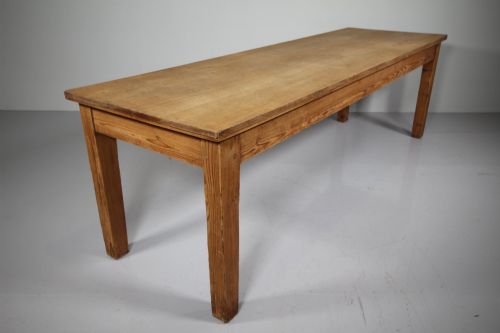
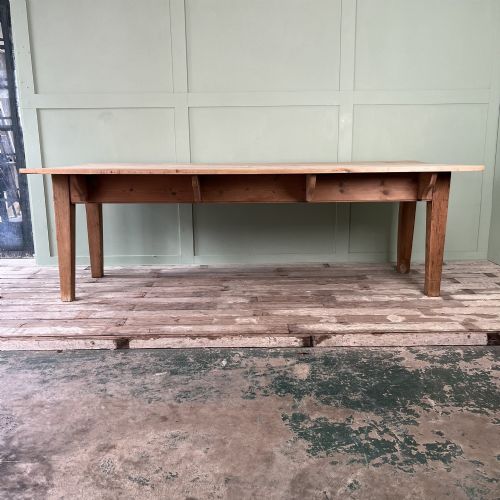
Natural pine top table pieces combine sturdy wooden construction with functional surfaces, offering a versatile centrepiece for daily dining or work.
Natural Pine Top Table
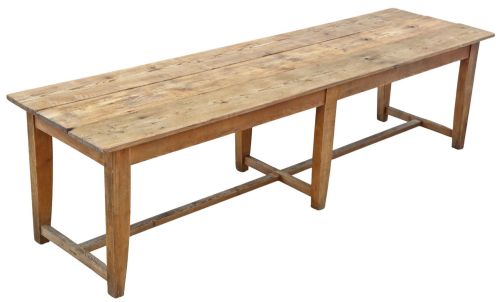
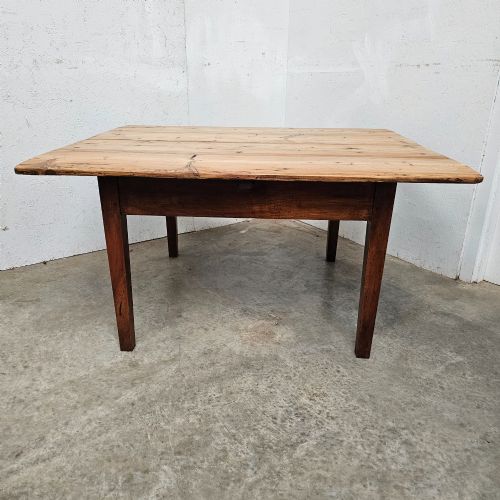
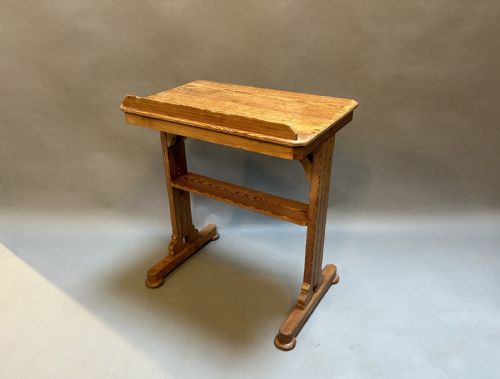
A natural pine top table brings functional utility and domestic history into a room, serving as a reliable surface for daily use. When searching for a natural pine top table, buyers encounter formats ranging from generous kitchen dining tables to compact coffee tables and desks.
The selection here draws primarily from nineteenth-century Victorian workshops alongside early twentieth-century examples. These pieces frequently manifest as rustic farmhouse tables, Welsh vernacular designs, and country dining surfaces featuring scrubbed timber tops.
Materials and Construction Methods
Makers utilised solid pine for the main body and tabletop, often pairing it with secondary woods such as sycamore, oak, or fruitwood for internal components and structural framing. Surfaces were typically scrubbed clean or left bare to highlight the natural grain, while lower frames and legs occasionally received coats of traditional paint.
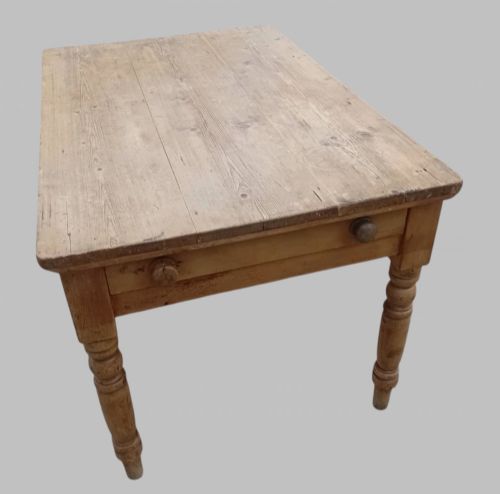
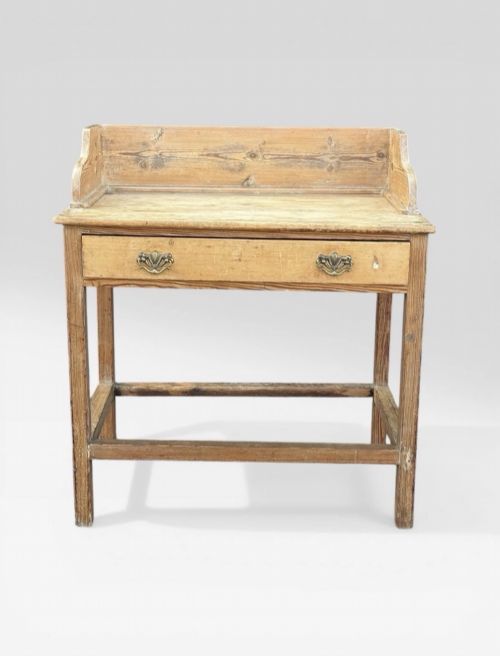
Joinery techniques relied on sturdy pegged or dowelled joints designed to withstand heavy domestic labour in kitchens and workshops. Many pieces incorporate functional additions such as single or multiple drawers constructed with hand-cut joints and fitted with brass hardware.
Natural Pine Top Table Retail Price Guide 2026
Typical asking prices for natural pine top table among the pieces listed under this phrase on Sellingantiques today, from the lower quarter to the upper quarter. They describe what is for sale here now, not the wider market.
Several tables retain accidental layers of old paint applied by generations of busy household cooks who simply fancied a change of colour.
Judging Quality and Character
Quality in these surfaces rests upon the thickness and maturity of the timber used for the top, alongside the integrity of the underlying frame. Tables retaining their original proportions and unclipped legs demonstrate superior survival through generations of domestic service.
The handling of the pine top itself dictates visual success, where repeated scrubbing over decades produces a smooth, undulating texture rather than thin, uneven wear. Integration of original painted bases or retained hardware further distinguishes pieces of higher distinction.
The Natural Pine Top Table Glossary
- Scrub top
- A tabletop finished by frequent scrubbing with water and stone, creating a pale, smooth surface free of modern varnish.
- Refectory table
- A long dining table traditionally built for communal eating, characterised by substantial length and structural stretchers.
- Washstand
- A small domestic table designed to hold a basin and jug, often fitted with a low splashback or shelf.
- Cricket table
- A small, light three-legged table originating in British vernacular tradition, offering stability on uneven floors.
- Upstand
- A low wooden barrier attached to the rear edge of a cabinet or washstand to protect walls from moisture.
Natural Pine Top Table: Frequently Asked Questions
How do I clean a scrubbed pine top?
Clean the surface using warm water and mild soap with a soft brush, following the direction of the wood grain. Avoid harsh chemical strippers that strip the natural patina accumulated over the nineteenth century.
Allow the timber to dry naturally away from direct heat sources to prevent warping or splitting in the old pine boards.
Are these tables suitable for daily dining?
These pieces were built precisely for domestic labour and dining, making them robust companions for contemporary kitchens and living spaces. Their sturdy construction handles daily meals and gathering with ease.
Use coasters and placemats to protect the historic wood from moisture rings and excessive heat while preserving the unvarnished finish.
How do I date a Victorian pine table?
Examine the construction methods beneath the tabletop, including the style of drawer joints and the type of fixings used by the maker. Hand-cut elements and traditional timber shrinkage offer reliable indicators of nineteenth-century origin.
Compare the wear patterns and tool marks against documented examples from the Victorian period to narrow down the decade of manufacture.
What is the difference between farmhouse and refectory tables?
Farmhouse tables generally offer standard proportions suited for family kitchens, often including integrated drawers for utensils. They reflect vernacular domestic needs from the Victorian era.
Refectory tables are considerably longer and narrower, designed originally for communal dining halls with recessed legs and sturdy stretcher rails.