




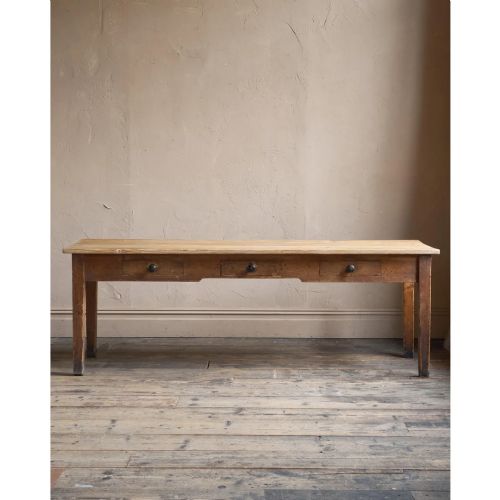

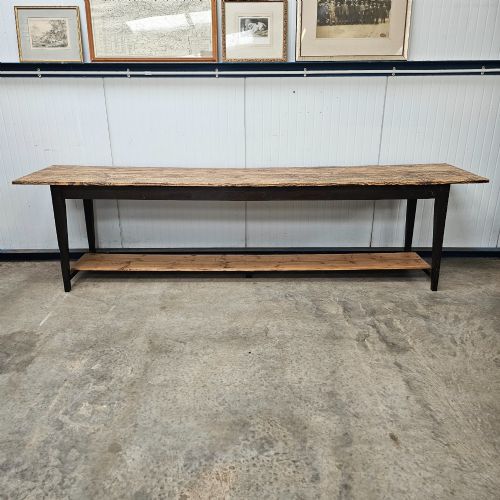


Antique Wooden Kitchen Island
These antique wooden kitchen island pieces bring genuine utility and timeworn character to any domestic interior.
Antique Wooden Kitchen Island
An antique wooden kitchen island search brings up robust preparation surfaces, heavy workbenches, and extended work tables designed for demanding daily tasks. These forms originate from distinct regional traditions, spanning French provincial workshops to Scandinavian domestic spaces.
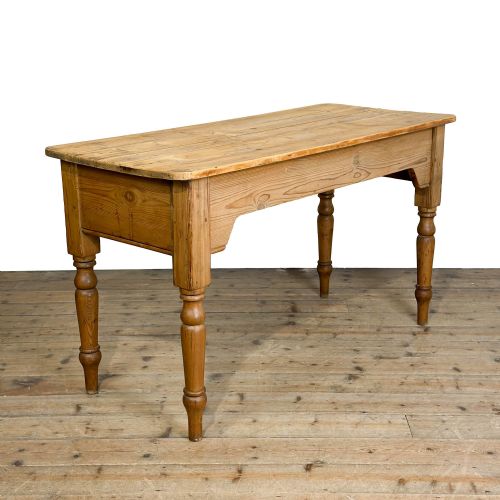
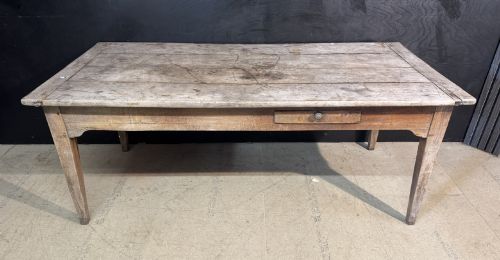
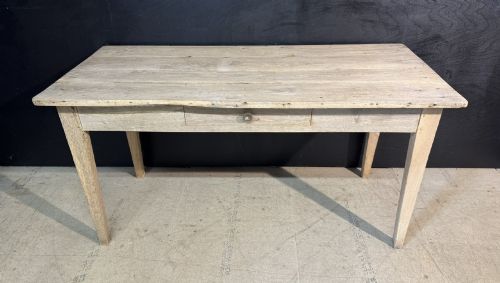
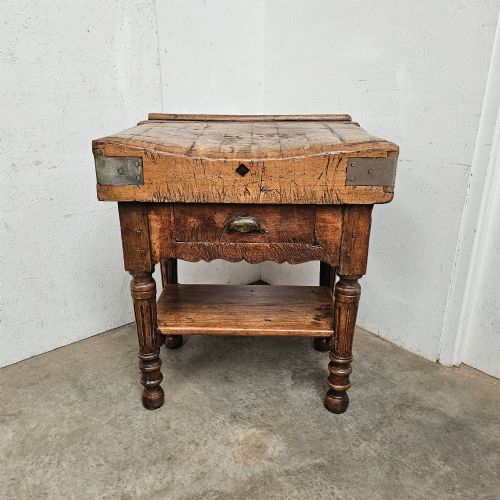
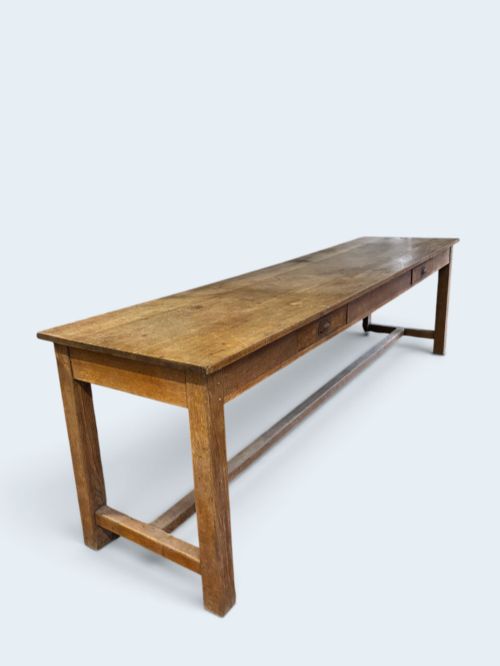
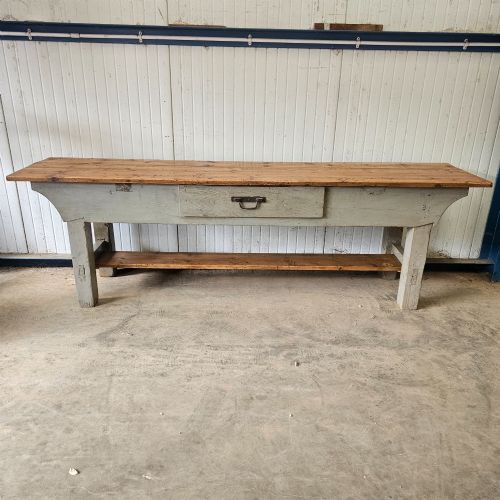
The pieces catalogued here include French painted drapers tables, oak two-tier work tables, and artisans workbenches complete with vices. Buyers will also encounter nineteenth-century pine kitchen tables fitted with storage drawers alongside Swedish dining preparation tables.
Examples date from the nineteenth century, including specific items from eighteen eighty, reflecting a practical history of food preparation and trade work. Each piece offers a distinct structural footprint suited to modern culinary spaces that demand solid timber construction.
How they were made
Construction relies heavily on durable timbers such as pine, oak, and painted softwood, chosen for their resilience under heavy loads. Joinery techniques prioritise functional strength, utilising thick tabletops and sturdy underframes designed to withstand rigorous daily use.
Additional hardware elements incorporate cast iron mechanisms, ceramic components, and painted wood finishes that protect the underlying material. Artisans built these tables for endurance, integrating functional additions like wooden vices and integrated storage drawers directly into the structural frame.
Antique Wooden Kitchen Island Retail Price Guide 2026
Typical asking prices for wooden kitchen island among the pieces listed under this phrase on Sellingantiques today, from the lower quarter to the upper quarter. They describe what is for sale here now, not the wider market.
Current listings feature nineteenth-century pine, oak, and painted softwood pieces originating from French and Scandinavian traditions.
What varies in quality
Quality differences emerge in the selection of primary timbers and the integrity of the original joins across the framework. Heavier oak and dense nineteenth-century pine specimens exhibit superior structural permanence compared to lighter softwood alternatives.
The preservation of original functional elements, such as integrated vices, working drawers, and authentic painted finishes, separates ordinary utility tables from exceptional examples. Patina accumulated through decades of preparation work adds depth to the surface, reflecting honest historical use.
The Antique Wooden Kitchen Island Glossary
- Drapers table
- A long, narrow table traditionally used for displaying and measuring cloth, featuring lower tier shelving for storage. These surfaces translate well into modern culinary spaces as elongated preparation stations.
- Workbench
- A heavy-duty wooden table fitted with a mechanical vice for holding timber or metal steady during artisanal labour. In a kitchen setting, this provides a sturdy, utilitarian surface with unique historical character.
- Preparation table
- A dedicated wooden surface utilised for food assembly and domestic chores prior to fitted kitchens. They often feature generous tabletop space and integrated drawers for culinary utensils.
- Softwood
- Timber derived from conifers, such as pine, which forms the carcass or painted base of many practical nineteenth-century tables. It offers a lighter weight while maintaining adequate structural stability for domestic work.
Antique Wooden Kitchen Island: Frequently Asked Questions
How do I use an antique work table in a modern kitchen?
These wooden pieces function primarily as freestanding preparation stations, offering expansive surfaces for cooking and baking tasks. Their lower tiers and drawers provide accessible storage for kitchen implements and dry goods.
Positioning the table centrally allows 360-degree access, mimicking the utility of a fitted island without permanent installation. The diverse heights and proportions accommodate both standing food prep and casual seating arrangements.
What timber types are typical for these islands?
Pine and oak dominate the construction of these nineteenth-century preparation and work tables. Oak provides exceptional density and structural load-bearing capacity for heavy tasks.
Pine offers a lighter alternative, frequently found painted or sealed against moisture. Cast iron and ceramic elements occasionally appear in structural hardware and integrated vices.
How do I distinguish French provincial from Scandinavian pieces?
French provincial and drapers tables often display warmer oak tones, decorative painted finishes, and lower tier shelving designed for display. They lean towards decorative rustic charm suited to traditional interiors.
Scandinavian preparation tables generally feature minimalist lines, pale nineteenth-century pine, and an emphasis on stark utility. The joinery and form reflect utilitarian demands specific to Nordic domestic traditions.
Are these tables suitable for heavy food preparation?
Nineteenth-century workbenches and kitchen tables were originally engineered for rigorous daily labour, making them exceptionally robust. Thick timber tops absorb impact and resist the demands of active chopping and kneading.
Applying appropriate oil or wax finishes protects the historical wood from moisture and food stains during daily use. The inclusion of integrated vices on specific artisan models further demonstrates their heavy-duty utility.