
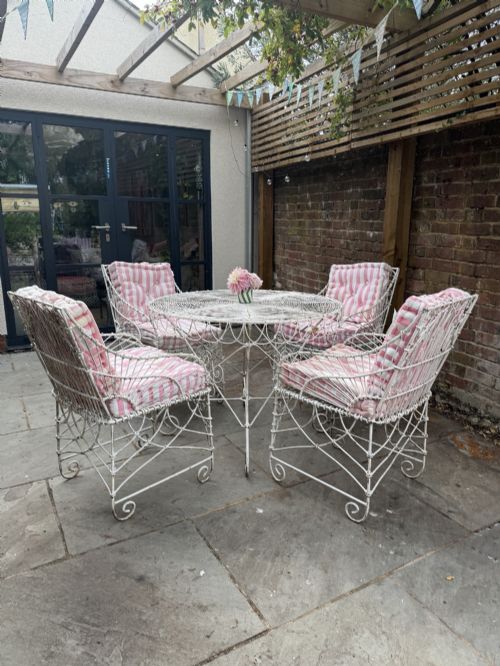
Vintage French Work Table
A vintage french work table brings honest utility to a room, offering robust surfaces shaped by trade and domestic craft.
Vintage French Work Table
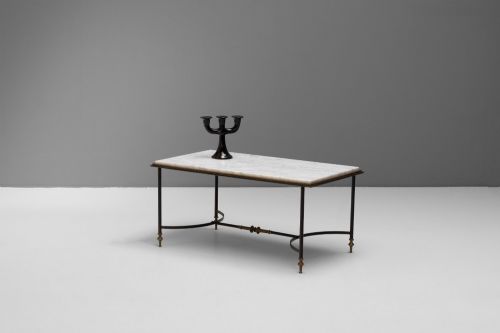
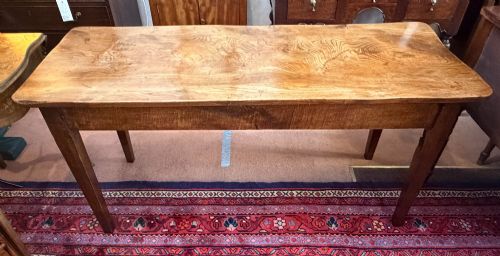
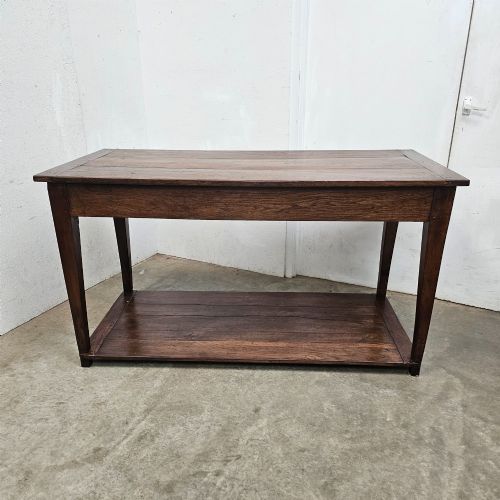
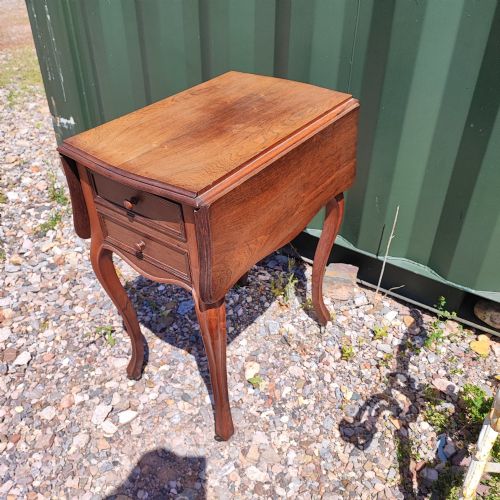
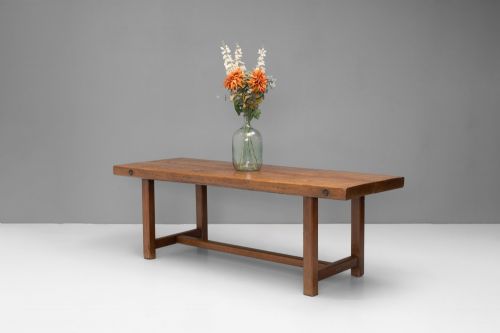
When you search for a vintage french work table, you encounter robust domestic and trade furniture originating from nineteenth and early twentieth-century France. These pieces span sturdy oak drapers tables, pine dining formats with drawers, and specialised iron-framed artisan benches.
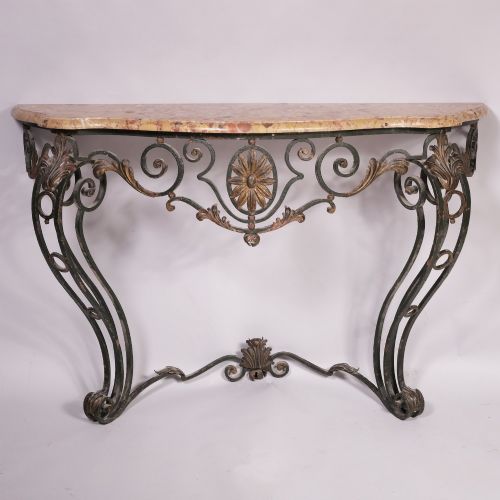
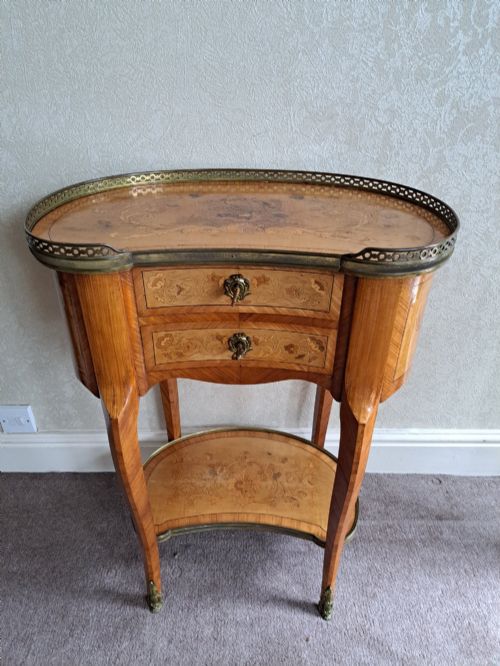
The selection here frequently includes utilitarian forms like two-tier florists tables and watch makers tables alongside broader farmhouse tables. Materials range from solid oak and pine to wrought iron and marble tops, reflecting practical workspace demands rather than formal parlour display.
How They Were Made
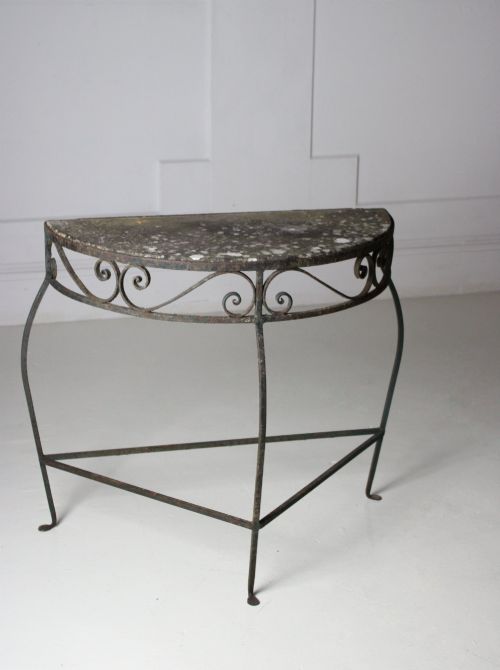
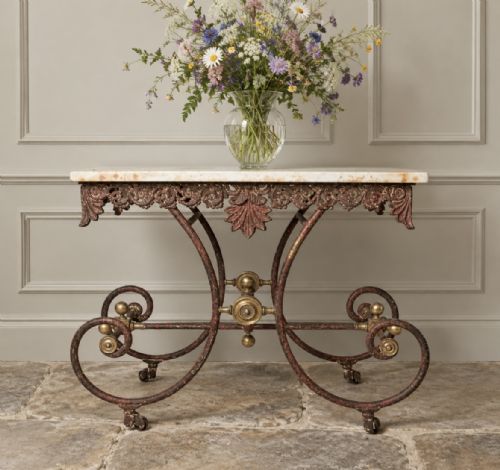
Construction relies heavily on dense timbers such as oak and pine, frequently joined to robust metal elements like cast iron, wrought iron, and brass. Many examples integrate stone, zinc, or marble surfaces directly into wooden or metal frames to withstand heavy daily use.
Makers utilised traditional joinery alongside functional metalwork, incorporating vises, drawers, and multiple tiers to meet the specific requirements of tailors, drapers, and artisans.
Some work tables retain the faint grease marks and ink stains left behind by nineteenth-century artisans who forgot to wipe their benches before lunch.
What Varies in Quality
Quality rests in the integrity of the original construction and the preservation of authentic surface patinas accumulated through decades of trade use. Superior pieces maintain their original structural hardware, such as integrated vises, original timber tops, and uncompromised iron frameworks.
Lesser examples may show unsympathetic timber replacements or heavy structural alterations that strip away the utilitarian character inherent to authentic workshop furniture.
Lacroix Lalique·Schneider·Daum·Degue
The Vintage French Work Table Glossary
- Drapers Table
- A long, wide table historically utilised for measuring and cutting fabric. These tables often feature deep timber boards and substantial frames.
- Wrought Iron
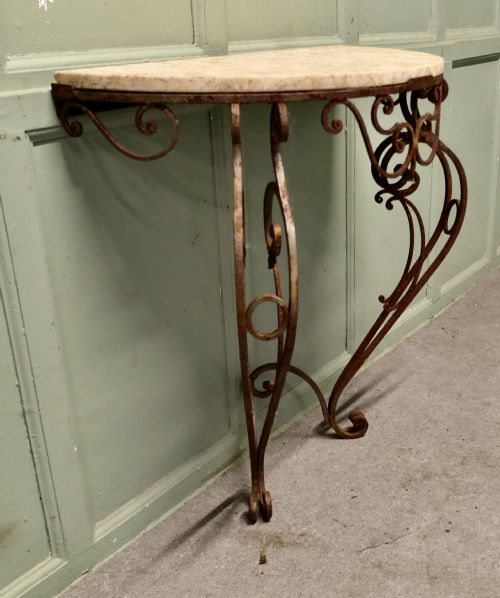
- Iron that has been heated and shaped by hand tools. This material provides durable support for heavy marble or timber tops on industrial tables.
- Pine
- A softwood commonly used in utilitarian French furniture construction. It offers a pale grain that absorbs historical wear and patination distinctly.
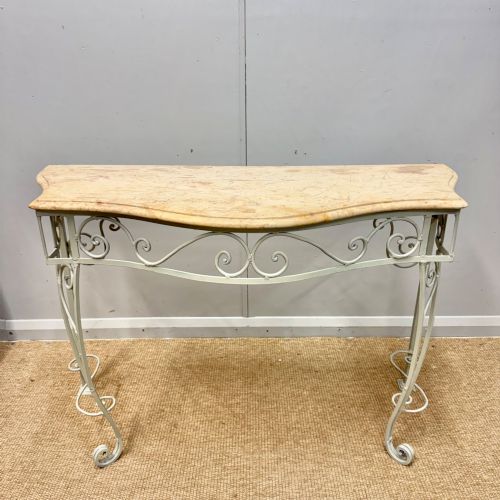
- Console Table
- A table designed to stand against a wall, frequently topped with marble or stone. These forms appear often in hall and garden settings.
Vintage French Work Table: Frequently Asked Questions
What is a vintage french work table?
A vintage french work table is a sturdy utilitarian surface built for trade or domestic tasks in France during the nineteenth and early twentieth centuries. These pieces encompass drapers tables, watch makers benches, and florists tables.
Built from woods like oak and pine combined with iron or marble, they were designed for heavy daily labour rather than formal decorative use.
How were work tables used historically?
Craftsmen, merchants, and domestic workers utilised these tables for cutting cloth, assembling timepieces, arranging flowers, and preparing food. Their robust frames and large surfaces accommodated demanding physical tasks.
Drawers and lower tiers kept tools and materials close at hand during long hours of trade work.
How do I style a work table at home?
Place a vintage french work table in a kitchen or living space where its honest materials and generous surface area can be fully appreciated. Pairing the timber or stone top with simple seating creates a functional focal point.
Letting the original patina remain visible allows the history of the piece to complement contemporary interiors.
How do I identify the period of a table?
Dating relies on observing material combinations, construction techniques, and stylistic cues from nineteenth-century and early twentieth-century eras. Hand-forged ironwork, pegged timber joints, and specific wood types provide clear chronological indicators.
Comparing the hardware and overall form to verified archive examples helps confirm the age of each piece.