

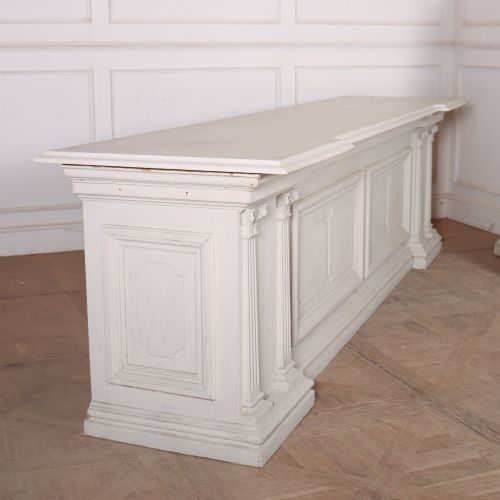
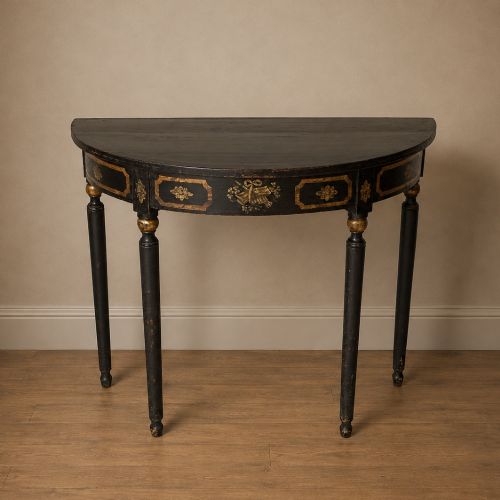
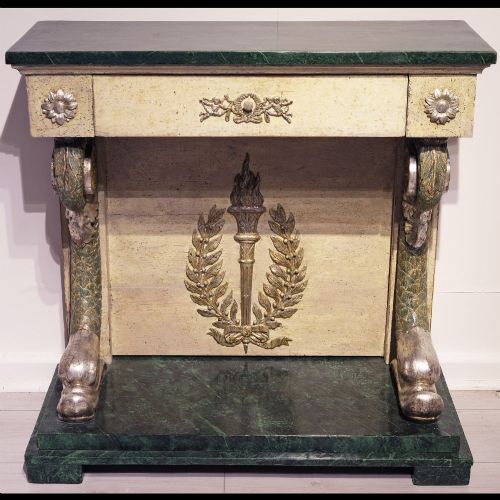
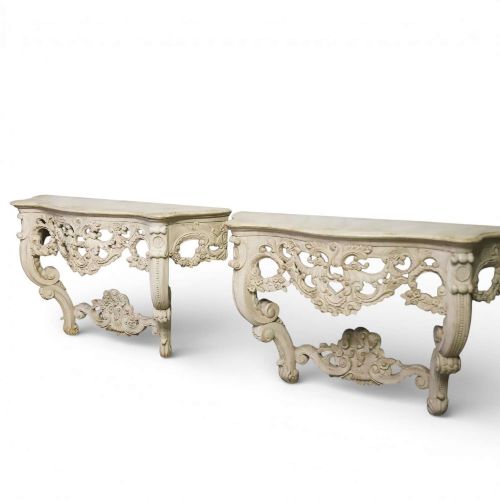

Painted Wood Console Table
A painted wood console table brings sculptural presence and surface colour to a hallway or drawing room.
The Painted Wood Console Table
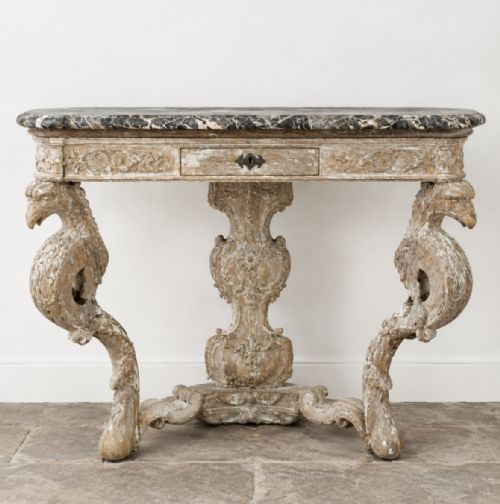
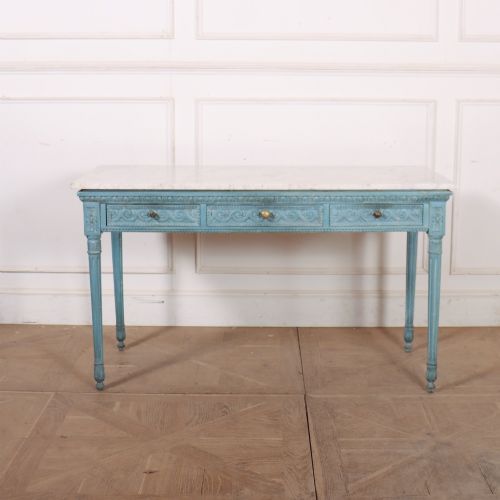
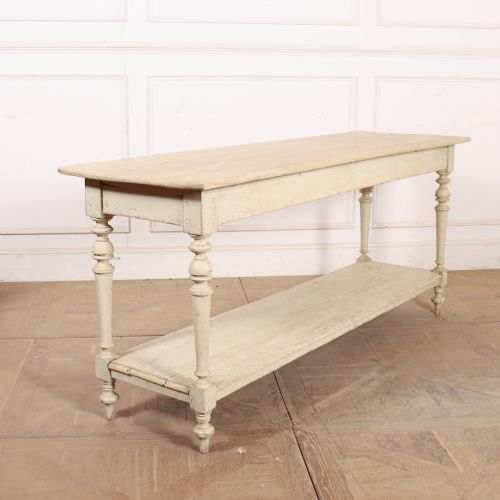
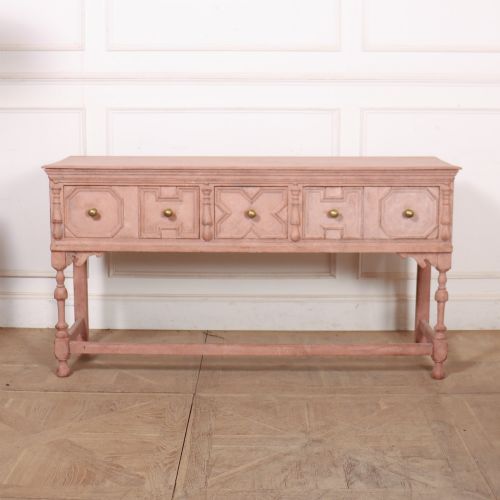
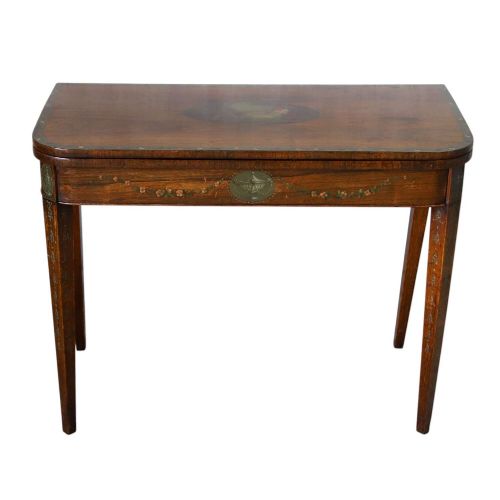
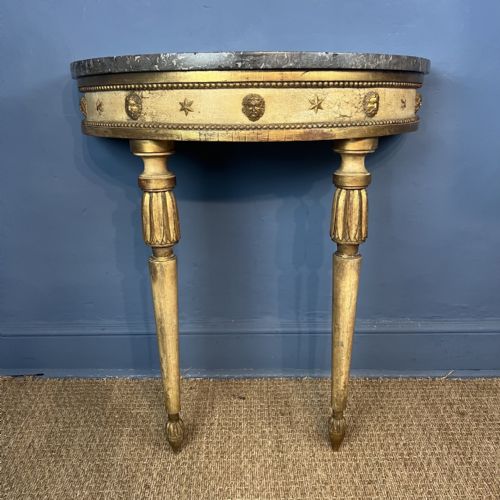
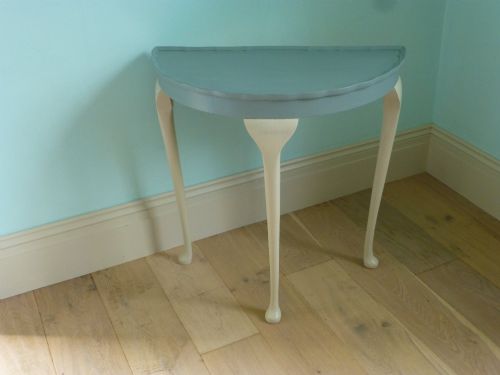
A painted wood console table offers a decorative surface designed to stand against a wall, frequently seen in French, English, and Italian interpretations across the eighteenth and nineteenth centuries. These pieces encompass forms ranging from demi-lune card tables to large serving tables and drapers tables, often incorporating carved detail.
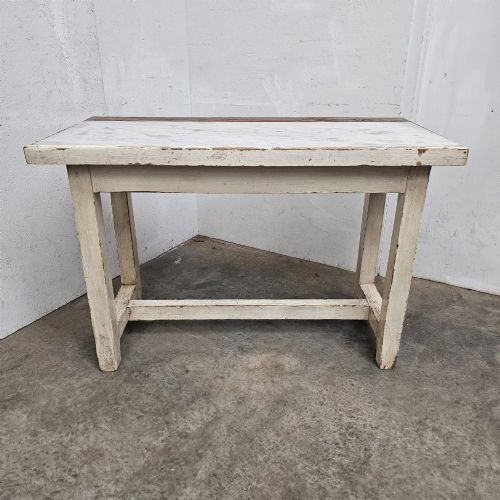
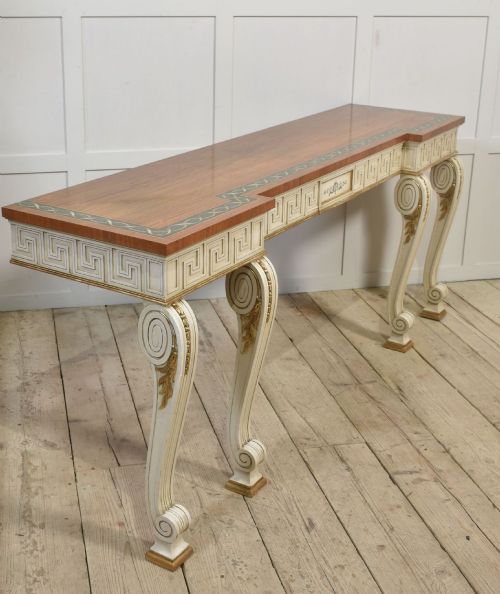
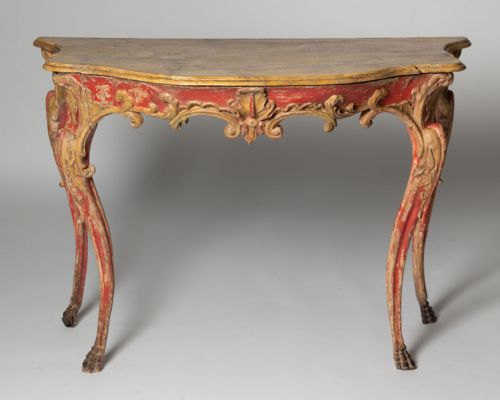
The pieces appearing on this page span the 18th century, 19th century, and Victorian periods, with French Rococo, Louis XVI, Neoclassical, and English Country styles frequently represented. Buyers will discover both slender console tables and wider serving or potboard variants designed for domestic utility and display.
Originating from diverse European workshops, these tables combine functional furniture forms with applied surface ornament. The integration of painted finishes with materials like marble, brass, and giltwood demonstrates the versatility of the console format across multiple decades.
Materials and Construction
Makers constructed these tables primarily from wood, including oak, satinwood, and harewood, frequently applying layers of paint, gesso, and giltwood to the exterior surfaces. Carved wood details define the structure of many examples, showing hand-chiselled ornamentation on legs, aprons, and friezes.
Surfaces often feature hand-painted decoration, sometimes combined with inset marble tops in Sienna or decorative stone varieties. Brass elements appear as hardware or structural accents, complementing the layered paint finishes that range from distressed patination to parcel gilt highlights.
Retail Price Guide 2026
Typical UK retail prices for painted wood console table, calculated from the Sellingantiques database of over a million retail prices indexed since 2003. This retail price guide relies exclusively on Sellingantiques data; no external sources or auction records are used, so the figures do not describe the wider market.
Console tables appear alongside related forms including serving tables, drapers tables, and dressers from English and French origins.
Distinctions in Quality
Quality rests in the crispness of the carved wood details and the integrity of the original paint surface, where untouched historic layers command greater interest than later repainting. The execution of hand-painted motifs on satinwood or pine demonstrates the maker's skill level.
Structural refinement shows in the joinery of the frame and the harmonious proportions of shaped demi-lune or serpentine tops. The inclusion of high-grade inset marble slabs and well-preserved parcel gilt accents further elevates the standing of an individual table.
The Painted Wood Console Table Glossary
- Console table
- A table supported by wall brackets or console legs, designed to stand flush against a wall. These pieces often feature decorative aprons and serve as display surfaces in formal rooms.
- Demi-lune
- Half-moon shape, commonly applied to the tops and frames of card tables and console tables. This silhouette allows the piece to sit tightly against a flat wall.
- Gesso
- A plaster-like mixture applied to wood surfaces to create a smooth base for painting or gilding. It allows for intricate relief ornamentation before the final finish is applied.
- Serpentine
- A line or surface that curves outward and then inward, resembling the shape of a snake. It adds dynamic movement to the front edge of a table.
Frequently Asked Questions
Where should I place a console table?
These tables suit hallways, entryways, and living rooms where floor space is limited yet a decorative surface is required. Their shallow depth allows them to sit neatly against walls without obstructing walkways.
They also function effectively beneath mirrors or artwork, providing a focal point for displaying ceramics, lamps, or small decorative objects.
How do I care for a painted wooden surface?
Dust the surface regularly with a soft, dry cloth to prevent the accumulation of dirt on the historic paint layers. Avoid harsh chemical cleaners or excessive moisture, which can damage aged finishes and gesso.
Place protective felt pads under any objects set upon the table to prevent scratching the painted wood or marble top.
What is the difference between a console and a serving table?
Console tables are primarily decorative furniture pieces designed to stand against a wall, frequently featuring shaped tops and elaborate carved supports. Serving tables are typically larger and heavier utility pieces designed for dining rooms.
While both share similar eighteenth and nineteenth-century origins, serving tables often incorporate sturdier underframes, such as potboards, for holding tableware.
How can I identify a French style table?
French style tables, particularly those influenced by Louis XVI or Rococo designs, frequently feature carved cabriole legs, floral motifs, and parcel gilt highlights. The use of marble tops is also common in continental European examples.
English country or Sheraton revival pieces tend to utilise cleaner lines, satinwood veneers, and more restrained painted decoration.