

Georgian Server Table
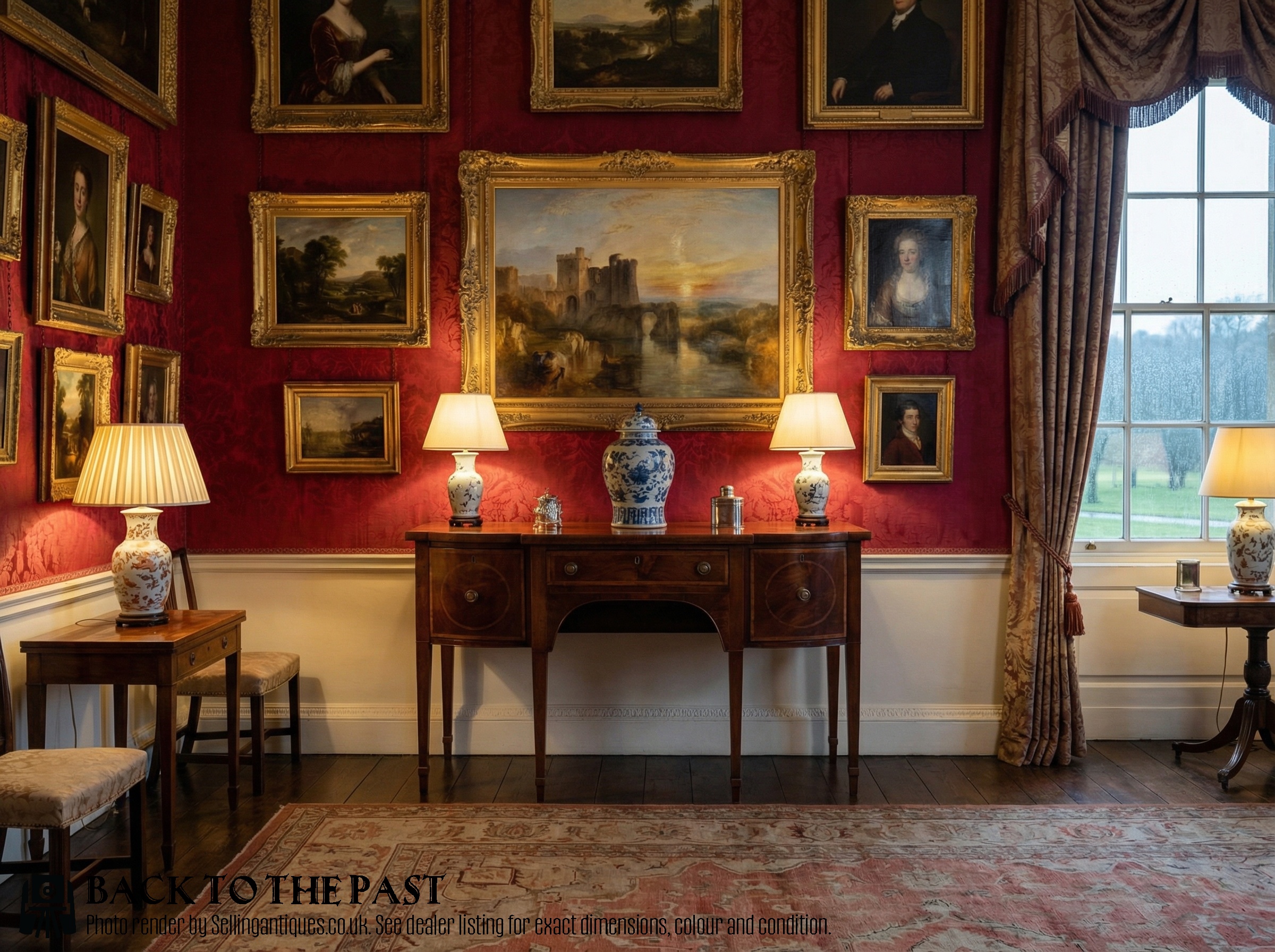
A georgian server table provides generous surface space for serving food and drink, combining functional utility with stately period presence.

Georgian Server Table
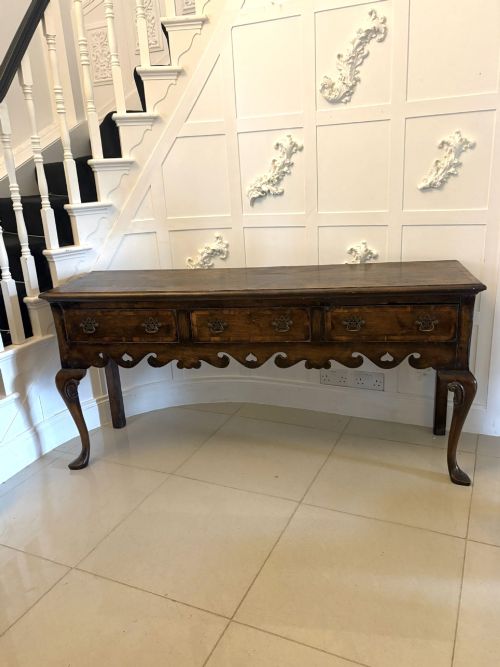
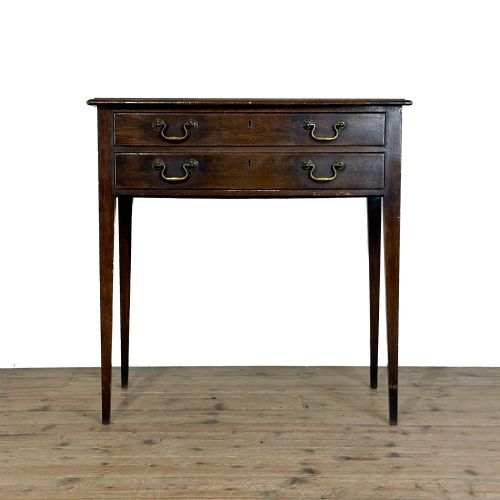
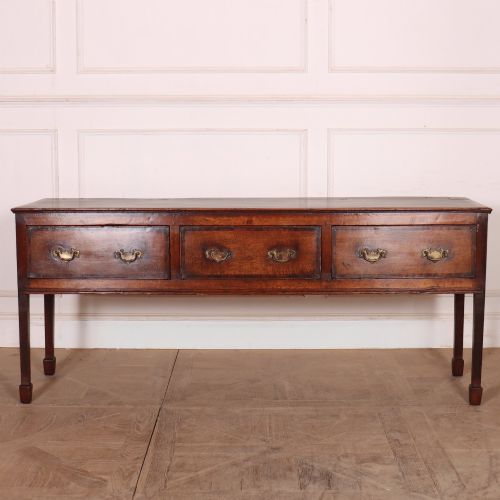
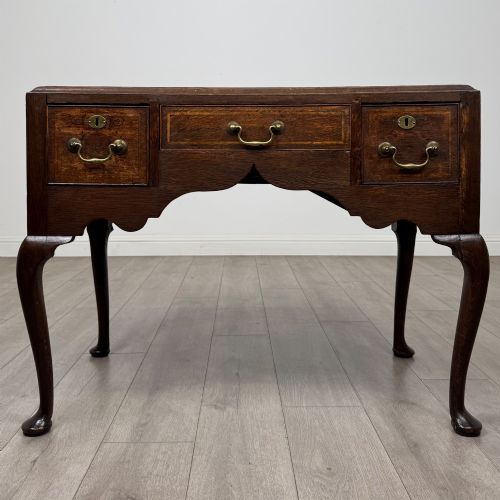
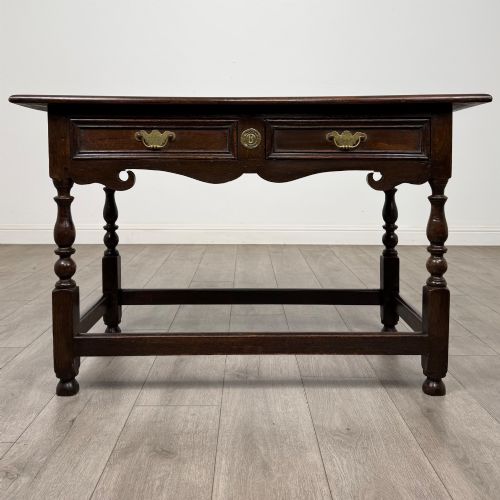
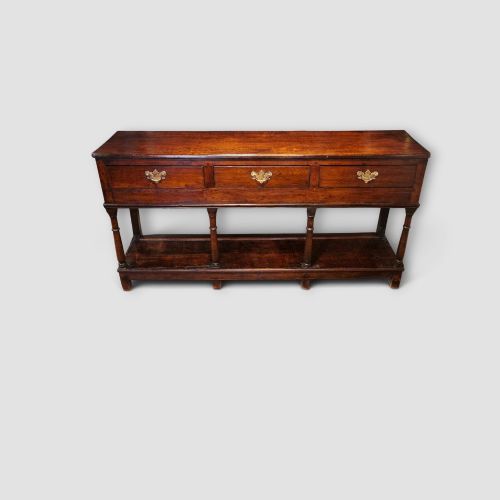
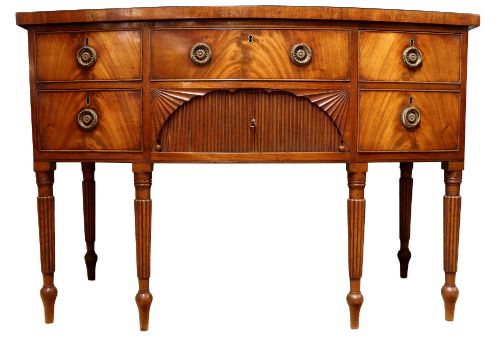
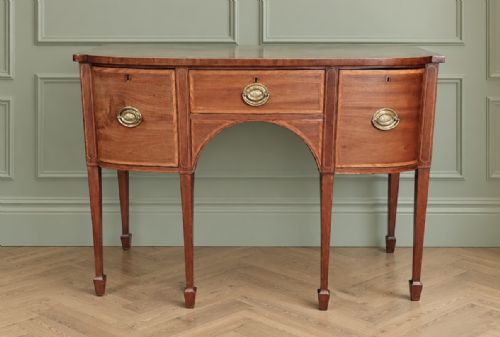
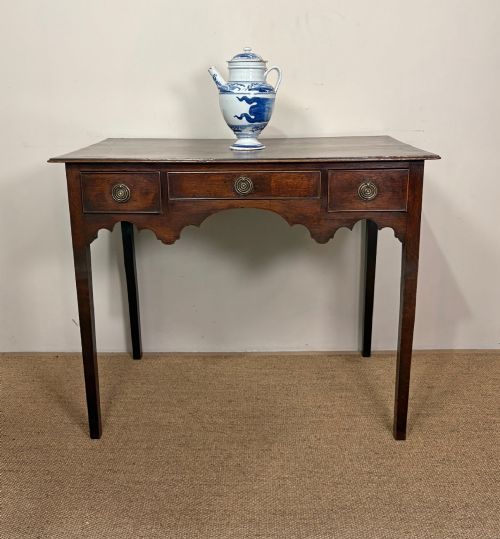
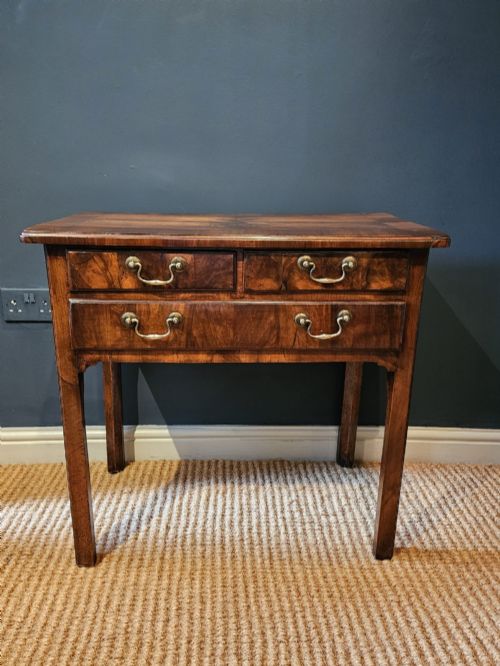
A georgian server table primarily encompasses substantial sideboards, dresser bases, console tables, and lowboys designed for dining rooms and grand hallways. These sturdy furnishings originate predominantly from the eighteenth and nineteenth centuries, spanning specific reigns such as George II and George III.
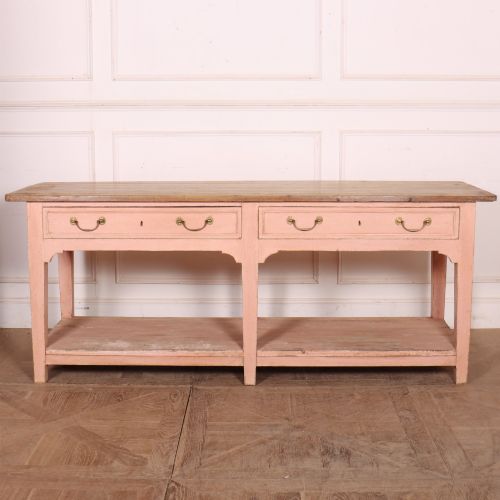
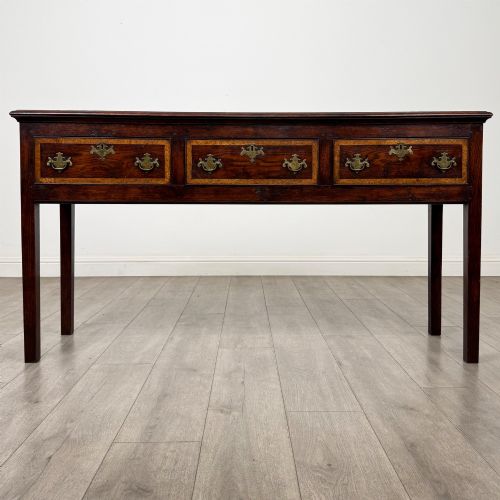
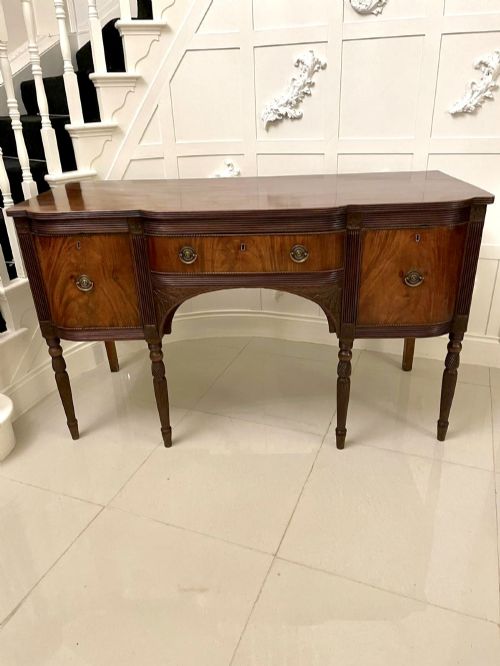
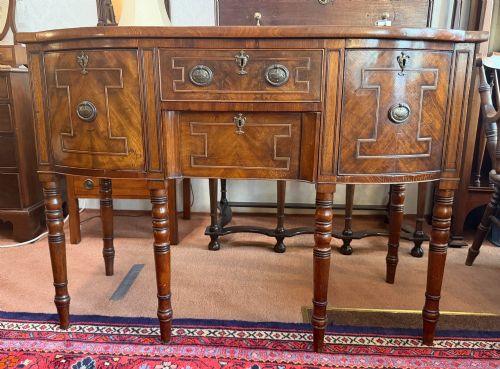
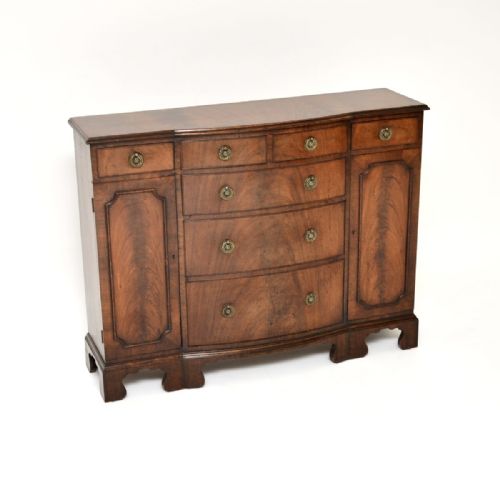
The selection on this page frequently includes formal mahogany breakfronts alongside robust country house oak dresser bases and potboard designs. Variations stretch from Queen Anne pine and walnut iterations to later Edwardian revivals and early twentieth-century interpretations made in the traditional style.
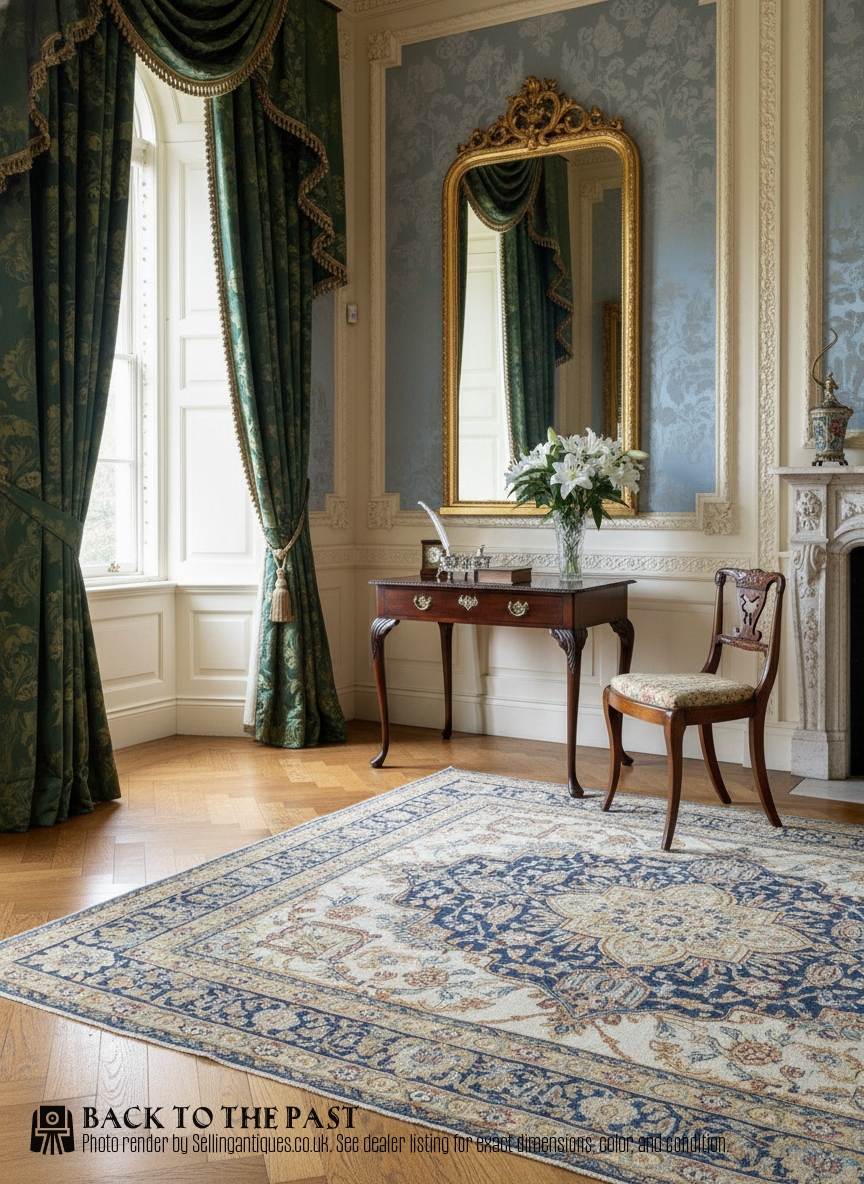
Materials and construction methods
Cabinet makers built these serving tables using dense native and imported timbers, relying heavily on figured mahogany, oak, and walnut. Artisans frequently applied flame mahogany veneer to drawer fronts and tabletops to achieve striking grain patterns.
Secondary structural elements incorporate pine for drawer linings and internal framing. Workshops often integrated brass hardware such as drop handles and backplates, while certain serving items feature Old Sheffield plate meat domes.
Joinery techniques ranged from straightforward pegged mortise and tenon frames on early oak country pieces to sophisticated curved drawer construction and breakfront configurations on formal mahogany examples.
Georgian Server Table Retail Price Guide 2026
Typical asking prices for georgian server table among the pieces listed under this phrase on Sellingantiques today, from the lower quarter to the upper quarter. They describe what is for sale here now, not the wider market.
Materials appearing across the inventory include solid oak, walnut, flame mahogany veneer, brass, marble, and pine.
Markers of distinction and craftsmanship
Quality reveals itself in the selection and matching of wood veneers, particularly the symmetry of flame mahogany across broad cabinet doors and tabletops. Superior examples display carefully chosen timber grains that flow naturally around corners and drawer perimeters.
The refinement of carved detailing distinguishes exceptional items from plain utilitarian furniture. Crisp execution on cabriole legs, paw feet, and geometric mouldings indicates superior workshop standards during the construction process.
Roberts Cadman
The Georgian Server Table Glossary
- Potboard
- An open slatted lower shelf incorporated into the base of a dresser or serving table, traditionally used for storing pots and ceramics. This practical lower tier sits raised slightly above the floor on feet or stile extensions.
- Lowboy
- A small oak or walnut table featuring one or more rows of drawers, commonly used as a side table or serving surface. These compact items typically stand on slender cabriole or straight legs.
- Breakfront
- A large cabinet or sideboard where the central section projects forward from the flanking outer wings. This architectural arrangement creates depth and visual rhythm along the front elevation.
- Serpentine
- A curved front edge featuring a convex centre flanked by concave curves, creating a smooth undulating line. Cabinet makers utilised this profile on high-status mahogany servers.
- Old Sheffield plate
- A composite material formed by fusing a thin sheet of silver to a thicker copper base, common on Georgian metalware and serving accessories. This historical plating technique predates modern electroplating.
Georgian Server Table: Frequently Asked Questions
What is a georgian server table used for?
These tables served primarily as practical side stations in dining rooms for holding dishes, platters, and serving utensils during large meals.
Today, they function equally well in modern dining spaces or hallways as console tables offering concealed storage and display surface.
How do I tell an 18th-century piece from a later revival?
Early pieces display authentic hand-tool marks, traditional timber shrinkage, and period-appropriate secondary woods like pine inside drawer boxes.
Edwardian or later Georgian style reproductions often feature uniform machine sawing and modern assembly methods beneath the period exterior.
Where should I place a server table at home?
A server table fits naturally against a dining room wall to support serving dishes, or within a wide entrance hallway as a grand console.
Ensure you measure the available wall length and depth carefully, as breakfront and serpentine forms require adequate clearance to look properly proportioned.