




Distressed Green Table
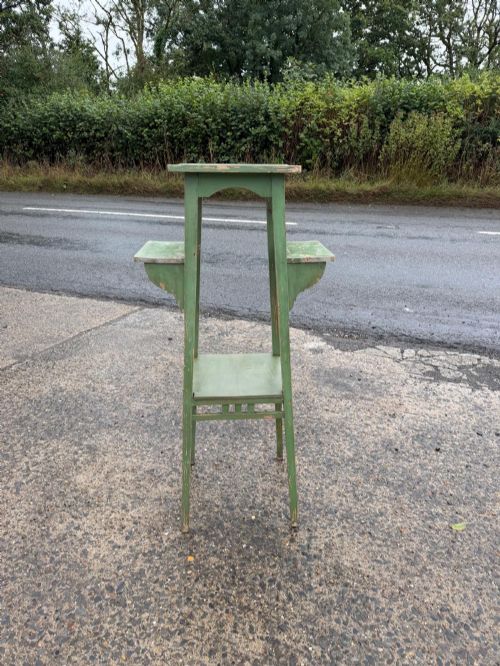
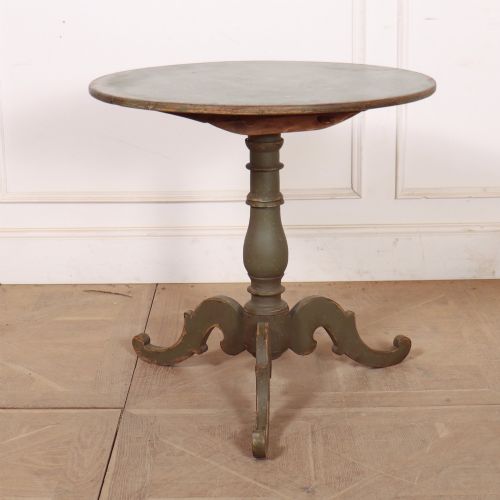
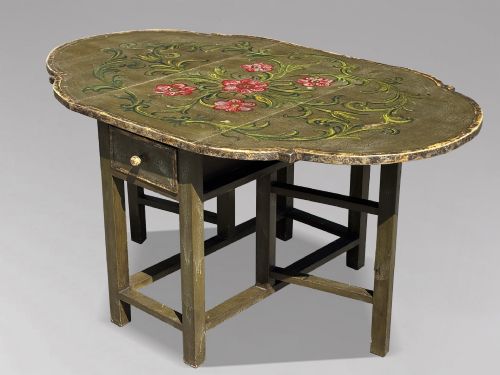
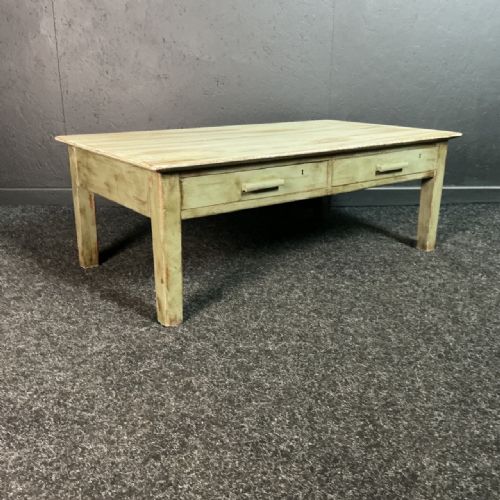
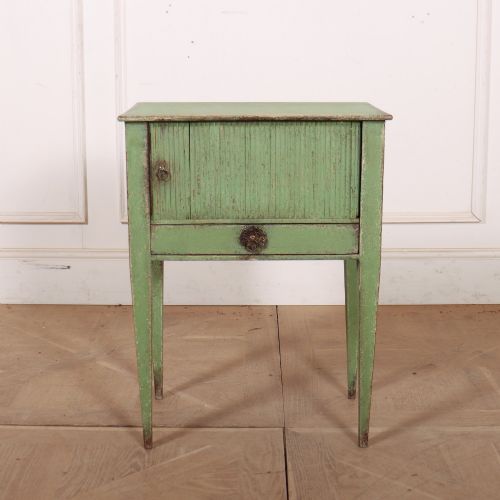
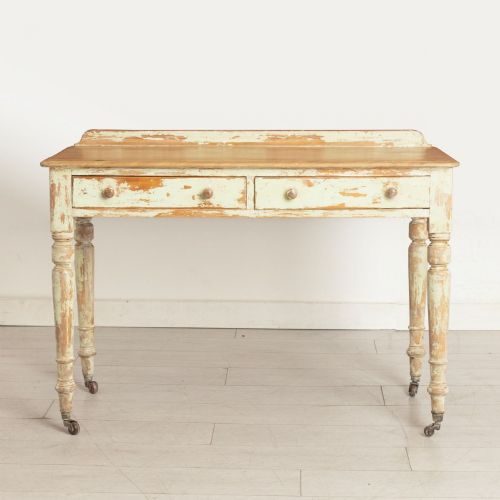
A distressed green table brings a lived-in character to a room through weathered surfaces and heritage shades.
Distressed Green Table
When you search for a distressed green table, you find a wide range of surfaces that show genuine age and surface wear. The selection includes side tables, console tables, coffee tables, and kitchen tables from various European traditions.
You are most likely to meet pieces finished in original paint, often showing layers of flaking colour across pine, oak, or softwood. These items span from the eighteenth century through to the early twentieth century, reflecting English, French, Swedish, and Italian country styles.
The forms range from small lamp tables and bedside units to large dresser bases and work tables. Each piece carries the marks of its past use, whether in a French provincial interior or an English country kitchen.
How they were made
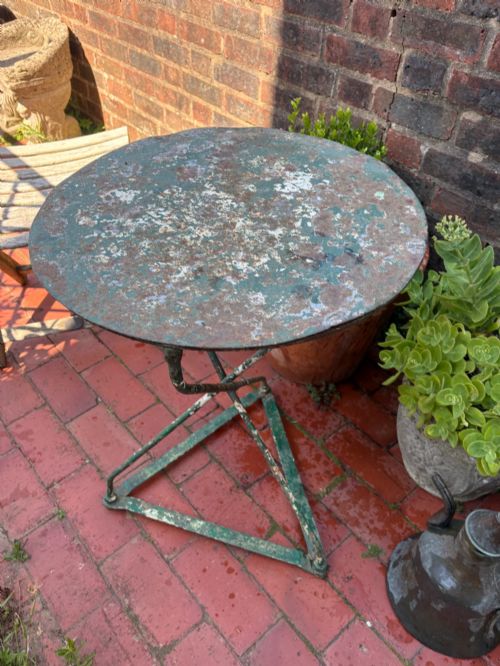
Makers constructed these tables using sturdy timbers such as pine, oak, birch, and assorted softwoods, often joining them with traditional woodworking joints. Some specialised examples incorporated marble tops, cast iron bases, or verdigris copper surfaces for added durability.
The distinctive green finishes applied to these pieces rely on traditional paint layers that have worn down naturally over decades or centuries of use. Artisans worked by hand to shape lamp tables, console tables, and work tables, leaving tool marks that remain visible beneath the distressed paint.
Several tables spent decades in French potting sheds and Swedish baking rooms before finding their way here.
What varies in quality
The distinction between ordinary and exceptional pieces rests on the integrity of the original paint surface and the honesty of the wear. Tables that retain their first application of green paint without modern repainting command greater interest from buyers.
Construction methods also separate standard items from finer works, such as neoclassical console tables with detailed carving or early Italian drop-leaf tables. The balance of proportions, the choice of secondary woods, and the structural stability of the base determine the overall standing of each piece.
The Distressed Green Table Glossary
- Gueridon
- A small round table, typically supported by a central pillar or three legs. These French forms often feature painted wooden tops or decorative marble inserts.
- Demi-lune
- A half-moon shaped table designed to stand flat against a wall. They function well as narrow console tables in hallways and reception rooms.
- Serpentine
- A gently undulating curved shape seen on the front edges of furniture. This contour appears on finer console tables from Italian workshops.
- Verdigris
- A green patina that forms naturally on copper and brass surfaces through atmospheric oxidation. It provides a distinct weathered metallic finish on garden and potting tables.
- Dresser base
- A low, heavy storage unit fitted with drawers or cupboards beneath a flat top surface. These substantial pieces originate mainly from English country houses.
Distressed Green Table: Frequently Asked Questions
Where should I place a green console table?
A green console table works well in an entrance hall or against a living room wall where its weathered surface can catch the eye. Narrow variations fit comfortably into restricted spaces without blocking movement.
Pair the table with a simple mirror or lamp to let the distressed paint finish stand out against neutral walls.
How do I care for original painted wood?
Dust the surface gently with a dry, soft cloth and avoid using harsh chemical cleaners or abrasive pads. Keeping the table away from direct heat sources prevents the old paint from drying out further.
Apply a light microcrystalline wax only if the wood feels dry, taking care to test a small hidden area first.
Are these tables suitable for daily kitchen use?
Many work tables and kitchen tables were built for heavy domestic tasks and remain robust enough for regular use. Pine and softwood surfaces will continue to gather marks, which adds to their historic charm.
Use mats and coasters to protect vulnerable painted areas from moisture and heat rings.
How do I identify an 18th-century piece?
Eighteenth-century tables typically feature hand-cut joinery, pegged tenons, and timber shrinkage consistent with age. The construction techniques and hand-planed boards differ markedly from later mass-produced items.
Examine the underside and drawer linings for tool marks that indicate period hand-tool fabrication.