
Vintage Kitchen Prep Table
A vintage kitchen prep table brings working utility and honest character into a modern space, offering practical surfaces shaped by decades of domestic use.
Vintage Kitchen Prep Table
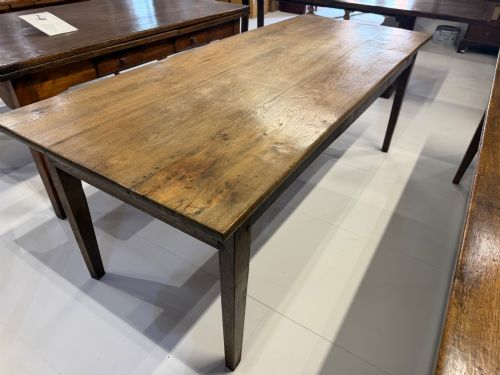
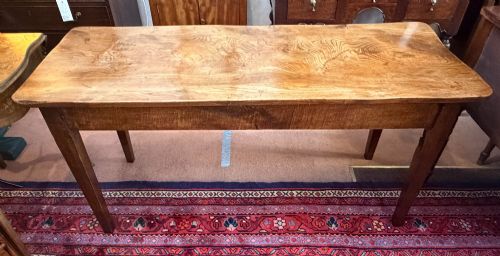
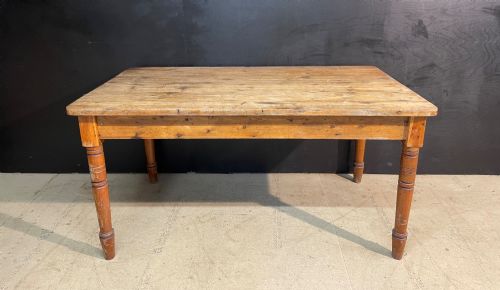
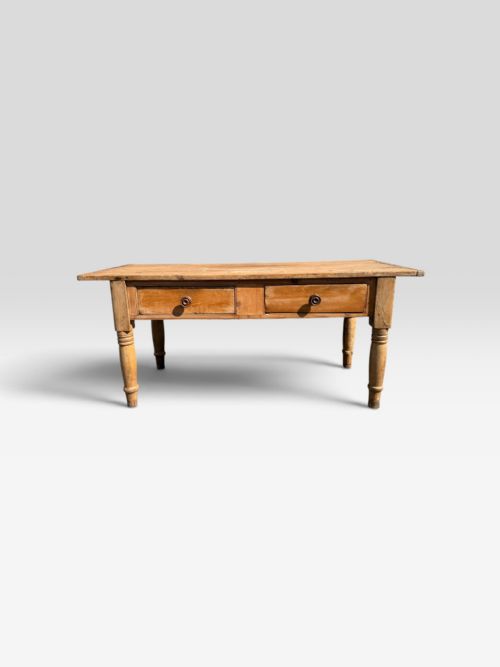
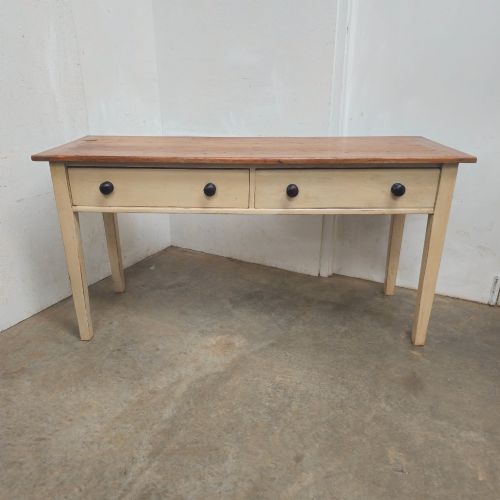
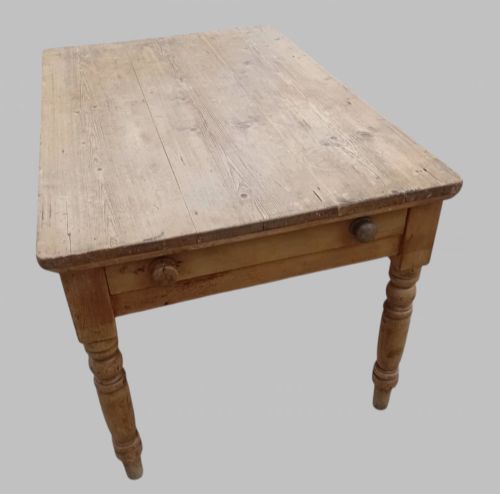
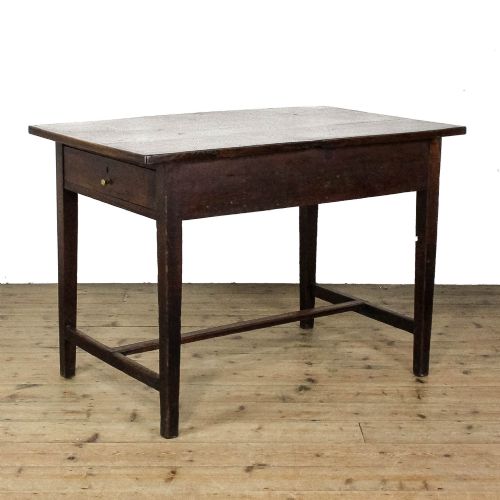
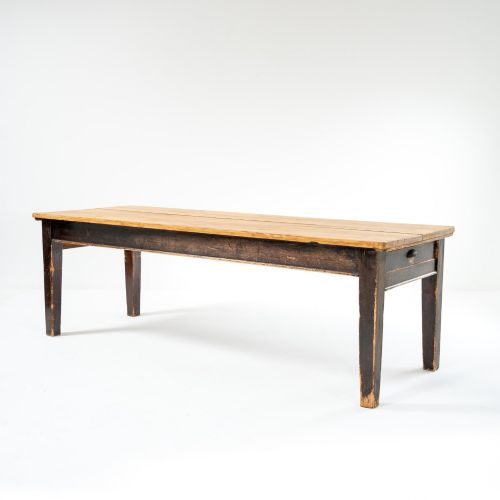
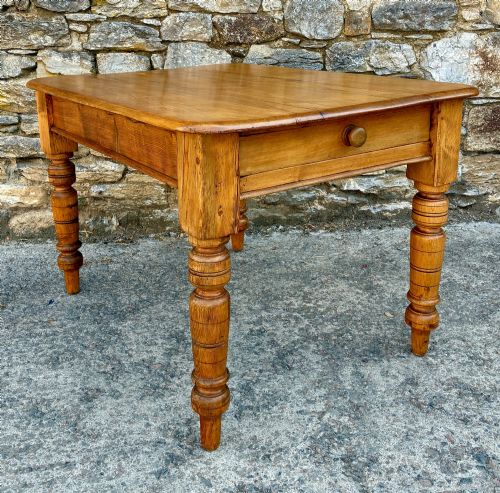
A vintage kitchen prep table encompasses hardworking surfaces designed for culinary tasks, ranging from scrubbed pine farmhouse boards to French marble top patisserie display tables. Buyers searching this phrase most frequently encounter 19th-century and early 20th-century examples built for utility in sculleries, dairies, and domestic kitchens.
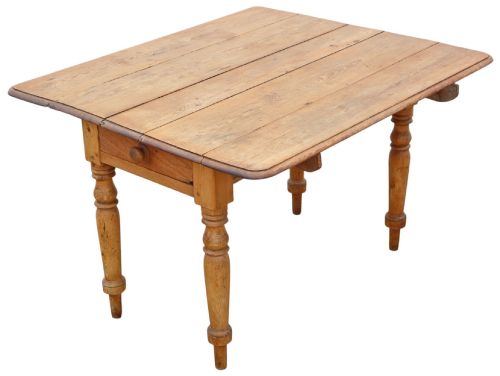
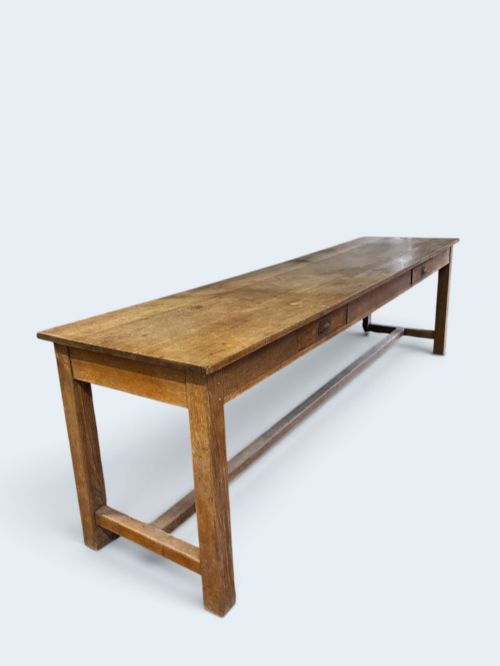
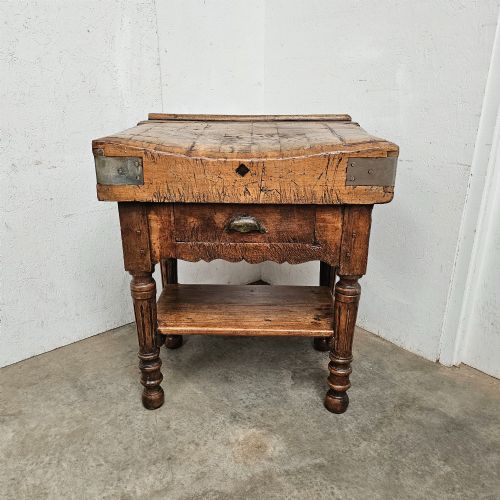
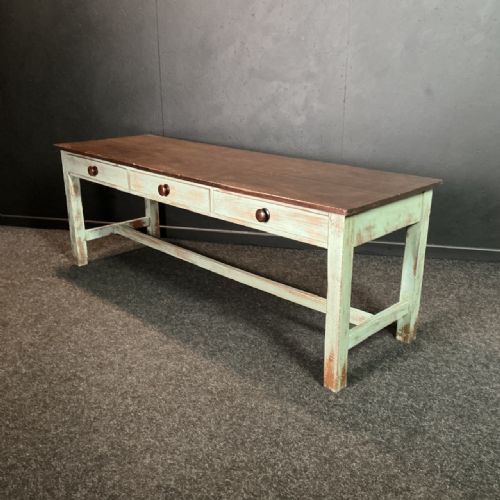
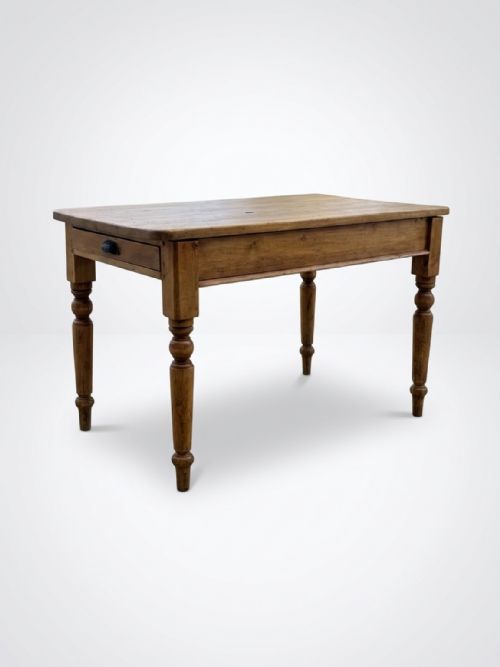
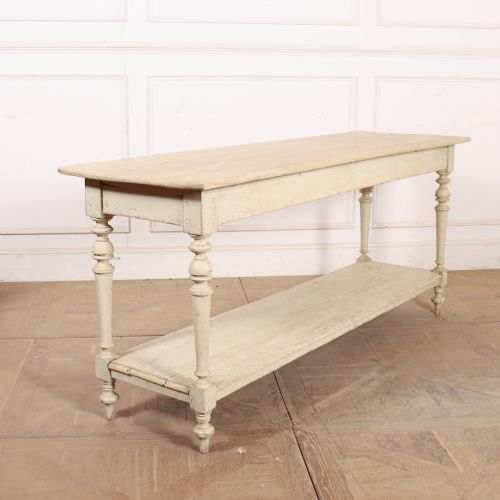
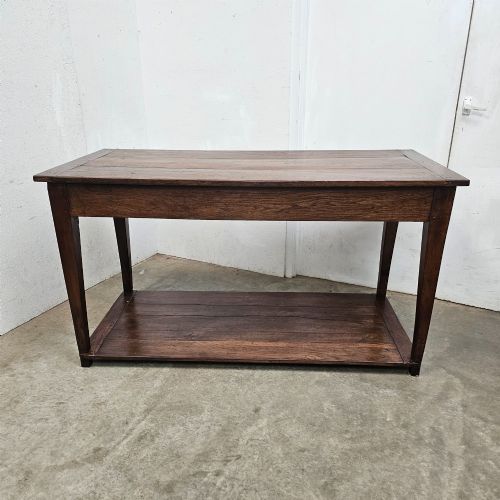
The selection on this page draws heavily from Victorian and early 20th-century periods, featuring regional British and continental forms such as Welsh oak kitchen tables, harvest tables, and French butchers blocks. These items often incorporate single or multiple drawers for storage, potboards underneath, or folding drop leaves.
Beyond standard kitchen tables, the inventory includes specialised work tables like drapers tables, bakers prep tables, and dairy tables in pine, oak, and beech. Their sturdy construction and patinated surfaces reflect their origins in working environments.
Materials and construction
Makers relied primarily on sturdy timbers like pine, oak, beech, elm, and fruitwood to build surfaces capable of withstanding heavy daily use. Scrub top pine and solid oak provide durable working planes, while secondary materials such as iron, brass, and paint appear on bases, handles, and framing.
Specialist prep tables integrate contrasting elements, combining wooden frames with French marble tops for pastry and charcuterie work, or incorporating enamel inserts. Construction techniques prioritize functional longevity, utilising solid joints, sturdy legs in tapered or turned profiles, and fitted drawers.
Listing dates span from the mid-nineteenth century through the 1930s, encompassing Victorian and Edwardian periods alongside regional country styles.
Judging quality
Quality rests in the integrity of the original construction and the depth of the surface patina earned through active service. Tables retaining their unpainted scrubbed tops or authentic period paintwork demonstrate superior character compared to heavily restored examples.
The Vintage Kitchen Prep Table Glossary
- Scrub top
- A wooden table top lightened by repeated aggressive washing with water and scrubbing brushes. This process leaves a pale, smooth finish prized by collectors.
- Potboard
- A lower slatted shelf fitted between the legs of a table, traditionally used to store pots and pans. It adds structural stability to the frame.
- Drop leaf
- A hinged flap of wood on the side of a table that folds down to save space. It allows the surface area to expand when extra room is needed.
- Patisserie table
- A specialised work table featuring a marble top designed for rolling pastry and working with chocolate. The stone stays cool to prevent ingredients from melting.
- Harvest table
- An exceptionally long dining or work table traditionally used to feed seasonal agricultural workers. These pieces often feature sturdy pine or oak tops supported by multiple legs.
Vintage Kitchen Prep Table: Frequently Asked Questions
What is a vintage kitchen prep table used for?
These tables function as central islands, food preparation stations, or dining surfaces in modern kitchens. Their robust wooden or marble tops handle heavy daily tasks while providing functional workspace.
Historically, they served in sculleries and farmhouses for baking, chopping, and dairy work. Today, they bring practical surface area and historical charm into contemporary homes.
How do I care for a wooden scrub top?
Clean the surface regularly with a damp cloth and mild soap, avoiding harsh chemicals that strip the natural grain. Periodic light sanding can remove stubborn stains without ruining the antique character.
Treat exposed softwood with natural oils or waxes if it begins to dry out too much. Keeping the timber conditioned helps prevent splitting while preserving the historic patina.
How can I tell a Victorian table from a 20th-century one?
Victorian examples frequently display hand-cut joinery, pegged joints, and heavier timber framing shaped by 19th-century carpentry methods. The patina on these pieces usually shows deeper signs of wear and historical usage.
Twentieth-century pieces tend to feature standardised joinery marks and cleaner lines associated with early production methods. Examining the underside and drawer construction often reveals the era's manufacturing techniques.
Are marble top tables difficult to maintain?
Marble provides an ideal cool surface for pastry preparation but requires attention to prevent staining from acidic foods. Wipe spills promptly and use protective boards for cutting and food handling.
Seal the stone periodically according to its porosity to guard against everyday kitchen marks. With basic care, the stone retains its smooth texture and decorative appearance.